
Introduction to Barcodes
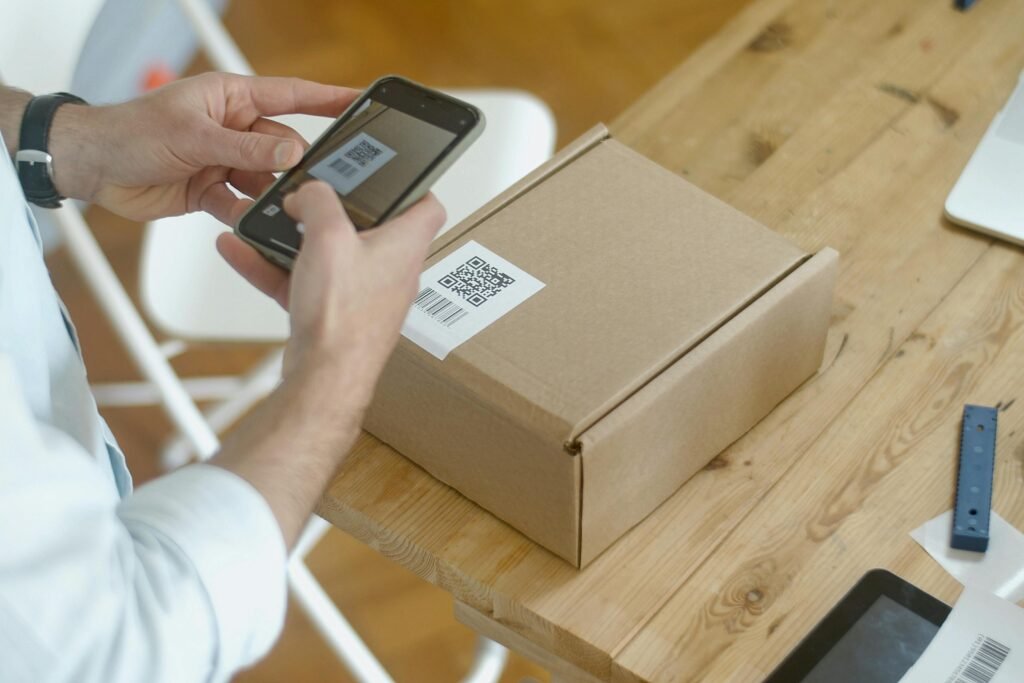
Barcodes are a ubiquitous element in today’s commercial landscape, serving as an efficient means of capturing and organizing data. These machine-readable representations of information typically consist of a series of parallel lines or squares that can be scanned to retrieve encoded data. Their primary purpose lies in facilitating rapid identification and tracking of products throughout various industries, including retail, logistics, and healthcare.
The functionality of barcodes stems from their ability to store essential information in a compact format that can be easily read by optical scanners. When a barcode is scanned, the information encoded in the design is translated into a human-readable form, often revealing specifics such as product details, pricing, and inventory status. This process significantly enhances inventory management, enabling businesses to maintain accurate counts and streamline stock replenishment procedures.
In the retail sector, barcodes play a critical role in transaction efficiency. Customers benefit from quick checkouts as cashiers can scan items rather than manually entering prices, reducing errors and improving customer satisfaction. Furthermore, the integration of barcode technology into point-of-sale systems allows for real-time inventory updates, providing businesses with valuable insights into sales trends and stock levels.
In logistics and supply chain management, understanding different barcode formats is essential for efficient operations. Various types of barcodes, including UPC, EAN, and QR codes, are employed depending on the specific requirements of products and industries. Each format has its unique characteristics and applications, making it crucial for professionals to be well-versed in these differences to choose the most effective barcode solution for their needs.
What are Barcode Formats?
Barcode formats serve as a crucial mechanism for encoded information, allowing for quick identification and data retrieval in various applications. At their core, barcode formats are graphical representations of data that can be scanned by optical devices like barcode scanners, facilitating automated information capture. Each barcode format employs distinct encoding methods that vary based on a range of factors, including the amount of data to be stored, the types of information being encoded, and the physical dimensions of the barcode itself.
Primarily, barcode formats can be categorized into two groups: one-dimensional (1D) and two-dimensional (2D) barcodes. 1D barcodes, commonly seen in retail environments, consist of parallel lines of varying widths and spacings that represent numeric data, allowing them to encode limited information such as product identifiers and prices. In contrast, 2D barcodes, which include QR codes and Data Matrix codes, can hold significantly more data due to their grid-like arrangement. These formats can encapsulate alphanumeric data, URLs, and various types of information within a compact space.
The choice of a specific barcode format is often influenced by factors such as the intended application, required data capacity, and scanning technology available. For example, linear barcodes might be preferred for basic inventory management tasks, where only simple identifiers need to be scanned. However, more complex applications, such as contactless payments or mobile marketing campaigns, may necessitate the use of 2D barcodes due to their superior data handling capabilities.
Understanding the distinctions between these different barcode formats is essential for businesses aiming to optimize their inventory management, streamline operational processes, and enhance customer experiences. This knowledge lays the groundwork for exploring the specific barcode formats that can best meet diverse operational needs.
UPC – Universal Product Code
The Universal Product Code (UPC) is a widely recognized barcode format that plays a crucial role in the retail industry. Developed in the early 1970s, the UPC system was created to provide a standard method for identifying products at the point of sale. This 12-digit numerical code is designed to streamline the tracking of inventory and sales, ensuring that retailers can manage their operations efficiently.
The structure of a UPC consists of two main components: the number system character and the manufacturer and product identifiers. The first digit indicates the category of the product, often defined by the type of goods being sold. Following this, the next five digits represent the unique identifier for the manufacturer’s assigned number. The next five digits are dedicated to the specific product offered by that manufacturer, creating a unique code for each item. Finally, the last digit serves as a check digit, which is used to validate the accuracy of the code when scanned.
UPCs are predominantly utilized in retail environments, enabling quick and accurate product identification during transactions. When a product is scanned at the register, the UPC relays essential information about the item, including its price and description, to the sales system. This not only accelerates the checkout process but also aids in maintaining up-to-date inventory records. For retailers, this translates into improved sales tracking, efficient restocking, and reduced chances of human error, making UPC codes indispensable for modern retail operations.
Moreover, the adaptability of the UPC extends beyond traditional retail. It is employed in various applications, from warehousing and shipping logistics to inventory management in e-commerce. Thus, the UPC format not only enhances consumer experiences but also supports operational efficiency across various sectors.
EAN – European Article Number
The European Article Number (EAN) is an essential barcode standard that serves as a critical tool in the international trade and retail sectors. Developed to enhance product identification and streamline the global supply chain, the EAN format is primarily utilized for retail products in Europe and several other regions worldwide. While it operates similarly to the Universal Product Code (UPC), there are notable distinctions between the two systems. The EAN typically consists of 13 digits, whereas UPC codes generally feature 12 digits. This additional digit in EAN codes allows for a more extensive range of unique product identifiers, which is particularly useful for international markets.
The EAN system enables seamless scanning at points of sale across various countries, removing the barriers that often exist with differing barcode formats. By providing a unique identifier for each product, EAN facilitates inventory management, sales tracking, and product visibility. Manufacturers and retailers benefit from EAN implementation, as it ensures that products are accurately represented in databases, improving efficiency and reducing errors in checkout processes.
Another significant advantage of EAN codes is their international relevance. As commerce becomes increasingly globalized, the need for a standardized product identification system grows. EAN codes are recognized and accepted in numerous countries outside Europe, making them a favorable choice for companies looking to expand their reach in international markets. With the widespread adoption of EAN barcodes, businesses can confidently navigate the complexities of global distribution, ensuring that products are easily traceable and recognizable irrespective of geographical boundaries.
QR Code – Quick Response Code
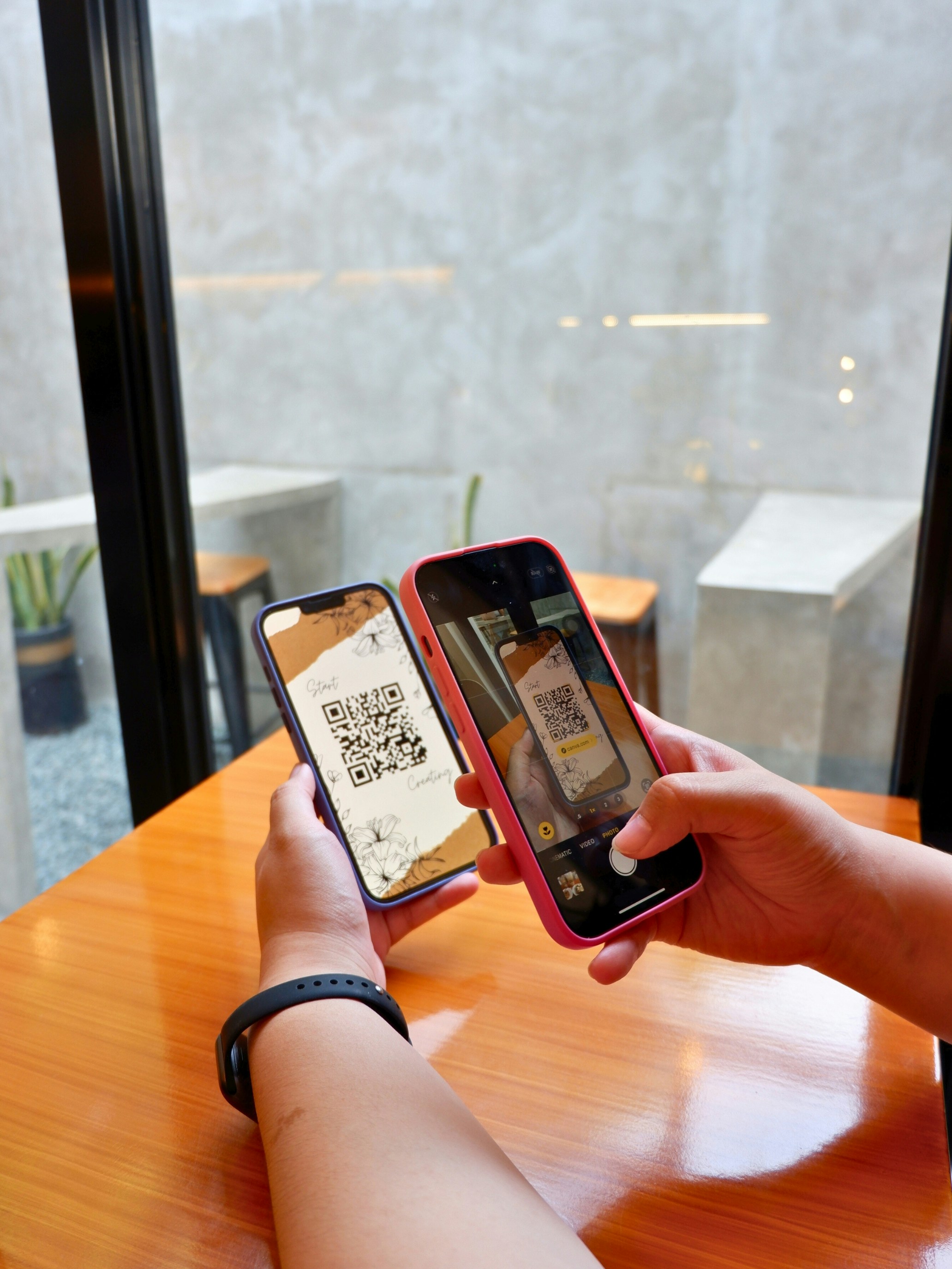
QR codes, or Quick Response codes, represent a modern evolution of traditional barcode formats, primarily distinguished by their two-dimensional structure. Unlike standard barcodes that encode data exclusively in horizontal lines, QR codes utilize a matrix of black squares arranged on a white grid, allowing them to store significantly more information. This distinctive design enables QR codes to be scanned from various angles, facilitating quick access to information when used with smartphones and other scanning devices.
The increasing ubiquity of QR codes can be traced back to their utility in marketing, mobile payments, and information sharing. Businesses leverage QR codes to create a direct link between physical products and digital content, thus enhancing customer engagement. For example, a customer scanning a QR code on a product label may find additional information such as usage instructions, promotional offers, or even links to social media profiles. Moreover, QR codes have found a prominent role in contactless payment systems, which gained tremendous traction in recent years, especially amidst global health concerns.
Real-world use cases of QR codes abound across multiple sectors. In the retail space, stores employ QR codes to streamline checkout processes and provide customers with easy access to loyalty programs. Restaurants have also adopted QR codes for digital menus, enabling patrons to view their options without handling physical menus. Furthermore, event management companies utilize QR codes for ticketing systems to simplify entry processes and enhance security.
To read QR codes, consumers typically use their smartphone cameras, which recognize the code and redirect them to the encoded information or website. Various mobile applications also assist in decoding QR codes, further emphasizing their versatility in information dissemination. Overall, QR codes have earned their spot as an essential element in modern communication and commerce.
Code 39 – A Standard Alphanumeric Barcode
Code 39, often referred to as “3 of 9,” is a prominent alphanumeric barcode format that has been utilized across various industries for decades. This barcode can efficiently encode uppercase letters, numeric digits, and a selection of special characters, making it a versatile choice for numerous applications. The design of Code 39 allows for sufficient flexibility, accommodating diverse identification needs in sectors ranging from manufacturing to healthcare.
In industrial settings, Code 39 is frequently deployed for inventory management, tracking items throughout the supply chain, and enhancing the overall organization of logistics. Its capacity to integrate letters and numbers means that products can be labeled with essential information such as part numbers, serial numbers, and even product descriptions, streamlining operations and minimizing errors. Furthermore, sectors like healthcare benefit greatly from Code 39, as it can be used in patient identification, medication tracking, and the labeling of medical devices. This can help in mitigating the risks associated with medication errors and ensuring proper patient care.
One of the significant advantages of Code 39 is its simplicity in both implementation and scanning. The barcode can be generated without specialized software, thus making it accessible even for smaller businesses looking to enhance their tracking systems. Additionally, the wide acceptance of Code 39 by barcode scanners further cements its relevance, as most scanners readily recognize this format. The ease of reading and printing these barcodes contributes to their widespread use, as they can be printed on various surfaces and materials. In conclusion, the Code 39 barcode stands as a reliable option for organizations that need a straightforward yet effective means of identification and inventory control.
Code 128 – A Compact Barcode Format
Code 128 is a robust and versatile barcode format that is widely recognized for its ability to encode a significant range of alphanumeric characters within a compact design. This efficiency allows businesses to include more information in a smaller space, making it particularly beneficial in environments where every inch of labeling real estate must be maximized. Because of its high-density encoding capability, Code 128 is an ideal choice for applications that require a flexible approach to data representation, including inventory management, shipping labels, and more.
One of the most notable advantages of Code 128 lies in its ability to accommodate a variety of characters, including uppercase and lowercase letters, numbers, and special symbols. This versatility makes it suitable for diverse industrial applications, as it can efficiently manage complex workflows that often necessitate a combination of different types of data. Retail settings, healthcare systems, and manufacturing processes frequently utilize Code 128 because it streamlines operations by ensuring accurate tracking and identification of products.
Additionally, Code 128 supports multiple character sets, including Code 128 A, Code 128 B, and Code 128 C. This diversity allows businesses to select the specific variant that best suits their needs, thereby offering tailored solutions for various barcode requirements. As a result, industries such as logistics, pharmaceuticals, and retail often benefit from its space-saving attributes while enhancing overall efficiency.
In summary, the Code 128 barcode format stands out due to its high density and versatility in encoding data, making it highly suitable for various industries. Its capacity to compactly encode extensive alphanumeric information contributes to its popularity as an effective labeling solution in numerous applications, significantly improving operational efficiency and precision.
Data Matrix – Two-Dimensional Barcode
Data Matrix barcodes represent a significant advancement in barcode technology. Unlike their one-dimensional counterparts, Data Matrix codes are two-dimensional, which allows them to encode a myriad of information in a compact form. Typically, these codes consist of black and white square modules arranged in a grid pattern, resulting in a quick-response format that offers efficient data storage and retrieval. The ability to encode large amounts of data, including alphanumeric characters, makes Data Matrix barcodes particularly useful in various industries.
One of the primary applications of Data Matrix barcodes is in the healthcare sector. Hospitals and healthcare providers leverage these barcodes to track medications, medical devices, and patients. The small size of Data Matrix codes ensures that they can be printed directly on items with limited space, such as vials or adhesive labels. This facilitates more accurate inventory management and reduces the likelihood of medication errors, ultimately enhancing patient safety. Additionally, the durability and readability of Data Matrix codes, even when damaged, ensure reliable data access in a high-stakes environment like healthcare.
In the manufacturing sector, Data Matrix barcodes contribute to streamlined processes and improved efficiency. Used in product labeling and tracking throughout the supply chain, these codes help manufacturers monitor product quality, manage inventory, and implement automated warehouse systems. The versatility of Data Matrix technology extends beyond traditional barcode readers; it can be easily scanned by smartphones and other devices equipped with the appropriate software. This adaptability ensures that Data Matrix codes can be integrated seamlessly into existing infrastructures, including Industry 4.0 environments where real-time information sharing is vital for operational success.
Choosing the Right Barcode Format
Selecting the appropriate barcode format is a critical task that can significantly impact inventory management, pricing, and overall operations. To make an informed decision, it is essential to evaluate multiple factors, including industry requirements, data capacity, and intended use. Each barcode format has unique characteristics that cater to specific applications, and understanding these can streamline processes and enhance efficiency.
One of the first considerations is the industry in which the barcode will be used. Different sectors, such as retail, healthcare, and logistics, have distinct standards and regulations that govern barcode usage. For instance, retail environments often utilize UPC (Universal Product Code) barcodes, which are designed for scanning at points of sale, whereas the healthcare sector frequently opts for Code 128 or QR codes for tracking medication and patient information accurately.
Next, data capacity plays a vital role in your choice of barcode format. If your application requires encoding extensive information – such as product details, URLs, or serial numbers – choosing a more complex format like Data Matrix or QR codes may be advantageous. These formats can accommodate a larger amount of data compared to traditional linear barcodes. Additionally, consider the intended use of the barcode; whether it will be scanned at close range or potentially from a distance will influence the format selected.
Moreover, the visual aesthetics and the physical medium of the barcode must be taken into account. For instance, if the barcode will be printed on small labels, a format that retains readability at reduced sizes is essential. In summary, to select the most effective barcode format, assessing your industry standards, data requirements, and practical application specifics will enable a well-informed selection tailored to your operations. Implementing the right barcode can ultimately enhance functionality and accuracy in various processes.
© barcodly.com- All rights reserved