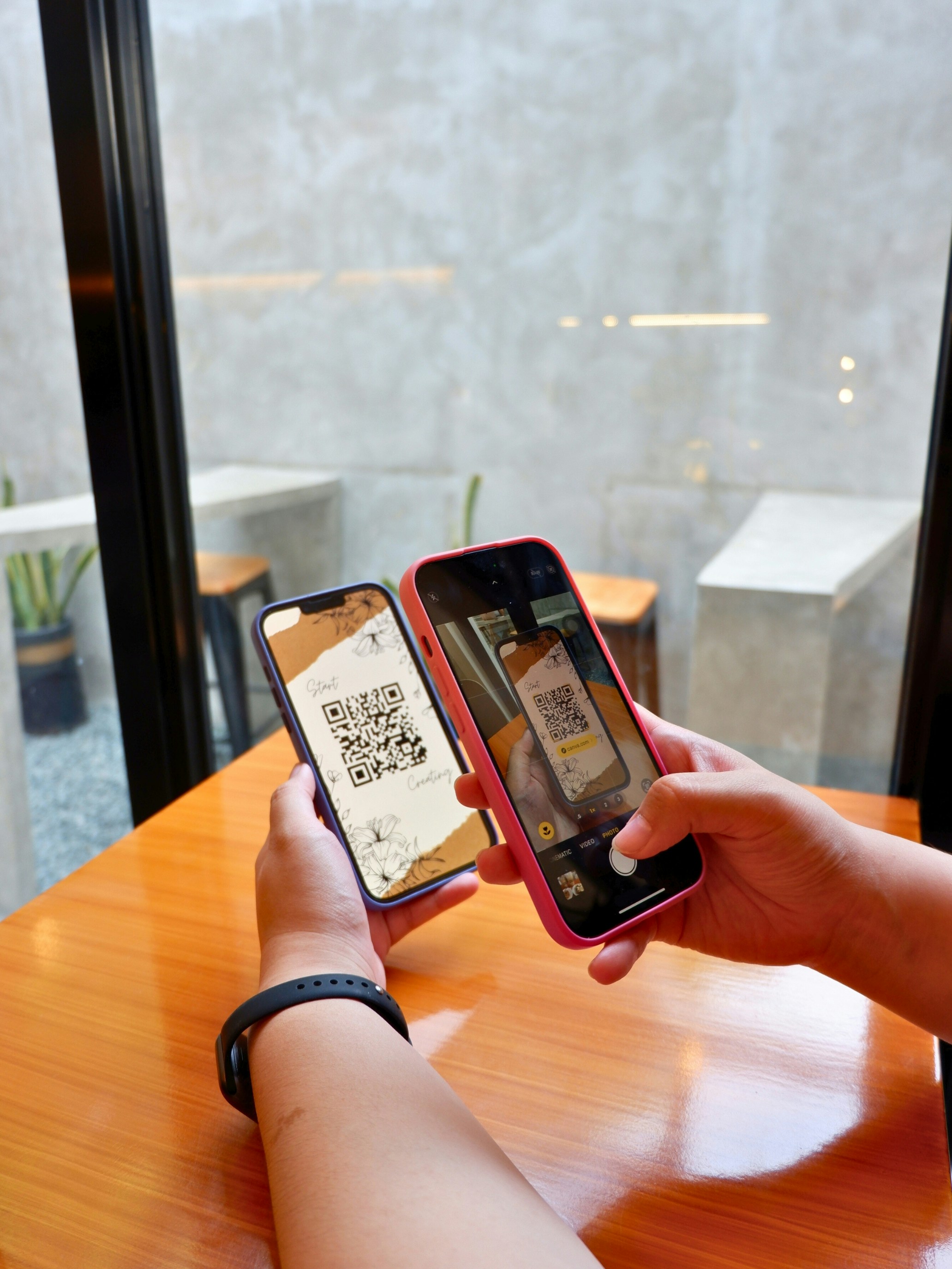

Introduction to Barcode Parking Systems
Barcode parking systems represent a modern approach to managing parking facilities, combining technological innovation with efficiency. At their core, these systems utilize barcode technology to enhance the parking experience for both operators and users. The basic concept involves generating unique barcodes for each vehicle, which can be scanned upon entry and exit, facilitating a streamlined parking process. This advancement helps in automating the park-and-retrieve procedures, minimizing the potential for human error.
One of the key benefits of barcode parking systems is their ability to simplify access control. Each vehicle is assigned a specific barcode, which can be easily scanned at entry and exit points. This eliminates the need for physical tickets and reduces the likelihood of lost tickets, which can lead to customer frustration. Instead, users can gain seamless access to parking facilities, as the system quickly recognizes the barcode associated with their vehicle, thereby providing a smoother and faster entry experience.
The technological advancements that have made barcode parking systems feasible include the widespread use of smartphones and affordable scanning devices. With many parking operators adopting mobile applications, users can even obtain their barcode digitally. Such integration with mobile technology allows for easy barcode generation and retrieval, empowering users to manage their parking experience efficiently. Furthermore, this technology is often accompanied by real-time analytics, enabling parking operators to monitor occupancy levels, streamline operations, and enhance customer satisfaction.
In summary, barcode parking systems simplify the complexities associated with traditional parking management. They embody a significant enhancement to modern parking solutions, providing a user-friendly interface while allowing operators to manage their facilities more effectively. As technology continues to evolve, the relevance and adoption of barcode parking systems are likely to increase, making them a crucial component of future parking strategies.
How Barcode Parking Systems Work
Barcode parking systems utilize a straightforward yet effective mechanism for managing vehicle access and parking. The process begins at the entry point, where each vehicle is assigned a unique barcode. This barcode can be generated either manually by the parking staff or automatically through an entry management system. When a vehicle approaches the entry gate, the driver is prompted to scan the barcode, which is typically displayed on a parking pass or a printed ticket produced by the system. This barcode holds essential information regarding the vehicle’s identity and the duration of the parking session.
Once the barcode is scanned, a barcode reader, which is equipped with optical scanning technology, interprets the information encoded in the barcode. This device reads the barcode while simultaneously verifying its authenticity against a database that contains records of registered vehicles. If the scan is successful, the system allows the vehicle to enter the parking facility by opening the gate. If not, the system can alert the driver or security personnel, thereby ensuring that only authorized vehicles may enter.
Upon parking their vehicle, the barcode data is logged into the parking management system, which automatically tracks the duration of the vehicle’s stay. Upon the exit of the vehicle, the same process is repeated. The driver scans the barcode at the exit gate. The scanning device again verifies the barcode against the system’s database, and if all the information corresponds—such as confirming that the parking session is still valid—the gate will open, allowing the vehicle to leave. This seamless and efficient process is supported by robust data management systems capable of storing and processing large volumes of information, thus ensuring a smooth operation of the barcode parking system across various information touchpoints.
Benefits of Barcode Parking Systems
Barcode parking systems have emerged as a superior alternative to traditional parking management approaches, providing numerous benefits that cater to the needs of both operators and users. One of the most notable advantages is the increased efficiency these systems offer. By automating various aspects of parking management, from entry to exit, operators can significantly reduce the time vehicles spend in queues. This streamlined process leads to faster turnaround times, ultimately allowing for more vehicles to be accommodated in a given space.
Another significant benefit is the enhanced user experience provided by barcode parking systems. Users appreciate the simplicity of scanning a barcode for entry and exiting, which minimizes frustrations associated with manual ticketing or cash payments. The integration of mobile applications with barcode technology further elevates convenience. Users can reserve parking spots in advance, making it easier for them to secure spaces, especially in busy urban environments. These features not only lead to higher customer satisfaction but can also foster loyalty as users experience the reliability of the system.
Additionally, adopting barcode parking systems can result in reduced operational costs. By minimizing the need for physical staff and decreasing manual processes, companies can save on labor expenses while reallocating resources towards maintenance and updates of the parking facilities. Barcode parking systems also offer improved security features. They include tracking capabilities, providing real-time data on vehicle movements, which enhances safety by allowing better monitoring of the parking area. Furthermore, in the event of an incident, historical data can assist in investigations.
Real-world applications have demonstrated these advantages effectively. For instance, major cities have reported a decrease in congestion and improved revenue generation after implementing barcode parking systems, showcasing how transformative this technology can be.
Challenges and Limitations
Barcode parking systems, while offering numerous advantages, inherently come with a set of challenges and limitations that users and operators must consider. One of the significant challenges is the system’s reliance on technology. These systems depend on various electronic components such as scanners, databases, and software for operation. In instances of power outages, server failures, or software glitches, access to parking services may be severely disrupted. Such dependencies underscore the necessity for robust technical support and backup systems to ensure continuous functionality.
Technical malfunctions are another concern associated with barcode parking systems. Issues such as scanner breakdowns or software errors can lead to false readings, where a vehicle’s barcode is not scanned correctly, resulting in potential disputes regarding authorization and payments. Furthermore, the management of these technical aspects often requires trained personnel, which can impose additional costs and logistical challenges on parking facility operators. Regular maintenance and updates are required to mitigate these risks, which can further strain resources.
Environmental factors also play a crucial role in the effectiveness of barcode parking systems. For example, inclement weather conditions—such as heavy rain, snow, or extreme temperatures—can hinder the functionality of the barcode scanners. Moisture accumulation on barcodes or dirt can obscure scanning, thereby affecting the overall user experience. Additionally, outdoor environments can pose challenges related to system durability, necessitating the use of weather-resistant materials and designs for parking equipment.
Overall, while barcode parking systems present innovative solutions to modern parking issues, understanding the various challenges and limitations associated with their use is essential for making informed decisions regarding their implementation and management.
Comparing Barcode Systems with Traditional Parking Methods
The evolution of parking management has led to the introduction of advanced technologies, such as barcode parking systems. This modern approach offers distinct advantages over traditional parking methods, which often rely on manual processes or physical tickets. One fundamental difference lies in user interaction. In traditional systems, drivers frequently encounter cumbersome ticketing machines that require physical tickets, leading to potential delays and inconvenience. In contrast, barcode systems streamline user experience by allowing drivers to scan a unique barcode at entry and exit points. This simplification enhances user satisfaction and reduces congestion at parking facilities.
Operational efficiency is another critical factor in this comparison. Traditional parking management often involves manual oversight and a staff presence to handle transactions, which increases labor costs and the potential for human error. Barcode systems shift the focus towards automation. By integrating automated barriers and cloud-based solutions, they enable real-time tracking of parking spaces and transactions. This digitization results not only in reduced operational costs but also fosters better resource management, as operators can allocate staff more effectively based on actual demand and trends.
Data handling capabilities also mark a significant contrast between the two methods. Traditional parking systems typically offer limited data insights, often relying on basic reports that may miss underlying patterns. In contrast, barcode parking systems can collect, analyze, and present a wealth of data, including usage trends, peak hours, and customer behavior. This data-driven approach allows parking facility managers to make informed decisions, optimizing both pricing strategies and space utilization.
In summary, the comparison between barcode parking systems and traditional methods highlights the superiority of modern technology in enhancing user experience, operational efficiency, and data handling capabilities. As urban environments continue to evolve, the preference for barcode systems is becoming increasingly evident among both operators and users.
Integration with Other Technologies
Barcode parking systems have evolved significantly in recent years, primarily due to their seamless integration with various technologies such as mobile applications, payment systems, and real-time data analytics. These integrations enhance the functionality of parking systems, making them more user-friendly and efficient for both parking operators and users.
One notable aspect of this integration is the ability to facilitate cashless payments. By linking barcode parking systems to mobile apps, users can easily make payments through their smartphones without the need for physical cash or credit cards. This convenience not only enhances the user experience but also contributes to reducing transaction times, allowing for a smoother parking process. Furthermore, mobile applications often provide users with a digital wallet feature, enabling them to store multiple payment methods and manage their parking expenses more effectively.
Additionally, the incorporation of real-time data analytics within barcode parking systems allows operators to monitor parking occupancy and revenue generation more accurately. With the use of advanced algorithms, these systems can analyze data trends and provide insights into peak usage times, helping operators to optimize pricing strategies. For instance, dynamic pricing models can be employed, adjusting rates based on demand, location, and time. This flexible pricing approach not only maximizes revenue but also helps to manage parking availability, ultimately promoting a more sustainable parking environment.
Moreover, integrating barcode technology with additional features such as GPS and location-based services can further enhance user interaction. Users can receive directions to available parking spaces, view real-time availability updates, and even reserve spots in advance, minimizing the time spent searching for parking. Overall, the integration of barcode parking systems with complementary technologies significantly enriches the overall parking experience, making it more convenient and efficient for everyone involved.
Implementing a Barcode Parking System
Implementing a barcode parking system can significantly enhance the efficiency of parking management. The process requires a systematic approach to ensure all aspects are meticulously attended to. The first step involves choosing the right technology vendor. It is essential to assess potential vendors based on their reputation, expertise, and support services. Ensure that they possess a track record of successful installations and can provide custom solutions that cater to specific requirements.
Once a vendor is selected, the next step is to configure the system. This includes setting up the hardware needed for scanning barcodes and integrating the software with existing parking management systems. It’s important to conduct thorough testing during this phase to identify any issues that may arise and to ensure user-friendliness. The configuration process should also consider scalability and future growth, allowing for easy integration of additional features as parking demands evolve.
An often-overlooked aspect of implementing a barcode parking system is the training of staff. It is crucial to provide comprehensive training sessions for all personnel involved in the operation of the system. This training should cover the functionality of the system, troubleshooting common issues, and customer service practices related to the barcode scanning process. A well-informed team will be better equipped to assist users and manage any unforeseen challenges.
Finally, educating users about the new system is vital for successful implementation. This can be achieved through informative materials such as brochures, signage, and digital communication methods. Clear instructions on how to use barcodes for entry and exit will ease the transition to the new system. Engaging users early in the process can lead to higher satisfaction and a smoother implementation overall, ensuring that the barcode parking system meets the objectives it was designed to achieve.
Future Trends in Barcode Parking Technology
The realm of parking management is rapidly evolving, particularly with the integration of barcode technology. As cities strive to manage traffic congestion and improve the overall parking experience, innovations are emerging that leverage artificial intelligence (AI) and machine learning (ML) to deliver more efficient solutions. These technologies possess the capability to analyze parking patterns, predict demand, and adjust resource allocation accordingly. For instance, AI algorithms can process historical data to anticipate peak parking periods, facilitating dynamic pricing strategies that optimize space utilization and maximize revenue for parking operators.
In addition to AI, predictive analytics plays a crucial role in the future of barcode parking systems. By employing data collected from various sources, including user behavior and real-time occupancy rates, parking providers can better understand and forecast demand fluctuations. This insight enables them to implement proactive measures to alleviate parking shortages. For example, if data indicates an upcoming event leading to increased vehicle influx, parking operators can prepare by offering advanced booking options or adjusting their service offerings to enhance user satisfaction.
Moreover, evolving consumer behavior is influencing how parking solutions are developed. With the rise of smart technology, users increasingly expect seamless and convenient experiences. This includes features such as mobile app integrations that allow users to scan barcodes for instant entry and exit, integrated payment solutions, and notifications about parking availability. As a response, developers are placing greater emphasis on user experience, ensuring that barcode parking systems are not only efficient but also user-friendly.
In conclusion, the future of barcode parking technology is set to be shaped by advancements in artificial intelligence, the utilization of predictive analytics, and a keen focus on consumer behavior. These trends will not only enhance operational efficiency for parking providers but will also significantly improve the experience for users, making parking a more streamlined and effective process in urban environments.
Conclusion
In conclusion, barcode parking systems represent a significant advancement in the field of parking management. These systems offer a range of benefits that enhance efficiency, security, and overall user experience. By automating the process of vehicle entry and exit through the use of barcode technology, parking facilities can minimize queues, reduce the potential for human error, and streamline operational workflows. This innovation not only fosters a more organized parking environment but also contributes to the positive perception of managed parking areas.
Moreover, the implementation of barcode parking systems can lead to increased revenue and improved tracking of parking usage patterns. The data collected through these systems provides valuable insights into customer behavior and preferences, allowing for strategic decision-making to optimize pricing, capacity, and service offerings. As cities and businesses strive to adapt to an ever-evolving landscape of urban mobility, these systems are increasingly recognized as essential tools in addressing common challenges encountered in parking management.
Ultimately, the transition to barcode parking technology represents a forward-thinking approach that aligns with contemporary demands for convenience and efficiency in transportation access. As parking facilities seek to improve their operations and cater to a growing customer base, considering the adoption of barcode parking systems may prove to be a beneficial investment. Businesses and municipalities should evaluate their current parking solutions and contemplate how integrating barcode technology can transform their parking management strategies.
© barcodly.com- All rights reserved