
Introduction to Barcode Traceability
Barcode traceability is a critical aspect of supply chain management, enabling the accurate tracking and monitoring of products from production to end consumer. This system employs unique barcodes assigned to individual products, which are scanned at various points along the supply chain. Each scan captures essential data, such as location, status, and time, allowing businesses to maintain a comprehensive record of the product’s journey.
The significance of barcode traceability cannot be overstated. In an increasingly globalized economy, businesses are faced with the challenges of managing complex supply chains involving multiple stakeholders. The ability to quickly and accurately track products contributes to enhanced operational efficiency, minimizes errors, and mitigates the risks of counterfeit goods. Effective traceability also fosters greater consumer confidence, as customers are increasingly demanding visibility into the origins and handling of the products they purchase.
However, traditional barcode tracing methods come with inherent limitations. One major challenge is the reliance on manual data entry, which can lead to inaccuracies and discrepancies. Furthermore, the lack of interoperability between different systems often results in data silos, restricting the flow of information and leading to fragmented visibility. This disjointed approach makes it difficult to achieve true transparency within the supply chain. Businesses frequently encounter issues such as delayed responses to recalls, inability to pinpoint the source of contamination, and difficulties in verifying the authenticity of products.
Given these challenges, there is a pressing need for improvement in barcode traceability systems. Enhanced accuracy, accountability, and transparency can significantly benefit organizations across various industries. Embracing innovative solutions, such as blockchain technology, presents a viable path forward, enabling businesses to build more reliable and efficient traceability frameworks that can withstand the complexities of modern supply chains.
Understanding Blockchain Technology
Blockchain technology represents a transformative approach to data management and transaction processing, characterized by its decentralized nature. Unlike traditional databases, where a central authority governs data, blockchain relies on a network of nodes that collectively manage and validate transactions. Each participant in the network maintains a copy of the entire ledger, ensuring that data is distributed across multiple locations. This structure significantly enhances security, as it reduces the risk of single points of failure that can be exploited by malicious actors.
One of the fundamental features of blockchain is its immutability. Once a transaction is recorded on the blockchain, it becomes nearly impossible to alter or delete it. This characteristic is achieved through cryptographic hashing, which links each block in the chain to its predecessor. Any attempt to modify a transaction would require altering all subsequent blocks, an endeavor that is computationally infeasible if the network is sufficiently decentralized. As such, blockchain assures stakeholders that the data they are reviewing has not been tampered with, bolstering trust and accountability within the system.
Additionally, blockchain technology promotes transaction transparency. Every transaction is recorded in a public or permissioned ledger that can be accessed by authorized participants. This level of transparency facilitates auditing and verification processes, significantly reducing disputes over data integrity. Consensus mechanisms, such as proof of work or proof of stake, further reinforce this system by ensuring that all transactions are agreed upon by the majority of the nodes before being added to the ledger. In this way, blockchain technology lays the groundwork for innovative applications, including enhanced barcode traceability, by providing a secure and verifiable environment for tracking products through their lifecycle.
The Intersection of Blockchain and Barcode Technology
Blockchain technology has emerged as a revolutionary solution with the potential to enhance various industries, including supply chain management and traceability. Its integration with barcode technology presents a unique opportunity to create a more efficient and transparent system for tracking products and managing inventory. Barcodes are widely used for their ability to easily encode and scan information about products, while blockchain provides a decentralized and secure method of storing this information.
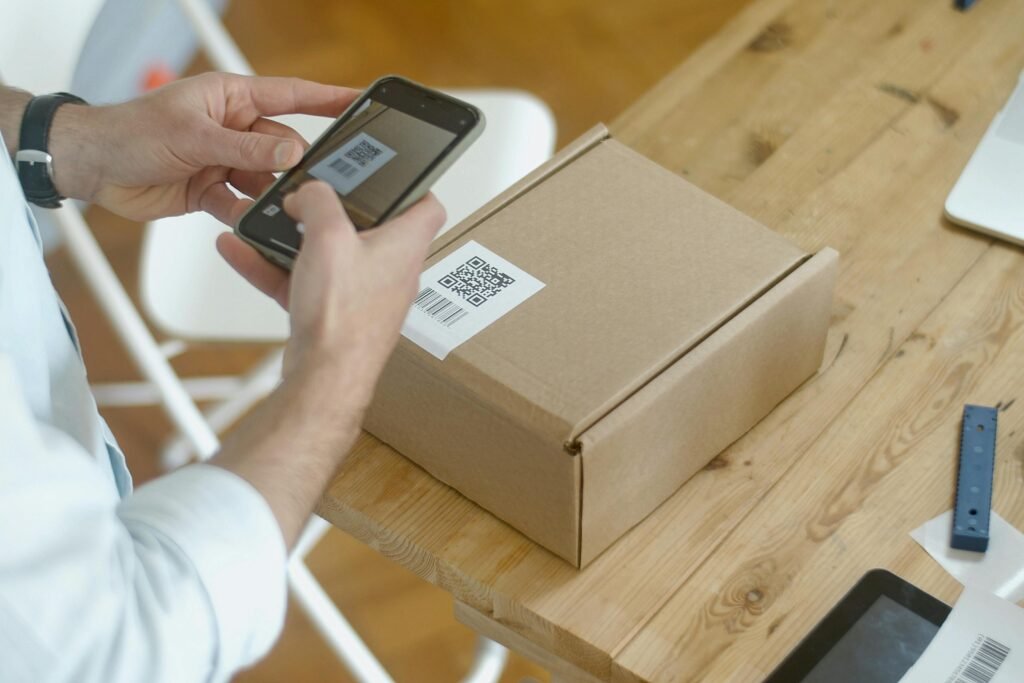
To achieve seamless integration, it is essential to understand the compatibility of these two technologies. Barcodes can serve as the entry point for data into the blockchain, with each scan capturing specific details such as product origin, shipment times, and changes in custody. By associating these data points with a unique blockchain entry, businesses can ensure that a verifiable history of the item is maintained, enhancing traceability throughout its lifecycle.
However, there are technical considerations that must be addressed during the implementation process. First, businesses need to decide on the type of blockchain, whether public or private, depending on their operational requirements. Additionally, the design of the barcode system should account for the amount of information that will be encoded and how it will be linked to the blockchain. Interoperability is also a crucial aspect, as existing barcode systems must be able to communicate with blockchain platforms effectively.
Moreover, organizations should consider potential scalability issues as their operations grow. The chosen blockchain solution should be capable of handling increasing volumes of scanned data without compromising speed or efficiency. Careful planning and strategic alignment of technology will pave the way for a successful integration of blockchain and barcode systems, ultimately delivering enhanced traceability and operational efficiency in the marketplace.
Benefits of Using Blockchain for Barcode Traceability
The integration of blockchain technology into barcode traceability offers several notable advantages that significantly enhance the management of supply chains. One of the key benefits is improved accuracy. With blockchain, each transaction is recorded in a tamper-proof ledger, ensuring that data related to the products and their barcodes is not only reliable but also timely. This level of precision is crucial for industries where real-time tracking and monitoring are vital, notably in the food and pharmaceutical sectors.
Another significant advantage is the reduction of fraud. Traditional barcode systems are susceptible to counterfeiting, which can have serious implications for both businesses and consumers. By leveraging blockchain technology, organizations can ensure that every product’s journey through the supply chain is transparently documented. Each scan of a barcode can be linked to a unique blockchain entry, making it exceedingly difficult for counterfeit products to enter the market undetected.
Enhanced security is also a crucial benefit derived from implementing blockchain for barcode traceability. The decentralized nature of blockchain means that no single entity controls the data, thereby reducing the risk of data manipulation or breaches. This security layer fosters increased trust among consumers, as they can be assured of the authenticity and safety of the products they purchase.
Furthermore, blockchain technology significantly improves data ownership. With traditional systems, data is often fragmented across various stakeholders, complicating access and control. Blockchain allows participants along the supply chain to maintain ownership of their data while sharing it securely, streamlining collaboration and efficiency.
Finally, the ability to verify the provenance of products is revolutionized by blockchain. Consumers increasingly demand transparency about the sources of their products, and blockchain enables companies to provide an unalterable record of a product’s origin, journey, and handling. Real-world applications, such as Walmart’s use of blockchain for tracing food products, highlight these benefits effectively. As such, businesses adopting blockchain for barcode traceability stand to gain a significant competitive edge.
Challenges and Limitations
Blockchain technology, while promising in enhancing barcode traceability, encounters various challenges and limitations that must be evaluated. One significant issue is scalability. Most existing blockchain solutions face difficulties in handling high transaction volumes, which can be particularly problematic in industries with a large number of products requiring traceability. The decentralized nature of blockchain often results in slower transaction speeds, which might not meet the rapid demands of inventory turnover and customer satisfaction.
Interoperability is another critical concern. For blockchain to be effective in barcode traceability, different systems and platforms must communicate with each other. However, many blockchain implementations operate in silos, creating barriers for seamless data exchange. This lack of interoperability can hinder the ability to trace products across various stakeholders, diminishing the overall effectiveness of a blockchain-based traceability solution.
Moreover, the initial setup costs associated with integrating blockchain into existing supply chain processes can be substantial. This includes investments in technology, training for employees, and alterations to current operational practices. Smaller businesses may find these costs prohibitive, limiting widespread adoption of blockchain technology in barcode traceability across the industry.
Lastly, the absence of industry-wide standards presents a formidable challenge. Without commonly accepted protocols, businesses could face difficulties in adopting blockchain solutions effectively. This lack of standardization can lead to fragmentation within the market, wherein different companies utilize varied blockchain systems with little compatibility. The development of unified standards is essential for promoting collaboration and facilitating the broader implementation of blockchain in traceability applications.
Case Studies: Blockchain and Barcode Traceability in Action
Several industries have begun to realize the potential of integrating blockchain technology with barcode traceability, paving the way for enhanced accountability and streamlined operations. One notable case study comes from the food supply chain sector, where a major food retailer faced challenges with food safety and traceability. The company struggled to trace products back to their origin in the event of contamination. To address this, they implemented a blockchain system that linked each product’s barcode with immutable records on the blockchain. As a result, the retailer could trace the source of any contaminated item in real time, significantly reducing the time taken for recalls and enhancing consumer confidence.
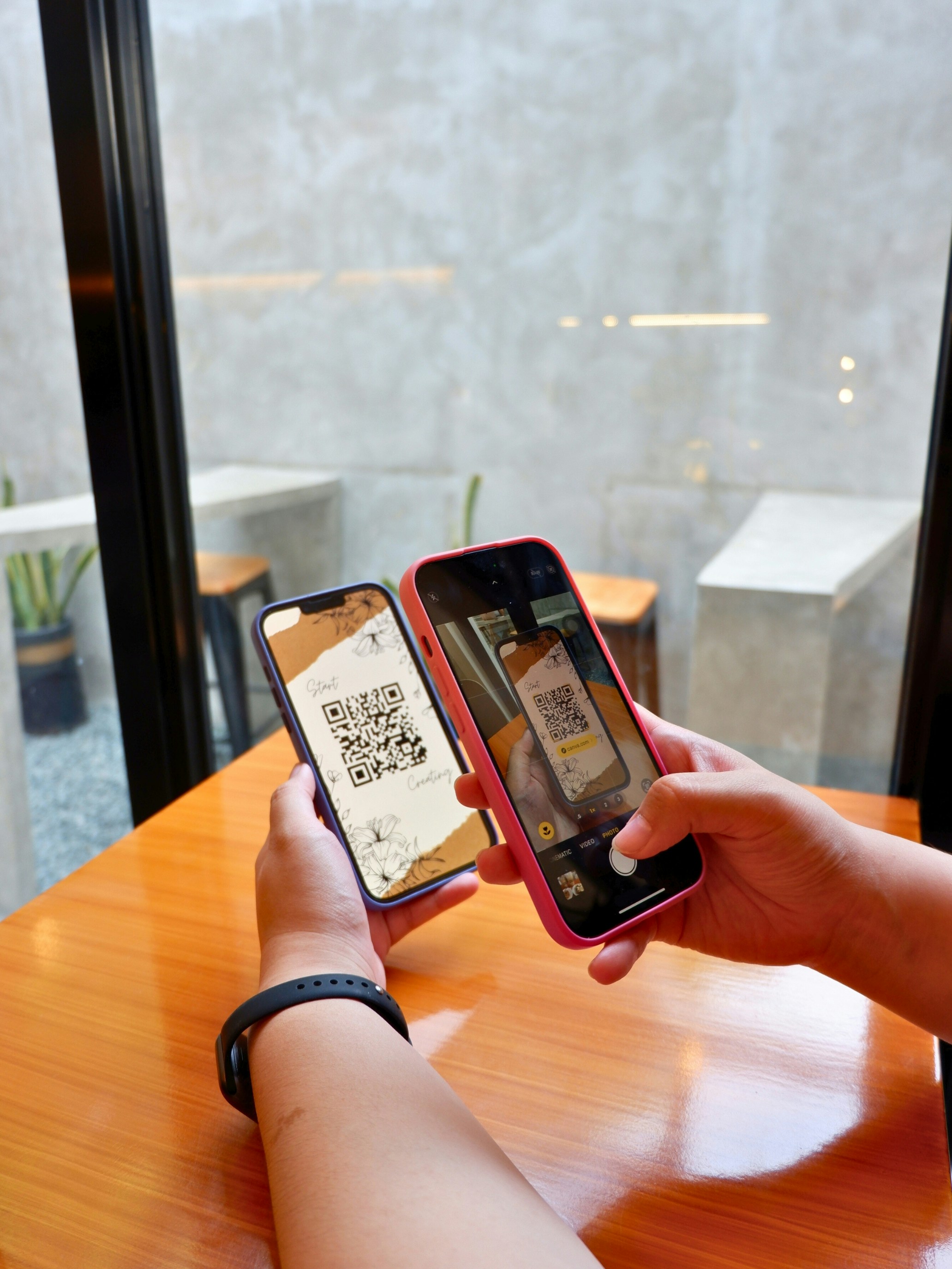
Another compelling example is found within the pharmaceutical industry, where counterfeit drugs pose a significant threat to consumer safety. A large pharmaceutical company adopted blockchain technology for its anti-counterfeiting measures. By printing unique barcodes on their products, each associated with a blockchain record, they ensured that every package’s provenance could be verified. Pharmacists and customers were able to scan barcodes to confirm the authenticity of medications. The outcome was a substantial decrease in counterfeit claims and increased transparency throughout the supply chain.
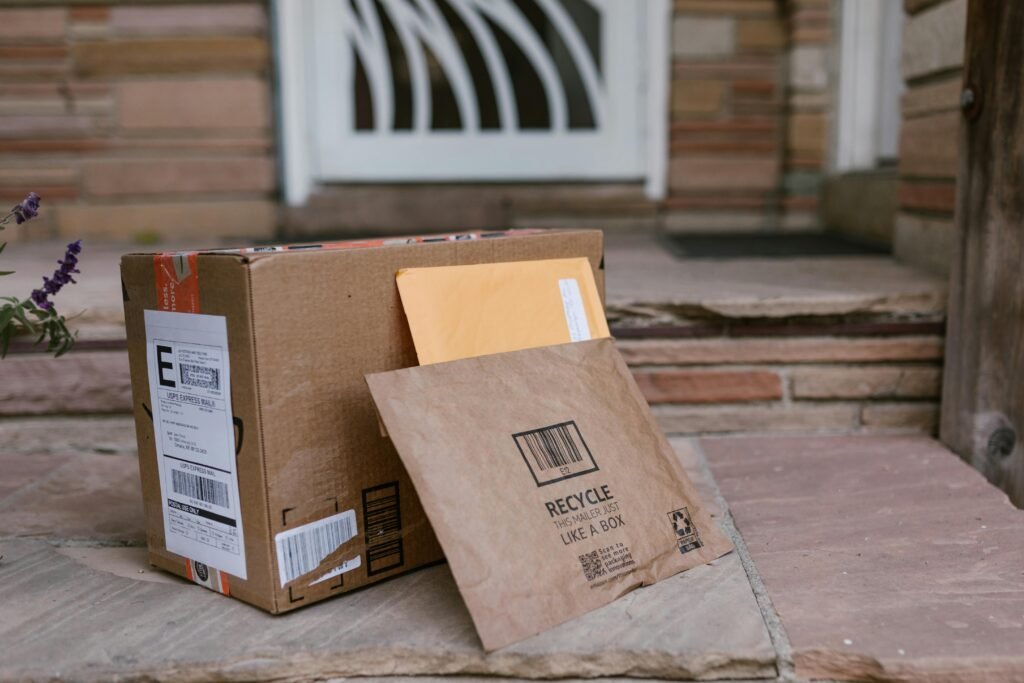
Additionally, the logistics sector has leveraged blockchain alongside barcode traceability to enhance shipment tracking. A major logistics firm faced difficulties managing the flow of goods across international borders, often losing track of shipments. By utilizing blockchain-enabled barcodes, they created a decentralized ledger that recorded every touchpoint of the shipping process. This integration allowed stakeholders to access real-time data about where a shipment was at any given time. Consequently, the company experienced improved delivery times and greater operational efficiency.
In these examples, the fusion of barcode technology with blockchain has demonstrated its transformative potential across various sectors, highlighting not only the technology’s practical implications but also its broader benefits in ensuring accountability and efficiency.
Future Trends in Barcode Traceability and Blockchain
As we look to the future, the interplay between barcode traceability and blockchain technology is poised to undergo significant transformations. One of the most noteworthy trends is the enhanced integration with the Internet of Things (IoT). As more devices become interconnected, the ability to capture and analyze data from barcodes in real-time is greatly improved. This integration not only streamlines operations but also fortifies traceability by ensuring that every scan is recorded on an immutable blockchain ledger. Consequently, organizations can maintain an accurate, transparent record of their products throughout the supply chain.
Another promising trend is the move toward increased standardization across different sectors. As industries adopt blockchain technology for traceability, the establishment of universal standards for barcode usage and data formats is necessary. This standardization will facilitate interoperability among varying systems, enabling seamless sharing of traceability information. The adoption of uniform protocols can enhance consumer trust and simplify regulatory compliance, ultimately resulting in improved supply chain efficiency.
Furthermore, the advent of artificial intelligence (AI) heralds new possibilities for smart traceability systems. AI can analyze massive volumes of data generated by barcodes and blockchain, deriving insightful patterns that traditional systems might overlook. By leveraging machine learning algorithms, organizations can forecast demand trends, manage inventory more effectively, and enhance overall operational efficiency. This sophisticated analysis paves the way for more responsive supply chains that can quickly adapt to changing market dynamics.
As technology evolves, the convergence of barcode traceability and blockchain will redefine supply chain management. With innovations such as increased IoT integration, standardization across sectors, and the application of AI, industries will likely experience enhanced transparency, security, and efficiency in tracking products throughout their lifecycle. These advancements not only mitigate risks but also foster a more responsible and accountable marketplace.
Implementing Blockchain for Enhanced Traceability: A Guide
Implementing blockchain technology to enhance barcode traceability is a multifaceted process that requires careful consideration and strategic planning. To begin with, businesses should conduct a thorough assessment of their current traceability systems and identify specific areas where blockchain could provide significant improvement. This evaluation will assist in determining the most suitable blockchain framework tailored to the organization’s needs, whether it is a public, private, or consortium model.
Following the assessment, selecting the right technology partners is crucial. Organizations should evaluate potential blockchain solutions based on scalability, security features, and compliance with industry regulations. Engaging with vendors who have a proven track record in implementing blockchain systems can help streamline the transition process and mitigate potential challenges.
Staff training is another essential aspect of a successful implementation. Employees at all levels must understand blockchain technology and how it specifically integrates with existing barcode traceability systems. Training sessions should aim to clarify how blockchain enhances data security, accuracy, and accessibility. Additionally, fostering a culture of innovation can encourage staff to embrace new technologies and approaches, effectively mitigating resistance to change.
Stakeholder engagement is equally important throughout the implementation process. Involving key stakeholders, such as suppliers, customers, and regulatory bodies, can facilitate a smoother transition and encourage collaboration. This collaboration ensures that all parties understand the benefits of blockchain technology and how it enhances traceability, as well as establishing shared objectives and expectations.
Finally, once the blockchain system is launched, continuous monitoring and evaluation are vital. Organizations should establish metrics to measure the effectiveness of the new system and its impact on overall traceability. Regular feedback loops can provide insights for necessary adjustments, ensuring that the system remains both effective and adaptable to future developments.
Conclusion and Call to Action
In summary, the integration of blockchain technology into barcode traceability presents a transformative opportunity for industries that rely heavily on supply chain management. Throughout this post, we have highlighted the fundamental attributes of blockchain, such as its decentralization, immutability, and transparency, which collectively enhance the existing capabilities of barcodes. By enabling real-time tracking and verification of products, blockchain can significantly reduce losses from fraud and counterfeiting, improve compliance with regulatory standards, and boost overall operational efficiency.
Moreover, the synergy between barcode systems and blockchain not only benefits organizations but also enhances customer trust and satisfaction. Customers increasingly demand transparency regarding the origin and journey of the products they purchase. When businesses implement blockchain technology alongside barcode traceability, they are better equipped to provide this information, thus fostering a more informed consumer base.
As we stand on the threshold of a digital transformation in supply chain processes, industry stakeholders are encouraged to invest in these technologies. Allocating resources towards the adoption of blockchain can yield substantial long-term benefits, including streamlined operations, enhanced security, and improved data integrity. Organizations are urged to assess their current systems and explore how integrating blockchain with barcode solutions can elevate their operational efficiency and customer engagement.
In order to remain competitive in an increasingly digital marketplace, businesses must not only embrace change but also lead it. Therefore, it is crucial for industry leaders and decision-makers to actively pursue partnerships with technology providers specializing in these innovative solutions. By doing so, they can ensure their operations are future-ready, resilient, and capable of meeting the demands of an evolving market landscape.
© barcodly.com- All rights reserved