
Introduction to Barcode Technology
Barcode technology represents a systematic method for encoding data in a visual, machine-readable format. Typically consisting of a series of parallel lines or geometric shapes, barcodes allow for the effortless encoding of information that can be quickly scanned and processed. Various types of barcodes exist, including but not limited to QR codes, Universal Product Code (UPC) barcodes, and Code 128. Each type of barcode serves distinct purposes and finds applications across diverse industries.
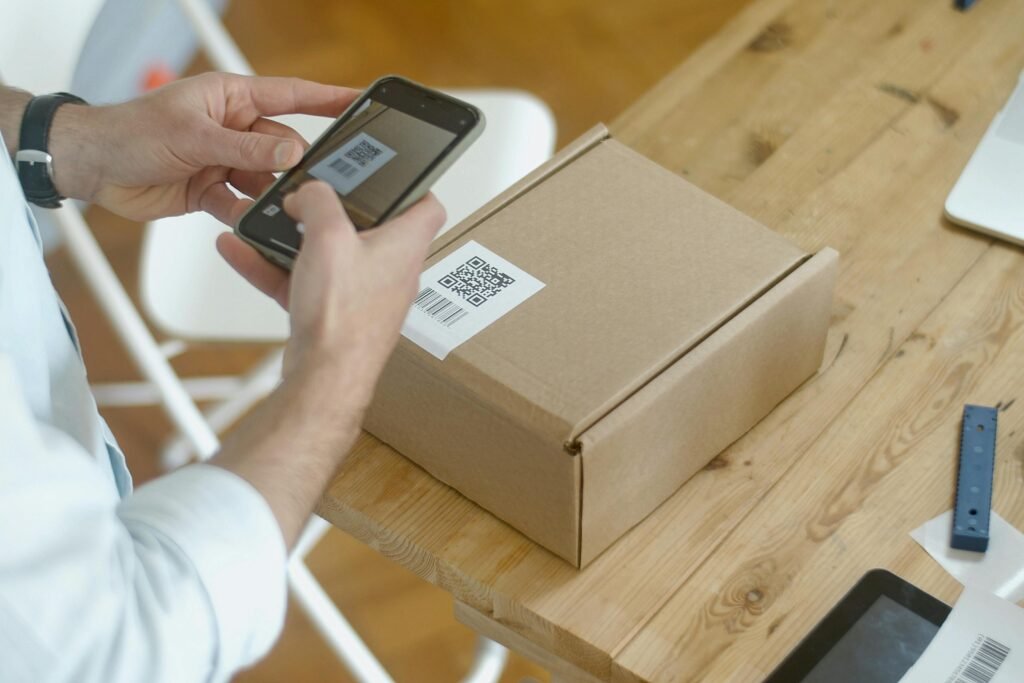
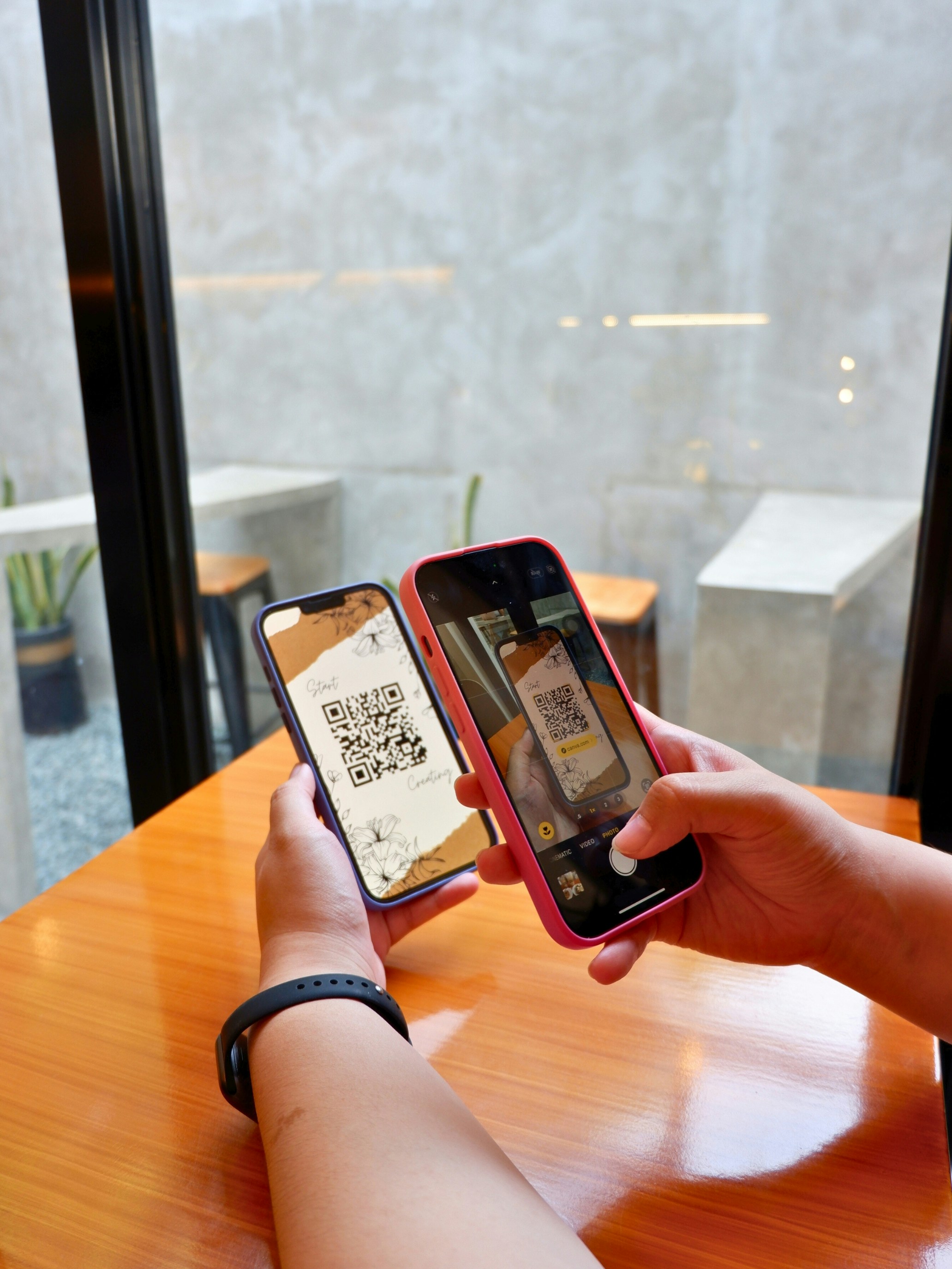
QR codes (Quick Response codes) are two-dimensional barcodes that can store a substantial amount of information, making them particularly beneficial for marketing and user engagement initiatives. They can provide users with instant access to websites, promotional offers, or detailed product information when scanned using a smartphone camera.
On the other hand, UPC barcodes are predominantly used in retail settings. These barcodes ensure that products can be easily scanned at points of sale, facilitating efficient transaction processes and inventory management. UPC barcodes encode basic product information that is vital for tracking sales, managing stock levels, and enhancing the overall consumer experience.
Code 128, known for its ability to encode alphanumeric characters, is widely utilized in shipping and logistics. Its compact design maximizes the amount of information contained within a limited space, making it ideal for labeling items in warehouses or transit packaging.
The significance of barcodes transcends mere identification or pricing. They play a critical role in inventory management, allowing businesses to track products from manufacturing to distribution. By automating data entry and minimizing human errors, barcode systems contribute to more efficient operations, ensuring that businesses can maintain accurate records and satisfy customer demands promptly. As technology continues to evolve, the applications of barcode systems are expanding, further solidifying their status as indispensable tools in numerous sectors.
Open-source barcode libraries offer a multitude of benefits that can significantly enhance the development process for software creators. One of the primary advantages is cost-effectiveness. Unlike proprietary software that often requires a hefty license fee, open-source solutions allow developers to leverage robust barcode functionality without incurring substantial financial costs. This aspect is particularly advantageous for startups and independent developers who may operate with limited budgets.
Furthermore, the inherent flexibility for customization available in open-source barcode libraries stands out as a major benefit. Developers can modify the source code to tailor the functionality to meet specific project requirements, allowing for unique implementations that proprietary software may not support. This malleability facilitates innovation and can lead to the development of specialized applications that stand out in a competitive market.
Community support is another significant advantage of utilizing open-source libraries. A thriving community often surrounds these libraries, providing a wealth of resources including documentation, forums, and examples. Developers can seek assistance, exchange ideas, and contribute improvements, fostering a collaborative environment that enhances the overall quality of the libraries. This community-driven approach not only leads to quicker troubleshooting but also sparks continual improvement through collective development efforts.
Rapid deployment is also a key factor when considering open-source barcode libraries. With readily available resources and examples, developers can quickly integrate barcode functionality into their applications. This contrasts with proprietary options which may involve lengthy training periods or complex installation processes. For instance, developers have successfully utilized open-source libraries such as ZXing and Barcode4J in various projects, slashing development time and accelerating go-to-market strategies. In summary, the benefits of cost-effectiveness, customization, community support, and quick deployment make open-source barcode libraries an attractive choice for developers across the industry.
Popular Open-Source Barcode Libraries
Open-source barcode libraries provide developers with the tools to implement barcode generation and recognition functionalities in their applications. Among the plethora of available libraries, three stand out due to their widespread use and robust feature sets: ZXing, ZBar, and Barcode4J.
ZXing, short for “Zebra Crossing,” is a widely adopted open-source library known for its versatility in supporting various barcode formats, including QR Codes, Code 39, and UPC. Written primarily in Java, ZXing also offers ports in other languages such as C++ and Python. One of its notable features is the ability to easily integrate it within Android applications, making it particularly popular for mobile development.
ZBar is another prominent library that provides barcode reading capabilities, particularly for 1D and 2D barcodes, including QR Codes and EANs. ZBar is written in C and offers bindings for Python, Perl, and other programming languages. Its adaptability allows it to work not only on Android and iOS platforms but also on Linux and Windows systems. The library is especially noted for its ability to process images from a variety of sources such as cameras and image files.
Barcode4J is a flexible library for generating barcodes that supports multiple formats like Code 128, EAN-8, and Code 39. It is primarily designed for Java applications and can produce output in various formats such as PNG, SVG, and PDF. Barcode4J is highly customizable, enabling developers to adjust layout, color, and size settings according to the needs of their projects. This flexibility makes it suitable for both web and desktop applications.
Each of these libraries offers unique advantages, addressing different development needs and programming languages. As developers explore open-source barcode libraries, the choice often depends on specific project requirements and platform compatibility.
Choosing the Right Barcode Library for Your Project
Selecting an appropriate barcode library is a crucial step in the development process, influencing both the functionality and efficiency of your application. When evaluating various barcode libraries, several key factors should be taken into account to ensure that your choice aligns with the specific requirements of your project.
The first aspect to consider is the ease of use. A user-friendly library can significantly enhance development speed and reduce the learning curve associated with barcode generation and scanning. Look for libraries that provide simple APIs and clear examples that facilitate quick implementation.
Next, assess the quality of the documentation. Comprehensive documentation is essential for understanding the full capabilities of the library and troubleshooting issues that may arise during development. A well-documented library provides not only installation guides but also detailed instructions on usage and common pitfalls to avoid.
Performance is another critical factor. Benchmarks measuring the speed and accuracy of barcode generation and scanning should be reviewed. Libraries that perform well under various conditions and handle large datasets efficiently will greatly impact the overall user experience. Conducting tests with realistic data can provide insights into potential performance bottlenecks.
Additionally, consider the maintenance status of the library. An actively maintained barcode library is more likely to receive updates, bug fixes, and new features that keep pace with technological advancements. Check the library’s repository for the frequency of commits, responsiveness of the maintainers, and the occurrence of unresolved issues.
By evaluating these key factors—ease of use, documentation quality, performance benchmarks, and library maintenance status—you can make a more informed decision, ensuring that the chosen barcode library meets the demands of your project effectively.
Integrating Barcode Libraries into Your Applications
Integrating open-source barcode libraries into your software applications is a straightforward process that can enhance functionality significantly. Effective implementation hinges upon a few essential steps that, when followed, streamline integration across various programming languages. The first step typically involves selecting an appropriate library that aligns with your project requirements. Popular options include ZXing (Zebra Crossing) and ZBar, both of which provide robust support for different barcode formats.
Once a library is selected, the next step is to incorporate it into your development environment. For instance, in Java, including ZXing can be accomplished through a simple Maven dependency:
<dependency> <groupId>com.google.zxing</groupId> <artifactId>core</artifactId> <version>3.4.1</version></dependency>In Python, you might use the pip installer to add a relevant library, like so:
pip install pyzbarAfter successful integration, developers typically need to familiarize themselves with the library’s API. Most libraries offer comprehensive documentation, providing examples and usage patterns that are invaluable when trying to generate or decode barcodes.
However, certain pitfalls may arise during integration. For example, ensuring that dependencies are aligned is crucial; a mismatch can lead to runtime errors. Additionally, setting appropriate permissions for reading camera input, when utilizing a mobile device camera, must be managed correctly to avoid functional issues.
Finally, troubleshooting is an essential aspect of the integration process. Common issues may include decoding errors, which may often stem from poor image quality. To resolve this, implement pre-processing techniques to enhance the barcode image prior to decoding. Engaging with community forums dedicated to your chosen library can also yield helpful insights and solutions. By adhering to these guidelines and practices, developers can effectively integrate barcode libraries and enhance their applications with barcode scanning capabilities.
Case Studies of Open-Source Barcode Library Usage
In recent years, open-source barcode libraries have gained traction across various industries, enabling developers to implement efficient barcode scanning solutions tailored to their specific needs. The success stories from diverse sectors, such as retail, healthcare, and logistics, showcase the impact of these libraries on operational efficiency and cost savings.
One prominent example comes from the retail sector, where a well-known grocery chain adopted the ZXing library to streamline inventory management. By integrating this open-source barcode library, the company significantly enhanced its stock-taking processes, reducing the time required for inventory audits by nearly 50%. The use of ZXing allowed staff to quickly scan products using handheld devices, eliminating the need for manual entries and minimizing the errors associated with human input. This transition not only improved efficiency but also led to substantial reductions in labor costs.
In healthcare, a hospital implemented the Barcode4J library to improve medication administration safety. By utilizing this open-source solution, healthcare professionals could accurately track medications prescribed to patients at every stage of treatment. The implementation of barcodes increased drug administration efficiency, reduced the instances of medication errors, and ensured compliance with patient safety requirements. The hospital reported a 30% decrease in adverse drug events, exemplifying how an open-source barcode library can enhance healthcare outcomes.
Another case in the logistics industry illustrated the efficiency gains from using the GNU Barcode library for package tracking. A major freight company integrated this open-source library into their logistics management system, enabling real-time tracking of parcels using barcode scanning. This implementation resulted in a 25% improvement in shipping accuracy and a significant reduction in lost packages, ultimately enhancing customer satisfaction and optimizing operational costs.
The above examples illustrate how open-source barcode libraries can transform operational protocols in various sectors. By leveraging these tools, organizations can not only enhance their efficiency but also achieve substantial cost reductions, showcasing the long-term benefits of adopting open-source solutions.
Future Trends in Barcode Technology and Open Source
The landscape of barcode technology is rapidly evolving, influenced by advancements in scanning capabilities that are reshaping how businesses and consumers interact with products. One significant trend is the increasing integration of barcode scanning within mobile and web applications. As smartphones become ubiquitous, the capability to utilize their built-in cameras for scanning barcodes offers a seamless user experience. This shift not only enhances efficiency in inventory management but also improves customer engagement by providing instant access to product information and promotions directly through their devices.
Moreover, the rise of Augmented Reality (AR) holds promising potential for expanding barcode applications. AR technologies can enable users to visualize product details and other valuable information in real-time through their smartphones or AR glasses. For instance, a user can scan a barcode and immediately see 3D models or additional data about a product, altering how consumers make purchasing decisions and interact with brands. This convergence of barcode technology and AR presents an innovative way to engage customers and enrich their shopping experience.
Open-source barcode libraries play a crucial role in these advancements, fostering collaboration among developers who can contribute to and enhance existing tools for scanning and creating barcodes. As new features and capabilities arise, open-source projects allow for swift adaptation to user needs and technology trends, ensuring that developers are equipped with the latest tools to meet market demands. The flexibility of open-source solutions not only accelerates development cycles but encourages creativity in integrating barcodes with emerging technologies.
As the industry progresses, staying abreast of these future trends in barcode technology will be essential for developers. Embracing innovations and open-source solutions will empower the creation of more dynamic and responsive applications, ultimately reshaping how barcodes are utilized across various sectors.
Community and Support Resources for Developers
As developers delve into the world of open-source barcode libraries, finding robust community support and resources is crucial for successful implementation and troubleshooting. Numerous platforms serve as excellent venues for developers to seek assistance, share knowledge, and engage with like-minded individuals. One of the first places to consider is GitHub. It not only hosts a vast array of open-source barcode libraries but also encourages community contributions and discussions. Developers can explore various repositories, understand the issues faced by others, and interact with contributors through GitHub’s issue tracking and pull request systems.
Another valuable resource is Stack Overflow, a question-and-answer platform that covers a wide range of programming topics. Developers can post specific questions regarding open-source barcode libraries and receive assistance from seasoned programmers. Engaging with the community on Stack Overflow helps in clarifying doubts and learning from real-world experiences shared by peers.
Additionally, online forums dedicated to programming and software development, such as Reddit’s programming community and Dev.to, are excellent places for information exchange. These platforms foster discussions about open-source tools, including barcode libraries, and provide a space for developers to share tutorials, tips, and project experiences.
Social media platforms also play a pivotal role in connecting developers. Joining groups on Facebook or LinkedIn that focus on barcode technology can lead to fruitful discussions and collaborations. Twitter, with its active developer community, can be useful for following key influencers and receiving updates on new tools and libraries.
In conclusion, accessing community support and resources is an essential aspect of working with open-source barcode libraries. By leveraging platforms like GitHub, Stack Overflow, and dedicated forums, developers can enhance their knowledge and tackle challenges effectively.
Conclusion and Final Thoughts
Open-source barcode libraries play a crucial role in the modern software development landscape, offering developers cost-effective and flexible solutions for incorporating barcode functionalities into their applications. These libraries not only provide an extensive range of features but also foster collaboration and innovation by allowing developers to contribute to the collective knowledge base. By utilizing open-source barcode libraries, developers can focus more on enhancing user experience and less on reinventing the wheel.
The significant advantages of open-source solutions include the accessibility of source code, which allows for customization tailored to specific project needs. This adaptability is essential in an era where personalized customer interactions can greatly influence business success. Furthermore, open-source barcode libraries are often supported by a community of active contributors who continually improve the codebase, fix bugs, and expand functionalities, enriching the developer experience.
For software developers, investing time in exploring reputable open-source barcode libraries can lead to enhanced project efficiency. Not only do these libraries simplify complex tasks, but they also empower developers to integrate cutting-edge technologies into their work without incurring hefty licensing fees. It is vital for developers to familiarize themselves with the various open-source barcode libraries available, evaluate their capabilities, and select the ones that align with their project requirements.
As technology continues to evolve, so does the significance of robust, efficient, and scalable barcode solutions within applications. Thus, taking advantage of open-source barcode libraries can be a game-changer in application development, propelling both personal and organizational growth. We encourage developers to assess and experiment with these invaluable resources to elevate their projects and drive innovation in their respective fields.
© barcodly.com- All rights reserved