Introduction to Augmented Reality and Barcodes
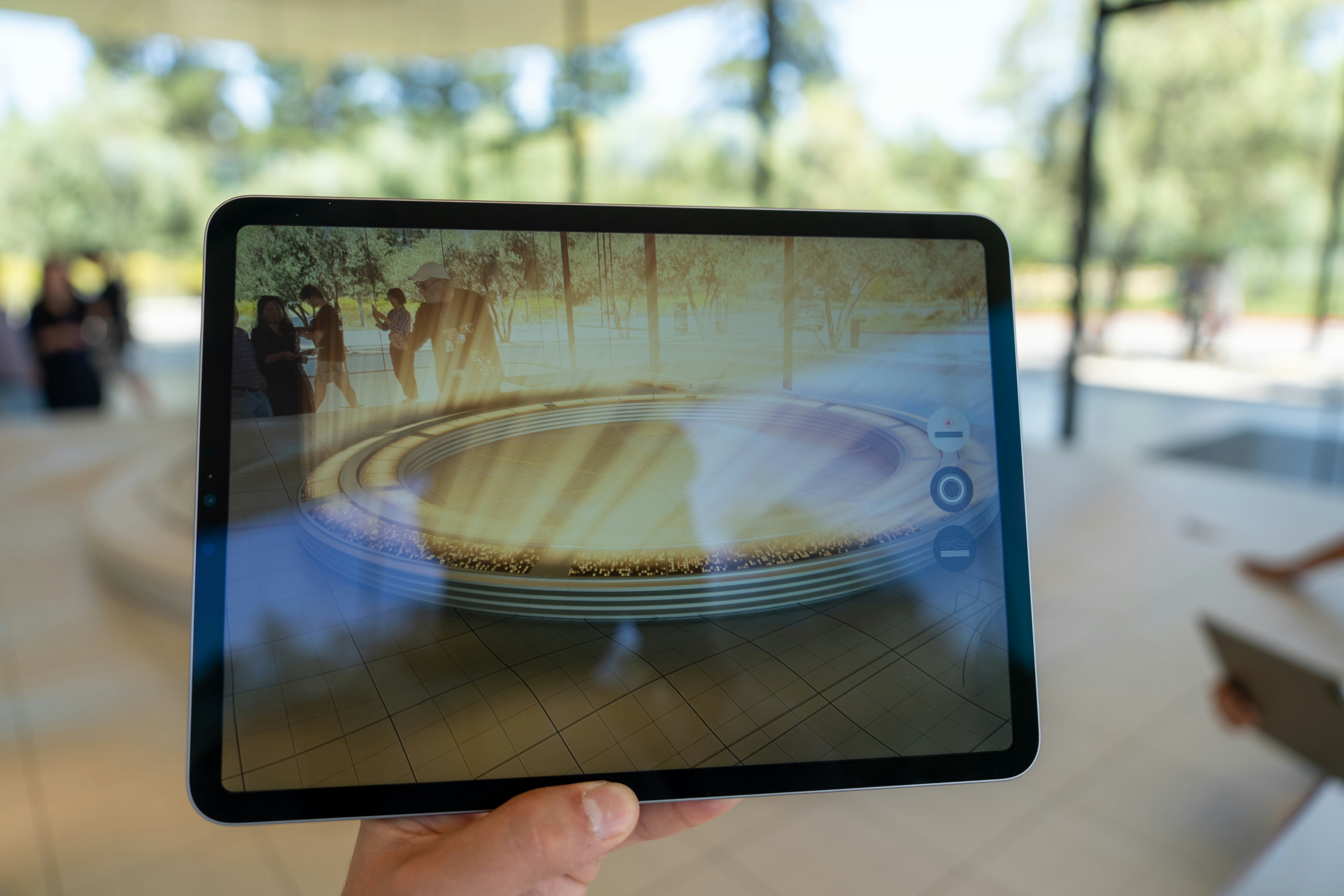
Augmented reality (AR) is a transformative technology that overlays digital information onto the real world, enhancing the user’s interaction with their surrounding environment. This integration of physical and digital elements has found applications across various sectors, including education, entertainment, and retail. By using devices such as smartphones, tablets, or AR glasses, users can visualize virtual objects coexisting with their physical space, resulting in an enriched experience that promotes engagement and interactivity.
The concept of AR gained traction in the early 1990s, but it saw significant advances with the proliferation of smartphones and the development of sophisticated software. These advancements have made AR more accessible, leading to innovative applications, such as interactive gaming and virtual try-on solutions in retail. Today, industries are recognizing the potential of AR to enhance consumer experiences, streamline processes, and provide valuable information on demand.
Barcodes, on the other hand, are a method for encoding information in a visual format, typically in the form of a series of parallel lines and spaces. Invented in the late 1940s, barcodes were initially developed for the efficient tracking of products in warehouses. Their use expanded significantly with the introduction of the Universal Product Code (UPC) in the 1970s. These codes facilitate automatic identification and data capture, making them essential in various industries, particularly in retail and logistics.
The development of barcodes laid the groundwork for the application of augmented reality, as it provides a means of inputting valuable information into AR systems. When scanned, barcodes can trigger AR experiences that overlay dynamic content related to the product or service, ultimately enhancing the consumer’s decision-making process. As technology continues to evolve, the integration of barcodes and AR presents significant opportunities for the future, fostering new ways to engage with products and services.
Understanding Barcodes: Types and Functionality
Barcodes serve as a vital component in various industries, utilizing distinct patterns of parallel lines or squares that encode data essential for identification and tracking. The most notable types of barcodes include QR codes, UPC codes, and Code 128, each serving specific applications.
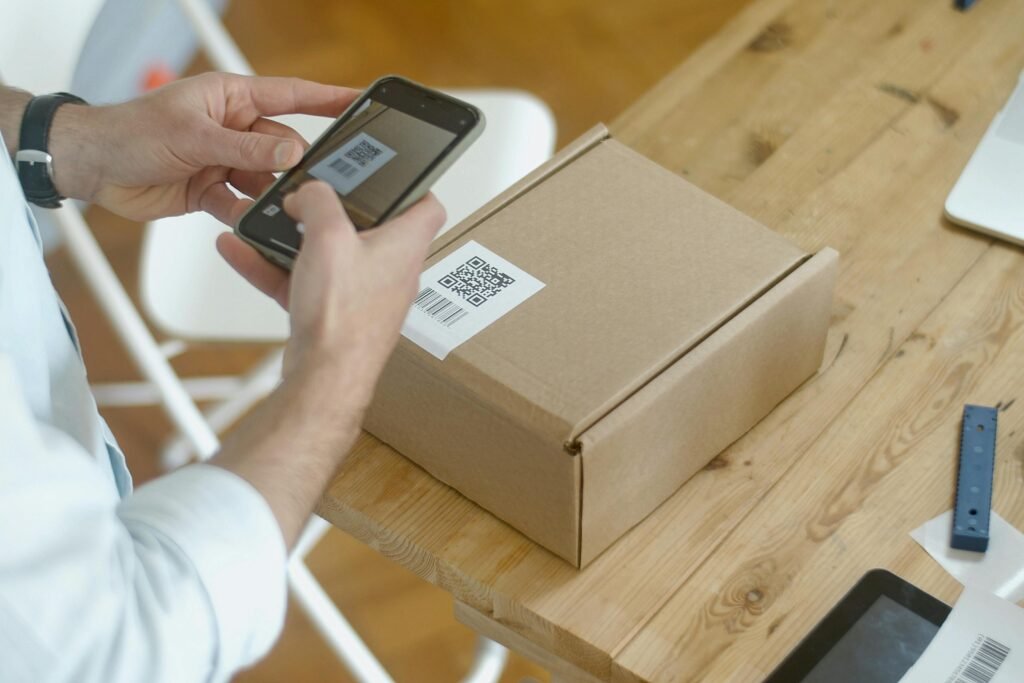
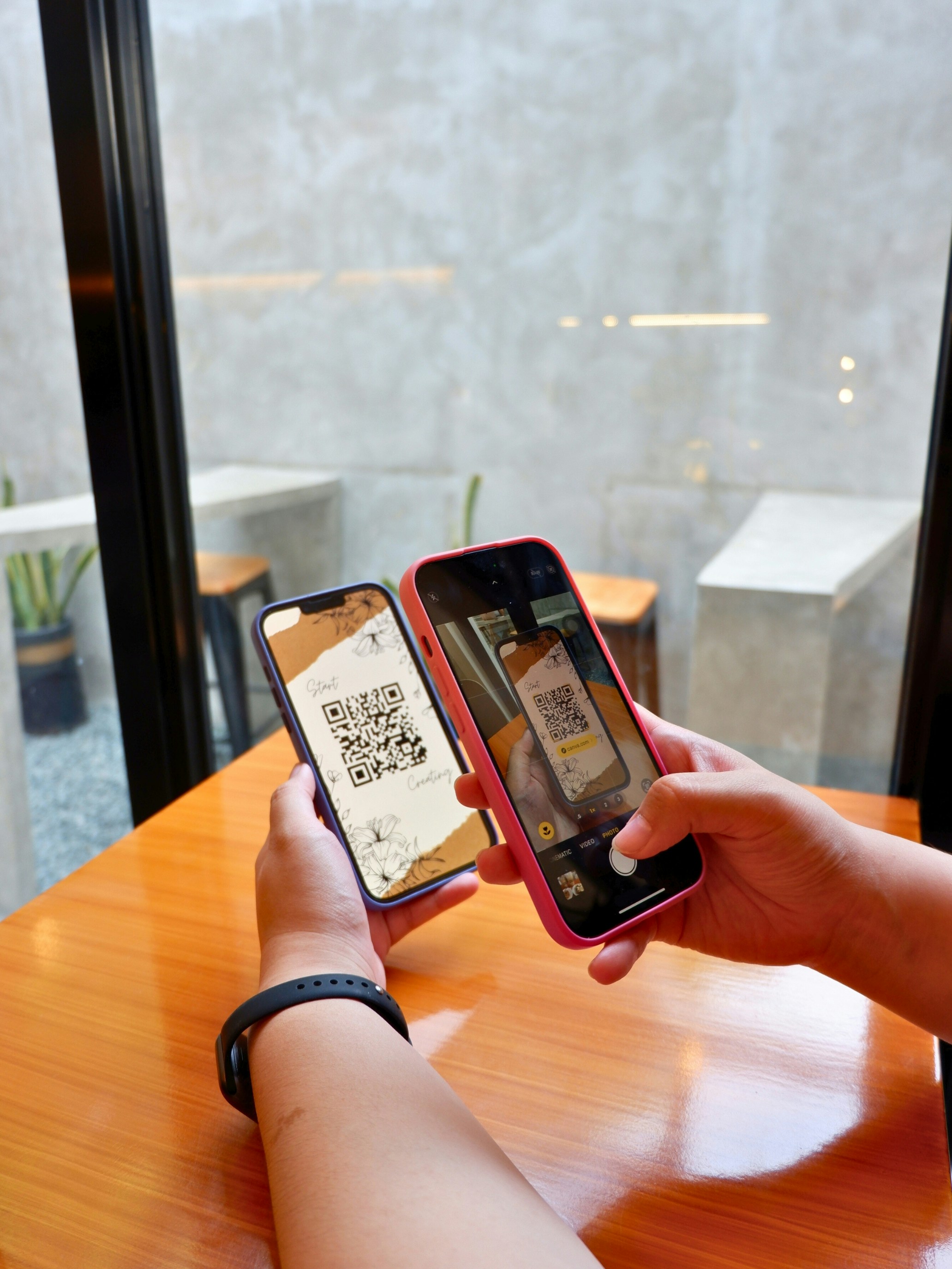
QR codes, or Quick Response codes, are two-dimensional barcodes that can store a significant amount of data, including URLs, text, or contact information. Their functionality is particularly advantageous in marketing and promotional campaigns, allowing users to engage directly with digital content by scanning them with smartphones. Commonly displayed on product packaging or advertisements, QR codes bridge the gap between the physical and digital worlds, enabling users to access websites or promotional materials instantly.
The Universal Product Code (UPC) is perhaps the most recognized one-dimensional barcode format, predominantly used for retail goods. The UPC consists of a series of vertical bars and represents a unique identifier for products sold in stores. Retailers utilize UPC codes during the checkout process to efficiently manage inventory and track sales data. Their simplicity and effectiveness in inventory control have made UPCs a staple in retail business operations.
Another significant type of barcode is Code 128, which allows for the encoding of alphanumeric characters, making it versatile for various applications, from shipping labels to product identification. Its compact design and ability to hold substantial data make it suitable in settings where space is limited, significantly enhancing operational efficiency.
In summary, understanding the various types of barcodes—QR codes, UPC codes, and Code 128—provides insight into their functionalities. Each type serves unique purposes, from facilitating marketing efforts to streamlining retail processes, paving the way for innovative applications, particularly in conjunction with augmented reality (AR) technologies.
How Augmented Reality Utilizes Barcodes
Augmented Reality (AR) technology has emerged as a transformative force in various industries, significantly enhancing user experiences by integrating digital content with the physical world. A vital component of this integration is the utilization of barcodes, which serve as essential data-carrying tools. By scanning a barcode with a mobile device or other AR-enabled equipment, users can access a wealth of information immediately, tailored to their needs.
In AR applications, barcodes act as triggers that activate specific digital overlays or experiences. When a barcode is scanned, the AR system decodes the information encoded within it—such as product details, historical data, or multimedia content—and presents it in an engaging format. This can include 3D visualizations, videos, or detailed descriptions that enrich the user’s understanding of the object or service being scanned. Consequently, AR leverages barcodes not only for identification but also as a gateway to immersive interactions.
For example, in retail, customers can scan barcodes on products to access augmented experiences that showcase additional features, customer reviews, or even interactive advertisements. This not only enhances the shopping experience but also helps in guiding consumers through their purchasing decisions. Educational institutions have also adopted this technology, using barcodes to enrich learning materials with supplementary content, such as lecture notes or video demonstrations, enhancing the educational experience.
As AR technology continues to evolve, the reliance on barcodes as a means of bridging the virtual and physical realms is expected to grow. The seamless integration of these two technologies has the potential to redefine user interactions across various sectors, providing significant value in terms of information delivery and enhanced engagement.
Benefits of Using Barcodes in Augmented Reality
The integration of barcodes with augmented reality (AR) technology presents a variety of benefits across multiple industries. One of the most significant advantages is the increased engagement achieved through interactive experiences. By scanning barcodes with AR applications, users can unlock dynamic content, enabling brands to bring their products to life. This immersive interaction captivates audiences, fostering a deeper connection between the consumer and the brand.
Enhancing customer experiences is another critical benefit. When consumers scan barcodes, they can receive personalized information about products or services, making their shopping experience more informative and enjoyable. This tailored approach can lead to higher customer satisfaction rates, ultimately resulting in improved loyalty and retention rates, as customers are more likely to return to brands that provide them with meaningful experiences.
Moreover, the accuracy of data collection improves significantly with the use of barcodes in AR. Barcodes allow for quick and reliable scanning of products, which can minimize human error in inventory management and sales tracking. This precise data collection not only streamlines operations but also provides businesses with valuable insights into customer behavior and inventory levels, aiding in more informed decision-making processes.
Streamlined processes are also a prominent benefit of combining barcodes with augmented reality. Businesses can harness this technology to enhance operational efficiencies in various areas, including supply chain management and retail. For instance, AR applications can assist employees in locating products in warehouses or provide instant information on stock levels through barcode scanning, significantly reducing time and labor costs.
Real-World Applications of Barcodes in Augmented Reality
Barcodes have become an integral part of modern technology, and their integration with augmented reality (AR) has unlocked new possibilities across various industries. In retail, for instance, many stores now employ AR applications that utilize barcodes to enhance the shopping experience. Customers can scan product barcodes using their smartphones, which then display informative overlays such as product details, nutritional information, or promotional offers. This immersive experience not only facilitates informed purchasing decisions but also helps retailers engage customers more effectively.
In the hospitality sector, AR-powered applications are transforming how guests interact with their surroundings. Hotels can implement systems where guests use their devices to scan barcodes located throughout the property. This can provide information about amenities, room service options, or even local attractions, simplifying the customer journey and improving satisfaction. By merging traditional barcodes with AR technology, hospitality businesses can create a unique experience while streamlining operations.
Manufacturing is another sector where the synergy between barcodes and AR is proving beneficial. Workers can utilize AR glasses or mobile devices to scan barcodes and receive real-time visual instructions for assembly or repair tasks. This functionality reduces errors and enhances efficiency by providing immediate access to critical information. The ability to overlay step-by-step guidance directly onto the physical workspace represents a significant advancement in operational capabilities.
Lastly, in logistics, barcodes combined with AR technology aid in inventory management and tracking shipments. By scanning barcodes on products or packages, logistics personnel can view their location and status through AR interfaces. This capability enhances accuracy and improves workflow management, enabling companies to streamline operations and reduce delays.
Challenges and Limitations
The integration of barcodes with augmented reality (AR) presents a variety of challenges and limitations that must be addressed to fully harness the potential of this technology. One of the primary technological hurdles lies in the reliability and accuracy of barcode scanning. Environmental factors such as lighting conditions, the quality of the printed barcode, and the angle at which the barcode is viewed can significantly impact the device’s ability to read the barcode effectively. These issues can lead to misreads or total failure to scan, detracting from the user experience.
User adoption is another significant concern. Despite the growing popularity of AR applications, many users remain hesitant to adopt technologies that require interaction with physical barcodes. This reluctance can be attributed to a lack of awareness about the benefits of such integration, as well as hesitation towards embracing new technologies. Moreover, for widespread implementation, user education and training are vital to ensure that individuals understand how to leverage this technology efficiently.
Privacy issues also pose a considerable limitation in the use of barcodes and AR. As users engage with augmented reality systems, there is the potential for data collection and tracking of user behavior, which can raise concerns regarding personal privacy. The ambiguity surrounding data usage can deter users from embracing barcode-enhanced AR experiences, as they may fear their private information could be misused or inadequately protected.
In conclusion, while the pairing of barcodes and augmented reality holds remarkable potential, various challenges and limitations must be recognized and addressed. These include overcoming technological barriers, ensuring user acceptance, and tackling privacy concerns to facilitate widespread and effective implementation of this innovative technology.
Future Trends in Barcodes and Augmented Reality
The convergence of barcodes and augmented reality (AR) technology is set to deliver transformative experiences across multiple industries. As technology continues to evolve, barcodes are expected to undergo significant advancements, enhancing their functionality and versatility. One prominent trend is the integration of dynamic barcodes that can adjust their content in real time. This adaptability allows companies to present updated information directly to consumers via their AR-enabled devices. For instance, a retail store might use AR to display promotional offers or product details when a customer scans a dynamic barcode with their smartphone.
In addition, improvements in optical recognition technology are anticipated, making barcode scanning faster and more accurate. With the integration of AR, users will experience seamless interactions as they can visually interact with digital data overlaid on physical products. This amalgamation will facilitate immersive shopping experiences, where customers can not only receive information but also interact with virtual elements, such as 3D models of products.
Another trend is the potential for widespread adoption in the healthcare sector. AR, combined with advanced barcoding systems, can enhance patient care by ensuring accurate medication administration and improving the tracking of medical equipment. Medical professionals can benefit from visualized information relayed through AR when scanning barcodes on medication packaging, which can help prevent errors while providing critical context such as dosage or side effects.
Furthermore, as more industries explore the capabilities of AR, barcodes may evolve beyond their traditional forms. Innovations such as QR codes, which allow for more extensive data storage, could become commonplace in AR applications. The future implies a more integrated approach where barcodes not only serve as tools for identification but as gateways to rich, interactive experiences, driving engagement and enhancing operational efficiency.
Integrating Barcodes in Your Augmented Reality Solutions
Integrating barcodes into augmented reality (AR) solutions can significantly enhance user interaction, streamline operations, and provide valuable data insights for businesses. To effectively incorporate barcodes into AR applications, it is essential to follow best practices and utilize the appropriate tools.
First, assess the specific needs of your application. Identify how barcodes can provide value, whether it be through inventory management, product information delivery, or facilitating user engagement. Once the application’s objective is clear, select the type of barcode that best suits your needs, such as QR codes, UPCs, or DataMatrix codes. Each barcode type offers unique advantages and should align with your target audience’s accessibility.
Next, utilize development frameworks that facilitate AR and barcode integration. Tools such as Vuforia, ARKit, and ARCore are widely recognized for their capabilities in developing AR applications and can simplify the coding process. Moreover, these frameworks often come with built-in functionalities to scan and interpret barcodes, thus reducing development time and complexity.
When integrating barcodes into your AR solution, consider the user experience. Ensure that the barcode scanning functionality is intuitive. AR markers within the application should direct users clearly on where to focus their devices, enhancing the scanning process. Additionally, providing immediate feedback to users after scanning a barcode will create a seamless interactive experience.
Lastly, thorough testing is vital to ensure that the integration of barcodes works across various devices and operating systems. Collect feedback from end-users to identify any potential issues or improvements. By focusing on these steps, businesses can successfully incorporate barcodes into their augmented reality solutions, maximizing both functionality and user engagement.
Conclusion
The interplay between barcodes and augmented reality (AR) represents a transformative advancement that is reshaping various industries and enhancing user experiences. As highlighted throughout this blog post, the integration of barcodes with AR technology offers numerous benefits, including improved product information accessibility, enhanced marketing strategies, and streamlined operational processes.
Barcodes serve as an efficient method of encoding information, enabling instant retrieval of detailed content when paired with AR applications. This fusion not only enhances consumer engagement but also facilitates educational tools, providing users with interactive insights into products and services.
Furthermore, as technology continues to evolve, the potential for further innovation in the field of barcodes and augmented reality remains significant. Businesses are encouraged to explore how this synergy can be leveraged to create unique customer experiences that stand apart from the competition. By combining real-world product data with digitally-enhanced features, companies can offer consumers a more informed and immersive purchasing process.
In essence, the collaboration between barcodes and augmented reality opens avenues for new applications that can drive efficiency, promote engagement, and sustain competitiveness in an ever-evolving marketplace. Stakeholders must remain informed about these advancements and consider integrating such technologies into their strategies to maximize growth and enhance user satisfaction.
© barcodly.com- All rights reserved