
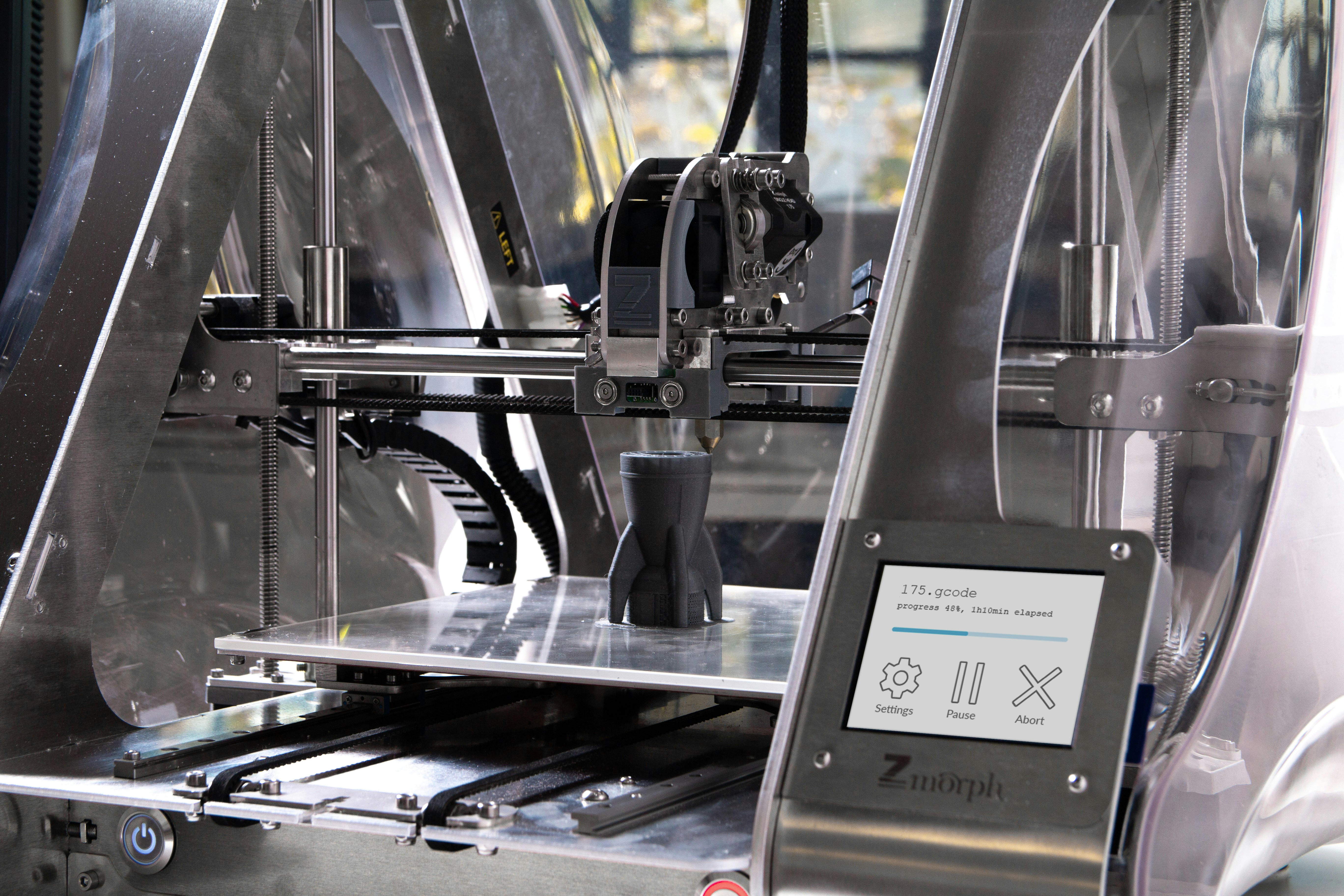
Introduction to 3D Printing and Prototyping
3D printing, also known as additive manufacturing, refers to the process of creating three-dimensional objects from a digital file. This technology has significantly transformed modern manufacturing, enabling rapid prototyping, customization, and cost reduction across various industries. By allowing designers to fabricate parts layer by layer, 3D printing has opened avenues for innovation previously deemed impractical or prohibitively expensive.
There are several prominent types of 3D printing processes, each with unique characteristics and applications. Fused deposition modeling (FDM) is one of the most widely recognized methods, involving the extrusion of thermoplastic filaments to create objects. Another significant process is stereolithography (SLA), which utilizes photopolymerization to solidify liquid resin into the desired form. Selective laser sintering (SLS) employs powdered materials, fusing them through a laser to produce robust prototypes.
The significance of 3D printing in manufacturing cannot be overstated. It allows for rapid prototyping, which significantly reduces the time required to bring a product from concept to market. This capability supports iterative design processes, whereby prototypes can be quickly modified based on testing and feedback. Moreover, the technology facilitates mass customization, empowering companies to tailor products to individual customer specifications without escalating production costs.
By streamlining the prototyping process and minimizing material waste, 3D printing contributes to sustainable manufacturing practices. As a result, industries ranging from aerospace to healthcare are increasingly adopting these innovative manufacturing techniques to enhance efficiency and reduce their environmental footprint. In conclusion, the integration of 3D printing in modern manufacturing signifies a paradigm shift, marking a transition towards more agile and sustainable production methods.
Understanding Barcodes: Types and Functions
Barcodes are graphical representations of data that utilize a sequence of parallel lines and spaces of varying widths, while also incorporating patterns of dots and shapes. The inception of barcodes dates back to the late 1940s, when they were initially developed to address the challenges associated with inventory management in retail settings. Over the decades, the technology has evolved significantly, leading to widespread adoption in various sectors, including healthcare, logistics, and manufacturing.
There are several types of barcodes in use today, each designed to serve specific purposes and functionality. The most common types include:
- 1D Barcodes: These are the traditional barcodes made up of vertical bars and spaces, representing numerical data. They are often found in retail for scanning items during checkout.
- 2D Barcodes: Unlike their 1D counterparts, these barcodes store data both horizontally and vertically, allowing for a significant increase in data capacity. QR codes are a prevalent example of 2D barcodes, widely used in marketing and advertising.
- Matrix Codes: Similar to 2D barcodes, matrix codes utilize geometric patterns to encode information, often utilized in industrial applications for tracking and identification.
- RFID Tags: While not traditional barcodes in the sense of printed lines, RFID (Radio Frequency Identification) tags serve similar functions by offering a contactless method for scanning and tracking items.
The primary functions of barcodes are centered around improving operational efficiency by enabling automated data capture in various processes. They facilitate inventory management by providing accurate item tracking, which reduces errors and enhances stock control. Additionally, barcodes play a crucial role in logistics, ensuring that products are accounted for throughout the supply chain. By enabling seamless tracking and management, barcodes contribute substantially to decision-making processes and overall productivity across industries.
The Role of Barcodes in 3D Printing Processes
The integration of barcodes in 3D printing processes plays a crucial role in enhancing efficiency and accuracy throughout the production workflow. The use of barcodes facilitates the tracking of print jobs right from the pre-production phase to the final output. By assigning a unique barcode to each job, operators can easily monitor progress and identify any potential issues that may arise during the printing process.
Moreover, barcodes are instrumental in ensuring that the correct materials are utilized for each print job. In 3D printing, the appropriate material selection can significantly affect the quality and durability of the printed objects. When materials are labeled with barcodes, they can be scanned to verify compatibility with the specific print job, thereby reducing the likelihood of errors associated with incorrect material usage, which could lead to waste and time delays.
Additionally, utilizing barcodes enables real-time monitoring of the production process. As items are printed, barcodes can be scanned to provide instant feedback on various parameters, such as print speed, layer adhesion, and material consumption. This data aids in optimizing workflows and helps in identifying areas for improvement within the production line. Consequently, managers can make informed decisions based on the data collected through barcoded tracking, ultimately leading to enhanced operational efficiency. By integrating barcodes into 3D printing, businesses can achieve better resource management and streamline their production processes, paving the way for more reliable and high-quality outputs.
Benefits of Using Barcodes in Prototyping
The integration of barcodes in the prototyping phase significantly enhances various aspects of product development. One of the primary benefits includes improved traceability. By assigning a unique barcode to each prototype, designers and engineers can track revisions, versions, and changes throughout the prototyping lifecycle. This traceability facilitates clear communication among team members and ensures that everyone is working on the most current version, reducing confusion and potential errors connected to outdated designs.
Another advantage of utilizing barcodes is the enhancement of data management processes. Barcodes can be linked to a centralized database that holds critical information such as specifications, materials used, and project timelines. When designers and engineers can access detailed, organized data at their fingertips, they can make informed decisions more efficiently. This ensures that every phase of the prototyping process is well-documented and easily retrievable, leading to increased accountability and streamlined procedures.
Furthermore, barcodes play a vital role in reducing errors during the prototyping phase. Automation of data entry through barcode scanning minimizes the risk of human error commonly associated with manual input. Consequently, any discrepancies in specifications or materials can be identified promptly, allowing for swift corrective actions. This not only saves time but also resources, enables a faster turnaround, and leads to better design outcomes. Teams can focus on optimizing their prototypes rather than grappling with avoidable mistakes.
Ultimately, the use of barcodes in prototyping fosters improved design outcomes and more efficient prototyping cycles. By enhancing traceability, data management, and accuracy, teams are empowered to innovate and deliver high-quality products that meet the demands of today’s competitive markets.
Case Studies: Successful Barcode Integration in 3D Printing
In recent years, several companies have successfully integrated barcode technology into their 3D printing and prototyping processes, demonstrating enhanced efficiency and quality control. One notable example is XYZ Corp, a leader in custom 3D-printed components for the automotive industry. Prior to barcode integration, XYZ Corp faced significant challenges in tracking the individual parts produced in their printing cycles. The introduction of barcode labels enabled them to monitor the status of each part throughout the printing process. By scanning barcodes at various production stages, they minimized errors and improved traceability, leading to a 30% reduction in production delays.
Another case is ABC Industries, which specializes in rapid prototyping for consumer electronics. The company initially struggled with inventory management and oversight of multiple prototypes in development simultaneously. To address this, they implemented a barcode system that assigned unique codes to each prototype. This solution provided real-time inventory updates and facilitated better communication among teams. As a result, ABC Industries reported a 25% increase in overall efficiency, with shorter lead times and enhanced prototype management.
A third example, Innovative Designs Ltd, focused on integrating barcode technology in their production line for medical devices. Due to stringent regulatory requirements, maintaining accurate records was critical. By embedding barcodes into their 3D printing process, they streamlined compliance with industry regulations. Each device produced was instantly logged, and quality inspections could be efficiently carried out through barcode scans. This proactive approach not only ensured compliance but also resulted in a 20% improvement in product quality, alongside reduced costs associated with manual record-keeping.
These case studies demonstrate the tangible benefits of integrating barcode technology into 3D printing processes. By addressing unique challenges, companies achieved notable improvements in efficiency, quality assurance, and compliance, ultimately laying a robust foundation for future innovations.
Challenges and Limitations of Barcode Usage in 3D Printing
The integration of barcodes into the realm of 3D printing presents several challenges and limitations that warrant careful consideration. One of the primary issues centers around barcode scanning accuracy. Given that 3D printed objects can have complex geometries and varying surface textures, ensuring reliable scanning becomes a significant task. Barcodes may become obscured or damaged during the printing process, impacting their readability and thus challenging the efficiency of any integrated tracking systems.
Another notable challenge is the necessity for a robust data management system. As 3D printing technology continues to evolve, the volume of data generated increases exponentially. Efficiently managing this data while integrating it with barcode systems can be a daunting task. The lack of established protocols for handling this data complicates the overall process, making it crucial for manufacturers to develop or adopt comprehensive data management solutions that can accommodate the complexities associated with integrating barcodes.
Furthermore, the integration of barcodes with existing technologies in 3D printing poses its own set of limitations. Many traditional 3D printing systems may not be equipped to support barcode technology seamlessly, necessitating significant investments in software and hardware upgrades. This need for compatibility may result in further delays during the implementation phase, as organizations must bridge the gap between their current systems and new barcode integration technologies.
Lastly, training staff on how to effectively utilize barcode systems within the context of 3D printing operations is another barrier. Employees will require education on both the technical aspects of barcode scanning and the best practices for data management and integration with current workflows. Addressing these challenges is essential for businesses looking to harness the potential benefits of barcode technology in their 3D printing applications and enhancing overall operational efficiency.
Future Trends: Barcodes and 3D Printing Technology
The integration of barcodes into 3D printing technology is evolving rapidly, with several emerging trends set to revolutionize the manufacturing and prototyping landscape. One notable advancement is the development of smart barcodes, which can store substantial amounts of data and provide real-time updates about a product’s specifications and history. These smart barcodes leverage advances in data storage technology and could significantly improve tracking capabilities throughout a product’s lifecycle, from initial design to end-user delivery.
Another significant trend is the incorporation of Radio Frequency Identification (RFID) technology into 3D printing processes. RFID tags can be embedded within printed products, enabling manufacturers to instantly retrieve data regarding material composition, production methods, and even the geographic location of each unit. This integration enhances operational efficiency, ensuring that stakeholders have access to crucial information without the need for manual scans or checks.
Moreover, as 3D printing continues to advance, the use of augmented reality in conjunction with barcodes is gaining traction. This technology allows users to visualize data associated with a 3D printed object simply by scanning its barcode with a mobile device. This seamless data integration not only enhances user experience but also facilitates quicker decision-making in prototyping and manufacturing processes.
The synergy between barcodes and 3D printing technology holds great potential for improving quality control measures. Enhanced tracking through barcodes can minimize errors and ensure that every item produced meets strict quality standards. As industries continue to embrace these technologies, operational efficiencies and product quality are expected to reach new heights, thereby contributing to a more robust and responsive manufacturing ecosystem.
Implementation Strategies for Barcodes in 3D Printing
The integration of barcode technology in 3D printing operations is pivotal for enhancing workflow efficiency, traceability, and quality control. To successfully implement barcode systems, organizations must first select the appropriate type of barcode technology that aligns with their specific operational needs. Common barcode technologies include 1D barcodes and 2D QR codes, with the latter offering more information storage capabilities. For instance, selecting QR codes can enhance data capacity, thereby allowing for detailed product information to be stored and easily accessed.
Next, the choice of hardware is essential. Selecting high-quality barcode scanners and printers ensures that the barcode labels produced are accurate and easy to read. Handheld scanners may be effective for small-scale operations, while stationary scanners can streamline processes in larger automated settings. Additionally, it is vital to consider compatibility with existing 3D printing systems. Ensuring that the barcode scanners and printing hardware can be seamlessly integrated into the existing workflow will foster a smoother transition to a barcode-enabled environment.
Furthermore, staff training must be a priority during the implementation phase. Adequate training ensures that employees are proficient in the use of barcode scanning devices and software. Training sessions should focus on the operational workflows involving barcodes, such as how to scan products at different stages of the printing process, and how to troubleshoot common issues related to barcode recognition. Developing comprehensive training materials and hands-on practice opportunities will enhance employee confidence, ultimately maximizing the utility of barcode technology in 3D printing operations. By taking these practical steps, organizations can leverage barcode systems to enhance accuracy, efficiency, and traceability in their 3D printing and prototyping processes.
Conclusion and Final Thoughts
Throughout this discussion, we have explored the significant role that barcodes play in enhancing the efficiency of 3D printing and prototyping. The integration of barcode technology offers a streamlined approach to managing the production workflow, improving both traceability and quality control. By embedding barcodes within the 3D printing processes, manufacturers can easily track components, monitor machine performance, and ensure that every prototype meets the required specifications.
One of the main advantages of incorporating barcodes is the reduction of human error during the manufacturing process. As prototypes are printed, the ability to scan and identify materials and design files in real-time ensures that any potential discrepancies are addressed promptly. This capability significantly contributes to minimizing waste and optimizing resources, which is critical in today’s competitive environment.
Furthermore, as we move towards more automated manufacturing ecosystems, leveraging barcode technology will become increasingly valuable. It facilitates seamless integration with existing software systems and allows for better data management practices, ultimately leading to improved production efficiency. Such advancements highlight the necessity for companies engaged in 3D printing to consider the application of barcode solutions.
In light of these benefits, we encourage readers to evaluate how barcode technology can be adapted within their own manufacturing or prototyping environments. Initiating this technology’s integration may pave the way for enhanced operational efficiency and ensure that businesses remain at the forefront of innovation. Embracing barcodes can greatly assist in meeting industry demands while achieving a higher standard of production quality.
© barcodly.com- All rights reserved


