Introduction to Barcodes
Barcodes are graphic representations of data that can be scanned and interpreted by machines. Originating in the early 20th century, the concept of barcodes was first developed to streamline the process of inventory management. The initial barcode was a simple design, consisting of alternating lines that represented numbers, which could be read by optical devices. Over the decades, barcodes have evolved significantly, leading to the sophisticated systems we utilize today.
The framework of modern barcodes is based on principles of optical scanning technology. A barcode comprises black and white lines where each sequence encodes specific information, such as product identifiers or pricing details. Scanners read these graphic representations using a laser or camera, translating the patterns into meaningful data. The most common types of barcodes include Universal Product Codes (UPCs), QR codes, and Code 128, each serving unique purposes across various industries.
Barcodes are predominantly utilized in retail for tracking inventory and sales, enhancing efficiency within supply chains. They enable quick access to product information and facilitate automatic updates to stock levels. Beyond retail, barcodes are employed across sectors such as healthcare, logistics, and marketing. In healthcare, they play a critical role in patient management and medication tracking, ensuring accuracy in treatment protocols. Logistics industries leverage barcodes for the tracking of shipments and managing warehouse inventories.
With the advent of smartphones and tablets, barcodes have seen a resurgence as individuals now have the ability to scan codes with their devices. This has expanded their reach far beyond traditional business environments, making barcodes part of daily life. As technology evolves, so too will the applications and forms of barcodes, solidifying their presence as vital tools in modern society.
Types of Barcodes Used in Mobile Gadgets
Barcodes have evolved significantly over the years, adapting to various technologies and applications across mobile gadgets such as smartphones and tablets. Among the most prevalent types of barcodes, QR codes, UPC codes, and Data Matrix codes stand out due to their distinct features and widespread use.
QR codes, or Quick Response codes, are two-dimensional barcodes that can store a plethora of information. They can encode URLs, text, and contact details, making them ideal for quick access to content via mobile devices. Consumers frequently encounter QR codes in advertisements, product packaging, and even in menus at restaurants. Their ability to be scanned by mobile gadgets seamlessly has made them a popular tool for marketing and contactless transactions.
Next, the Universal Product Code (UPC) serves as a one-dimensional bar code primarily used to identify products in retail environments. Traditionally printed on product packaging, UPC codes enable efficient inventory management and checkout processes by providing unique identifiers for various items. When shoppers scan these codes using mobile devices, it often provides them with pricing information and product details, enhancing their shopping experience.
Lastly, Data Matrix codes represent another form of two-dimensional barcode, which is smaller than QR codes and can hold substantial information in a compact form. These codes are frequently used in logistics and industrial applications due to their high data capacity and resilience to damage. Consumers may encounter Data Matrix codes on electronics and packaging, particularly in the pharmaceutical and aerospace industries for tracking and identification purposes.
In summary, the primary types of barcodes utilized in mobile gadgets encompass QR codes, UPC codes, and Data Matrix codes. Each type has distinct applications and features, enhancing user experiences in various scenarios ranging from retail to logistics.
How to Scan Barcodes with Mobile Devices
In the modern landscape of digital technology, scanning barcodes with mobile devices such as smartphones and tablets has become a common task for users across various sectors. There are multiple methods available for effective barcode scanning, making it accessible for everyone. Most smartphones today come with built-in camera capabilities that effectively read various barcode formats, including QR codes and traditional retail barcodes.
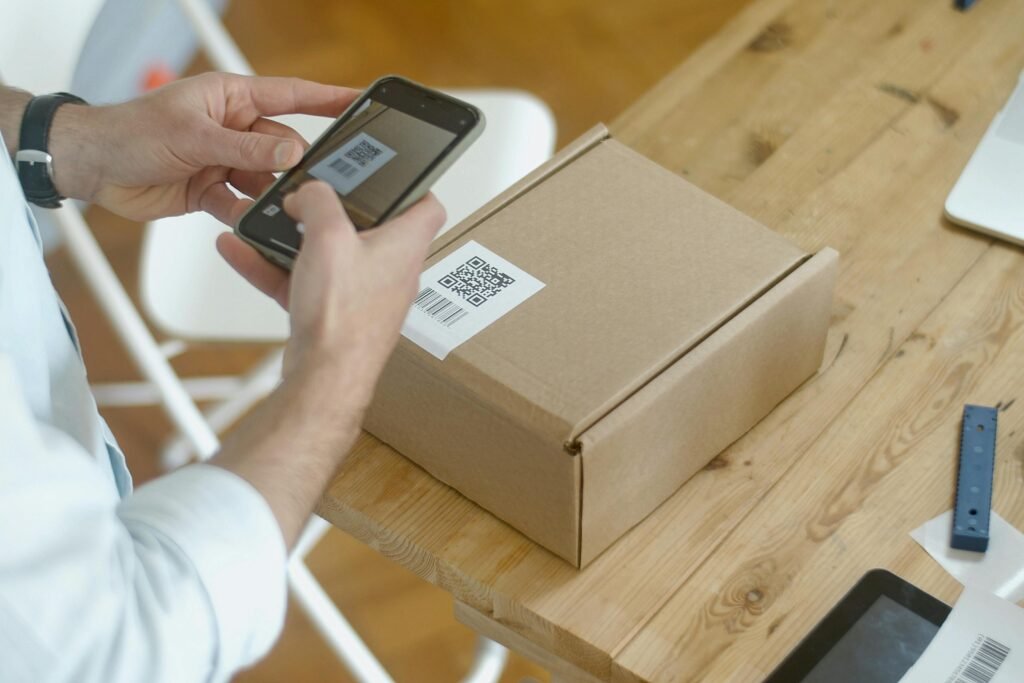
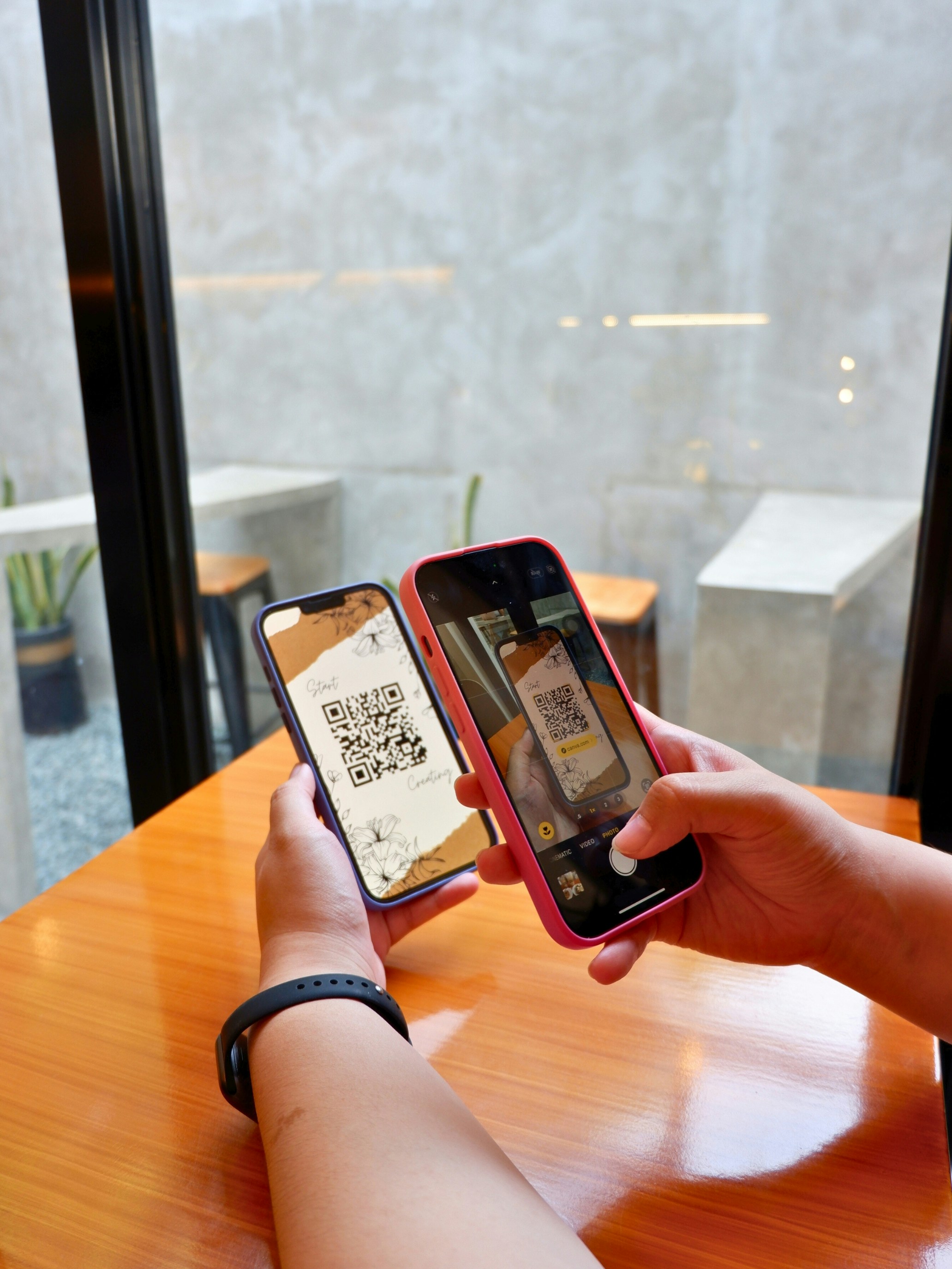
To utilize the camera for scanning, users can simply open their device’s camera app and point it at the barcode. Many devices automatically recognize the barcode and prompt the user with relevant actions, such as opening a website or showing product information. However, for enhanced functionality, several apps are specifically designed for barcode scanning. Popular apps like Barcode Scanner, QR Code Reader, and similar applications can be downloaded from app stores and often provide additional features, such as keeping a history of scanned items and offering cross-referencing with product databases.
For users looking for a step-by-step guide to scanning barcodes effectively, the following instructions can be useful:
- Start by ensuring that the camera lens is clean for optimal scanning quality.
- Open the camera app or the barcode scanning application you have installed.
- Align the barcode within the frame of the camera view. This is typically indicated by a box or a set of guidelines on the screen.
- Hold the device steady until the barcode is recognized; some apps will provide a beep or vibration to confirm a successful scan.
- Follow any prompts that appear on the screen, such as visiting a webpage or viewing product details.
Additionally, users can explore advanced tools like Bluetooth-connected barcode scanners for bulk scanning in retail or inventory management scenarios, which can streamline processes and improve efficiency.
Practical Uses of Barcodes in Everyday Life
Barcodes have become an integral part of modern life, significantly influencing various daily activities and enhancing efficiency across diverse sectors. One of the most prominent applications of barcodes is in retail shopping. Customers often encounter barcodes on products, which allow for rapid scanning at checkout. This technology minimizes human error and expedites the buying process, significantly reducing wait times. As a result, barcodes streamline the checkout experience, benefiting both consumers and retailers alike.
In addition to retail, barcodes serve a vital role in ticketing systems. Events, from concerts to sports matches, utilize barcodes to facilitate entry. When attendees purchase tickets online, they typically receive a digital barcode, which can be scanned upon arrival. This practice not only enhances security but also simplifies the access process. The use of barcodes in ticketing ensures that the entry process is efficient, reducing congestion at venues and providing a seamless experience for patrons.
Furthermore, barcodes have made significant strides in payment systems. Mobile payment applications, such as Apple Pay and Google Wallet, utilize barcodes to allow transactions to occur via scanned codes. This method provides a contactless and convenient way for consumers to make purchases. Businesses that adopt barcode payment solutions can expect to enhance customer satisfaction while optimizing their payment processing systems.
In essence, the practical applications of barcodes in everyday life extend beyond merely being a tool for transaction efficiency. They play a crucial role in enhancing customer experience, improving security at events, and driving innovation in payment systems. As technology continues to evolve, the presence and functionality of barcodes will likely expand further, reinforcing their relevance in contemporary society.
Barcodes in Retail and Inventory Management
In recent years, the use of barcodes in retail and inventory management has become increasingly prevalent. These small, scannable codes have revolutionized how businesses track inventory and sales, enabling a more efficient approach to stock management. By adopting barcode systems, retailers are able to streamline their operations and improve overall accuracy in their inventory processes.
One of the primary benefits of employing barcodes is the significant enhancement in inventory accuracy. Barcode scanning reduces human error, which is often a critical factor in mistaken stock counts. Manual entry of stock items often leads to discrepancies, potentially resulting in overstocks or shortages that can affect customer satisfaction and profitability. By utilizing barcode technology, retailers can ensure their inventory records reflect the actual stock available, thereby optimizing order management and replenishment processes.
Moreover, real-time data access is another distinct advantage offered by barcode systems. With the integration of barcodes into inventory management systems, retailers can instantly update stock levels whenever items are scanned during sale or restocking. This capability allows businesses to respond quickly to changing consumer demands and ensures that they maintain appropriate stock levels across various locations. The ability to monitor inventory in real time also supports better decision-making when it comes to purchasing and stocking strategies.
Additionally, RFID and barcode scanning technologies can drastically reduce the time spent on stocktaking. This efficiency not only minimizes labor costs but also allows employees to focus on other critical tasks that enhance customer service. By prioritizing automation through barcode systems, retailers can effectively manage their inventory while offering a seamless shopping experience for their customers. Overall, the integration of barcodes in retail and inventory management has become a cornerstone for businesses aiming to boost accuracy and efficiency in their operations.
The Role of Barcodes in Marketing and Promotions
In the contemporary digital landscape, barcodes, particularly QR codes, have emerged as pivotal tools in marketing strategies for businesses. These codes offer a unique opportunity to bridge the gap between physical products and digital content. When integrated effectively into marketing campaigns, barcodes enhance customer engagement, provide instantaneous access to promotional material, and drive significant online traffic to brands.
One of the primary advantages of employing barcodes such as QR codes in marketing is their ability to direct consumers to customized landing pages. For instance, businesses can encode their QR codes to link to limited-time promotions, product demonstrations, or customer feedback surveys. This seamless interaction not only enriches the consumer experience but also incentivizes the customer to engage actively with the brand.
Several case studies illustrate the effective implementation of barcodes in promotional strategies. A noteworthy example is a leading beverage company that incorporated QR codes on its packaging. When scanned, customers were directed to an interactive platform featuring games, promotional offers, and exclusive content. This initiative not only boosted customer engagement but also significantly increased product sales during the promotional campaign.
Moreover, barcodes can facilitate tracking and analytics, allowing businesses to gauge customer behaviors and preferences effectively. According to a report, companies utilizing QR codes in their strategies witnessed a marked increase in click-through rates, showcasing the codes’ effectiveness in attracting customer interest. By monitoring these interactions, businesses can refine their marketing efforts and create more targeted campaigns.
Ultimately, the integration of barcodes into marketing strategies symbolizes a growing trend towards synergy between digital and physical experiences, empowering businesses to connect with consumers in unprecedented ways. As technology continues to evolve, the potential applications of barcodes in marketing will likely expand, leading to more innovative promotional strategies and enhanced customer relationships.
Security and Privacy Concerns with Barcodes
As the use of barcodes on smartphones, tablets, and various gadgets has proliferated, so have the associated security and privacy concerns. Barcodes can be susceptible to exploitation by malicious actors, leading to significant implications for users and businesses alike. One primary concern is data breaches, which can occur when users scan unverified barcodes that redirect them to harmful websites or applications. These compromised barcodes can potentially capture sensitive information, including personal and financial data, thereby posing serious risks to privacy.
Furthermore, the rise of counterfeit products has intensified the importance of recognizing legitimate barcodes. Unscrupulous sellers often exploit consumers’ trust by employing forged barcodes that mimic those of authentic brands. This leads to cases of fraud where unsuspecting customers purchase inferior or unsafe products while believing they are acquiring genuine items. Ensuring that the barcode on a product aligns with the brand’s official marks can greatly reduce the risk of encountering counterfeit goods.
When scanning barcodes, users should take certain precautions to protect themselves from potential threats. Firstly, it is advisable to only scan barcodes from trusted sources. Labels on well-known products, reputable retailers, or established establishments can generally be considered reliable. Additionally, users can install applications that help verify the authenticity of scanned barcodes, as many of these tools provide details about the product’s legitimacy and origin.
As technology continues to evolve, so too does the need for awareness regarding security and privacy. Users are encouraged to stay informed about the latest threats associated with barcode scanning and to adopt practices that enhance their safety in digital environments. By remaining vigilant and employing a cautious approach, individuals can harness the convenience offered by barcodes without compromising their security or privacy.
Future Trends in Barcode Technology
The evolution of barcode technology is poised to undergo significant transformations driven by innovations across various sectors. In the coming years, we can anticipate the emergence of augmented reality (AR) barcodes, which will integrate digital information with the physical world. These AR barcodes will allow consumers to interact with products in enhanced ways, enabling them to access detailed descriptions, promotional offers, or even product demos simply by scanning a barcode with their mobile devices. This convergence of barcode technology and augmented reality is expected to create a more engaging shopping experience.
Moreover, the integration of barcode systems with Internet of Things (IoT) devices will further advance the functionality and application of barcodes. Imagine a scenario where a connected refrigerator could automatically scan and update inventory levels of products merely by recognizing their barcodes, subsequently ordering replenishments when needed. This level of smart automation will greatly increase efficiency in inventory management for businesses and homes alike.
Blue Sky Technologies, for instance, is already experimenting with QR code integrations in their retail outlets to analyze customer behavior and preferences. As industries such as retail, healthcare, and logistics become increasingly reliant on mobile scanning technologies, such systems will enable real-time data analysis and enhanced tracking of products throughout the supply chain.
Apart from the practical applications, the design of barcode formats is also expected to evolve. We may witness the development of smaller, more sophisticated barcodes that carry more information while being easily scannable by smartphones. The fusion of barcode technology with artificial intelligence could also lead to more intelligent scanning processes, where devices learn from previous interactions to optimize scanning efforts.
In conclusion, the integration of augmented reality and the IoT with barcode technology signals a shift towards more interactive and intelligent applications. The future of barcode technology appears promising, with innovative uses set to transform how we interact with everyday products and services.
Conclusion: The Importance of Barcodes in Today’s Tech Landscape
Barcodes have emerged as a fundamental component of modern technology, seamlessly integrating into various devices such as phones, tablets, and gadgets. Their capacity to facilitate rapid data retrieval not only enhances user experiences but also streamlines interactions in both personal and professional settings. The implementation of barcodes on smartphones has revolutionized how individuals engage with businesses and services, enabling quick access to product information, transaction processing, and inventory management.
Moreover, the significance of barcodes extends beyond user convenience; they play an indispensable role in optimizing business operations. By providing a reliable method for tracking inventory and managing supply chains, barcodes contribute to improved efficiency and reduced operational costs. This functionality enables businesses to respond swiftly to consumer demands while minimizing human error, ultimately leading to greater customer satisfaction.
As technology continues to evolve, the impact of barcodes is evident in various sectors, from retail to healthcare. In retail environments, for example, the ability to quickly scan barcodes expedites the checkout process, allowing for a smoother shopping experience. Similarly, in healthcare, barcodes aid in patient identification and medication management, thus enhancing overall safety and efficiency in the provision of care.
In summary, the integration of barcodes in today’s tech landscape is vital for improving efficiency, enhancing user experience, and driving technological advancements. Their pivotal role in simplifying daily interactions and refining business processes demonstrates their critical place in modern society, marking a significant milestone in the intersection of technology and everyday life.
© barcodly.com- All rights reserved