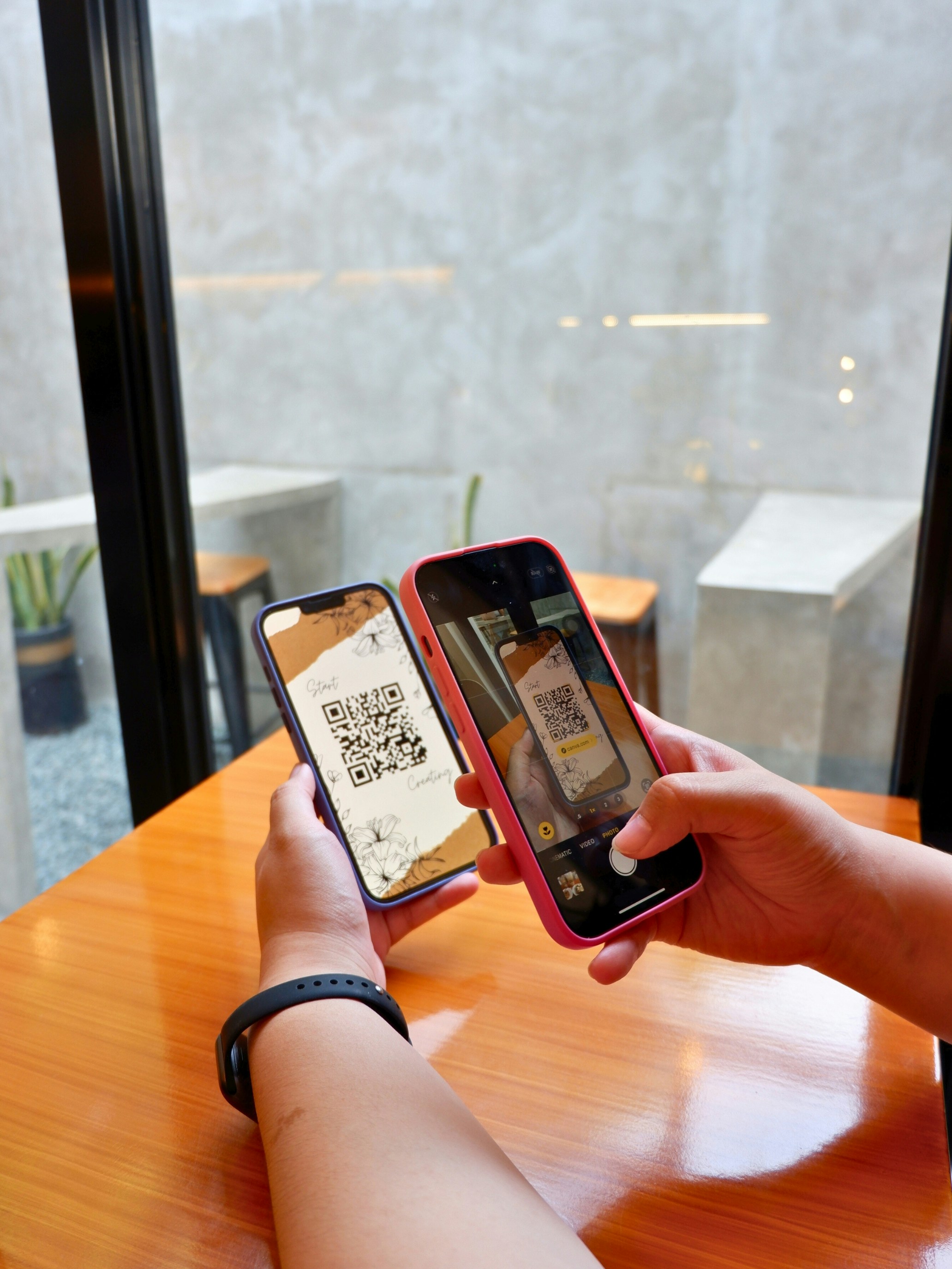

Introduction to Barcodes in Robotics
Barcodes are machine-readable representations of data, typically in the form of parallel lines or a grid pattern, which can be scanned by barcode readers. They encode information such as product identifiers, inventory control data, and other relevant details that are essential for efficient organization and tracking. The integration of barcodes into robotics and automation systems has significantly transformed the landscape of manufacturing and supply chain management.
In the field of robotics, barcodes play a crucial role in facilitating accurate identification and tracking of objects. When a robot interacts with its environment, it often requires information regarding the items it manipulates or the tasks it performs. Barcodes enable seamless communication between robotic systems and inventory databases, thereby enhancing operational efficiency and reducing errors.
There are various types of barcodes used in automated systems, including one-dimensional (1D) codes such as UPC (Universal Product Code) and EAN (European Article Number), as well as two-dimensional (2D) barcodes like QR (Quick Response) codes and Data Matrix codes. Each type has its own encoding method and use cases. For example, 1D barcodes are commonly used for retail products and inventory listings, while 2D barcodes can store more information, making them ideal for applications in logistics and advanced tracking models.
The functionality of barcodes in robotics is powered by optical scanners that interpret the barcode patterns. When the barcode is scanned, the encoded information is decoded into a human-readable format, allowing robots to respond appropriately. This capability is foundational in various applications, such as automated warehousing, assembly lines, and quality control processes, where rapid access to data is paramount. Overall, barcodes serve as vital connectors in the intricate web of robotics and automation, streamlining workflows and enhancing productivity.
The history of barcodes dates back to the late 1940s, with the first patent granted in 1952 for a device capable of reading a barcode. Initially, these barcodes were simplistic, one-dimensional symbols, commonly referred to as 1D barcodes. The design consisted of simple black and white lines, where the relative thickness and spacing of the lines indicated specific information. This type allowed for the efficient tracking of products in the retail sector, revolutionizing inventory management and point of sale systems.
As technology progressed, barcodes evolved and became increasingly sophisticated. By the 1980s, 1D barcodes were widely adopted in various industries beyond retail, including manufacturing and logistics, facilitating a broader spectrum of automation possibilities. However, as the complexity of product information grew, the limitations of 1D barcodes became more evident. They were limited in data capacity, making it difficult to store extensive information pertaining to products.
This led to the introduction of two-dimensional (2D) barcodes, such as QR codes and Data Matrix codes, in the late 1990s. Unlike their 1D predecessors, these advanced codes can store significantly more information, including alphanumeric data and website URLs. The ability to encode a wealth of data expands the functionality of barcodes in sectors such as manufacturing, healthcare, and logistics, where intricate automation processes require detailed tracking systems. The emergence of smartphones equipped with high-resolution cameras further facilitated the widespread adoption of QR codes, enhancing their accessibility for consumers and businesses alike.
Embracing advancements like high-speed scanners and cloud computing has made barcodes integral to modern automation. Today, barcodes are not merely tools for inventory tracking; they play a pivotal role in supply chain management, enabling seamless communication between various automated systems. This evolution underlines the significance of barcodes in contemporary automation processes, showcasing their adaptability in a rapidly changing technological landscape.
How Barcodes Enhance Efficiency in Industrial Robotics
In the realm of industrial robotics, barcodes play a pivotal role in enhancing operational efficiency. By facilitating rapid data collection and processing, barcodes significantly streamline various workflows within manufacturing and warehouse environments. Automated systems equipped with barcode scanning technology can effortlessly manage inventory, enforce quality control standards, and optimize overall work processes.
One of the primary applications of barcodes in industrial robotics is in automated inventory management. Scanning barcodes allows robots to quickly identify and track products throughout the supply chain. This real-time visibility into inventory levels not only minimizes errors associated with manual entries but also ensures that stock is replenished efficiently. As a result, companies can maintain optimal inventory levels, reducing excess stock and minimizing waste, thereby saving both time and resources.
Additionally, barcodes play a crucial role in quality control within robotics applications. Automated systems equipped with barcode readers can verify the integrity of products by cross-referencing scanned barcodes against pre-defined quality standards. This swift verification process helps manufacturers identify defective items early in the production cycle, allowing for immediate corrective action. Hence, robotic systems can maintain high standards of quality, ultimately leading to greater customer satisfaction.
Furthermore, the implementation of barcodes can greatly optimize the overall workflow in industrial operations. For instance, when combined with robotic picking systems, barcode scanning enables precise selection and placement of items, reducing the time and effort required for manual handling. This not only increases productivity but also enhances safety by decreasing the risk of human error in high-pressure environments. In conclusion, the integration of barcode technology in industrial robotics is instrumental in achieving heightened efficiency and accuracy in operational processes.
Integration of Barcode Systems with Robotic Automation
In the modern landscape of industrial automation, the integration of barcode systems with robotic technologies has become a critical element for enhancing operational efficiency. Barcode systems serve as a pivotal mechanism for encoding information, which can be readily interpreted by robotic arms and automated guided vehicles (AGVs). This integration employs sophisticated technology that facilitates accurate data capture and real-time communication between the barcode reader and robotic systems.
One of the primary technologies utilized in this integration is the use of image processing techniques and sensor technology within robotic systems. Robotic arms equipped with barcode scanners can immediately identify and process product information, enabling precise handling and assembly operations. Similarly, AGVs can leverage barcode systems to navigate environments effectively, ensuring the correct retrieval and delivery of items. This synergy not only streamlines workflow but also significantly reduces human error associated with manual data entry.
The benefits of integrating barcode systems with robotic automation are multifaceted. For example, the use of standardized barcodes enhances traceability across production and supply chains, allowing for accurate inventory management. Moreover, such integration optimizes processes by minimizing the time spent on locating and sorting items, thus accelerating production cycles. Consequently, businesses can achieve a considerable reduction in operational costs while improving overall productivity.
Furthermore, the scalability of barcode systems makes them an ideal choice for various automated environments, from small warehouses to expansive manufacturing lines. As technology continues to advance, the potential for further innovation in the integration of barcode systems with robotic automation remains promising, signifying a transformative step toward fully automated operations that are efficient, reliable, and adaptable to changing market demands.
Case Studies: Barcodes in Robotics Applications
The integration of barcodes into robotics systems has shown significant advancements across various industries. In manufacturing, automotive companies have effectively utilized barcode technology to enhance production efficiency. For instance, an automobile manufacturer implemented barcode scanning in conjunction with robotic arms that assemble parts. Each component is labeled with a barcode, allowing robots to accurately identify and retrieve necessary parts in real-time. This method drastically reduced errors and improved the speed of assembly lines, resulting in a more streamlined production process.
In the warehousing sector, distribution centers have embraced barcode systems to optimize inventory management alongside automated robotic systems. By applying barcode labels to products, robots equipped with scanners can swiftly navigate the warehouse floor to pick and pack items accurately. This automation not only minimizes labor-intensive tasks but also elevates order fulfillment rates and accuracy. A notable example involves a leading retail company that incorporated robotic arms with barcode scanning capabilities, enabling them to execute complex order assemblies efficiently during peak shopping seasons.
Moreover, healthcare facilities are increasingly adopting barcodes to manage medical supplies and streamline patient care. In one significant case, a hospital integrated barcode scanning into their robotic dispensing systems, ensuring that medications are accurately delivered to the right patients. With a barcode attached to each medication, robots can precisely confirm the identity and dosage before distribution. This application has reduced medication errors and improved patient safety while allowing healthcare professionals to devote more time to direct patient care.
Such case studies highlight the pivotal role of barcodes in enhancing the functionality and effectiveness of robotics in various sectors. By improving accuracy, reducing errors, and increasing efficiency, barcode technology is revolutionizing the way industries approach automation.
The Future of Barcodes in Robotics and Automation
As the landscape of robotics and automation continues to evolve, the future of barcode technology is poised for significant advancements. Emerging trends indicate a shift towards enhanced integration between barcodes and various technologies, particularly the Internet of Things (IoT). This integration allows for more real-time data sharing and improved communication between machines and their operational environments.
One of the most notable innovations on the horizon is the development of barcodes that offer enhanced readability under diverse conditions. This could involve the use of advanced imaging techniques or materials that can withstand harsh environments, ensuring that barcodes remain effective in various industrial applications. For example, in warehouses where robots operate in reduced light or extreme temperatures, newer barcode formats may provide the necessary capabilities to maintain operational efficiency.
Moreover, as robotics moves towards more autonomous systems, the need for reliable and quick scanning solutions becomes imperative. The future may see the utilization of image recognition technologies that can supplement traditional barcodes. These solutions provide flexibility and speed, allowing robots to identify and interact with products through visual cues rather than relying solely on printed codes.
In addition, enhanced data analytics capabilities may emerge alongside barcode technology. By leveraging advanced data processing techniques, organizations can glean actionable insights from barcode scans, optimizing supply chain operations and inventory management. This alignment between robotics and data analytics, powered by barcode systems, could redefine operational strategies in various industries.
Ultimately, the advancements in barcode technology, coupled with the growing capabilities of robotics and automation, will likely create a future where barcodes are not only more efficient but also integral to smart manufacturing and logistics ecosystems. As this technological convergence continues, businesses must stay attuned to the developments that will reshape their operational workflows and strategies.
Challenges and Limitations of Using Barcodes in Automation
While barcodes have significantly enhanced the efficiency of robotics and automation, their implementation is not without challenges. One of the primary issues faced when utilizing barcode systems is the occurrence of scanning errors. These errors can arise from a variety of factors including poor printing quality, damage to the barcode, or misalignment during scanning. If a robot fails to scan a barcode accurately, it can lead to incorrect data being processed, which may disrupt operations and cause subsequent inefficiencies.
Another critical limitation is the environmental factors that can affect barcode scanning. For instance, in industrial settings with varying lighting conditions, reflections can impede the ability of scanners to read barcodes effectively. Similarly, dust, dirt, or moisture on the barcode surface may obstruct the scanning process, resulting in delays or failures. Such environmental challenges necessitate the use of high-quality barcode labels designed to withstand harsh conditions, thereby adding to operational costs.
In addition to these scanning limitations, the need for robust data management systems also poses a challenge. For automation and robotics to function optimally, the data collected via barcodes must be accurately recorded, stored, and integrated with existing systems. Inadequate data management can lead to data silos, where essential information is not shared between systems, ultimately affecting the flow of operations. It is crucial for organizations to invest in sophisticated data management solutions that can handle the high volume of data generated during barcode scanning processes.
Furthermore, the reliance on barcode technology may create vulnerabilities, such as dependency on specific hardware or software solutions. This dependence can make systems less adaptable to future technological advances. Therefore, while barcodes play a vital role in enhancing automation and robotics, addressing these challenges is essential for ensuring seamless operations and maximizing their benefits.
Alternatives to Barcodes in Robotics
While barcodes have established themselves as a staple in identification and tracking within robotics and automated systems, other technologies have emerged as viable alternatives. Two prominent alternatives are Radio Frequency Identification (RFID) and Near Field Communication (NFC). These technologies offer unique advantages that can complement or even replace traditional barcode systems in specific applications.
RFID technology utilizes electromagnetic fields to automatically identify and track tags attached to objects. An RFID system comprises an RFID reader and one or more tags. The tags contain electronically stored information that can be read by the RFID reader from varying distances, making it particularly beneficial in environments where automated systems need to identify multiple items quickly. Unlike barcodes, RFID tags do not require a direct line of sight for scanning, which enhances the efficiency of operations in dynamic robotics scenarios.
NFC, a subset of RFID, facilitates short-range communication and is commonly found in mobile devices. It enables data transfer between devices in close proximity, typically within a few centimeters. In robotics, NFC can be utilized for secure transactions, configuration, and data transfer between devices, fostering greater interaction between robotic systems and users. The ease of use associated with NFC tech caters to applications that require effortless identification and information exchange, such as collaborative robots (cobots) working alongside humans.
Furthermore, a combination of RFID and NFC can yield enhanced performance in certain robotics applications. For instance, RFID can serve to track items across a warehouse floor while NFC facilitates user interaction with specific machines, providing the best of both worlds. By leveraging these alternative technologies, organizations can optimize their robotic systems for better efficiency and functionality.
Conclusion: The Significance of Barcodes in the Future Landscape of Automation
The integration of barcodes into robotics and automation systems represents a critical advancement in streamlining operational efficiencies. Beyond merely identifying products, barcodes facilitate data gathering, inventory management, and even enhance machine communication. This systematic approach not only reduces human error but also accelerates processes, making the automation of workflows more reliable and effective.
As industries look toward the future, the scalability and adaptability of barcode systems become more significant. With the rise of the Internet of Things (IoT), barcodes will increasingly become a pivotal component in connecting multiple devices, creating a fully integrated ecosystem of automated solutions. Automation technology, combined with robust barcode systems, enhances traceability, allowing for real-time data access and operational oversight that is essential in today’s fast-paced market environments.
Moreover, the continuous evolution of barcode technology—such as the introduction of 2D barcodes and QR codes—opens doors to novel applications in various sectors, including manufacturing, logistics, and retail. These advancements support improved data capacity and functionality, ensuring that barcodes maintain relevance amid changing technological landscapes. Furthermore, as robotics and automation technologies grow more sophisticated, the seamless integration of barcodes into these systems will likely enhance their effectiveness and ease of use.
In essence, barcodes are poised to play a vital role in the future of automation and robotics. They not only contribute to current operational efficiencies but also hold the potential to transform how industries operate and interact with automated technologies. As businesses continue to innovate and automate, the significance of barcodes will undoubtedly grow, reinforcing their status as indispensable tools in the advancement of automation.
© barcodly.com- All rights reserved