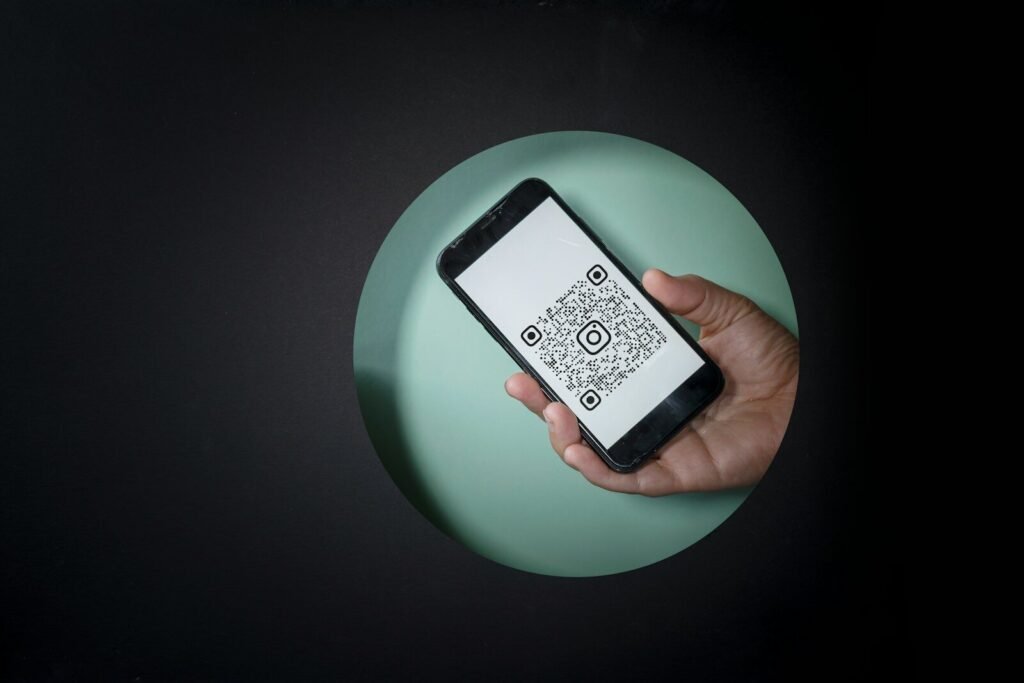

Introduction to QR Codes in Marketing
QR codes, or Quick Response codes, are two-dimensional barcodes that can store URLs, text, and other information, which can be accessed quickly using a smartphone or device equipped with a camera. Initially developed in 1994 for the automotive industry in Japan, these codes have since evolved into a prominent marketing tool across various sectors. Their primary function is to bridge the gap between physical and digital media, enabling consumers to access content and information with minimal effort.
As technology has advanced, so too has the utilization of QR codes in marketing strategies. With the advent of smartphones and high-speed internet, businesses have increasingly integrated QR codes into promotional materials, advertisements, and product packaging. The ease of scanning a QR code allows consumers instant access to websites, social media profiles, and other digital content, thereby enhancing engagement and interaction with brands. For example, brands utilize QR codes strategically in advertising campaigns to measure consumer interest and gather data on customer behavior.
In recent years, the book publishing industry has recognized the potential of QR codes as a powerful marketing tool. Authors and publishers are increasingly incorporating QR codes on book covers, promotional flyers, and event materials. This allows readers to engage directly with supplementary content such as author interviews, book trailers, or exclusive content and offers, thus enriching the reading experience. The ability to connect with readers through their smartphones is particularly beneficial for reaching tech-savvy audiences who seek instant access to information.
Overall, QR codes represent a significant innovation in marketing by facilitating immediate connections between consumers and brands. As the landscape of marketing continues to transform, the application of QR codes in the book publishing industry serves as a compelling example of how traditional practices can be enhanced through technology.
Benefits of Incorporating QR Codes on Book Covers
The integration of QR codes on book covers offers multiple advantages that can significantly enhance marketing strategies. One of the primary benefits is increased reader engagement. With a simple scan of a QR code, readers can access interactive content related to the book, such as author interviews, behind-the-scenes videos, or supplementary materials. This not only enriches the reader’s experience but also fosters a deeper connection between the reader and the author, promoting loyalty and interest in future works.
Another key advantage is the ability to provide direct access to additional content. For instance, a QR code can link to a dedicated website or a social media platform where readers can explore more about the book’s themes, participate in discussions, or even buy merchandise. This immediacy creates a seamless transition from physical media to digital interaction, making it easier for readers to delve deeper into the narrative world of the book.
Additionally, QR codes facilitate easy sharing capabilities. Readers can quickly share the book’s-related resources through social media channels or messaging apps, effectively extending word-of-mouth marketing. This peer-to-peer sharing is invaluable in driving new readership and expanding the book’s reach.
Moreover, incorporating QR codes allows authors and publishers to track marketing effectiveness through analytics. By measuring how many scans a QR code receives, the effectiveness of various promotional strategies can be assessed. This data can identify which types of content engage readers the most, allowing for more informed marketing decisions in the future. Overall, the incorporation of QR codes on book covers represents a modern approach to engaging with audiences and maximizing marketing potential.
How to Design Effective QR Codes for Book Covers
Designing effective QR codes for book covers requires careful consideration to ensure the codes are not only functional but also harmoniously integrated with the overall aesthetic of the cover. One of the primary factors is the size of the QR code. It is crucial to ensure that the QR code is large enough to be scanned easily, yet not so large that it overwhelms the visual appeal of the cover. A size of at least 1 x 1 inch is often recommended, but the dimensions may vary based on the overall cover design.
The placement of the QR code is another significant factor. Ideally, it should be placed in an area that is easily accessible and does not conflict with essential design elements or the book’s title. Common placements include the back cover or a corner on the front cover, where it can attract attention without detracting from the main visuals. Ensure that the code has adequate white space around it to enhance scanning speed and ease.
Color selection for the QR code is equally important. While traditionally black and white codes are most recognizable, incorporating colors that align with the book’s theme or branding can enhance its appeal. However, it is essential to ensure that there is sufficient contrast between the background color and the QR code to maintain scannability. Testing the QR code in color variations before finalizing the design can prevent potential scanning issues.
Integration with the book cover’s design is vital to create a cohesive look. This can be achieved by incorporating design elements that echo the style and theme of the book, such as patterns or motifs that complement the QR code. This strategy not only makes the code visually appealing but also aligns it with the overall narrative of the book.
Examples of Successful QR Code Implementations in Publishing
In recent years, several authors and publishers have effectively utilized QR codes on book covers to enhance marketing strategies. A notable case is that of a bestselling author who incorporated a QR code linking to an interactive website dedicated to their latest novel. The site featured exclusive content such as behind-the-scenes insights, character sketches, and even a discussion forum where fans could engage with the story and each other. This innovative approach resulted in a significant boost in reader engagement and increased sales, with the author reporting a 25% rise in book purchases within a month of the campaign’s launch.
Another example can be drawn from a small independent publishing house that decided to use QR codes on their cookbook covers. By scanning the QR code, readers were directed to tutorial videos featuring the book’s recipes being prepared by the authors themselves. This interactive element not only clarified cooking techniques but also provided a personal touch, connecting readers with the authors on a deeper level. Consequently, the publisher noted a doubling of sales for that particular book during the promotion period, demonstrating the effectiveness of integrating technology with traditional publishing.
The implementation of QR codes also proved beneficial for educational publishers. A prominent educational book publisher utilized QR codes on the covers of their textbooks to link to supplementary learning materials, such as quizzes, interactive exercises, and lecture notes. Teachers and students reported that this added layer of interactivity enhanced both comprehension and retention of the material, prompting the publisher to reconsider the design of future texts. The initiative led to increased institutional purchases and a stronger relationship with educators.
These examples illustrate the potential impact of QR codes on marketing in the publishing industry. By successfully bridging the gap between physical books and digital content, authors and publishers can significantly improve reader engagement, making QR codes a valuable tool for modern marketing strategies.
Integrating QR Codes with Digital Marketing Strategies
QR codes have emerged as a transformative tool that seamlessly connects the physical realm of book marketing with the expansive digital world. Authors and publishers can leverage these innovative codes to enhance their marketing strategies, effectively bridging the gap between print and digital engagement.
One of the primary advantages of incorporating QR codes into book covers is their ability to direct potential readers to multiple digital platforms. By scanning the QR code, readers can be immediately taken to a dedicated landing page, social media profiles, or e-commerce sites where the book can be purchased. This instantaneous connection facilitates increased visibility and can significantly boost online sales.
Moreover, QR codes serve as an effective means of enhancing an author’s social media presence. By including links to corresponding Facebook, Twitter, or Instagram profiles, authors can encourage readers to engage with their online community. This interaction not only promotes the author’s brand but also fosters a sense of loyalty among followers who feel a connection to the creative process behind the book.
Beyond social media engagement, QR codes enable authors and publishers to build robust mailing lists. Authors can offer exclusive content, such as a sample chapter or an author interview, accessible only through a QR code scan. This strategy not only attracts potential readers but also provides a direct channel for regular communication, allowing for the dissemination of news regarding book launches, events, or promotions.
In addition, QR codes can help market promotional events such as book signings, readings, or workshops. By scanning the code, readers can access event details, RSVP information, and location maps, ensuring enhanced participation. Thus, integrating QR codes into marketing initiatives allows authors to create a multi-channel experience that promotes not only their books but also cultivates community engagement and reader relationships.
Challenges and Considerations When Using QR Codes
The incorporation of QR codes on book covers presents unique challenges and considerations that marketers must navigate to achieve effective outcomes. One of the primary technical challenges lies in ensuring that the QR code is scannable across a variety of devices and conditions. Factors such as size, contrast, and placement on the book cover can significantly affect the reader’s ability to scan the code easily. If the QR code is too small or poorly placed, potential readers may experience frustration and disengagement, undermining the intended marketing efforts.
Moreover, accessibility plays a crucial role in the success of QR codes on book covers. Not all readers may have smartphones equipped with the necessary technology to scan QR codes. Additionally, some individuals may not have the technical know-how to utilize QR codes effectively. It is essential to consider the target audience’s demographics, particularly among older readers who may be less familiar with QR code usage. Marketers should provide clear instructions or alternative solutions for persons unable to access the content through the code.
Usability concerns also present a significant challenge. There is a risk of overwhelming the book cover design with a QR code, which may detract from its aesthetic appeal and distract potential buyers from the main message of the book itself. The inclusion of the QR code should complement the overall design, ensuring it enhances rather than hinders the visual integrity of the cover. Additionally, marketers must evaluate the content linked to the QR code to make certain that it provides additional value, whether in the form of exclusive content, promotional materials, or supplementary resources.
How to Track and Analyze QR Code Performance
QR codes have evolved beyond mere scannable images; they are instrumental in measuring and understanding audience engagement. By implementing various analytic tools, authors and publishers can harness the full potential of QR codes to gauge the effectiveness of their marketing campaigns.
One of the primary benefits of using QR codes is the ability to track the number of scans. Each time a QR code is scanned, it can send valuable data back to the creator. By utilizing URL shorteners or dedicated QR code tracking services, authors can gain insight into how many readers engaged with their content, when they did so, and from where.
Beyond basic scan metrics, QR codes can also provide information about user demographics. Combining QR code data with analytics platforms such as Google Analytics allows for a more comprehensive analysis of user behavior. For instance, if a QR code links to a specific book page, tracking tools can reveal which geographical regions yield the highest engagement. This information can influence decisions regarding marketing efforts and audience targeting.
Moreover, authors can analyze the behavior of readers after scanning the QR code. For example, metrics such as the duration of engagement, bounce rates, and the number of subsequent actions taken (like purchases or sign-ups) can be monitored. By observing these patterns, authors can adjust their strategies to improve outcomes. If a particular call-to-action is underperforming, it can be refined based on the insights gained from QR code analytics.
The effectiveness of QR code marketing lies in its ability to continually evolve based on real-time data. Thus, authors and publishers are encouraged to regularly review analytical results, allowing them to tailor their marketing approaches to meet reader preferences and maximize engagement. This proactive management of QR code analytics ensures a dynamic and responsive approach to marketing within the competitive landscape of book publishing.
Future Trends of QR Codes in the Publishing Industry
The publishing industry is poised for a transformative period, driven by technology and changing consumer behaviors. One of the key innovations expected to influence book marketing is the integration of augmented reality (AR) with QR codes. As smartphones become increasingly sophisticated, AR applications that interact with QR codes may provide readers with immersive and enhanced experiences. For example, scanning a code on a book cover might allow readers to view author interviews, gain access to exclusive content, or experience a virtual environment that complements the narrative. This fusion of QR codes and AR technology could create a deeper connection between readers and the material, ultimately leading to greater engagement and loyalty.
Moreover, advancements in mobile technology will enhance the accessibility of QR codes in the marketing of books. As mobile devices become a central hub for information consumption, the role of QR codes in accessing digital content is likely to expand. Publishers can utilize these codes not only for promotional offers but also for providing readers with access to social media platforms, review sites, and interactive platforms that encourage participation in book clubs and discussions. This shift towards a more interconnected reading experience could cater to a generation of readers who increasingly value convenience and instant access to information.
Consumer behavior is also shifting, with readers expecting a seamless blend of physical and digital interactions. As more individuals become familiar with scanning QR codes to obtain immediate information, publishers will need to adapt their strategies to align with these expectations. This might include incorporating QR codes on promotional materials, expanding their presence in book stores and at events, and effectively leveraging these tools to gather insights on reader preferences. Adapting to these emerging trends will be essential for publishers looking to stay relevant and effectively market their books in an ever-evolving landscape.
Conclusion: Embracing Innovation in Book Marketing
In the competitive landscape of the publishing industry, the integration of innovative marketing techniques is essential for success. Throughout this discussion, we have examined the multifaceted benefits of employing QR codes on book covers as a modern marketing tool. By merging traditional print with digital technology, authors and publishers can effectively enhance reader engagement and drive sales. QR codes provide instantaneous access to additional content, making it convenient for potential readers to explore more about a book before making a purchase decision.
The use of QR codes can facilitate a variety of functions, including linking to author websites, social media pages, sample chapters, or even promotional videos. This innovative approach not only fosters a stronger connection with the audience but also encourages the sharing of content across different platforms, which can amplify marketing efforts. In addition, they can also be employed to gather data on reader interactions, helping authors and publishers to refine their strategies.
As we look to the future of book marketing, it is crucial for authors and publishers to embrace these new technologies and adapt to changing reader preferences. The most successful marketing strategies will be those that blend traditional approaches with modern innovations. By incorporating QR codes into their marketing toolkit, publishers can reach wider audiences and create opportunities for enhanced reader experiences.
In conclusion, the adoption of QR codes is not just a trend but a pivotal evolution in the marketing of books. By leveraging this technology, authors and publishers can remain competitive, connect more deeply with readers, and explore new avenues for engagement and promotion. Embracing such innovations will ultimately lead to sustained success in an ever-evolving industry.
© barcodly.com- All rights reserved