
Introduction to QR Codes and Blockchain Technology
QR codes, short for Quick Response codes, are two-dimensional barcodes that encode information for quick scanning and retrieval. Originally developed for the automotive industry in Japan, QR codes have gained significant relevance across multiple sectors, such as marketing, retail, and logistics. These codes can store a variety of data types, from URLs and contact details to product information and payment links. The primary function of QR codes is to facilitate seamless access to digital resources via smartphones and scanners, enhancing user experience and promoting efficient information transfer.
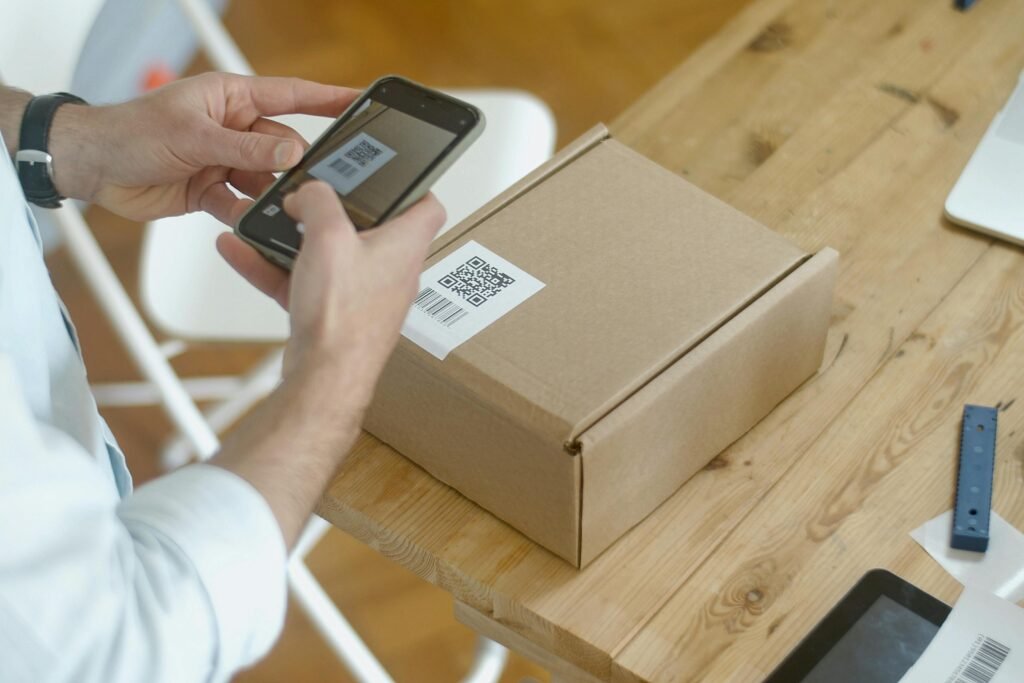
The operation of QR codes is relatively straightforward. When scanned with a device equipped with a camera, the code translates the encoded information into a readable format, directing users to the associated content. Businesses utilize QR codes to engage customers, streamline transactions, and gather insights into consumer behavior. For instance, retail brands often implement QR codes on packaging, allowing consumers to access product details, promotions, or loyalty programs, thereby bridging the gap between physical products and digital information.
On the other hand, blockchain technology represents a transformative advancement in data management and security. It is a decentralized ledger system that records transactions across multiple computers in a manner that prevents alteration or tampering. This decentralized nature enhances transparency, as each participant in the network has access to the entire ledger, which promotes trust among users. Moreover, the concept of immutability underscores that once a transaction is recorded, it cannot be modified or deleted, ensuring data integrity.
Blockchain has found myriad applications across various industries, including finance, supply chain management, and healthcare. Its capabilities are particularly advantageous in enhancing security protocols, as it can protect sensitive data from unauthorized access and cyber threats. The integration of QR codes with blockchain technology thus presents a futuristic approach to safeguarding data, leveraging the strengths of both technologies for more secure and efficient transactions.
The Need for Enhanced Security in Data Sharing
As technology continues to evolve and digital transactions become increasingly prevalent, the concerns regarding data security have also escalated. Recent years have witnessed a multitude of data breaches, with both small businesses and large corporations falling victim to hacking incidents. For instance, the Equifax data breach of 2017 compromised the personal information of approximately 147 million individuals, including sensitive data such as Social Security numbers and financial details. The ramifications of such breaches not only entail financial losses but also severe reputational damage and loss of consumer trust.
The growing reliance on digital platforms for conducting transactions necessitates robust security mechanisms to safeguard sensitive information. Without adequate protection, individuals and organizations are vulnerable to identity theft, fraud, and various cybercrimes. A report by the Cybersecurity and Infrastructure Security Agency (CISA) highlights that the average cost of a data breach in 2020 was approximately $3.86 million, underscoring the financial implications of compromised data security. Furthermore, businesses are compelled to invest in recovery solutions and legal compliance measures, adding further strain to their resources.
These alarming statistics illustrate a pressing need for a transformative approach to data security in digital transactions. The integration of QR codes with blockchain presents a promising solution to mitigate these risks. QR codes can facilitate quick access to encrypted data while blockchain technology offers decentralized, tamper-proof ledgers where transactions are permanently recorded. This synergy not only enhances the efficiency of data sharing but also significantly increases the overall security framework. By embracing this innovative approach, organizations can fortify their data security measures, instilling confidence among users and stakeholders alike. This evolution in security practices is essential in an era where the digital landscape is continually expanding and evolving.
How QR Codes Work: A Technical Overview
QR codes, or Quick Response codes, are two-dimensional barcodes that store information in a machine-readable format. Unlike traditional one-dimensional barcodes, which typically only hold a series of numbers, QR codes can encode a much larger volume of data, including alphanumeric characters, binary, and kanji. This ability makes QR codes versatile for various applications, including URLs, contact information, and payment details.
The process of generating a QR code involves encoding information into a pattern of black squares arranged on a white grid. QR codes utilize error correction techniques to ensure that data remains accessible even if the code is partially damaged or obscured. The most common QR code structure consists of various blocks that serve distinct purposes, such as format information, version information, and data capacity indicators.
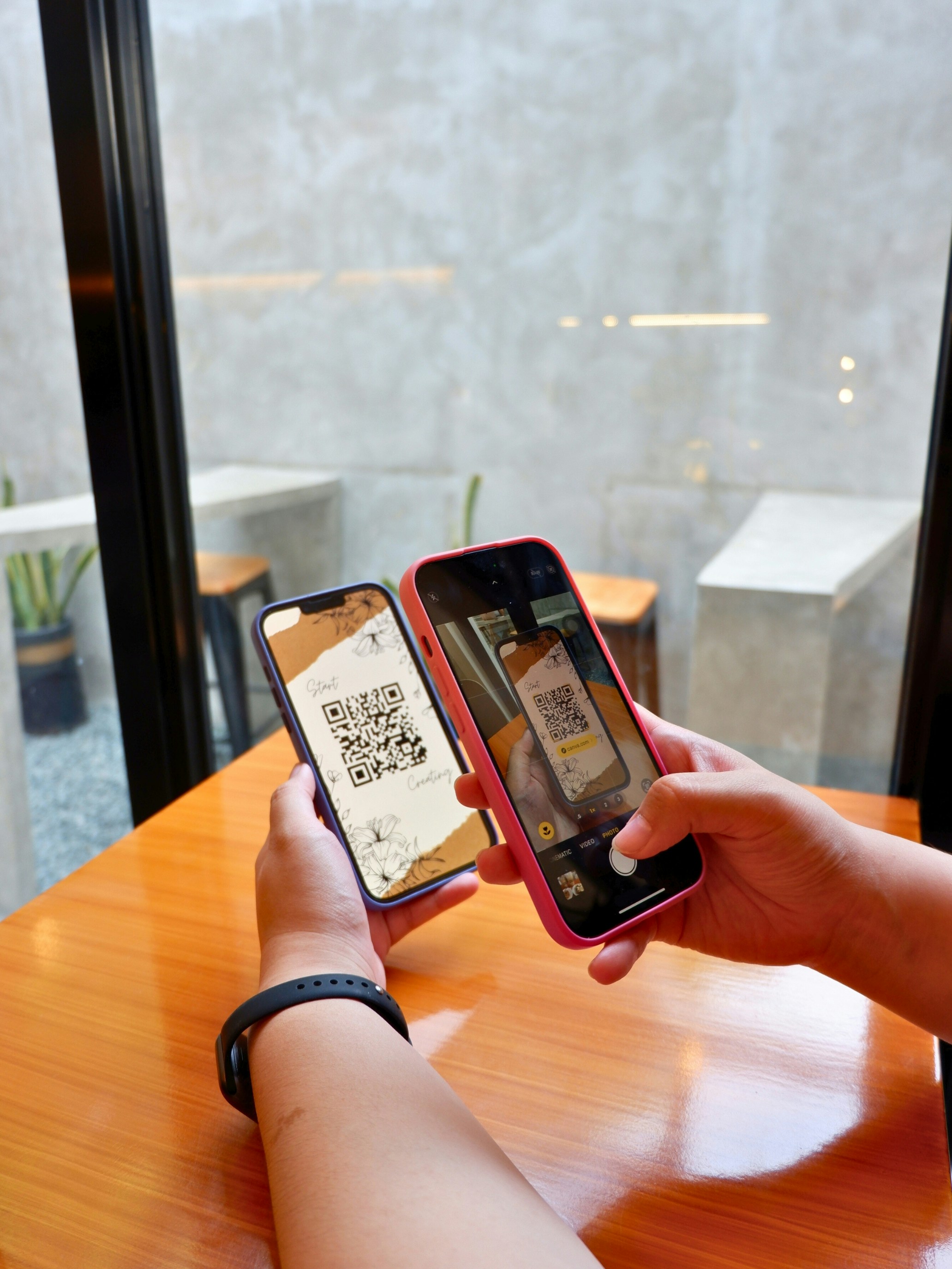
When a user scans a QR code using a smartphone or a dedicated scanner, the device translates the pattern back into the original text or numerical information. This instant recognition is facilitated by the unique geometric arrangement of the squares, which allows the scanning device to determine the orientation and structure efficiently. QR codes have gained popularity partly because of their ease of use, as they can be scanned quickly without the need for manual data entry.
Moreover, QR codes provide rapid access to digital information, significantly streamlining processes in various scenarios, from marketing campaigns to payment systems. Another notable advantage is that they can link directly to web pages, making them invaluable for businesses aiming to enhance customer engagement. Furthermore, the integration of QR codes with blockchain technology can establish a secure method for storing and retrieving data, fortifying both data integrity and user convenience.
Understanding Blockchain Technology
Blockchain technology serves as the backbone of modern data integrity solutions, providing a secure and decentralized method for data management. At its core, a blockchain consists of a series of blocks, each containing a set of transactions. These blocks are linked in a chronological order, forming a transparent and immutable chain. Each block is securely encrypted and can only be added through a consensus mechanism, ensuring that every participant in the network agrees on the validity of the transactions it contains.
Nodes play a critical role within the blockchain ecosystem. A node is any device connected to the blockchain network, responsible for maintaining a copy of the entire blockchain and participating in the consensus process. Depending on the type of blockchain, nodes can vary in their capabilities and functions. In a public blockchain, such as Bitcoin or Ethereum, anyone can join and participate, promoting high levels of transparency and accessibility. Conversely, a private blockchain limits access to a predefined group, allowing for greater privacy and control over the data.
Additionally, consortium blockchains represent a hybrid approach, where multiple organizations collaboratively contribute and manage the blockchain. This type of blockchain is commonly utilized in industries like finance and supply chain management, offering a balance between transparency and confidentiality while ensuring that participating entities maintain trust among themselves.
The consensus mechanisms applied in these systems, such as Proof of Work and Proof of Stake, further guarantee data integrity. These mechanisms validate new data entries and prevent unauthorized changes, solidifying the trustworthiness of the blockchain. As organizations increasingly recognize the importance of data security and transparency, understanding the fundamentals of blockchain technology becomes essential in leveraging its benefits effectively.
Combining QR Codes and Blockchain for Secure Transactions
The integration of QR codes with blockchain technology presents a novel approach to enhancing the security and efficiency of transactions. QR codes function as machine-readable representations of data that can store crucial transaction details, while blockchain technology offers a decentralized ledger that ensures data integrity and transparency. By linking QR codes to blockchain records, businesses can create a secure framework that not only verifies transactions but also improves overall traceability.
In practice, when a QR code is generated for a particular transaction, it can contain essential information such as the transaction ID, date, time, and other relevant data points. This information can then be encrypted and recorded on the blockchain, making it immutable and resistant to tampering. As a result, stakeholders involved in the transaction can verify the authenticity of the QR code by scanning it, which immediately fetches decentralized data from the blockchain. This instant verification process reduces the risk of fraud and enhances user confidence in the transaction.
Moreover, the combination of QR codes and blockchain technology significantly increases transparency. Every transaction recorded on the blockchain is publicly accessible, providing real-time insights into the transaction history. This transparency serves as a deterrent to illicit activities, as malicious actors are less likely to engage in fraud when their actions can be easily traced. Additionally, this integration facilitates enhanced traceability for supply chains, allowing consumers and businesses to track the origin and history of products seamlessly.
Ultimately, the synergy between QR codes and blockchain enhances security, improves verification processes, and boosts consumer trust. By utilizing this integrated approach, organizations can pave the way for a more secure transactional environment, fundamentally transforming how we perceive and execute secure transactions in the digital age.
Real-World Applications: QR Codes with Blockchain in Action
The integration of QR codes with blockchain technology has gained significant traction across various industries, providing security, transparency, and efficiency. One prominent application of this synergy can be observed in supply chain management. In this sector, QR codes serve as unique identifiers for products, enabling stakeholders to track items through every stage of the supply chain. By scanning a QR code, consumers and businesses can access comprehensive information about a product’s journey, including its origin, handling conditions, and processing. The underlying blockchain ensures this data is immutable and transparent, reducing the risk of fraud and increasing consumer trust.
Another critical area of implementation is digital identity verification. Governments and organizations are increasingly employing QR codes in conjunction with blockchain to manage identities securely. For instance, biometric data and personal information can be encoded in a QR code linked to a blockchain record. This system enhances security while simplifying the verification process. Users can easily share their identity with authorized entities by scanning the QR code, which verifies the user’s identity without exposing sensitive information. Such applications are especially valuable in sectors like banking, healthcare, and travel where identity verification is crucial.
Moreover, cryptocurrency transactions are witnessing a transformation due to the interplay of QR codes and blockchain technology. QR codes facilitate the easy transfer of digital currencies by encoding wallet addresses. This feature allows users to conduct transactions swiftly and securely without the need for manual entry of complex wallet addresses, which could lead to errors. Consequently, this integration not only enhances user experience but also minimizes the likelihood of fraud in cryptocurrency exchanges.
The successful implementation of QR codes with blockchain across these industries illustrates the incredible potential of this technology in enhancing data security and operational efficiency.
Potential Challenges and Limitations
Integrating QR codes with blockchain technology presents a multitude of potential challenges and limitations that must be addressed to ensure effective implementation. One significant issue is the scalability of blockchain networks. As the number of transactions increases, the ability of the blockchain to process these requests can become strained. This limitation might hinder the speed at which data can be accessed or verified, especially in applications that require real-time updates. Consequently, organizations considering this integration must evaluate their chosen blockchain solution to avoid bottlenecks that could affect operational efficiency.
User adoption also poses a considerable barrier. While QR codes are generally recognized and easy to use, the underlying blockchain technology remains complex for many consumers. Individuals and businesses may resist adopting systems that require understanding blockchain principles, secure key management, and a shift in how transactions are conducted. Accessibility and education are vital to overcoming these obstacles; without sufficient user comprehension, the potential benefits of this integration may not be fully realized.
Technological limitations represent another significant challenge. The integration of QR codes and blockchain requires a dependable infrastructure that can handle both technologies seamlessly. Issues such as network latency, connectivity, and device compatibility can complicate the experience, particularly in environments where quick scanning and data retrieval are essential. To maximize usability and effectiveness, developers must ensure that the systems in place are not only secure but also reliable and efficient.
Finally, standardization across platforms is critical for the widespread acceptance of QR codes integrated with blockchain. The lack of universally accepted protocols can create fragmentation, limiting interoperability between different systems. Establishing industry standards will facilitate compatibility and streamline processes, ultimately fostering broader adoption. By addressing these potential challenges, stakeholders can move toward successful integration of QR codes with blockchain technology.
Future Trends: The Next Steps for QR Codes and Blockchain
As the digital landscape evolves, the integration of QR codes and blockchain technology is expected to enable significant advancements in data security and efficiency. One of the most anticipated trends is the enhancement of security protocols associated with QR code transactions. With emerging threats in cybersecurity, there will likely be a greater emphasis on developing sophisticated encryption methods that can ensure secure communication between QR codes and blockchain networks. This security enhancement is pivotal, particularly in sectors that require stringent data protection, such as finance, healthcare, and supply chain management.
Another vital trend is the increased interoperability between various blockchain systems and QR code applications. Current challenges related to compatibility among different platforms have limited the full potential of these technologies. Future advancements may involve standardized protocols that facilitate seamless communication across various systems, allowing businesses to streamline operations and reduce friction in data exchange. This interoperability will contribute to a more cohesive ecosystem where QR codes can drive automated processes, leading to improved efficiency and reduced costs.
Additionally, the potential for regulatory changes will significantly influence the future of QR code and blockchain integration. As governments and regulatory bodies begin to recognize the value these technologies provide, new policies could emerge that establish guidelines and standards for their use. This regulatory landscape will ensure user safety while promoting innovation, leading to greater public trust and adoption of QR code-based solutions powered by blockchain. As organizations prepare for these changes, they will be tasked with ensuring compliance, which may spur the development of new tools and services dedicated to meeting evolving regulatory demands.
Conclusion: A Secure Future with QR Codes and Blockchain
As the digital landscape continues to evolve, the integration of QR codes with blockchain technology emerges as a pioneering solution for enhancing data security and integrity. Throughout this discussion, we have explored how QR codes serve not only as easy-to-use interactive tools but also as gateways to complex data protocols, which become increasingly secure when paired with the immutable characteristics of blockchain. This combination promises to revolutionize various sectors, including supply chain management, healthcare, and digital asset verification.
One of the primary benefits of employing QR codes in conjunction with blockchain is the heightened level of traceability. By embedding essential information within QR codes that link back to secure blockchain entries, organizations can track transactions in real-time, significantly reducing the risks associated with data tampering and fraud. This added layer of protection not only assures customers of their data’s safety but also enhances the overall transparency of business practices.
Moreover, the scalability of both QR codes and blockchain facilitates their implementation across a wider spectrum of industries. Regardless of the business size or industry focus, this innovative integration allows for custom solutions tailored to fit specific security needs. The potential applications range from secure payment processing to maintaining the authenticity of products in the marketplace.
In light of the increasing number of cyber threats in today’s digital age, acknowledging and harnessing the transformative potential of integrating QR codes with blockchain is crucial. Organizations looking to bolster their data security frameworks should consider this approach not merely as a technological upgrade but as a strategic necessity. The collaboration of QR codes and blockchain holds promising implications for a secure future, one where data integrity remains a cornerstone of operational success.
© barcodly.com- All rights reserved