Introduction to Smart Contracts
Smart contracts represent a significant technological development designed to automate and secure agreements through the use of blockchain technology. Fundamentally, a smart contract is a self-executing contract with the terms of the agreement directly written into code. These digital agreements run on decentralized networks, ensuring that transaction execution is automatic upon the fulfillment of specified conditions.
One of the most notable differences between traditional contracts and smart contracts lies in their execution and enforcement. While traditional contracts rely heavily on legal systems and intermediaries to enforce agreements, smart contracts automatically enforce compliance once conditions are met. This shift not only reduces the need for third-party intervention but also minimizes human error and enhances speed, facilitating a more efficient contractual process.
Another essential characteristic of smart contracts is their inherent security features. Built on blockchain technology, they benefit from cryptographic techniques that ensure data integrity and confidentiality. Each transaction is recorded on a public ledger, making it virtually impossible to alter past agreements without consensus from the network participants. This transparency helps build trust among parties, as all actions taken under the smart contract can be easily audited.
The automation of contractual processes is a key benefit of smart contracts. By eliminating the need for manual execution, parties can save valuable time and resources. Additionally, the ability to execute agreements quickly can lead to enhanced business efficiency and improved cash flow management. As organizations increasingly recognize these advantages, the integration of smart contracts into various industries is becoming more prevalent, suggesting a shift towards a more streamlined and effective approach to contract management.
Understanding Barcode Data
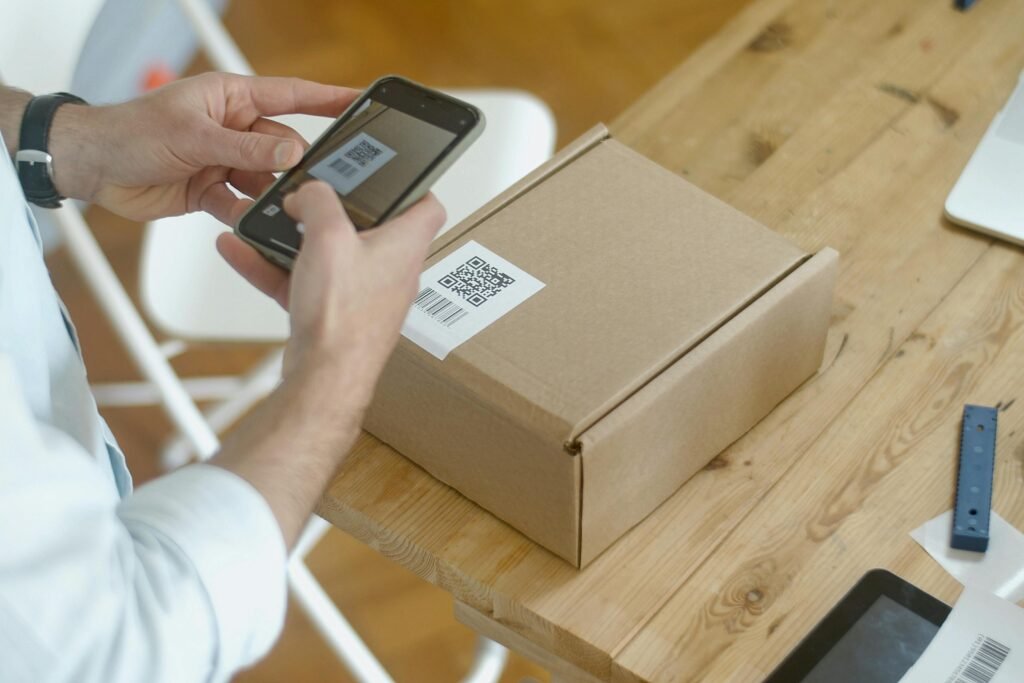
Barcode data is a method of representing information visually in a machine-readable format. It typically consists of a series of parallel black and white lines, though it can also include numeric and alphanumeric characters. The most common forms of barcode data include Universal Product Codes (UPC), Quick Response (QR) codes, and various other types such as Code 39 and Code 128. Each of these formats serves different purposes depending on the application, but they all share the common goal of facilitating quick and accurate data capture.
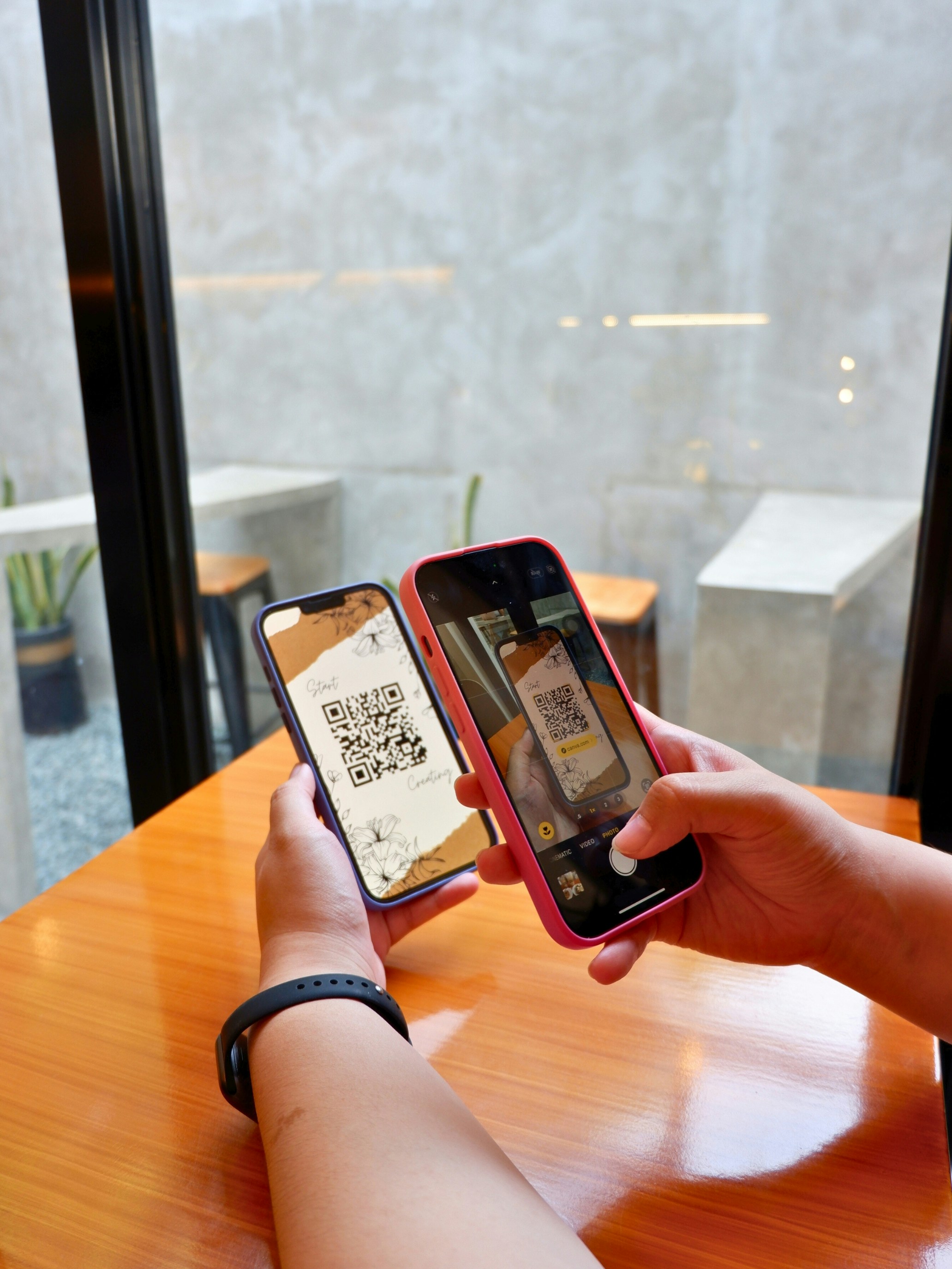
Barcode systems encode essential information, including product identification, pricing, and inventory levels. For instance, UPC codes are predominantly used in retail environments. They provide details about a product, enabling the streamlined processing of sales and inventory management. On the other hand, QR codes are more versatile, storing a variety of data types such as URLs, contact information, or promotional content, making them popular across diverse sectors beyond mere product identification.
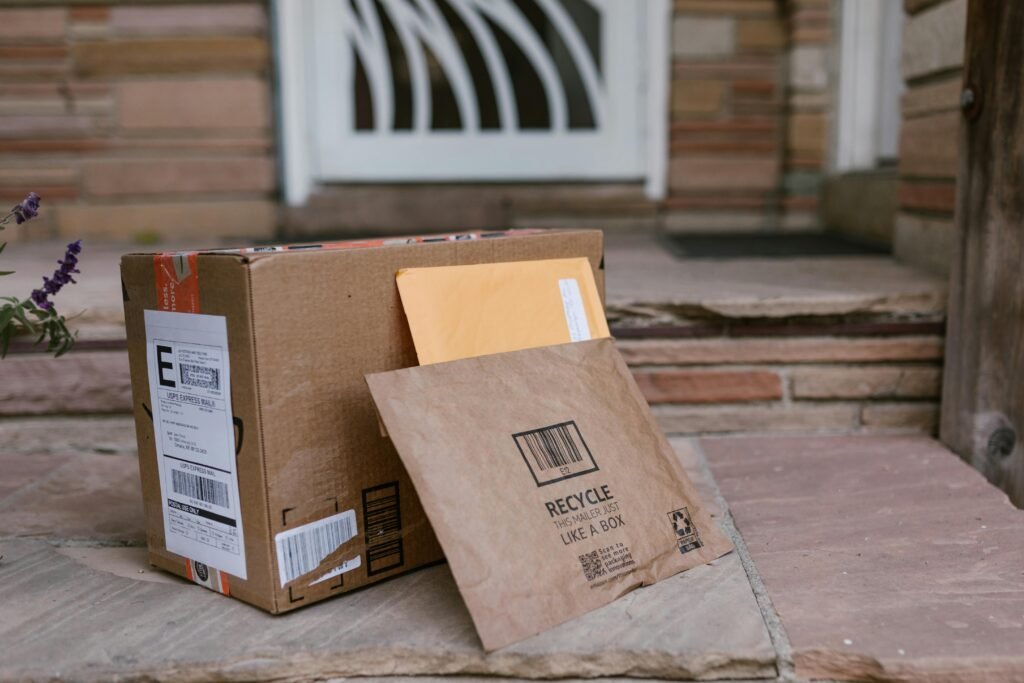
The industries that widely leverage barcode data are diverse. Retail is perhaps the most recognized, utilizing barcode scanners to enhance checkout efficiency and manage stock levels. Additionally, logistics companies employ barcodes to monitor shipment processes, ensuring that goods are tracked and accounted for at every step. Healthcare facilities also rely on barcode data for tracking medications, patient information, and even equipment, ultimately enhancing operational accuracy and safety.
As technology continues to evolve, the potential applications of barcode data expand, not only simplifying data management but also facilitating integration with other technologies. This sets a strong foundation for exploring how barcode data can be used effectively within smart contracts, maximizing automation and ensuring data integrity in various industries.
The Intersection of Smart Contracts and Barcodes
Smart contracts have emerged as a transformative force in various industries, promising to streamline transactions and improve transparency. When combined with barcode technology, the functionality of these self-executing contracts is significantly enhanced. Barcodes serve as a direct link to data systems, providing real-time information that can be utilized by smart contracts for more accurate transactions.
The integration of barcode data into smart contracts allows for automatic updates of contract terms based on scanned information. For example, in a supply chain context, when goods are scanned upon departure from a warehouse, the smart contract can be triggered to execute payment or initiate the next phase of the logistics process. This seamless interaction reduces human error and increases the efficiency of transaction processing.
Furthermore, the use of barcodes ensures that smart contracts operate on the most current and verified data. By employing barcodes, businesses can maintain real-time monitoring of products or services throughout their lifecycle. This verification process ensures that all parties are in alignment regarding the status of contractual obligations. Additionally, the ability to confirm the authenticity of products via barcodes can protect against fraud and counterfeiting.
The pairing of smart contracts and barcodes paves the way for automated control over contractual processes. By eliminating the need for intermediaries to verify data, organizations can not only save time and resources but also enhance the trust between parties involved. Ultimately, this synergy supports a more dynamic and less error-prone business environment, embodying the principles of efficiency and transparency.
In conclusion, the intersection of smart contracts and barcode data integration offers significant potential for various applications. As industries continue to explore and implement these technologies, the benefits of real-time data accuracy, enhanced verification processes, and automatic execution of obligations will likely become increasingly apparent.
Use Cases of Smart Contracts with Barcode Data
Smart contracts, which automate contractual agreements through blockchain technology, show immense potential when integrated with barcode data. This juxtaposition enhances transparency, efficiency, and trust across various industries, including supply chain management, retail transactions, and pharmaceuticals.
In the supply chain management sector, smart contracts combined with barcode data streamline processes by enabling real-time tracking of goods. For instance, when a product is scanned at different checkpoints, the corresponding data updates instantly on the blockchain. This ensures that all parties involved—suppliers, distributors, and retailers—have access to the same accurate information, reducing discrepancies and fostering trust. Additionally, smart contracts can automatically trigger payments upon successful delivery of goods, significantly improving cash flow and operational efficiency.
Retail transactions also benefit from the integration of smart contracts with barcode technology. When a customer scans a product’s barcode at checkout, the smart contract can immediately verify the product’s authenticity and ensure the payment is processed accordingly. This not only expedites the transaction but also diminishes the risk of fraud. Furthermore, retailers can utilize the data collected from these transactions to enhance inventory management, enabling them to make informed decisions regarding restocking and demand forecasting.
In the pharmaceutical industry, the fusion of smart contracts and barcode data plays a crucial role in ensuring drug traceability and compliance with regulations. By scanning barcodes on medicine, healthcare providers can authenticate the products and track their journey from manufacturer to patient, thereby reducing the risk of counterfeit drugs entering the market. Smart contracts can automate recall processes if a batch is found to be defective, ensuring rapid response and safeguarding public health.
Ultimately, the synergy between smart contracts and barcode data offers unparalleled efficiency and accountability in various applications. This integration not only optimizes operational processes but also encourages a more transparent and trustworthy environment for all stakeholders involved.
Benefits of Integrating Smart Contracts with Barcode Data
The integration of smart contracts with barcode data presents a revolutionary approach to enhancing various operational processes across industries. One of the most significant advantages is improved traceability. By utilizing smart contracts, businesses can establish a transparent and immutable ledger of transactions correlated with barcode-generated data. This symbiosis allows companies to track products throughout their supply chain effectively, minimizing discrepancies while ensuring that all parties have real-time access to essential information. As a result, any issues related to product authenticity and quality can be addressed swiftly, fostering consumer trust and satisfaction.
Furthermore, the risk of fraud significantly diminishes when smart contracts and barcode data converge. Smart contracts automatically execute transactions when predetermined conditions are met, reducing the chances for human error or regulatory non-compliance. For instance, in industries like pharmaceuticals, implementing this integrated system can help verify the authenticity of products, ensuring that counterfeit items do not enter the market. Such measures not only protect consumers but also enhance the brand’s reputation by showcasing its commitment to product integrity.
Another substantial benefit is the enhanced automation process. By linking barcode data with smart contracts, businesses can streamline workflow operations. Tasks such as invoicing, payment processing, and inventory management can be automated through the reliable execution of smart contracts. This automation minimizes delays associated with manual operations and significantly reduces administrative overhead, allowing resources to be reallocated toward more strategic initiatives. Noteworthy examples from varying sectors illustrate these advantages in practice. Several companies have successfully adopted this integration, leading to marked improvements in efficiency, cost savings, and operational transparency.
Challenges and Limitations
The integration of smart contracts with barcode data presents a range of challenges and limitations that must be addressed for successful implementation. One of the primary technical issues stems from the compatibility of existing systems with blockchain technology. Many organizations rely on legacy systems that may not easily interface with smart contracts, necessitating significant investment in updates or replacements. This transition can be logistically complex and resource-intensive, posing a barrier to widespread adoption.
Data privacy is another crucial concern. The incorporation of barcode data into smart contracts means that sensitive information may be stored on a public ledger. While blockchain technology provides transparency and security, it also raises questions regarding data ownership and consent. Organizations must ensure compliance with data protection regulations, which can complicate the integration process. Striking a balance between transparency and confidentiality is essential, as improper handling of data could lead to breaches and erosion of consumer trust.
Moreover, adoption hurdles exist due to the lack of understanding and expertise among potential users. Many businesses may be unfamiliar with smart contracts and their functionalities, leading to resistance towards new technology. Education and training are paramount to mitigate these concerns. Additionally, the perceived complexity and high initial costs required for system integration may deter smaller organizations from engaging with this innovative technology.
Furthermore, fluctuating regulatory environments surrounding blockchain and smart contracts can create uncertainties for businesses. Inconsistent regulations across different jurisdictions may hinder cooperation and create further hurdles in the integration of barcode data with smart contracts. Addressing these challenges is pivotal for harnessing the full potential of this technology and ensuring its successful deployment across various sectors.
Future Trends in Smart Contracts and Barcode Technology
The integration of smart contracts with barcode technology is on the brink of significant evolution, driven largely by advancements in blockchain technology. As blockchain continues to mature, its inherent security, transparency, and immutability will likely enhance the reliability of smart contracts when combined with barcode data. This combination enables the seamless execution of transactions once predefined conditions are met, thereby offering unparalleled efficiency across various industries, including supply chain management, retail, and logistics.
Moreover, the adoption of artificial intelligence (AI) and machine learning (ML) is poised to revolutionize the way smart contracts interact with barcode data. These technologies can analyze vast amounts of data generated through barcode scanning, identify patterns, and autonomously adjust contract conditions based on real-time insights. For instance, AI could optimize inventory management by automatically executing smart contracts that initiate reordering of stock when barcode scanning indicates low inventory levels. This level of automation not only streamlines operations but also reduces human error, enhancing productivity.
Additionally, emerging trends suggest a growing need for interoperability among different blockchain networks. As businesses increasingly integrate various technologies into their operations, the ability for smart contracts and barcode systems to work across multiple platforms will become essential. This interoperability will facilitate broader adoption and enable businesses to create more complex, interconnected systems that leverage both smart contracts and barcode technology.
Furthermore, regulatory developments and increased awareness of the benefits of blockchain technology could spur wider acceptance and implementation of smart contracts within various sectors. As government and industry regulations evolve, organizations may find themselves better equipped to embrace these innovations, leading to a more efficient and transparent environment for conducting business across various domains.
Legal Considerations
As the landscape of technology evolves, the intersection of smart contracts and barcode data integration raises several important legal considerations. One of the primary concerns is compliance with existing legal frameworks, which can vary significantly across jurisdictions. Smart contracts, while designed to operate autonomously and without the need for intermediaries, must still adhere to local laws governing contract formation and execution. This can create complications when the parties involved are situated in different legal environments, potentially leading to disputes regarding jurisdiction and enforceability.
Another crucial aspect is the protection of intellectual property rights. In the context of barcode data integration, the data itself, as well as the algorithms or technologies that facilitate smart contracts, may be subject to copyright and patent laws. Companies must navigate the complexities of intellectual property rights to ensure that they are not infringing on existing patents or copyrights while designing solutions that utilize barcode data. Furthermore, understanding how smart contracts interact with various licenses is essential to maintain compliance and protect proprietary information.
The rapidly evolving regulatory landscape also poses challenges for the implementation of smart contracts and barcode data integration. Governments and regulatory bodies worldwide are increasingly scrutinizing blockchain technology and its applications. It is vital for businesses to remain aware of new regulations that may impact their operations. This includes understanding data protection laws that govern how barcode data is collected, stored, and utilized in conjunction with smart contracts. Non-compliance can lead to severe penalties and damage to reputation, making proactive legal counsel essential for organizations operating in this space.
In conclusion, navigating the legal considerations surrounding smart contracts and barcode data integration requires a thorough understanding of compliance issues, intellectual property rights, and regulatory changes. Staying informed and seeking legal expertise can significantly enhance the success of these innovative technologies.
Conclusion
In conclusion, the integration of smart contracts with barcode data represents a significant advancement in the realm of technology and business operations. Throughout this blog, we have examined how smart contracts can facilitate secure, automated transactions and how barcode data enhances tracking and verification processes. The synergy between these two technologies can streamline supply chain management, reduce error margins, and increase transparency. With businesses increasingly looking towards digitization, this integration offers a pathway to optimizing efficiency.
The use of barcode data with smart contracts can transform various industries, allowing for real-time updates and smart inventory management. It provides stakeholders with immediate access to valuable insights and decision-making processes while fostering accountability across the supply chain. As we transition into an era where technological innovation is paramount, it is essential for organizations to consider how such integrations can illuminate new avenues for growth.
Moreover, exploring the implications of this integration extends beyond operational efficiencies. It raises pertinent questions about data security, privacy, and regulatory compliance, urging businesses to adopt best practices and stay informed about evolving technologies. As the demand for seamless, fast, and reliable transactions increases, understanding the potential of smart contracts and barcode data becomes vital for future-proofing businesses.
In light of these developments, we encourage readers to reflect on how smart contracts and barcode data integration could benefit their own sectors. It is an exciting time to delve deeper into these technologies and evaluate their transformative potential. Organizations across various industries stand to gain substantially by leveraging these advancements, ultimately unlocking their full potential in the modern market landscape.
© barcodly.com- All rights reserved