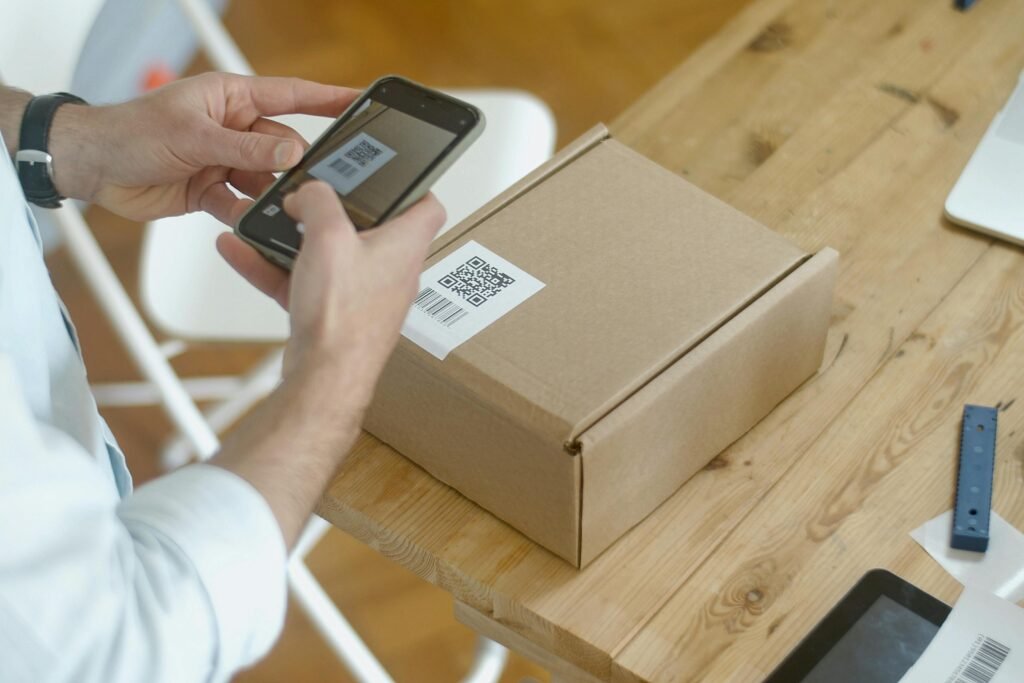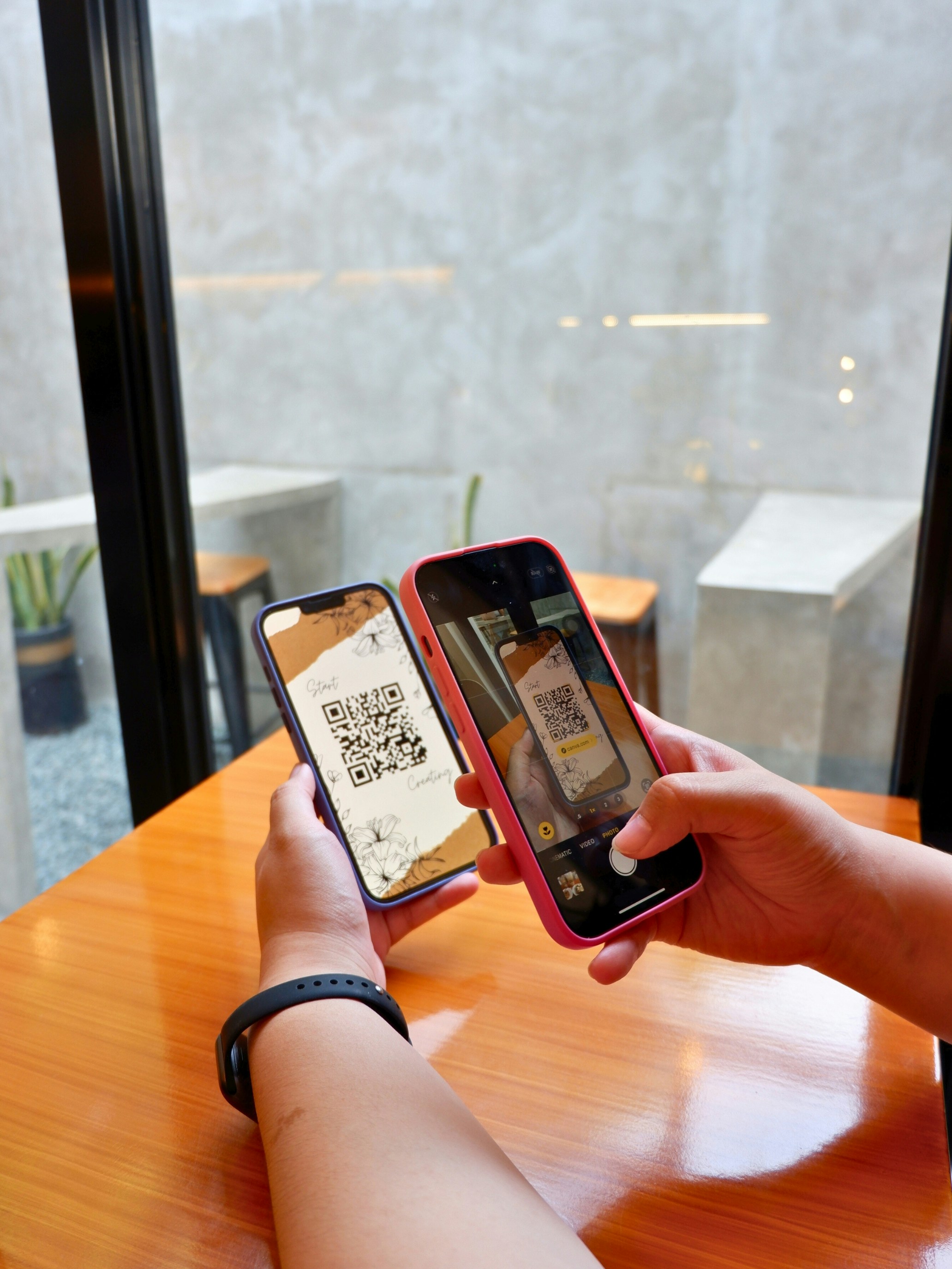

Introduction to Barcode Scanners
Barcode scanners are devices that can read barcodes—encoded data in a visual format that can be scanned to obtain information about a product. Barcode technology has seen significant evolution since its inception in the 1970s, revolutionizing the manner in which businesses manage inventory and conduct transactions. Initially, barcodes were used primarily in manufacturing and retail settings, but with advancements in technology, they are now widely applied across various sectors, including healthcare, transportation, and logistics.
There are several types of barcode scanners available on the market today, each designed to cater to specific needs and environments. The most common types include laser scanners, which utilize a beam of light to read barcodes; CCD scanners, which use an array of small light sensors to capture the barcode; and imaging scanners, which capture the barcode as a digital image. Moreover, the advent of wireless and Bluetooth barcode scanners has facilitated greater mobility, allowing users to operate without being tethered to a workstation.
The benefits of using barcode scanning technology are manifold. Primarily, barcode scanners enhance accuracy in data entry, significantly reducing human error when processing transactions or managing inventory. By employing barcode systems, businesses can achieve faster checkout times, streamline their operations, and maintain better inventory control. Moreover, barcode scanners can facilitate real-time data collection and analysis, enabling organizations to make more informed decisions regarding their operations and strategies. The integration of barcode scanning technology has thus become an essential component in creating efficient and effective business workflows.
Understanding Wireless Technology in Barcode Scanners
Wireless barcode scanners utilize advanced wireless communication technology to transmit data without the need for physical connections. This significant advantage allows users to enhance productivity and mobility, particularly in settings such as warehouses, retail stores, and inventory management systems. Instead of being tethered to a workstation, these devices can relay scanned information to a computer or other endpoints from considerable distances, thus improving operational efficiency.
The core of wireless barcode scanning technology lies in standard communication protocols such as Bluetooth and Wi-Fi. Bluetooth technology operates on short-range radio waves, enabling data transfer within a range typically up to 100 meters. It is particularly valued for its low power consumption, making it ideal for mobile barcode scanners that rely on battery power. Bluetooth devices pair with their hosts seamlessly, allowing for secure and reliable data transmission.
On the other hand, Wi-Fi-based barcode scanners utilize existing wireless networks to transfer data, allowing for greater flexibility and extended range compared to Bluetooth devices. This makes Wi-Fi scanners especially suitable for larger operational areas where mobility is paramount. These scanners can connect to multiple devices simultaneously, enabling them to function within a networked environment, facilitating real-time data updates, and access across various user interfaces.
The advantages of utilizing wireless technology in barcode scanning are numerous. They reduce clutter from cords, enhance user mobility, and often offer more advanced features compared to traditional wired models. Furthermore, the scalability provided by wireless systems allows organizations to adapt to changing needs without significant reconfiguration of their workspaces. As technology continues to evolve, the implementations and advantages of wireless barcode scanners are expected to expand, driving efficiency in various industries.
The Rise of Bluetooth Barcode Scanners
Bluetooth barcode scanners have experienced significant popularity due to their remarkable functionality and ease of use, particularly in a mobile and dynamic work environment. These devices operate using Bluetooth wireless technology, allowing them to connect seamlessly with various compatible devices such as smartphones, tablets, and computers. The core benefit of using Bluetooth barcode scanners is their ability to eliminate the need for physical connections, which enhances mobility and flexibility in operations.
The technology behind Bluetooth barcode scanners enables communication over considerable distances, typically up to 100 meters or more, depending on the specific device and environment. This extended range makes them especially beneficial in large warehouses or retail spaces, where mobility is crucial for efficiency. Employees can easily scan items without the limitation of cords, thus minimizing the risk of accidents caused by tangled wires.
Another key advantage of Bluetooth barcode scanners is their compatibility with an extensive range of devices. Most modern smartphones and tablets are equipped with Bluetooth capabilities, allowing for easy pairing and integration. This compatibility ensures that businesses can utilize existing devices, reducing the need for additional hardware investments. Furthermore, many Bluetooth barcode scanners support multiple operating systems, broadening their usability across various platforms.
Ease of use is a defining feature of Bluetooth barcode scanners. Users generally find these devices intuitive and straightforward, often requiring minimal training. The plug-and-play functionality simplifies setup, allowing employees to quickly connect to their devices and begin scanning. This efficiency is enhanced by features such as low battery indicators and automatic shutdown options, which extend the longevity and usability of these scanners.
Key Features to Consider When Choosing a Wireless Barcode Scanner
When selecting a wireless barcode scanner, it is imperative to consider several key features that can significantly impact the device’s performance and usability in a business environment. One of the most critical factors is scanning speed. High-speed scanning ensures that the barcode information is captured quickly, thereby facilitating efficient transaction and inventory processes. This is particularly important in high-volume settings where time efficiency is crucial.
Another essential feature is scan quality, which determines how accurately the scanner can read barcodes. A high-quality scanner can interpret various barcode types, including damaged or poorly printed ones, which enhances operational reliability. Look for devices that have advanced imaging technology and are capable of reading multiple barcode formats.
Battery life is also a vital consideration for wireless barcode scanners. Opt for a scanner with a long-lasting battery to avoid frequent recharging, which can interrupt workflow. A device that offers quick charging capabilities or extended battery life will enhance productivity.
Durability is another critical feature to evaluate. Wireless barcode scanners should be rugged enough to withstand the demands of the work environment, especially in industries like warehousing, retail, or manufacturing. Look for scanners with high drop ratings and resistance to dust and moisture for longevity.
Finally, compatibility with existing systems is paramount. Ensure that the wireless barcode scanner can easily integrate with your current point of sale (POS) system, inventory management software, and other relevant applications to maximize efficiency. A wide range of connection options, such as USB, Bluetooth, or Wi-Fi, also enhances versatility.
Benefits of Using Wireless and Bluetooth Barcode Scanners
Wireless and Bluetooth barcode scanners have become increasingly popular in various industries due to their numerous advantages over traditional wired models. One of the primary benefits is improved efficiency. In a fast-paced environment, the ability to promptly scan items without the restriction of cords significantly reduces the time spent on inventory management. This streamlined process allows employees to focus more on their core responsibilities, leading to increased productivity.
Another major advantage is the flexibility in workflow. Wireless and Bluetooth barcode scanners allow users to move freely within a facility while scanning items. This mobility is particularly beneficial in large warehouses or retail environments where employees must traverse vast areas. It enables staff to perform tasks such as inventory checks, restocking, and customer service seamlessly, without being tethered to a desk or workstation.
Furthermore, the absence of cables also contributes to a more organized workspace. By eliminating the clutter associated with traditional wired setups, companies can create cleaner environments that not only look more professional but can also enhance overall safety. Reducing the risk of tripping hazards posed by wires is an often-overlooked benefit of adopting wireless scanning technology.
Enhanced mobility is another noteworthy characteristic of wireless and Bluetooth barcode scanners. Devices equipped with Bluetooth technology can easily connect to various systems, such as point-of-sale or inventory management systems, allowing for real-time data updates. This ensures that employees are always working with the most current information, facilitating better decision-making and operational oversight.
In summary, the principal benefits of using wireless and Bluetooth barcode scanners lie in their ability to improve efficiency, enhance workflow flexibility, reduce workspace clutter, and provide greater mobility for staff. As industries evolve, the adoption of these modern scanning solutions continues to grow, reflecting their vital role in contemporary operational practices.
Industry Applications of Wireless Barcode Scanners
Wireless barcode scanners have revolutionized various industries by enhancing operational efficiency, accuracy, and customer satisfaction. One of the most notable sectors that benefit from these technologies is retail. Retailers utilize wireless barcode scanners to streamline the checkout process, manage inventory, and reduce human error. The portability of these devices allows for quick and efficient scanning, enabling staff to serve customers more effectively and ensuring that inventory levels are always up-to-date.
In the warehousing and logistics industry, wireless and Bluetooth barcode scanners play a crucial role in inventory management and tracking. These devices enable workers to scan barcodes from a distance, improving accessibility and reducing errors during the picking and packing processes. Real-time data transmission means that any changes in inventory are immediately reflected in warehouse management systems, leading to better stock control and reduced operational costs.
The healthcare sector also leverages wireless barcode scanners to improve patient care and ensure medication safety. These devices allow for swift and accurate tracking of medications and patient records, reducing the risk of errors. In hospitals, clinicians can scan patient wristbands and medication barcodes to confirm that patients receive the correct treatments, ultimately enhancing health outcomes.
Manufacturing industries have increasingly adopted wireless scanning technology to support production and quality control operations. Wireless barcode scanners facilitate the tracking of components and finished products throughout the manufacturing process. This technology not only streamlines operations but also helps in identifying bottlenecks and maintaining compliance with industry standards.
Field services, too, benefit significantly from the use of wireless barcode scanners. Technicians can access real-time data while on-site, allowing for more efficient service delivery and immediate inventory replenishment. The integration of these technologies into field operations results in enhanced productivity and improved customer satisfaction.
Challenges and Considerations in Wireless Scanning
Wireless barcode scanners offer numerous advantages, including mobility and ease of use. However, several challenges must be considered when implementing these devices in various applications. One significant concern is signal interference, which can impact the performance of wireless scanners. Environmental factors, such as physical barriers and electronic devices, may disrupt the signal. Users should assess their scanning environments and consider investing in equipment that operates on multiple frequencies to minimize interference issues.
Battery management is another crucial consideration when utilizing wireless barcode scanners. Unlike their wired counterparts, these devices rely on battery power, making it essential to monitor battery life regularly. Users may encounter unexpected downtime if devices are not charged adequately or if battery performance deteriorates over time. Investing in high-quality batteries and implementing a schedule for regular charging can mitigate these concerns. Additionally, some wireless scanners now feature power-saving modes to extend battery life, which can also be beneficial in high-demand environments.
Security concerns are an increasingly important consideration for organizations employing wireless barcode scanning technology. Since data transmitted wirelessly can be intercepted, safeguarding sensitive information during transmission is vital. Implementing encryption protocols and ensuring that devices are connected only to secure networks can help protect against unauthorized access. Furthermore, regular updates to firmware and security settings can enhance device security and minimize vulnerabilities.
To successfully integrate wireless barcode scanners into operations, it is essential to understand and address these challenges. By adopting strategic measures, businesses can enjoy the benefits of wireless scanning while minimizing potential risks, ensuring efficient and secure operations.
Integration of Wireless Barcode Scanners with POS Systems
The integration of wireless barcode scanners with point of sale (POS) systems has become a crucial aspect for retailers seeking efficiency and enhanced customer experience. Wireless and Bluetooth barcode scanners offer flexibility and mobility, allowing employees to scan products from different locations within a store or during inventory management. Understanding how to effectively integrate these devices with POS systems is essential for maximizing their benefits.
One of the best practices for seamless integration is to ensure compatibility between the wireless scanner and the POS software. Most leading POS platforms like Square, Shopify, and Lightspeed provide support for various wireless scanning technologies. Before purchasing a wireless barcode scanner, businesses should verify that it can connect easily with their existing software, either through Bluetooth, Wi-Fi, or by using dongles that enable USB connectivity.
Furthermore, it is important to consider the configuration process when integrating wireless barcode scanners with a POS system. Many modern scanners come with user-friendly setup options that allow for quick pairing with the POS system. Ideally, businesses should choose scanners that offer comprehensive guides or customer support for configuration. Through proper setup, barcodes can be scanned easily, ensuring that transactions are processed quickly.
Another aspect to consider is the need for regular software updates for both the POS system and the scanning devices. Keeping the software up to date helps in maintaining compatibility and can introduce new functionalities that improve customer interactions. Monitoring performance and gathering feedback from staff will also aid in identifying any potential integration issues, which can be resolved proactively to minimize disruptions.
In conclusion, integrating wireless barcode scanners with POS systems is pivotal for businesses aiming to streamline their operations. By selecting the right devices, ensuring compatibility, and maintaining an effective setup, retailers can enhance their service delivery significantly.
Conclusion and Future Trends
As we conclude our comprehensive exploration of wireless and Bluetooth barcode scanners, it is evident that these technologies have significantly transformed data capture processes in various sectors. The versatility and efficiency offered by both wireless and Bluetooth barcode scanners have led to their widespread adoption, enhancing inventory management, point-of-sale transactions, and overall operational productivity.
Looking towards the future, several trends are anticipated to shape the landscape of barcode scanning technology. First, advancements in scanning capabilities will likely lead to improvements in speed and accuracy. Emerging technologies such as augmented reality (AR) are set to revolutionize how barcode data is captured and processed. This integration will enhance user experience and facilitate more interactive and efficient scanning processes.
Moreover, the integration of wireless and Bluetooth barcode scanners with Internet of Things (IoT) devices is expected to propel their functionality. Such synergy allows for real-time data collection and analysis, promoting smarter inventory and asset management systems. Businesses will increasingly benefit from actionable insights derived from interconnected devices, thereby streamlining operations.
In addition, the importance of mobile solutions will continue to grow. The rise in mobile commerce and the need for flexibility in data capture will drive the development of portable scanning solutions, such as smartphone-compatible scanners. These mobile tools will not only enhance customer experiences but also provide businesses the agility to adapt to changing operational requirements.
In summary, the evolution of wireless and Bluetooth barcode scanning technology presents numerous opportunities for businesses to optimize their processes. By embracing these advancements, organizations will be well-positioned to harness the full potential of data capture and management, paving the way for a more efficient and innovative future.
© barcodly.com- All rights reserved