
Introduction to Barcode Readability Testing
Barcode readability testing is a critical process in various industries, encompassing sectors such as retail, logistics, and manufacturing. The ability for systems and devices to accurately read barcodes can significantly influence operational efficiency and overall productivity. In environments where quick and reliable data capture is essential, failing to ensure optimal barcode readability can lead to errors, delays, and increased costs.
In the retail sector, barcode readability directly impacts inventory management and sales processes. Retailers rely on barcodes for tracking products, managing stock levels, and facilitating seamless checkout experiences. Poor readability can result in mismatched inventory levels, which ultimately affects sales and customer satisfaction. Moreover, high-quality barcodes can enhance the speed of transactions and reduce long queue times, thereby improving the shopping experience.
Similarly, in the logistics industry, effective barcode readability testing is imperative for tracking shipments, managing warehouse inventory, and ensuring timely deliveries. Barcodes encode essential data such as product origins, sizes, and quantities that facilitate smooth operations. If scanners struggle with reading barcodes, it may lead to mislabelled items, shipping errors, and potentially costly returns. The efficiency of operational processes often hinges on the effectiveness of barcode systems.
In manufacturing, accurate barcode readability is essential for maintaining assembly line efficiency and monitoring product quality. Manufacturers rely on barcodes to track parts and components throughout the production process. Ensuring that these barcodes are easily readable helps to avoid production delays and supports inventory accuracy, contributing to a smoother operation overall. Thus, the importance of barcode readability testing extends across multiple sectors, underscoring the necessity for implementing robust testing tools and practices.
Types of Barcodes and Their Challenges
Barcodes serve as critical tools in inventory management, point-of-sale transactions, and tracking systems. While there are numerous types of barcodes in use today, three of the most common are Universal Product Code (UPC), QR Code, and Code 128. Each of these barcode types presents unique challenges that can affect their readability.
The Universal Product Code (UPC) is primarily used in retail for tracking products. One challenge associated with UPCs is their fixed size and format. If a UPC is printed too small, it becomes difficult for scanners to read. Additionally, the contrast between the bars and the background must be sufficient; low contrast can lead to scanning errors. Damage or distortion of the barcode, such as scratches or smudges, will also hinder its readability.
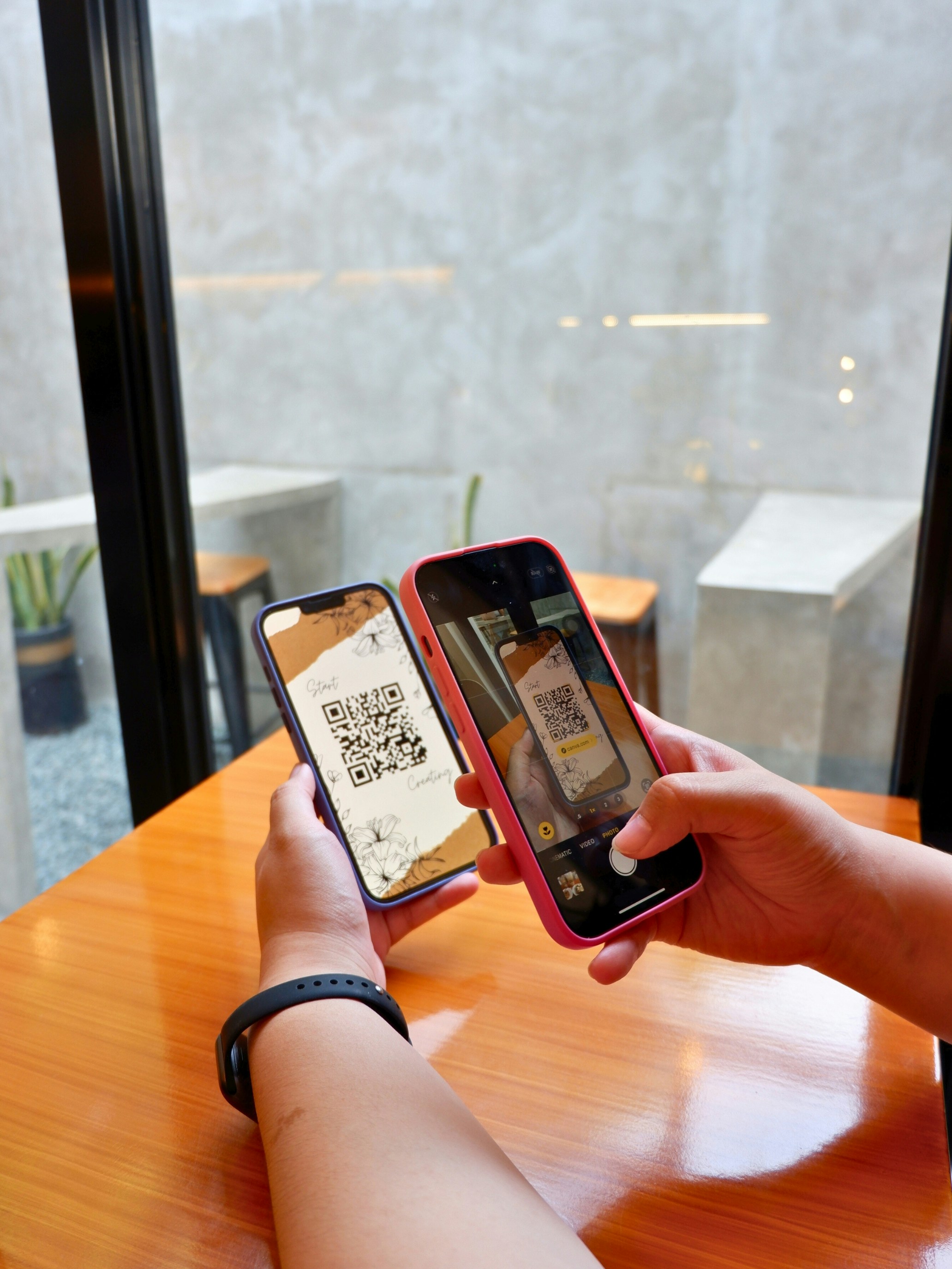
QR Codes, characterized by their square shape and ability to store large amounts of data, present a different set of challenges. Their complexity can affect readability when printed at a very small size, as the intricate patterns may become indistinguishable. Furthermore, QR Codes require a clear surface; any distortion or warping can result in scanning failures. Gradual fading of the code due to exposure to light may also reduce contrast and affect scanning capabilities.
Code 128 is another widely used barcode format, particularly in shipping and inventory systems. A notable challenge with Code 128 is that it can encode alphanumeric characters, which makes it versatile. However, the increased complexity requires that the code be printed with high precision. Factors such as proper contrast and spatial distortion can significantly impact the accuracy of scanning. Similar to other barcode types, environmental conditions, like humidity and temperature, can also affect the printed quality of Code 128.
Key Features in Barcode Testing Tools
When evaluating barcode testing tools, it is essential to consider several key features that directly impact the efficacy and reliability of the testing process. First and foremost is scanning speed. A tool that offers rapid scanning capability can significantly enhance productivity, especially in environments with high-volume scanning requirements. The effectiveness of barcode readability testing hinges on the tool’s ability to quickly and accurately interpret various barcode types, thus reducing downtime and expediting workflows.
Another critical feature is compatibility with various barcode formats. Barcodes are not one-size-fits-all; they come in numerous formats, including QR codes, UPC, EAN, and more. Therefore, a versatile testing tool that supports multiple barcode standards is essential for businesses that utilize a wide range of barcoding systems. This compatibility ensures that all potential barcode types can be tested without the need for multiple tools, optimizing resource management and reducing costs.
In addition to speed and compatibility, the user interface design of barcode testing tools plays a vital role in the overall user experience. A well-designed interface should be intuitive and user-friendly, allowing for seamless navigation and quick access to essential functionalities. A clear and organized layout can significantly reduce the learning curve for new users and improve efficiency in barcode testing tasks. Furthermore, features such as customizable settings, detailed reporting options, and easy software updates contribute positively to usability.
Lastly, effective barcode testing tools should offer robust support and documentation, enabling users to troubleshoot issues efficiently. Collectively, these features enhance barcode testing effectiveness, ensuring accurate readability, compliance with industry standards, and ultimately supporting the operational success of businesses.
Hardware Tools for Testing Barcode Readability
When it comes to ensuring barcode readability, having the right hardware tools is essential. There are various devices available, each serving unique functionalities and advantages that cater to different testing scenarios. Among these tools, handheld scanners are among the most commonly used. These portable devices are designed to read barcodes quickly and accurately, making them ideal for use in retail environments or warehouses. Handheld scanners are often lightweight, which enhances their mobility, allowing users to conduct tests in various locations effectively.
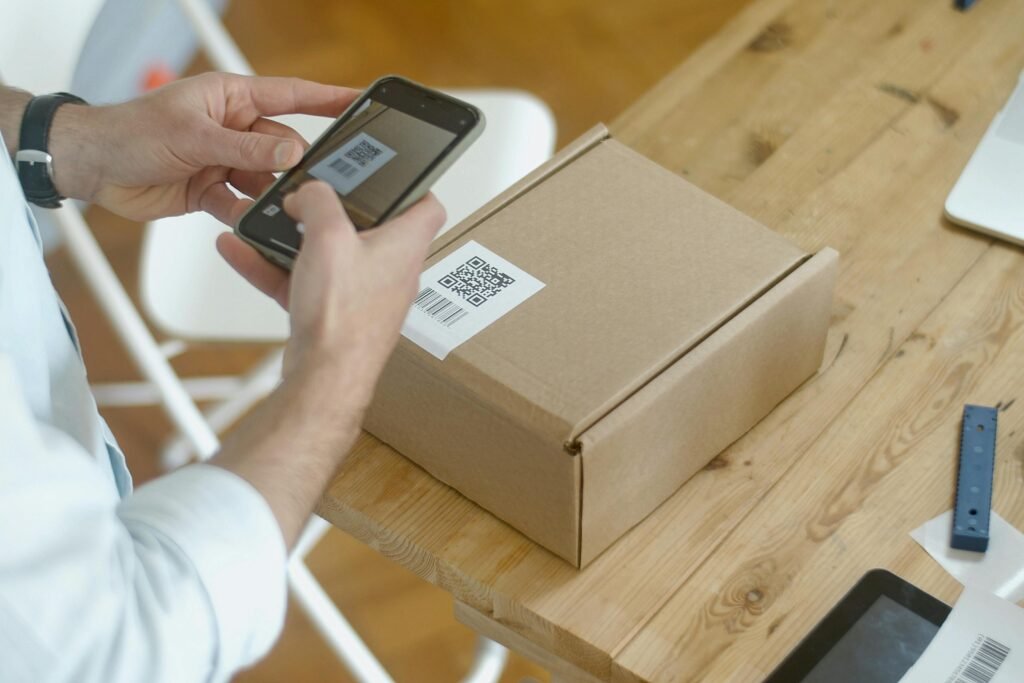
In addition to handheld scanners, mobile devices such as smartphones and tablets have emerged as versatile tools for testing barcode readability. With the integration of barcode scanning applications, these devices offer a convenient solution for businesses that may not require a dedicated scanner. Their functionality extends beyond simple scanning; they can also provide additional data processing options, making them suitable for logistics and inventory management. However, it is crucial to ensure that the smartphone’s camera and software capabilities are sufficient to read diverse barcode formats.
Another important hardware tool for testing barcode readability is the portable testing station. This setup typically comprises a high-quality scanner and a small computer or monitor, allowing a comprehensive assessment of various barcode attributes. Portable testing stations are particularly useful for quality assurance processes, where multiple barcode types must be evaluated under controlled conditions. These stations can simulate typical consumer interactions, providing insights into potential scanning issues before products reach the market.
In summary, choosing the right hardware tool for testing barcode readability is paramount. Handheld scanners, mobile devices, and portable testing stations each offer distinct functionalities suitable for different testing environments. By leveraging these tools appropriately, businesses can ensure their barcodes are consistently readable, thereby enhancing operational efficiency and customer satisfaction.
Software Solutions for Barcode Readability Analysis
Assessing barcode readability is essential for ensuring effective inventory management, sales tracking, and overall operational efficiency. Various software solutions cater to this requirement, providing capabilities that go beyond simple scanning. One of the widely recognized commercial options is BarTender, a label design and barcode printing software that features advanced data analytics and reporting functions. BarTender allows users to track barcode performance over time, helping businesses identify patterns and make informed decisions regarding their inventory processes.
Another commercial software that stands out is NiceLabel. It not only offers barcode design and printing capabilities but also integrates with existing systems seamlessly, making it easier to manage data across platforms. NiceLabel supports multiple barcode symbologies and provides detailed reports that can assist in evaluating the readability of barcodes, ensuring that they meet industry standards. This kind of integration is particularly beneficial for companies with complex supply chains.
On the open-source side, ZXing (Zebra Crossing) is a popular framework for barcode image processing. This software allows developers to incorporate barcode scanning and decoding functionalities into their applications without the need for extensive programming knowledge. ZXing supports a variety of barcode formats and can be utilized in both web-based and mobile applications, making it a flexible choice for diverse barcode readability testing needs.
In addition, Barcode Scanner SDK provides comprehensive software solutions geared toward developers looking to implement barcode scanning in their applications. The SDK offers various algorithms for barcode recognition, which aid in assessing the accuracy of barcode readings.
Ultimately, the selection of the right software solution depends on specific organizational needs, operational scale, and ease of integration with existing systems. Each software option available in the market presents unique features aimed at improving barcode readability analysis.
Best Practices for Effective Barcode Readability Testing
Conducting barcode readability testing necessitates the implementation of best practices to ensure accurate and reliable results. One of the first steps in establishing an efficient testing environment is to maintain appropriate lighting conditions. It is crucial to test barcodes in adequate lighting as dim or uneven lighting can lead to misreads due to glare or shadows impacting the barcode’s visibility. Additionally, ensuring that the scanning equipment is positioned correctly can significantly enhance scanning performance.
Regular maintenance of scanning devices plays a vital role in effective barcode readability testing. Dust and dirt can accumulate on barcode readers, causing interference during scans. Hence, routine checks and cleaning of scanners are essential to preserve their functionality. Furthermore, keeping firmware and software up to date not only optimizes scanning efficiency but also improves compatibility with various barcode formats. Establishing a maintenance schedule for barcode readers helps prevent potential issues that can negatively affect performance.
Another critical aspect to consider is the training of staff on proper scanning techniques. Employees who are well-versed in barcode scanning procedures are less likely to encounter errors during the testing process. Training should include guidance on the correct placement of barcodes relative to the scanner and techniques for handling packages to avoid barcode damage. Additionally, staff should be educated on recognizing unreadable barcodes and the steps to rectify such issues. Creating a comprehensive training program ensures consistency in scanning practices and contributes positively to overall testing accuracy.
Implementing these best practices in barcode readability testing establishes a framework for ensuring high-quality outcomes. Proper environmental setups, adherence to maintenance schedules, and staff training are all pivotal in achieving reliable barcode functionality, which can significantly influence operational efficiency in various sectors.
Case Studies: Success Stories in Barcode Readability Testing
Organizations across various industries have begun to recognize the critical importance of barcode readability testing tools in enhancing operational efficiency and accuracy. One notable example is a large-scale retail operation that implemented barcode readability testing as part of its inventory management system. Before the integration of these tools, the company faced significant challenges with stock discrepancies and expired products, leading to substantial financial losses. By employing a reliable barcode testing tool, the company achieved an impressive 97% accuracy rate in product scanning, drastically reducing customer complaints and improving overall satisfaction.
Another significant case is that of a healthcare provider that utilized barcode readability testing to ensure accuracy in patient medication administration. In this instance, the healthcare organization adopted specialized barcode scanners equipped with advanced readability testing software. This move resulted in a 70% decrease in medication errors, which not only enhanced patient safety but also brought about a reduction in litigation costs due to fewer adverse incidents. The successful implementation highlighted how proper testing tools could effectively safeguard human health and contribute to a more streamlined operational workflow.
A third example is a logistics company that turned to barcode readability testing tools to optimize its supply chain management. Initially plagued by inefficiencies and incorrect shipments, the firm integrated these tools into its warehousing and distribution processes. As a direct consequence, the company reported a reduction in operational costs by 15% within the first six months. Furthermore, the enhanced accuracy in inventory tracking led to improved customer satisfaction and a boost in repeat business.
These case studies exemplify the transformative effect of implementing barcode readability testing tools, showcasing their impact on accuracy, efficiency, and ultimately, the bottom line for organizations. Adopting such tools not merely enhances business operations but also fosters trust among consumers and partners alike.
Future Trends in Barcode Readability Testing Technology
As the world progresses towards greater automation and technological sophistication, the landscape of barcode readability testing technology is expected to evolve significantly. One of the most notable trends is the infusion of artificial intelligence (AI) and machine learning into barcode scanning processes. These technologies will enhance the precision and efficiency of barcode readability assessments by enabling systems to learn from previous scanning errors and improve their recognition capabilities over time. AI algorithms can be trained to identify patterns in barcode degradation or distortion, thus proactively addressing potential readability issues before they occur.
Moreover, mobile scanning applications are likely to become more prevalent, further democratizing the ability to test barcode readability. With the widespread adoption of smart devices equipped with high-resolution cameras and scanning applications, even small businesses will have access to robust tools for verifying barcode performance. These applications can provide instant feedback and analytics, allowing users to take immediate corrective measures if a barcode does not meet the necessary standards for readability. Enhancements in mobile technology will also facilitate the integration of augmented reality (AR), whereby users can visualize scanning issues in real-time.
Another promising area of development is the integration of barcode readability testing with Internet of Things (IoT) devices. This connection will allow for continuous monitoring of barcode performance across various environments, such as warehouses, retail outlets, and distribution centers. Sensors embedded in equipment or utilized in mobile formats will collect data on how different factors—such as lighting conditions and physical wear—affect barcode scanning efficiency. This real-time data collection will empower organizations to optimize their processes proactively, leading to improved supply chain management and minimized downtime due to scanning errors.
Conclusion and Recommendations for Businesses
In today’s fast-paced industrial environment, the criticality of barcode readability testing tools cannot be overstated. These tools play a substantial role in ensuring that barcodes are not only accurately read but also effectively scanned throughout the supply chain process. Poorly functioning barcodes can lead to significant errors, resulting in disrupted workflow and lost revenue across industries. Hence, investing in reliable barcode testing tools is essential for maintaining operational efficiency and accuracy.
When selecting barcode readability testing tools, companies should first assess their specific requirements. Factors such as the volume of barcodes processed, the types of barcodes utilized, and the environmental conditions under which scanning occurs should be carefully evaluated. For instance, businesses operating in extreme temperatures may need specialized equipment that can handle such conditions without compromising performance. Alternatively, those in warehouses with high-speed operations might prioritize tools that offer rapid testing capabilities.
Moreover, it is advisable for businesses to prioritize tools that provide comprehensive testing features. This includes the ability to analyze various barcode formats, as well as functionalities that simulate real-world conditions to mimic actual scanning scenarios. Such versatility can lead to more reliable quality assurance processes and enhance overall productivity.
Another significant consideration is the level of integration the tool offers with existing systems. Compatibility with current inventory management or point-of-sale systems can streamline operations and reduce the need for extensive training or adaptation. In essence, an optimal solution will combine effectiveness with ease of use.
In conclusion, businesses must thoroughly evaluate their unique needs while choosing barcode readability testing tools to reap the maximum benefits of increased accuracy and productivity. With the right tools in place, companies can ensure that their barcode systems work flawlessly, reducing errors and enhancing overall operational efficiency.
© barcodly.com- All rights reserved