
Introduction to Smart Home Technology
Smart home technology refers to a comprehensive ecosystem of devices and systems that allow homeowners to control and automate various aspects of their living environment. This technology encompasses a wide range of devices, including lighting systems, thermostats, security cameras, and appliances, all of which can be connected and managed through a central hub or smartphone application. The primary objective of smart home technology is to enhance convenience, security, and energy efficiency, fundamentally changing the way individuals interact with their living spaces.
One of the key features of smart homes is the ability to integrate multiple devices using wireless networks, such as Wi-Fi or Bluetooth. This interconnectivity facilitates seamless communication between devices, enabling users to monitor and control their home environment remotely, often from their mobile devices. For instance, a homeowner can adjust the thermostat, turn on the lights, or lock the front door, all from a single application—regardless of their location. Such functionality not only emphasizes convenience but also provides peace of mind when it comes to home security.
The rise of smart home technology has been largely driven by advancements in Internet of Things (IoT) infrastructure, which allows devices to communicate and share data. This has led to a proliferation of smart home products available to consumers, ranging from budget-friendly gadgets to high-end systems. As a result, smart homes are becoming increasingly prevalent in modern living, with many households adopting various technologies to improve their quality of life. By leveraging smart technology, homeowners can optimize energy usage, potentially lowering utility bills while promoting sustainability.
What are QR Codes?
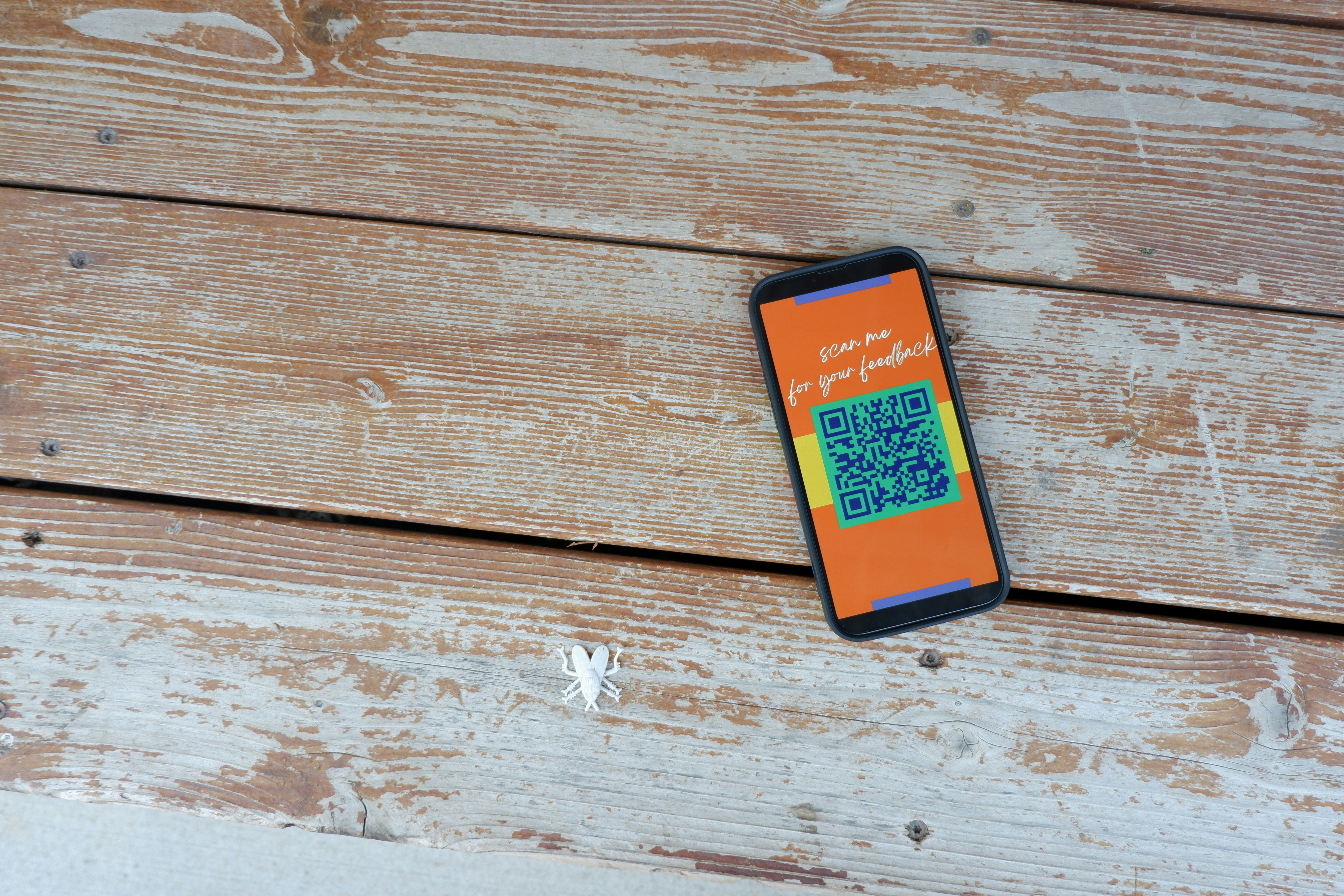
QR codes, or Quick Response codes, are two-dimensional barcodes that can store an array of information, making them valuable for a range of applications. Originally developed in 1994 by the Japanese company Denso Wave, QR codes were designed to track automotive parts in manufacturing. However, their versatility quickly led to broader uses beyond the automotive industry, evolving into a technology widely adopted in various fields.
Structurally, a QR code consists of black squares arranged on a white grid, which can be scanned by a camera or a smartphone. The information encoded within can include URLs, contact details, or even plain text. Generally, QR codes can hold up to 7,089 characters in a single code, which significantly surpasses traditional barcodes that can only store up to 20 alphanumeric characters. This immense capacity is one reason why QR codes have gained popularity—the ability to encompass a significant amount of data in a compact format.
The operational technology behind QR codes is relatively straightforward. A scanner or smartphone camera captures the image of the QR code, and specialized software interprets the data stored within. This is accomplished through pattern recognition, where the software identifies the arrangement of squares and translates it into readable information. The speed at which QR codes can be scanned, along with their ease of use, contributes to their growing appeal.
Today, QR codes are employed in various areas, including advertising, payment systems, and notably, smart home access. By integrating QR codes into smart home infrastructure, users can unlock doors or access their homes conveniently and securely. The evolution of QR code technology demonstrates its adaptability and significant role in modern digital landscapes.
Benefits of QR Codes for Smart Home Access
In the rapidly evolving landscape of smart home technology, QR codes emerge as a pivotal tool that simplifies home access. Their convenience is one of the most attractive benefits, allowing homeowners to unlock doors with a simple scan using a smartphone. This streamlined approach eliminates the need for traditional keys or access cards, which can be cumbersome and easily lost.
Furthermore, QR codes enhance security measures for smart home systems. Unlike physical keys, which can be duplicated, QR codes can be programmed to expire or change regularly, reducing the risk of unauthorized access. For instance, homeowners can regularly update their QR codes, ensuring that former guests or service providers no longer have entry. This adaptability not only fortifies security but also offers peace of mind to residents.
Another significant benefit is the contactless entry feature facilitated by QR codes. In a world increasingly attuned to health and hygiene, contactless solutions are particularly appealing. Homeowners can grant access without the need for physical interaction, which is especially important in situations where social distancing is advisable.
Sharing access with family members or guests becomes remarkably easy with the use of QR codes. Homeowners can send a digital code via text or email, allowing them to grant temporary access without the need to be present physically. This efficient method is especially useful for short-term visitors or service personnel.
Moreover, adopting QR codes can lead to potential cost savings when compared to traditional access methods. By minimizing the need for physical key production and associated hardware, homeowners can significantly reduce expenses, making QR codes not just a technological advancement but also a financially prudent choice.
How to Set Up QR Codes for Your Smart Home
Setting up QR codes to manage your smart home efficiently can significantly enhance convenience and security. Follow these systematic steps to integrate QR codes into your smart home system.
First, ensure you have the necessary hardware and software. A smartphone or tablet is essential for scanning QR codes, and it should have a QR code reader or a camera app capable of scanning. Additionally, a reliable smart home system is required, which consists of compatible devices such as smart locks, lights, or thermostats. If your system supports it, check if there is an app available for your smart devices.
Next, you need to generate QR codes for each device or feature you wish to control within your smart home environment. Various online tools are available that allow users to create QR codes free of charge. These tools typically allow users to input a URL or specific command that corresponds to the function of the device – for example, turning on a smart light or unlocking a door.
Once you generate the QR code, download and print it or save it on your mobile device. Ensure that it is accessible and placed where it is convenient to scan. To link the QR codes to your existing smart home systems, simply follow the command connected to the QR code. This may involve linking the QR action to the action commands in your smart home app.
Finally, conduct testing to confirm that each QR code functions as intended. It is advisable to label each QR code for easier identification, enhancing user experience. By systematically incorporating QR codes into your smart home setup, you can streamline your interactions and promote efficient management of your smart devices.
Ensuring Security When Using QR Codes
As the use of QR codes in smart home technology becomes more prevalent, security concerns inevitably arise. The accessibility and convenience of QR codes can also make them vulnerable to hacking and unauthorized access. To mitigate potential risks, several best practices can be implemented to ensure the secure usage of QR codes in a home environment.
Firstly, regularly changing the QR codes used for access can significantly enhance security. By updating codes periodically, you diminish the chance for unauthorized personnel to gain repeated access to your smart home systems. For optimal results, consider implementing an automated rotation of QR codes, ensuring that users can still access the necessary functions while maintaining a level of security that combats potential breaches.
Secondly, educating users about safe scanning practices is crucial. Individuals should be made aware of risks associated with scanning QR codes from untrusted sources. It is advisable to scan QR codes from known and verified platforms, as malicious QR codes can redirect users to phishing websites or harmful applications. Training users to verify the source of the QR code can be an effective method to reduce the risk of security breaches.
Moreover, utilizing dynamic QR codes can further protect access. Unlike static codes, dynamic QR codes allow for changes to the destination URL while maintaining the same QR code, thus enabling better control over which users can access particular systems within the smart home. This capability offers an additional layer of security.
Lastly, consider incorporating complementary security measures. Implementing multi-factor authentication or biometric verification can strengthen security for those QR codes that provide access to more sensitive areas of the smart home. Ultimately, the combination of these practices will foster a fortified security environment while enjoying the benefits offered by QR codes in smart home access.
Case Studies: QR Codes in Action
In the realm of smart home technology, QR codes have emerged as a transformative approach to enhancing security and access management. Several case studies demonstrate their real-world applications, showcasing how homeowners and businesses are leveraging this technology to streamline the user experience.
One notable instance involves a residential security system utilizing QR codes to facilitate access for visitors. In this case, the homeowner installed a smart doorbell integrated with a QR code generator. When guests arrived, they could scan a unique QR code created for their visit, granting them temporary access to the premises. This method not only improved security by limiting access to specific time frames, but it also eliminated the need for physical keys, which can be lost or duplicated.
Another example can be found in the hospitality industry. A boutique hotel implemented QR codes as a part of their seamless check-in experience. Guests receive a QR code via email upon booking, which they can present upon arrival. The hotel’s smart access system scans the code, allowing guests to unlock their room doors without the need for traditional key cards. This case illustrates the versatility of QR codes in making the check-in process more efficient while enhancing the guest experience.
Additionally, a smart apartment complex adopted QR codes for residents to manage shared facilities, such as gyms and lounges. Each resident receives a personalized QR code that grants them access to these common areas. This system not only simplifies the entry process but also aids in tracking usage, ensuring that facilities are properly maintained and available exclusively to residents.
These real-world applications of QR codes in smart homes highlight their practicality and effectiveness. From boosting security to simplifying access management, QR codes serve as a valuable solution in the rapidly evolving landscape of smart home technology.
Future Trends in Smart Home Access Technologies
As technology continues to advance, smart home access methods are evolving rapidly, with QR codes emerging as a versatile solution for secure and convenient entry. However, the future of smart home access is likely to encompass a mix of innovations, including biometric authentication systems. These technologies leverage unique physical traits, such as fingerprints or facial recognition, to grant access, offering a layer of security that is both efficient and user-friendly.
Biometric technologies present both similarities and differences compared to QR codes. Like QR codes, they aim to enhance security and streamline user access to smart homes. However, while QR codes require scanning a code, biometric systems utilize inherent characteristics for immediate authentication. This distinctive feature may lead to increased adoption of biometrics in smart home access, driven by the growing demand for robust security measures against unauthorized access.
The integration of both QR codes and biometric systems could represent a significant trend in the smart home industry. Envision a future where guests can gain temporary access via a QR code while residents utilize biometric methods for routine entry. This hybrid approach would not only enhance security but also ensure a convenient user experience. Additionally, as smart home management systems evolve, companies may develop unified platforms that enable users to combine multiple access technologies for greater flexibility.
Ultimately, the convergence of QR codes and emerging biometric technologies in smart home access signifies a shift towards more sophisticated security solutions. It embodies a proactive response to the increasing need for convenient yet secure access methods in the face of rising security threats. As residential spaces continue to incorporate intelligent technologies, we can anticipate an exciting future shaped by these advancements in access management.
Common Challenges and Solutions
While the integration of QR codes in smart home access presents numerous advantages, users often encounter challenges that can impede their experience. One of the primary issues is technical difficulties, including problems with scanning QR codes or connectivity issues. For instance, if a user’s smartphone camera fails to recognize the QR code due to poor lighting or dirt, access can become frustrating. To mitigate this, it is advisable to ensure that the QR code is kept clean and placed in well-lit areas. Furthermore, users should regularly update their devices and QR scanner applications to the latest versions, as this can enhance performance significantly.
Another challenge is user resistance, particularly among individuals who may not be tech-savvy or are wary of integrating new technology into their homes. This apprehension can stem from a lack of understanding of how QR codes function or concerns about security. To address these fears, educational resources should be provided, demonstrating the ease and security of QR code usage. Offering workshops or instructional videos can empower users by showing them the straightforward process of accessing their smart home systems using QR codes.
Additionally, integration difficulties may arise when connecting QR codes with various smart home devices that vary in compatibility. For effective integration, it is essential to ensure that the smart home ecosystem supports the QR code technology being used. Users should consult manufacturer guidelines and select devices that are designed to work in tandem with QR codes. By promoting interoperability within smart home products, users can experience a seamless transition and operational efficiency.
Addressing these common challenges effectively can foster a more user-friendly experience with QR codes in smart home access while maximizing the benefits of this innovative technology.
Conclusion: The Smart Choice for Home Access
In today’s fast-paced world, managing home access has become an essential aspect of ensuring security and convenience. The discussion around the use of QR codes in smart home systems has illustrated numerous advantages that these codes offer. Firstly, QR codes provide a user-friendly alternative to traditional keys or access cards, enabling seamless entry with just a quick scan. This innovation eliminates the need for physical keys, ensuring that homeowners can access their properties effortlessly without the burden of carrying additional items.
Moreover, the implementation of QR codes enhances overall home security. Unlike traditional keys, which can be easily lost or stolen, QR codes can be generated and revoked at will. This feature allows homeowners to manage access permissions effectively. By simply creating a temporary QR code for guests or service personnel, homeowners can maintain control over who enters their space without compromising on convenience.
Additionally, QR codes can be integrated with various smart home technologies, allowing for automated access processes. For instance, when a guest scans the QR code, it can trigger a series of automated systems, such as unlocking doors and disarming security alarms, thereby streamlining the entry experience. This interoperability promotes a more cohesive smart home ecosystem, ultimately contributing to an improved quality of life.
In conclusion, QR codes represent a smart choice for home access, combining convenience, security, and technological advancement. As more homeowners consider innovative solutions for managing access, the adoption of QR codes stands out as a viable and effective option. Embracing this technology not only enhances home security but also simplifies everyday living, making it an essential consideration for modern homeowners.
© barcodly.com- All rights reserved