
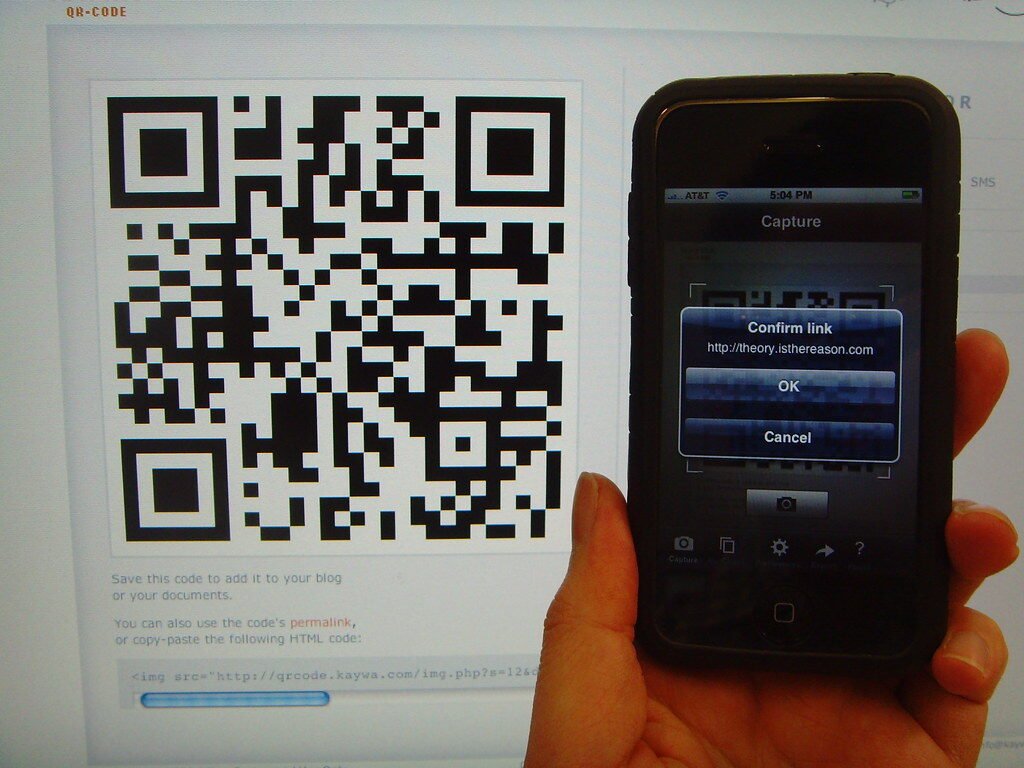
Introduction to Barcode Scanning
Barcode scanning has become an integral component of modern retail operations, streamlining the process of inventory management and checkout. The implementation of barcode technology facilitates the quick and accurate identification of products, thus enhancing operational efficiency. A barcode is a visual representation of data that encodes information about a product, typically including its price and other critical details. When scanned at checkout, the information is conveyed to the point-of-sale (POS) system, allowing for swift transactions.
The significance of barcodes lies in their ability to reduce human error during data entry, minimize transaction times, and improve inventory tracking. Retailers utilize various barcode formats, including UPC (Universal Product Code), EAN (European Article Number), and QR codes, each serving to provide precise information essential for effective product management. These codes can be printed directly on product packaging or displayed on digital platforms, engaging customers further in the shopping experience.
Despite their advantages, barcode scanning is not without challenges. Common issues such as barcode errors can arise from various factors, including poor printing quality, damaged labels, or misconfigurations in scanner settings. These errors may lead to discrepancies in pricing, stock management, and transaction times, ultimately affecting customer satisfaction and operational reliability. Understanding the root causes of these barcode errors is crucial for retailers aiming to enhance checkout experiences. Addressing these issues through regular maintenance and staff training can lead to improved accuracy during scanning processes and increased efficiency across all retail operations.
Types of Barcode Errors
Barcode errors at checkout can significantly hinder the efficiency and accuracy of sales transactions. These errors can be broadly categorized into three main types: scanning errors, data mismatches, and human errors.
Scanning errors occur when the barcode scanner misreads or fails to read a barcode entirely. This can happen due to a variety of reasons, such as physical damage to the barcode itself, poor printing quality, or inappropriate scanning angles. For example, if a barcode is scratched or smudged, the scanner might not be able to interpret the information accurately, leading to transaction delays or incorrect item pricing. Additionally, environmental factors like poor lighting or dirt on the scanner lens can exacerbate this issue.
Data mismatches represent another category of barcode errors. This occurs when the data encoded in the barcode does not correspond to the information stored in the point-of-sale (POS) system. Such discrepancies can arise from outdated inventory databases or errors during the data entry process. For instance, if a new product is received and added to the inventory system without updating the barcode data, scanning the barcode may result in an ‘item not found’ error. This leads to frustration for both customers and checkout personnel, ultimately affecting customer satisfaction.
Finally, human errors contribute to barcode inaccuracies as well. These errors often stem from incorrect manual input or oversight by staff. For instance, a cashier may accidentally scan the wrong item due to inattention or misinterpretation of product categories. In busy retail environments, this can lead to costly mistakes, such as incorrectly charging a customer or failing to correctly process discounts linked to barcodes. As shopping centers strive for efficiency, understanding these types of barcode errors is crucial for improving overall operational effectiveness and customer experience.
Common Causes of Barcode Errors
Barcode errors at checkout can arise from multiple factors that affect the ability of a barcode scanner to read the data accurately. One of the primary causes is physical damage to the barcode. This may include scratches, smudges, or tears that obstruct the barcode’s patterns. Such impairments can hinder the laser or imaging sensor of the scanner from interpreting the barcode’s information correctly. Therefore, maintaining the physical integrity of the barcode is vital for ensuring a seamless checkout process.
Environmental factors also play a significant role in barcode read errors. Poor lighting conditions can affect the scanner’s ability to capture the barcode effectively. For instance, excessive glare or dim lighting can prevent the scanner from distinguishing barcode patterns, leading to multiple attempts before a successful scan. Additionally, the scanning distance can impact the results; if a barcode is scanned from too far away or too close, the scanner may struggle to decode the information accurately.
Barcode size and design can also contribute to reading difficulties. If the barcode is too small, it may not contain enough contrast or resolution to be accurately read by the scanner. Similarly, complex designs or the use of colors that do not provide sufficient contrast can cause scanning inaccuracies. Attention to design specifications is critical, ensuring that barcodes meet the necessary size and clarity standards for optimal scanner performance.
Finally, system-related problems, such as outdated software or incompatible hardware, can also lead to barcode errors at checkout. If the scanning system is not regularly updated or lacks compatibility with certain barcode formats, it may fail to process scans correctly. Regular maintenance and updates are essential to avoid these technological pitfalls that lead to errors during the checkout process.
Impact of Barcode Errors on Retail Operations
Barcode errors can significantly disrupt retail operations, leading to a myriad of negative implications that extend beyond mere inconvenience. One of the most immediate impacts is on customer satisfaction. When a barcode fails to scan correctly, it can cause delays at the checkout, frustrating customers who expect a quick and efficient shopping experience. This dissatisfaction can result in abandoned purchases, damaging customer loyalty and potentially harming future sales. Retailers must be aware that a single barcode error can lead to broader implications, including negative word-of-mouth and diminished brand reputation.
Furthermore, barcode errors adversely affect inventory management. Accurate inventory tracking is crucial for maintaining optimal stock levels and ensuring that popular items are readily available for customers. When barcodes fail to scan or return incorrect data, it complicates the process of monitoring stock levels, leading to either overstocking or stockouts. This inconsistency can result in financial losses and inefficiencies because retailers may order excess inventory or miss opportunities due to depleted stock, affecting overall operational performance.
The relationship between barcode errors and sales performance is also critical to consider. Each error not only has the potential to directly impact immediate sales but can also adversely influence long-term revenue. For instance, if regular customers experience repeated checkout frustrations due to barcode issues, they may choose to shop elsewhere. Consequently, retailers could see a downturn in sales and overall profitability over time. Addressing barcode errors thus emerges as essential for maintaining a seamless retail environment that fosters customer retention and drives continuous sales growth.
Preventing Barcode Errors
Barcode errors at checkout can lead to significant inefficiencies and reduced customer satisfaction. To address this, retailers can implement several practical strategies designed to minimize such errors and enhance overall operational efficiency.
First and foremost, training staff is essential. All employees involved in the checkout process should undergo comprehensive training that covers the nuances of barcode scanning. This includes understanding how to correctly align items for scanning and recognizing common errors, allowing them to proactively address these issues as they arise. Continuous training refresher courses can also aid in maintaining high standards and keeping staff updated on best practices.
In addition to staff training, regular maintenance of scanning equipment plays a pivotal role in error prevention. Retailers should establish a routine maintenance schedule to ensure that barcode scanners are functioning optimally. This involves cleaning the scanner lenses, checking for physical damage, and ensuring that software is updated regularly. Equipment that functions at peak performance may significantly reduce the chances of misreads and scanning errors during the checkout process.
Lastly, the quality of barcode labels utilized can greatly influence accuracy. Retailers should invest in high-quality barcode labels that are durable and resistant to wear and tear. Using labels that adhere properly can prevent them from becoming unreadable over time. Additionally, ensuring that barcodes are printed with clarity and high contrast can improve scanner recognition rates. It is also advisable to consider the environment where these labels are used, as factors such as lighting and storage conditions can impact their legibility.
Incorporating these strategies will not only help minimize barcode errors but will also enhance customer satisfaction and operational efficiency in retail environments.
Technological Advances in Barcode Scanning
Recent years have witnessed significant advancements in barcode scanning technology, transforming the retail landscape by enhancing operational efficiency and minimizing errors at checkout. These innovations encompass a wide range of factors, including improved scanning devices, advanced software solutions, and the seamless integration of mobile technology.
Modern barcode scanners are equipped with sophisticated imaging and decoding capabilities. For instance, 2D scanners can read both one-dimensional (1D) and two-dimensional (2D) barcodes, improving versatility and increasing scanning accuracy. These devices utilize advanced algorithms that swiftly interpret barcode information, even in suboptimal conditions, such as poor lighting or when the barcode is damaged. Such improvements drastically reduce the likelihood of errors that can arise from misreads during checkout processes.
Another key aspect of technological advancement is the evolution of software applications that support barcode scanning. Inventory management systems now feature real-time data integration, allowing for instant updates on stock levels and product availability. This real-time tracking ensures that the data being scanned correlates accurately with the items at the checkout, significantly decreasing the chances of mismatches and errors that may result from outdated or incorrect inventory information.
Moreover, the advent of mobile technology has revolutionized how barcode scanning is approached. Retailers are increasingly adopting mobile devices, such as smartphones and tablets, equipped with barcode scanning applications. This mobility allows employees to perform checks and scans anywhere within the store, enhancing the customer experience and improving service efficiency. Mobile-based systems also provide additional flexibility by allowing users to access supplementary product information quickly, thereby facilitating informed purchasing decisions.
In conclusion, the ongoing advancements in barcode scanning technology, characterized by enhanced devices, sophisticated software, and mobile integration, play a critical role in minimizing checkout errors and improving overall retail operations. As technology continues to evolve, the capabilities of barcode systems will only strengthen, leading to further reductions in miscommunication and inaccuracies at the point of sale.
Case Studies of Barcode Error Management
Barcode errors can lead to substantial operational inefficiencies and customer dissatisfaction. To better understand how retailers can effectively manage and rectify these issues, we can examine several case studies that highlight the challenges faced and the strategies implemented to resolve barcode errors.
One prominent case involves a national grocery chain that experienced frequent pricing discrepancies due to faulty barcode scanning. Customers often reported being charged incorrectly at the checkout, which led to a wave of negative feedback. To combat this, the retailer implemented a comprehensive audit of its barcode labeling process. This included retraining staff to ensure proper scanning techniques, as well as investing in new high-resolution barcode scanners that significantly reduced misreads. As a result, customer complaints dropped by 40% within the first quarter of implementation, demonstrating the importance of quality hardware in reducing barcode errors.
Another notable instance involves an electronics retailer that struggled with inventory management linked to barcode issues. The retailer found that products displayed inaccurate pricing information at checkout due to outdated barcodes not being updated in the system. In a bid to address this, the retailer adopted an automated system that allowed real-time updates for barcodes and inventory levels. The system utilized cloud technology to synchronize product information across all locations. Subsequently, this initiative led to a dramatic decrease in checkout errors and improved overall sales accuracy.
A third example involves a clothing retailer that faced challenges during peak sales seasons. It found that the surge in transactions overwhelmed its existing barcode scanning processes, causing numerous errors. To mitigate this problem, the retailer introduced a queue management system that redirected customers towards the less crowded checkout lines. They also phased in a self-checkout system equipped with improved scanning technology, thereby enhancing efficiency and customer satisfaction during high traffic periods.
These case studies underscore the significance of proactive measures in barcode management. By identifying the root causes of barcode errors and implementing targeted solutions, retailers can not only enhance operational efficiency but also elevate the consumer shopping experience, ultimately fostering greater loyalty and satisfaction.
Future Trends in Barcode Technology
As technology continues to evolve, barcode technology is poised for significant advancements that promise to enhance efficiency and reduce errors in retail environments. One notable trend is the integration of automation in inventory management systems. Automated solutions will leverage real-time data processing capabilities to streamline checkout and stock replenishment processes. This automation can lead to reduced human errors, enabling retailers to maintain more accurate inventory records and improve customer satisfaction.
Another anticipated development is the incorporation of artificial intelligence (AI) into barcode scanning systems. AI-enabled barcode scanners can analyze patterns in scanning data and predict potential errors, thus enabling proactive measures to be taken prior to checkout. By learning from previous transactions, these intelligent systems can optimize product placements and refine scanning techniques to enhance overall operational efficiency.
Moreover, while traditional barcodes remain prevalent, advancements in Radio Frequency Identification (RFID) technology present a viable alternative or complement. RFID tags do not require direct line-of-sight for scanning, which significantly enhances the speed and accuracy of checkout processes. As RFID technology becomes more affordable and accessible, its implementation in retail environments is anticipated to grow, allowing retailers to monitor inventory levels with unparalleled precision.
In addition to these technological advancements, another trend to consider is the increasing integration of mobile devices in barcode scanning. With the proliferation of smartphones, customers are more frequently engaging in self-checkout and mobile payment options. This shift necessitates the continuous improvement of barcode scanning capabilities on mobile devices, ensuring that the scanning experience remains seamless and reliable.
Conclusion
Understanding barcode errors at checkout is crucial for retail businesses seeking to optimize their operations and enhance customer satisfaction. Throughout this blog post, we have examined various causes of barcode errors, which can stem from issues related to scanning devices, product labeling inaccuracies, or even operational inefficiencies. Each of these factors can disrupt the smooth flow of transactions, leading to increased wait times and customer frustration.
Moreover, we have highlighted several solutions that retailers can implement to mitigate these errors. Regular maintenance of barcode scanners, staff training on proper scanning techniques, and ensuring product labels are clear and accurate are essential steps that can significantly minimize the occurrence of checkout errors. Additionally, investing in advanced technologies such as mobile point-of-sale systems can further streamline the checkout process and reduce dependency on traditional barcode scanning.
It is essential for retail businesses to recognize the impact that barcode errors can have not only on operational efficiency but also on overall customer experience. By addressing these issues proactively and implementing effective solutions, retailers can create a more seamless checkout experience, thereby fostering customer loyalty and encouraging repeat business. To summarize, understanding the causes and solutions related to barcode errors is integral to refining retail processes and ultimately achieving success in a competitive marketplace.
© barcodly.com- All rights reserved