
Understanding Barcode Technology
Barcode technology has revolutionized the way businesses manage and track products, inventory, and data. At its core, a barcode is a machine-readable representation of information, commonly used to encode data related to a particular item. This information can include product numbers, stock levels, and various identification tags, all of which facilitate efficient data management.
Barcodes consist of series of black and white lines or squares, where the spacing and thickness of these lines convey specific information. They are typically generated using specialized barcode generation software that encodes the relevant data in a standardized format. The primary components of a barcode system include the barcode itself, barcode scanners, printers, and the software that manages the information processed by the scanners.
There are several types of barcodes, each suited for different applications. Linear barcodes, such as UPC (Universal Product Code) and EAN (European Article Number), are most commonly used in retail for tracking consumer goods. 2D barcodes, including QR codes and Data Matrix codes, can store a significant amount of information and are increasingly used for marketing and mobile applications. These barcodes use patterns of squares or dots, allowing them to hold more data compared to their linear counterparts.
Moreover, barcode scanners come in various forms including handheld, fixed mount, and mobile options, each designed to cater to specific applications and environments. The choice of scanner is critical, as it influences the speed and accuracy of data capture, impacting overall operational efficiency. Understanding the different types of barcodes and their respective scanners is essential for businesses aiming to optimize their inventory management and streamline operational processes.
Types of Barcode Scanners
Barcode scanners are essential tools for efficiently capturing and managing product information across various sectors. Understanding the different types of barcode scanners available in the market is crucial for selecting the right device that aligns with your operational needs. The primary types include handheld scanners, fixed-mount scanners, and mobile barcode scanners, each with its own distinct features and use cases.
Handheld barcode scanners are among the most common forms used in retail and inventory management. These devices are typically lightweight and portable, allowing users to easily scan items from various angles. Handheld scanners often connect via USB, Bluetooth, or Wi-Fi, providing flexibility in scanning processes, particularly in environments with high volumes of items. Their versatility makes them ideal for stocktaking and point-of-sale systems.
Fixed-mount scanners, on the other hand, are designed for stationary applications. These scanners are typically installed at conveyor belts or checkout counters, where they can continuously read barcodes as products pass by. Fixed-mount models are advantageous in environments where speed and efficiency are critical, such as warehouses and production lines. They often support multiple barcode formats and can handle high-throughput operations, ensuring minimal delays in processing.
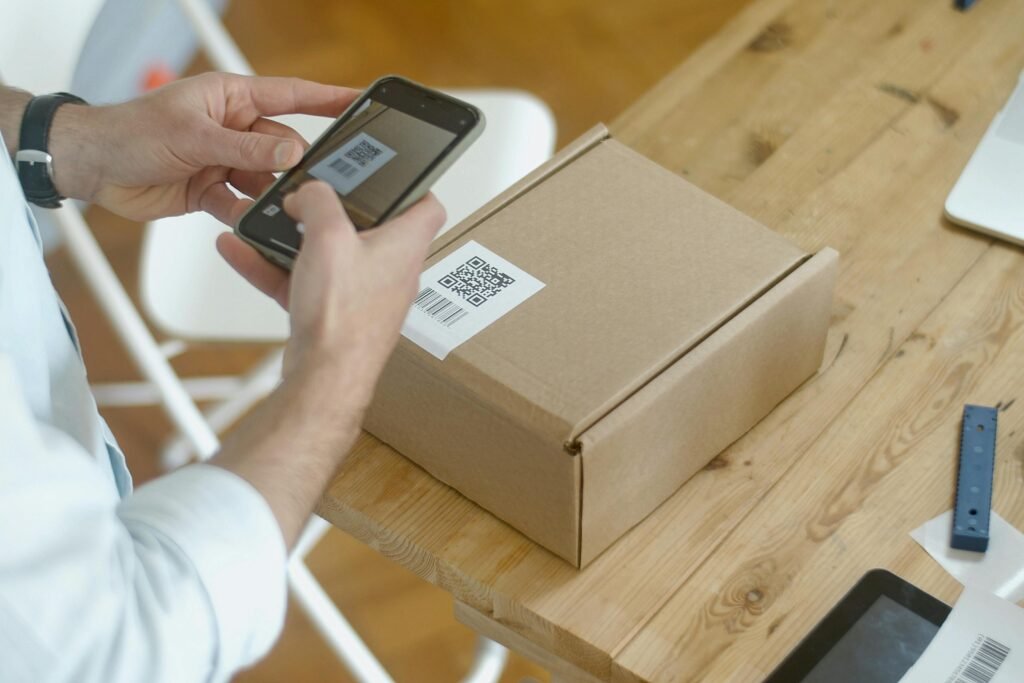
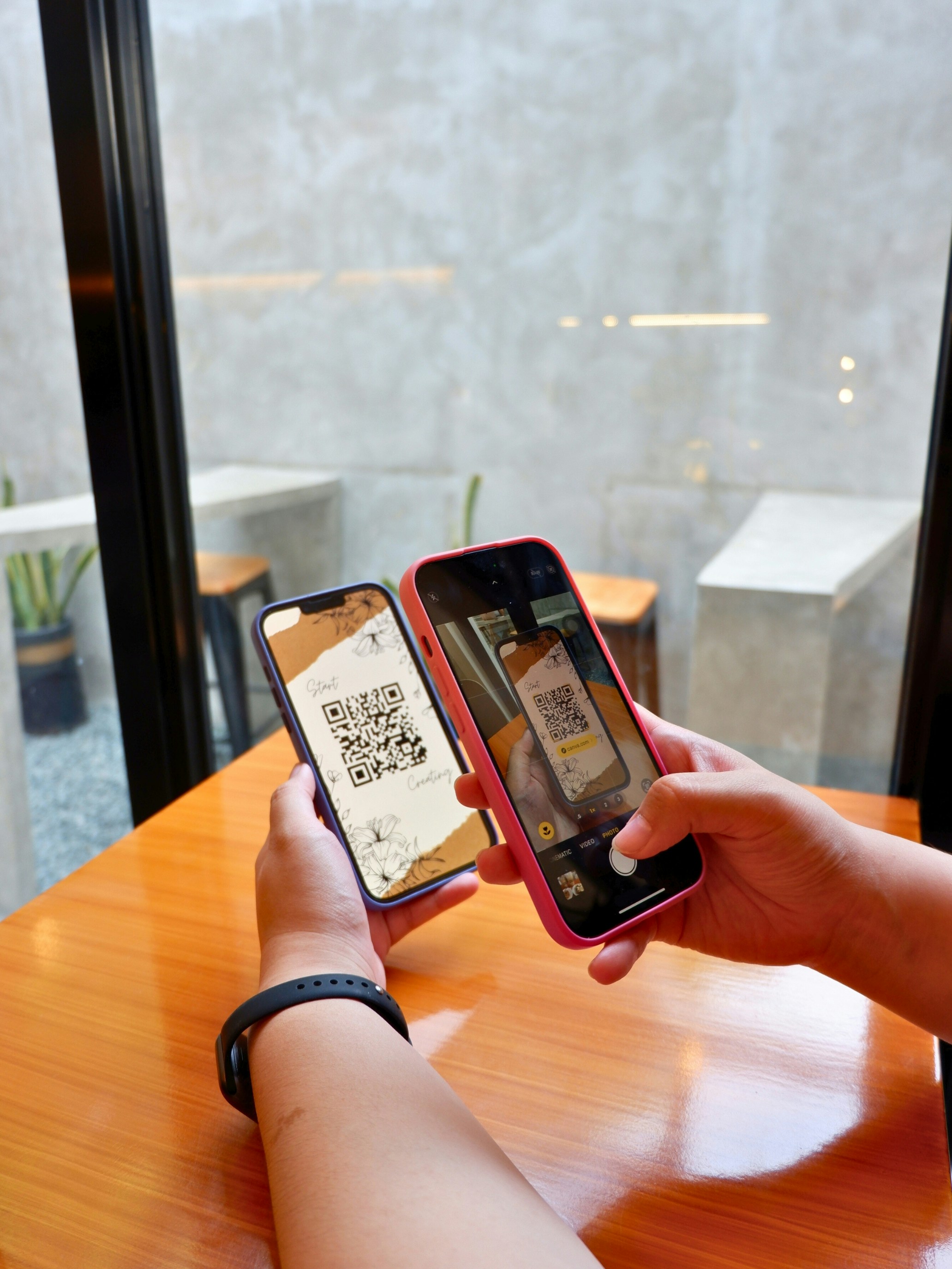
Mobile barcode scanners, often integrated into smartphones or tablets, represent the latest trend in barcode scanning technology. These devices combine the functionalities of traditional scanners with the flexibility of mobile computing. Equipped with relevant applications, mobile scanners enable users to manage inventory, track shipments, and even perform customer engagement tasks. They are particularly beneficial for businesses that operate in varied settings, such as field service or logistics operations.
Each type of barcode scanner has unique benefits, and evaluating their features will guide you in selecting the perfect scanner for your specific applications and workflow. By understanding these differences, businesses can ensure efficient data capture while enhancing their overall productivity.
Key Features to Consider
When selecting a barcode scanner, it is essential to evaluate several key features that can significantly impact its performance and compatibility with your specific needs. The first feature to consider is scan speed. A barcode scanner with high scan speed ensures that inventory management processes or checkout lines operate efficiently, minimizing wait times for both customers and employees. Look for scanners that can read codes quickly, ideally achieving several hundred scans per second.
Accuracy follows closely as a critical attribute. A reliable barcode scanner should be able to read codes accurately under various conditions, including low lighting or while the scanned items are in motion. This accuracy reduces errors in data entry, which can lead to inventory discrepancies and financial losses.
Durability is another vital characteristic to assess, particularly if the scanner will be used in high-traffic or rugged environments. Opt for devices constructed with robust materials and those rated for drop resistance. This will ensure longevity and reliability, even in demanding settings, such as warehouses or retail stores.
The connectivity options available on a barcode scanner are equally important. Depending on your operational setup, you may need USB, Bluetooth, or Wi-Fi capabilities for seamless integration with existing systems. Bluetooth-enabled scanners provide greater mobility, which can enhance workflow in retail environments where staff may need to move freely.
Lastly, the compatibility with different barcode formats is an essential feature to evaluate. A versatile barcode scanner should support various formats, including 1D and 2D codes like QR codes, ensuring that you can capture all necessary data without being limited by the technology used in your inventory.
Assessing Your Business Needs
When selecting a barcode scanner, it is essential to first assess your specific business needs. Analyzing factors such as transaction volume, operational environment, and intended applications will guide you in making an informed decision. Understanding these elements will not only enhance efficiency but also ensure the scanner is a valuable asset within your operational framework.
The first consideration is the volume of transactions your business processes. If your operations involve a high turnover of items, such as in a retail environment, you will require a barcode scanner that can handle rapid scanning without compromising on accuracy. High-performance fixed or handheld scanners designed for fast-paced transactions can significantly reduce checkout times and improve customer satisfaction. Conversely, businesses with lower transaction volumes may opt for basic models that cater to infrequent scans while providing reliable functionality.
Equally important is the environment in which the scanner will be used. For instance, retail stores may require scanners that are resilient to drops and spills, whereas warehouse environments would benefit from devices featuring enhanced durability and an extended scanning range. In contrast, field applications necessitate portable scanners that are lightweight, compact, and capable of capturing barcodes in a variety of lighting conditions, ensuring versatility across diverse job sites.
Furthermore, identifying specific applications is crucial in narrowing down the type of barcode scanner you need. If your primary focus is inventory management, you may need a scanner with inventory software compatibility or data capture features that streamline stock tracking. For point-of-sale scenarios, a user-friendly scanner that integrates seamlessly with the existing checkout system can enhance overall efficiency. By thoroughly evaluating your operational requirements and understanding the role of barcode scanners within your business, you can secure a device that meets your expectations and contributes positively to operational efficiency.
Budget Considerations
When embarking on the journey to select a barcode scanner, one of the most critical aspects to address is budgeting. Barcode scanners are available in a diverse range of prices, reflecting various types and models suited for different needs. The cost of a barcode scanner can range from as low as $50 for basic handheld models to over $1,500 for advanced stationary systems with specialized capabilities. Understanding this price spectrum is crucial to making a well-informed decision.
While it may be tempting to opt for the least expensive option, it is essential to strike a balance between cost and features. Basic barcode scanners may suffice for small volume operations or businesses with minimal scanning requirements. However, investing in a higher-end model may provide significant advantages for companies handling larger inventories or requiring more complex functionalities. Features such as durability, scanning speed, connectivity options, and compatibility with various barcode types can greatly affect productivity in the long run.
In this context, evaluating the long-term value of a barcode scanner is vital. While an initial investment in a more expensive, high-quality scanner may seem daunting, the potential savings in labor costs, time efficiency, and reduced error rates can ultimately justify the upfront expense. Furthermore, high-end scanners often come with warranties and customer support, which can alleviate future repair or replacement costs.
Ultimately, when budgeting for a barcode scanner, it is advisable to consider the specific needs of your business, potential growth, and the overall impact that the scanner will have on operational efficiency. Careful cost consideration, coupled with an understanding of necessary features, will lead to an informed purchasing decision and enhanced productivity in the workplace.
Brand Reputation and Support
When selecting a barcode scanner, the reputation of the brand plays a crucial role in determining the reliability and overall satisfaction of the product. A well-established brand is often an indicator of quality and performance, as it has likely built a track record over the years. Consumers should research various manufacturers to assess their market presence and how long they have been in the industry. This history can provide insights into their commitment to innovation and product development.
In addition to brand longevity, customer reviews are essential in evaluating the overall reputation of a barcode scanner manufacturer. Potential buyers should look for feedback from existing users, as their experiences can reveal vital information regarding performance, durability, and usability. Online platforms such as tech forums, product review sites, and social media can serve as valuable resources for gathering this information. An abundance of positive reviews typically signifies a reliable product, while a pattern of negative feedback may warrant caution.
Furthermore, after-sales support is a critical component of the overall customer experience when investing in a barcode scanner. Manufacturers that provide comprehensive warranties and robust customer service demonstrate a commitment to their buyers. Potential customers should consider companies that offer extensive support options, such as troubleshooting guides, readily available technical assistance, and replacement policies. Reliable support channels contribute significantly to customer satisfaction and can often mitigate potential issues that users may face post-purchase.
Ultimately, investing in a barcode scanner from a reputable brand and ensuring that adequate support mechanisms are in place can lead to more reliable performance, reduced downtime, and a more positive overall experience for the user. Conducting thorough research and evaluation of brand reputation is key to making an informed purchasing decision.
Future-Proofing Your Investment
In an era where technology continually evolves, selecting a barcode scanner that is adaptable and can accommodate future advancements is crucial. When investing in a barcode scanning solution, organizations must consider not only current requirements but also the potential for future needs. This foresight can safeguard the investment and ensure long-term utility in a rapidly changing marketplace.
One key aspect to assess is the scanner’s adaptability to new technologies. Barcode scanners equipped with capabilities to read not only traditional barcodes but also QR codes and other emerging formats stand to offer greater longevity in their usability. These multi-functional devices are better positioned to keep pace with technological developments, thereby reducing the need for frequent replacements that could strain budgets.
Additionally, consider the scanner’s openness to software updates. A solution that frequently issues updates ensures that the device benefits from developments in security and efficiency. Organizations should look for manufacturers committed to rolling out upgrades, as this enhances the scanner’s performance and can support new applications or integrations that may arise in the future.
Another vital factor is the barcode scanner’s ability to integrate with other systems, such as inventory management or point-of-sale software. A scanner that seamlessly connects with existing systems will create more streamlined processes and better data management. This integration facilitates the extraction and analysis of valuable insights, making the scanner an indispensable tool for operational excellence.
Ultimately, choosing a barcode scanner that excels in adaptability, openness to updates, and system integration will future-proof your investment, making it more resilient against the rapid change present in the business landscape. Careful consideration of these factors can lead to a smart investment that meets current and future demands effectively.
Real-World Applications
Barcode scanners are integral to a multitude of industries, enhancing operational efficiency, accuracy, and speed. Their applications stretch from retail environments to complex medical facilities, demonstrating the versatility and importance of the right scanner selection. In retail, for example, electronic point-of-sale systems rely heavily on handheld barcode scanners to streamline transactions. With the ability to quickly scan items, retailers can reduce checkout times and improve customer satisfaction. Moreover, they can easily track stock levels and sales trends, allowing for better inventory management.
In the warehousing sector, barcode scanners facilitate quick and accurate inventory tracking. With the aid of mobile or fixed scanners, workers can scan incoming shipments and outgoing orders, ensuring that all items are accounted for. This reduces the risk of human errors that can lead to inventory discrepancies. A case study involving a prominent logistics company showcased how implementing barcode technology led to a 30% increase in order accuracy and significantly cut delivery times.
Manufacturing industries also benefit from barcode technology. In production lines, manufacturers use industrial-grade barcode scanners to monitor and trace components through various assembly stages. This real-time tracking ensures quality control, reduces waste, and enhances traceability for compliance purposes. Implementing such technology can significantly streamline operations; a major automotive manufacturer reported a 25% increase in productivity after integrating scanners into their workflow.
Finally, in the healthcare sector, barcode scanners are essential for patient safety and inventory management. Hospitals use handheld scanners to verify patient medications, ensuring that the right drugs are administered at the correct dosages. This practice minimizes medication errors and enhances patient care. Additionally, healthcare facilities employ barcode scanners in managing medical supplies, which aids in tracking usage and reducing waste.
Conclusion and Recommendations
In conclusion, selecting the appropriate barcode scanner is a crucial decision that can significantly impact operational efficiency and accuracy within various business environments. As explored throughout this guide, barcode scanners come in various types, each tailored to specific applications, whether in retail, warehousing, or healthcare settings. Understanding the distinctions between laser, CCD, and imager barcode scanners allows businesses to identify the most suitable technology for their needs.
Moreover, the importance of considering factors such as scan range, durability, and connection type—whether wired or wireless—cannot be overstated. These features dictate how effectively a scanner integrates into existing workflows and systems. Elements like compatibility with software and the specific industry requirements may also play a significant role in the decision-making process.
As businesses navigate the selection process, it is advisable to conduct thorough research and potentially seek feedback from other users. Evaluating the return on investment (ROI) offered by different models can provide further insight into long-term value. Organizations must consider their growth potential and how easily a barcode scanner can adapt to future needs. Whether investing in a basic handheld scanner for a small operation or a robust industrial model for a large-scale warehouse, aligning the choice with the core objectives of the business is essential.
Ultimately, by taking into account the various aspects discussed in this guide, businesses can confidently choose a barcode scanner that enhances their productivity and accuracy. In doing so, they not only streamline their operations but also improve customer experiences, positioning themselves for success in a competitive landscape.
© barcodly.com- All rights reserved