
Introduction to Mobile Barcode Scanners
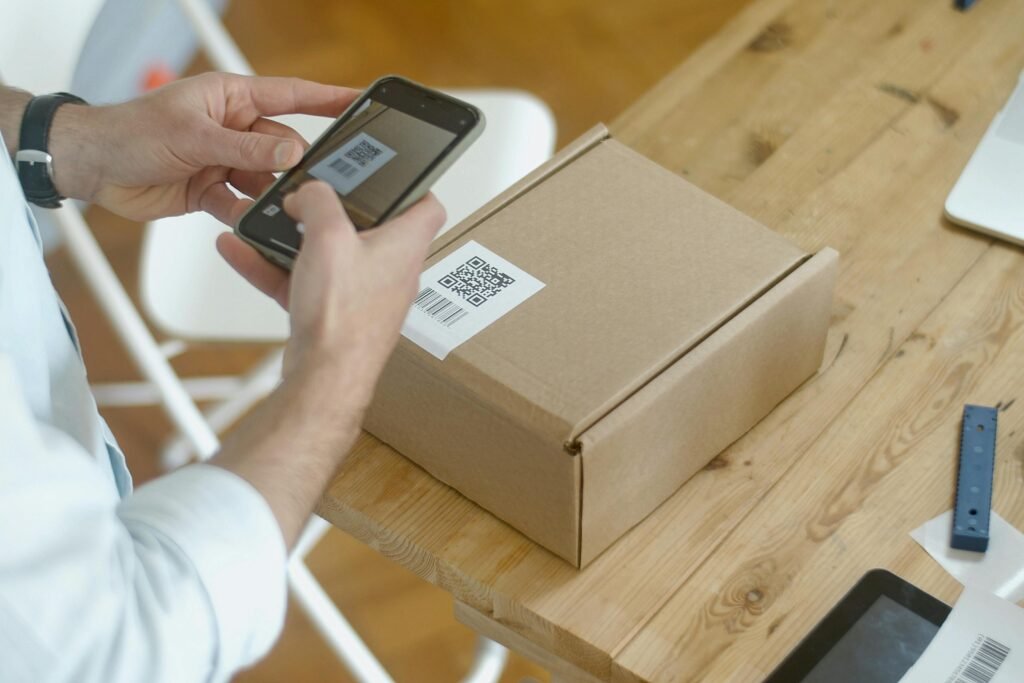
Mobile barcode scanners are portable devices equipped with optical scanners that are designed to read and decode barcodes. These devices typically employ a laser or camera-based technology to capture data embedded in barcode formats, enabling the conversion of visual information into electronic data that can be processed by computer systems. The functionality of mobile barcode scanners extends beyond mere scanning; they often include additional features such as wireless connectivity, enabling seamless integration with inventory management systems, point-of-sale terminals, and other business applications.
The adoption of mobile barcode scanning technology has gained significant traction across various industries, including retail, logistics, and healthcare, thanks to its ability to enhance operational efficiency and accuracy. In retail, for instance, mobile barcode scanners facilitate quick checkouts and inventory tracking, reducing wait times for customers and minimizing discrepancies in stock management. Similarly, in the logistics sector, these devices play a pivotal role in streamlining shipping processes, allowing for real-time tracking of packages and ensuring timely deliveries.
Moreover, the integration of mobile barcode scanners into everyday business operations offers numerous benefits. They not only help in automating data entry tasks, reducing human error, but also provide businesses with valuable insights into inventory levels and sales trends. The ability to quickly scan products at any location empowers employees to perform stock checks and manage inventory more effectively, thus improving overall productivity. Additionally, with advancements in technology, many mobile barcode scanners are now equipped with features like touchscreens and imaging capabilities, further enhancing user experience and functionality.
Enhanced Mobility and Convenience
Mobile barcode scanners represent a significant advancement in business operations, particularly in terms of enhanced mobility and convenience. These portable devices enable employees to scan products effortlessly while on the move, thus eliminating the need for stationary setups typically associated with traditional barcode scanners. As a result, workflows become more dynamic, allowing staff to engage directly with customers, improve service delivery, and manage inventory effectively without being tethered to a specific location.
The design of mobile barcode scanners emphasizes user-friendliness, enabling even those with minimal technical expertise to adapt swiftly. With lightweight builds and intuitive interfaces, employees can easily maneuver through aisles, scanning items as they navigate through inventory. This flexibility affords businesses the opportunity to conduct real-time inventory checks, reducing the lag time previously associated with stocktaking processes. Furthermore, the instant access to product information facilitated by these scanners dramatically enhances decision-making capabilities and operational efficiency.
Moreover, the mobility granted by mobile barcode scanners extends beyond internal inventory management. Retail environments witness a substantial uplift in customer engagement, as employees can assist patrons by providing immediate information about products, availability, and complementary items right at the point of interaction. This approach not only improves customer satisfaction but also has the potential to boost sales as employees have the ability to perform transactions on the spot. The convenience of mobile barcode scanners thus directly correlates with an enhanced customer experience, streamlining service delivery while addressing the ever-evolving demands of consumers.
Increased Speed and Efficiency
Mobile barcode scanners have emerged as significant assets in enhancing operational efficiency within various business sectors. The speed at which transactions are processed is crucial for maintaining customer satisfaction and overall productivity. With the use of mobile barcode scanners, businesses can achieve quicker scanning capabilities, which translates to reduced wait times for customers during checkouts. This rapid processing is vital, especially in high-traffic environments such as retail stores, supermarkets, and warehouses, where efficiency is paramount.
By facilitating instantaneous data entry, mobile barcode scanners eliminate the need for manual entry systems that are often prone to errors and delays. This swift capability allows staff to focus on customer service rather than becoming bogged down in administrative tasks. Consequently, the overall workflow is streamlined, enabling employees to handle more transactions in a shorter timeframe. The integration of mobile barcode scanners not only accelerates individual transactions but also facilitates inventory management by allowing quicker updating of stock levels as items are scanned in and out of the system.
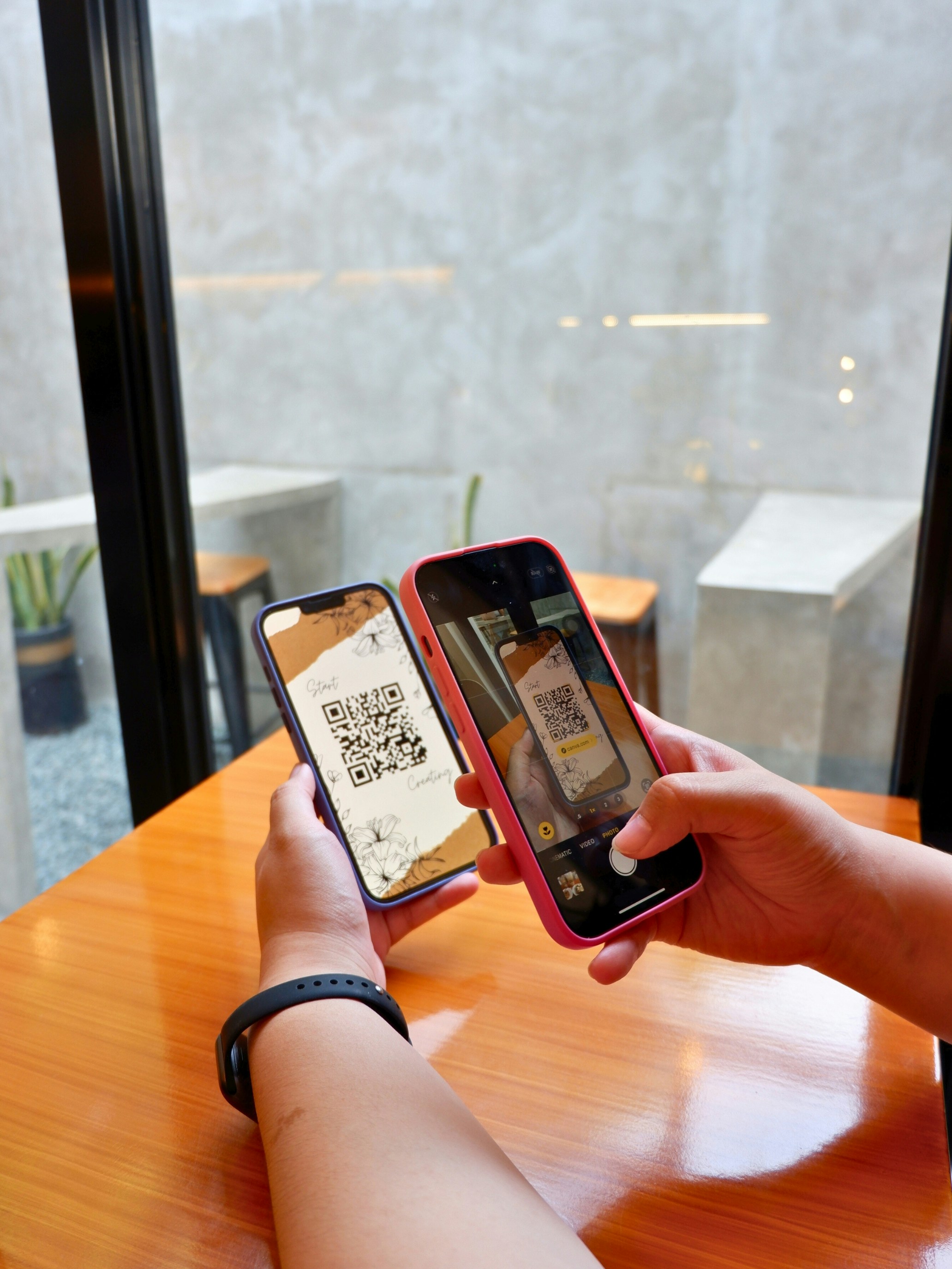
Furthermore, the technology behind mobile barcode scanning has advanced considerably, allowing for a broader range of barcode recognition. Employees can scan various types of barcodes—including QR codes—regardless of their orientation, thus further increasing the speed of service. This versatility enhances user experience as customers invariably encounter faster service, which is a significant competitive advantage in today’s business landscape. Businesses that adopt efficient scanning technologies can see a notable increase in customer turnover and satisfaction, as individuals appreciate rapid service and reduced wait times.
Improved Accuracy and Reduced Errors
Mobile barcode scanners have revolutionized the way businesses handle data capture, resulting in significant improvements in accuracy and reductions in errors. Unlike traditional manual data entry methods, which are susceptible to human mistakes, automated scanning technology offers a more reliable solution for inventory management and sales processing. By utilizing mobile barcode scanners, organizations can ensure that their data is captured with precision, subsequently enhancing the quality of decision-making.
One of the key advantages of mobile barcode scanners is their ability to instantly capture product information and quantities. This capability minimizes the risk associated with manual entry, where typographical errors or miscalculations can lead to inaccurate inventory counts or flawed sales data. With the implementation of these devices, businesses benefit from improved data integrity. The integration of scanning technology within operational processes allows employees to focus on value-added tasks rather than getting bogged down by repetitive data entry chores.
Additionally, mobile barcode scanners streamline the inventory counting process. By automating data capture, businesses can significantly reduce the time spent on stocktaking activities, while simultaneously increasing accuracy. This ensures that businesses always have up-to-date information on their inventory levels, thereby facilitating better supply chain management and reducing the likelihood of overstocking or stockouts. Furthermore, the real-time data capture enables swift adjustments in inventory records, enhancing overall operational efficiency.
In summary, the adoption of mobile barcode scanners leads to improved accuracy in data capture, ultimately minimizing human errors. As businesses continue to embrace this technology, they will find that the benefits extend far beyond accuracy, affording them enhanced decision-making capabilities and increased overall efficiency in their operations.
Cost-Effectiveness and Return on Investment
In the evolving landscape of business operations, the implementation of mobile barcode scanners presents a compelling case for cost-effectiveness and enhanced return on investment (ROI). Initially, many organizations may view the purchase of these devices as a considerable expense; however, this perspective often overlooks the substantial savings and operational efficiencies that arise over time.
The initial investment for mobile barcode scanners can vary based on features and functionality. Nevertheless, when businesses consider the potential long-term benefits, this expense transforms into a strategic financial decision. Mobile barcode scanners streamline operations by automating data entry processes, thereby significantly reducing the time and labor traditionally required for inventory management and sales tracking. This automation translates to reduced labor hours, allowing employees to focus on higher-value tasks that drive growth.
Moreover, by minimizing human error associated with manual entry, businesses can avoid costly mistakes in inventory levels and customer orders. Such inaccuracies can lead to financial losses, ultimately affecting the bottom line. The increased accuracy and efficiency provided by mobile barcode scanners contribute to improved customer satisfaction, which can, in turn, foster customer loyalty and repeat business.
When evaluating the return on investment, it is essential to consider not just immediate savings but also the cumulative benefits over time. As operational efficiency improves, businesses can expect to see a decrease in overhead costs related to labor, inventory mismanagement, and shipping errors. Hence, the overall ROI from the adoption of mobile barcode scanners can be substantial, with many companies reporting a return that far exceeds their initial investment within a relatively short timeframe.
Integration with Existing Systems
Mobile barcode scanners have revolutionized the way businesses manage their operations by allowing seamless integration with existing systems and software. This compatibility is crucial for ensuring that businesses can maintain the efficiency and accuracy of their operations without overhauling their current processes. One of the primary advantages of these scanners is their ability to easily interface with inventory management systems, which helps businesses keep track of stock levels, sales data, and order fulfillment. When inventory management systems are integrated with mobile barcode scanners, real-time data transfers occur, enabling staff to update inventory levels immediately upon scanning products. This immediate synchronization eliminates the risk of discrepancies, reducing potential losses due to stock inaccuracies.
In addition to inventory systems, mobile barcode scanners are also compatible with point of sale (POS) systems. This integration enhances the customer checkout experience by allowing for quicker and more efficient transactions. When barcode scanners are connected to POS systems, items can be scanned directly at checkout, significantly decreasing wait times for customers while also enhancing the overall accuracy of sales data. This immediacy provides businesses with valuable insights, enabling them to analyze sales trends and customer preferences more effectively.
Furthermore, many mobile barcode scanners can easily connect to cloud-based platforms. This capability means that data can be accessed and updated from anywhere, promoting flexibility and collaboration among employees. Cloud integration ensures that all stakeholders, regardless of location, have real-time access to critical information. As businesses increasingly move towards cloud-based solutions, the interoperability of mobile barcode scanners with these platforms becomes essential for maintaining operational efficiency.
In conclusion, the integration of mobile barcode scanners with existing business systems, including inventory management and POS systems, as well as cloud platforms, fosters a more efficient organizational workflow and facilitates accurate data handling, ultimately contributing to improved business performance.
Flexibility and Versatility in Different Industries
Mobile barcode scanners have emerged as vital tools across various industries thanks to their inherent flexibility and versatility. In retail, these devices enhance customer experience by allowing for quick checkouts and streamlined inventory management. Retail employees can easily scan products to check stock levels or ensure timely reordering, ultimately leading to improved service and increased sales efficiency.
In the warehousing sector, mobile barcode scanners contribute to optimizing operations by empowering workers to track inventory in real-time. By utilizing these devices, warehouse personnel can achieve accurate order fulfillment and reduce the likelihood of errors during the picking and packing process. This not only minimizes stock discrepancies but also saves time and resources, translating to higher productivity and operational efficiency.
Healthcare facilities also recognize the importance of mobile barcode scanners in enhancing patient care and safety. By integrating these devices into their systems, healthcare providers can ensure accurate medication administration, track patient records seamlessly, and manage inventory of medical supplies more effectively. This leads to improved patient outcomes, as medical professionals can focus on providing quality care rather than managing logistical challenges.
Logistics and transportation industries employ mobile barcode scanners to streamline their processes. By using these devices to track shipments, businesses can monitor their supply chains more effectively, thereby reducing delays and improving overall delivery times. Mobile scanners enable real-time updates, allowing logistics companies to keep clients informed about the status of their orders, thus enhancing transparency and customer satisfaction.
Ultimately, the versatility of mobile barcode scanners allows them to be adopted across various sectors, each benefiting from improved operational efficiency and enhanced productivity. As businesses continue to explore innovative solutions, the role of mobile barcode scanners in transforming operations will undoubtedly grow even more prominent.
Real-Time Data Access and Analytics
Mobile barcode scanners have become invaluable tools for businesses seeking to enhance their operational efficiency. One of the primary advantages they offer is the ability to access real-time data, which significantly improves decision-making processes. By utilizing mobile barcode scanning technology, companies can capture data instantly as items are processed, whether in inventory management, retail, or logistics. This capability enables organizations to maintain an accurate and up-to-date view of their stock levels, customer preferences, and operational workflows.
The integration of mobile barcode scanners with data management systems empowers businesses to report and analyze information on-the-fly. This immediate access to data allows managers to identify trends, patterns, and discrepancies while they are occurring, rather than reflecting on historical data that may no longer accurately represent the current situation. For instance, if there is a sudden increase in demand for a particular product, businesses are able to swiftly reallocate resources or adjust their stock levels to meet customer needs. This level of responsiveness can significantly enhance customer satisfaction and foster loyalty.
Moreover, the analytics derived from real-time data collection not only assist in operational adjustments but also contribute to strategic planning. Organizations can leverage insights regarding sales performance, customer buying behaviors, and inventory turnover to drive informed decisions for future growth. The capacity to swiftly pivot or adapt strategies based on current data creates a competitive edge in an increasingly dynamic market landscape. Thus, the implementation of mobile barcode scanners not only streamlines business operations but also facilitates a data-driven culture that encourages agility and responsive action in the face of changing circumstances.
Conclusion: Embracing Mobile Barcode Scanners for a Competitive Edge
In today’s fast-paced business environment, the adoption of mobile barcode scanners has become pivotal for organizations seeking to enhance their operational efficiency. Throughout this discussion, we have examined various advantages that these devices offer, significantly impacting productivity and effectiveness in various industry sectors. One of the most notable benefits is the ability to streamline inventory management processes, allowing businesses to track and manage stock levels with remarkable accuracy. This accuracy not only reduces the risk of overstocking or stockouts but also minimizes the amount of time employees spend on manual inventory tasks.
Furthermore, mobile barcode scanners play an essential role in improving customer satisfaction. By expediting checkout processes, businesses can provide a more pleasant shopping experience, leading to higher customer retention rates. Additionally, the integration of mobile scanning technology with existing systems facilitates real-time visibility into the supply chain, empowering employees to respond promptly to customer inquiries and fulfill orders efficiently.
Moreover, the data collected through mobile barcode scanners enables businesses to make informed, strategic decisions. By analyzing consumer behavior and inventory trends, organizations can optimize their operations and tailor their offerings, leading to a more competitive market position. With the need for adaptability in an ever-changing marketplace, it is evident that the implementation of mobile barcode scanners is not just a trend but rather a crucial step toward sustained business growth.
In conclusion, to remain competitive, businesses must consider the advantages offered by mobile barcode scanners. By embracing this technology, companies can improve their efficiency, enhance customer satisfaction, and ultimately secure a stronger foothold in the market. Investing in mobile barcode scanners is indeed a wise decision that can yield significant returns through improved operational workflows and streamlined processes.
© barcodly.com- All rights reserved