
The Ultimate Guide to Barcodes: Streamlining Modern Business
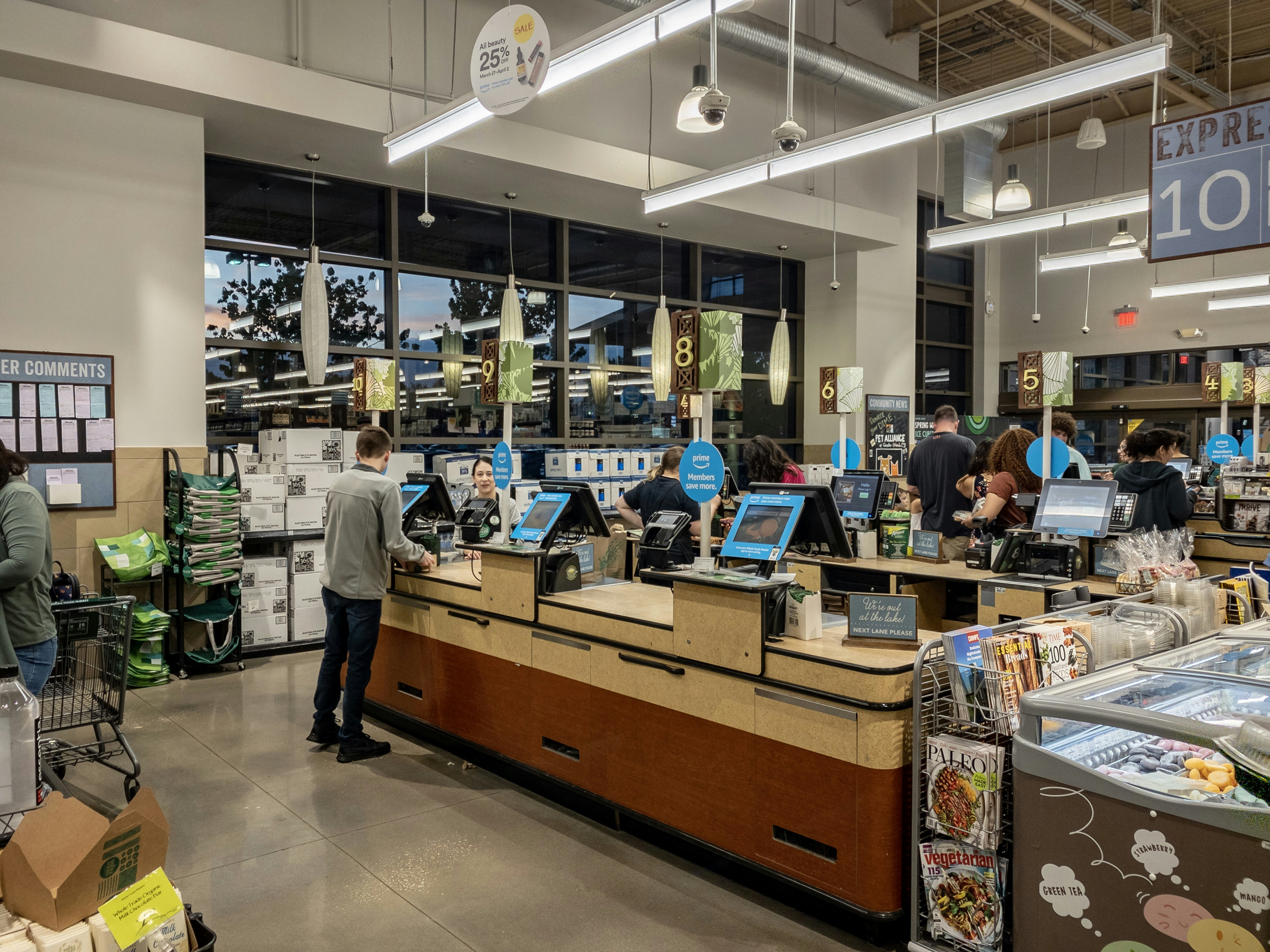
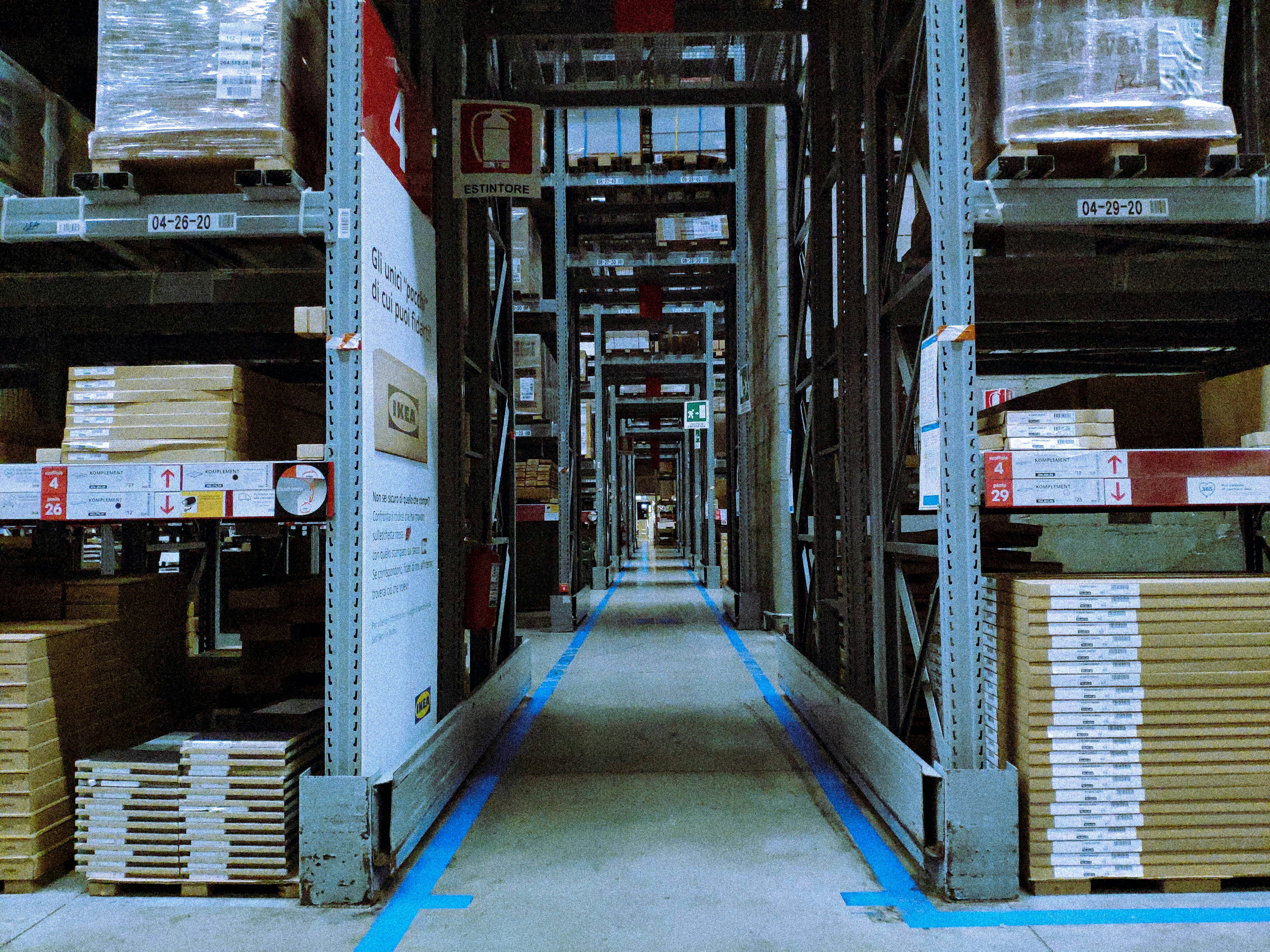
In today’s fast-paced physical and digital marketplaces, the barcode is an unsung hero. From grocery store checkout lines to massive international logistics warehouses, these simple patterns of lines and spaces keep global commerce moving efficiently.
Whether you are launching a new product or upgrading your inventory system, understanding how barcodes function is essential for modern business operations.
What is a Barcode?
A barcode is a visual, machine-readable representation of data. Originally, barcodes represented data by varying the widths and spacings of parallel lines. These traditional linear designs are read by optical scanners, which translate the visual pattern into a string of characters (usually numbers) that a computer system can understand.
When scanned, the code instantly queries a database to retrieve information about the item, such as its price, weight, or current stock level.
Main Types of Barcodes
While they all serve the purpose of storing data, barcodes come in two primary categories, each suited for different applications:
1. 1D (Linear) Barcodes
These are the traditional “picket fence” style codes you see on most retail products. They store text information horizontally.
-
UPC (Universal Product Code): The standard format used for retail packaging in North America.
-
EAN (European Article Number): The global standard equivalent to the UPC, used widely outside of North America.
-
Code 128: A highly dense code used primarily in logistics, transportation, and tracking because it can encode all 128 ASCII characters.
2. 2D (Matrix) Barcodes
Instead of just using lines, 2D codes use a grid of squares, dots, and other geometric patterns to store data both horizontally and vertically. This allows them to hold significantly more information.
-
QR Codes (Quick Response): Capable of holding URLs, contact info, and extensive text. They are easily readable by consumer smartphones.
-
Data Matrix: Often used to mark small items like electronic components or pharmaceuticals due to its tiny footprint and high fault tolerance.
Why Your Business Needs Barcodes
Implementing a barcode system transforms how a business operates, replacing slow manual processes with instant digital tracking.
-
Extreme Accuracy: Manual data entry has an average error rate of 1 in 300 keystrokes. Barcode scanners have an error rate of roughly 1 in 3 million scans.
-
Real-Time Inventory Management: Every time an item is scanned at checkout or moved in a warehouse, your central database updates instantly, preventing stockouts and over-ordering.
-
Cost Efficiency: Training employees to use a scanner takes minutes, saving countless hours previously spent manually checking inventory or typing in product codes.
How to Create Your Own
If you are a business owner preparing to sell products, generating a reliable barcode is a crucial first step. You do not need expensive software to get started. Dedicated generation platforms allow you to input your product data, select your required format (like UPC, EAN, or QR), and instantly download a high-resolution, scanner-ready image for your product packaging.
By integrating barcodes into your workflow, you eliminate human error, speed up transaction times, and build a highly scalable foundation for your business.
© barcodly.com- All rights reserved