Introduction to Barcode Scanners
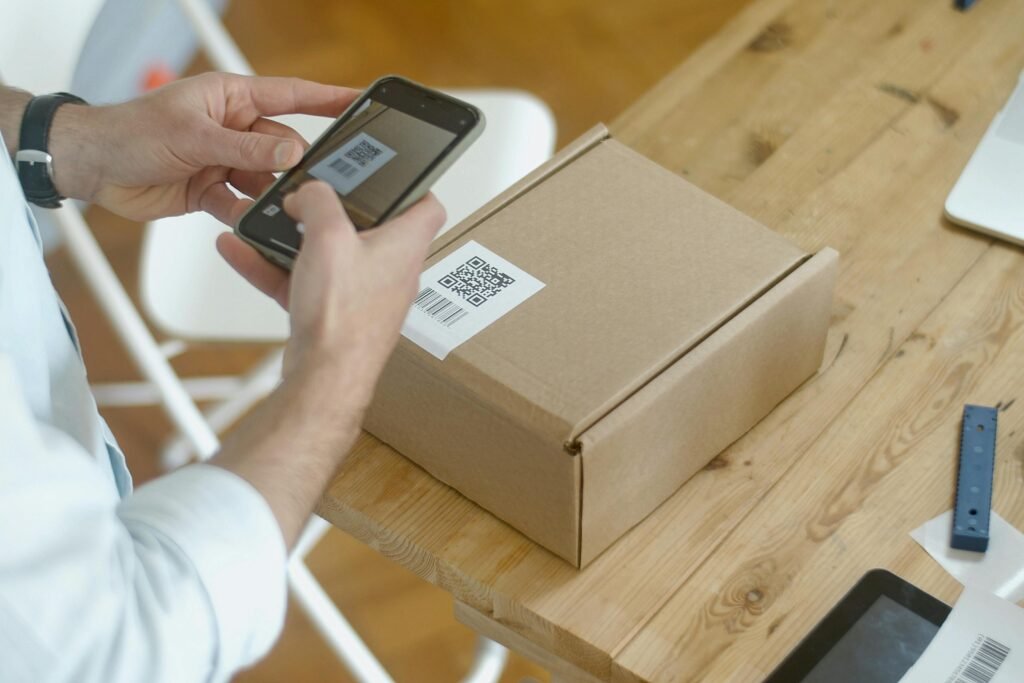
Barcode scanners are essential devices utilized to read and decode barcodes, which are graphical representations of data. These barcodes, typically in a series of parallel lines, dots, or geometric shapes, can store information such as product identification, prices, and inventory data. The scanning process involves using light to illuminate the barcode, and the reflected light is analyzed to interpret the encoded information.
At their core, barcode scanners work through several fundamental components: an illumination source, a lens, a sensor, and a decoder. When the scanner shines a light on the barcode, the dim and bright areas reflect varying amounts of light, which the sensor captures. This captured information is then processed by the decoder, converting the data into a format that computer systems and management software can utilize.
Barcode scanning technology has evolved significantly since its inception in the late 1940s. Early barcode systems relied on optical recognition methods that were manually intensive. However, advancements in technology have led to the development of more sophisticated scanners. Today’s barcode scanners can be handheld or stationary and come equipped with features like touchscreen displays, enabling users to effortlessly interact with data in real-time.
The significance of barcode scanners spans across numerous industries, including retail, healthcare, logistics, and manufacturing. In retail, they expedite the checkout process and help with inventory management. In healthcare, barcode scanning plays a crucial role in enhancing patient safety by ensuring the right medication is delivered to the right patient. Moreover, the use of barcode scanners in logistics simplifies tracking and improves operational efficiency by minimizing errors associated with manual data entry.
The Importance of Touchscreen Displays
In the modern landscape of retail and inventory management, barcode scanners equipped with touchscreen displays are becoming increasingly vital tools. These devices offer significant advantages over traditional barcode scanners, primarily through enhanced user interface improvements. A touchscreen display facilitates intuitive navigation, allowing users to interact with the device more naturally and efficiently. Unlike physical buttons, a touchscreen can accommodate a variety of functions and applications, enabling users to access features with mere taps and swipes.
The ease of use provided by touchscreen interfaces substantially reduces the learning curve for new users. With clear visual prompts and on-screen instructions, employees can quickly acclimate themselves to the technology without extensive training. Furthermore, the ability to customize settings and applications directly on the screen empowers users to optimize the barcode scanning process according to their specific needs. This level of personalization can lead to increased productivity as workers can quickly adapt the functionalities of their scanner depending on the tasks at hand.
In addition to these user interface improvements, touchscreen displays also enhance the overall functionality of barcode scanners. The integration of software applications and advanced features, such as inventory management systems and real-time data access, can be seamlessly facilitated via a touchscreen. This creates a more versatile device that not only scans barcodes but also actively manages inventory and records information. For businesses aiming for efficiency, enhanced functionality is crucial, as it can lead to better data management, reduced error rates, and improved overall operations in inventory tracking and sales processes.
Types of Barcode Scanners with Touchscreen Displays
Barcode scanners equipped with touchscreen displays come in various types, each designed to meet different operational needs. Among these are handheld, fixed-mount, mobile, and industrial models, each offering unique features that cater to specific use cases.
Handheld barcode scanners are among the most popular options in the market. They are portable and allow users to scan items from various angles and positions. These devices are especially beneficial in retail environments where quick scanning of products at checkout is essential. The intuitive touchscreen interface enhances user experience by providing easy navigation through inventory lists, price checks, and customer transactions.
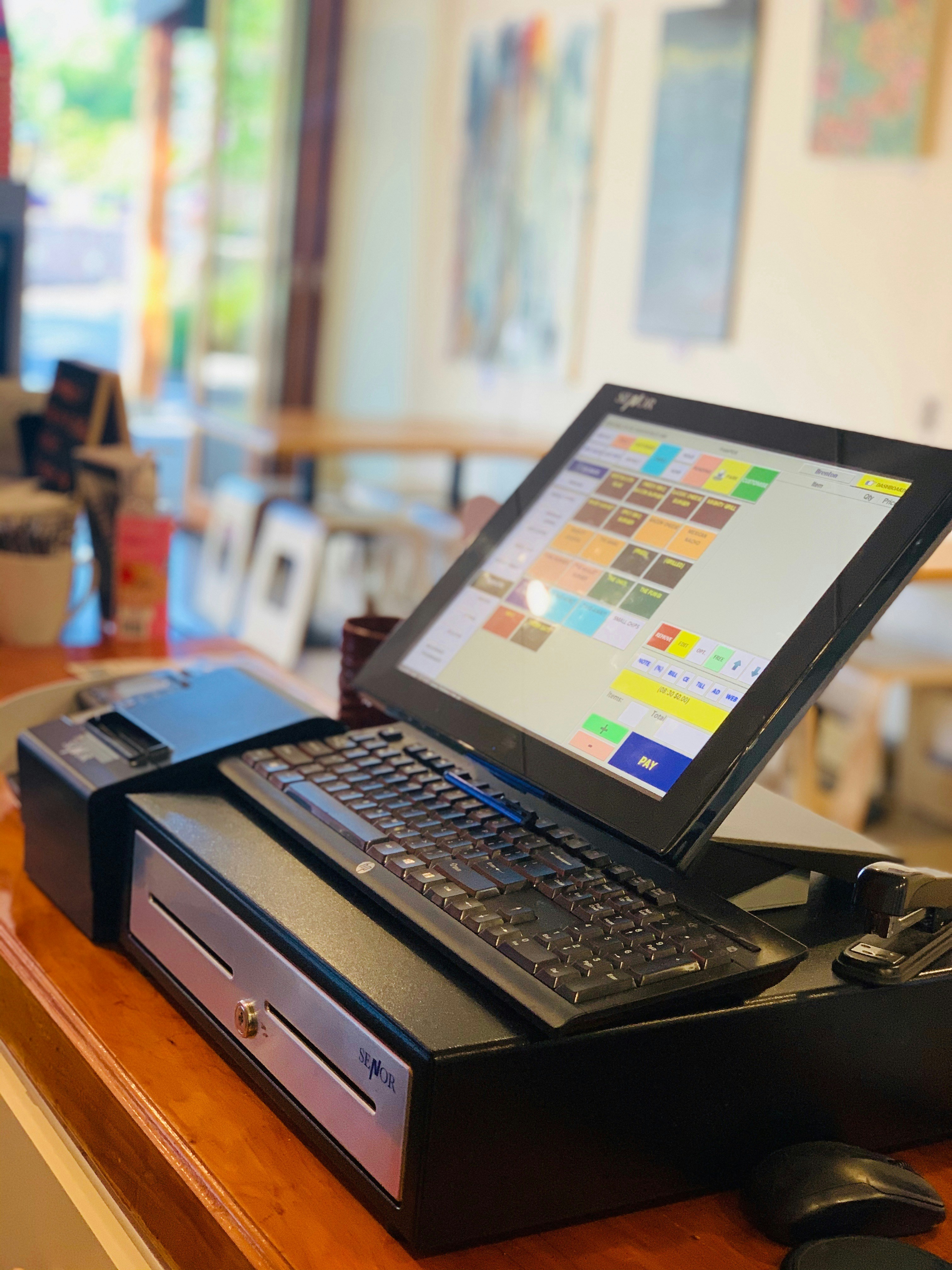
Conversely, fixed-mount barcode scanners provide a different utility. These devices are typically installed at checkout counters or along assembly lines, allowing for automatic scanning of items as they pass by. The touchscreen functionality often includes visual prompts for operators and diagnostic information, ensuring seamless integration into existing systems. This type of scanner is ideal for high-volume retail or manufacturing environments, where efficiency is paramount.
Mobile barcode scanners bridge the gap between handheld and fixed-mount scanners. These devices usually feature a compact design combined with rugged construction, making them suitable for field use. The touchscreen display is instrumental in providing real-time data access, inventory management, and customer interaction capabilities. Mobile scanners are perfect for warehouses and logistics operations, enhancing productivity by allowing employees to manage inventory on the go.
Lastly, industrial barcode scanners with touchscreen displays are designed to withstand harsh environments, such as factories and warehouses. They often feature enhanced durability and can operate under extreme conditions. The touchscreen interface on these models facilitates efficient data input and monitoring, making them essential for inventory tracking, quality control, and equipment maintenance.
Key Features to Consider When Choosing a Touchscreen Barcode Scanner
When selecting a barcode scanner with a touchscreen display, several key features should be evaluated to ensure that the device meets your specific needs. One of the most critical factors is scanning speed. A high scanning speed is essential in environments with high transaction volumes, as it enhances workflow efficiency. Look for models that can rapidly capture barcodes, ideally in under a second, to minimize delays during checkout or inventory management.
Battery life is another fundamental consideration. Prolonged use of a touchscreen barcode scanner requires a robust battery that can last throughout the workday without needing frequent recharging. Opt for models with a battery capacity that supports extended use, ideally over 12 hours, to avoid disruptions in your operations.
Connectivity options are also vital, as compatibility with various systems can greatly influence usability. Many modern scanners offer Bluetooth, Wi-Fi, or even cellular connections, allowing for more flexibility in how and where you utilize the device. Ensure that the scanner is compatible with your existing infrastructure for seamless integration.
Durability is an important feature, particularly for industrial or retail environments where devices might be subjected to drops or harsh conditions. Look for scanners built to withstand impact and are rated to resist dust and moisture, which can extend the lifespan of the device.
Lastly, software compatibility should not be overlooked. The ability to easily integrate with existing inventory management systems or point-of-sale applications improves functionality. Ensure that the barcode scanner can work with multiple software platforms, thus providing greater operational versatility.
Applications and Use Cases of Touchscreen Barcode Scanners
Touchscreen barcode scanners have proliferated across various industries, offering increased efficiency and accuracy in daily operations. One prime area of application is retail, where these devices enhance the customer experience during the checkout process. Retailers utilize touchscreen barcode scanners to facilitate speedy transactions, allowing staff to quickly find product information and manage inventory. The intuitive interface reduces training time for new employees, leading to rapid onboarding and improved service delivery.
Logistics and warehousing also benefit substantially from touchscreen barcode scanners. These devices streamline receiving and shipping processes by enabling workers to easily scan items while filtering through various inventory statuses. With real-time visibility into stock levels and location, businesses can significantly reduce the errors associated with manual data entry and optimize their operations. Enhanced data collection provided by these scanners facilitates better decision-making and inventory management.
In the healthcare sector, touchscreen barcode scanners serve a vital role in patient safety and care quality. They are employed to verify patient identities and ensure the right medication is administered at the correct time. The touchscreen interface provides healthcare professionals with immediate access to critical patient information, such as allergies and medication history. This minimizes the risk of errors, ensuring higher levels of patient care and compliance with regulatory standards.
Furthermore, in manufacturing environments, these scanners are utilized for quality control and workflow efficiency. By integrating with production line management systems, touchscreen barcode scanners allow for real-time tracking of materials and products. This functionality supports the identification of production bottlenecks and aids in maintaining the integrity of supply chains. Overall, the use of touchscreen barcode scanners across these diverse sectors illustrates their significant contribution to operational efficiency and accuracy.
Benefits of Integrating Touchscreen Barcode Scanners into Your Business
Integrating touchscreen barcode scanners into business operations offers a multitude of advantages that can significantly elevate productivity and efficiency. One of the most notable benefits is the increase in productivity. Touchscreen technology allows for more intuitive navigation, enabling employees to quickly scan items, access inventory data, and complete transactions swiftly. This capability can dramatically reduce the time spent on tasks that involve barcode scanning, thereby allowing staff to focus on more value-added activities.
Error reduction is another critical operational benefit of touchscreen barcode scanners. Traditional scanners often rely on physical buttons or complex interfaces, which can lead to operational delays and mistakes. In contrast, touchscreen devices provide a user-friendly interface that minimizes the likelihood of user errors. The immediate feedback users receive from the touch interface ensures they can correct mistakes on the spot, fostering greater accuracy in data entry and helping maintain the integrity of inventory records.
Furthermore, enhanced data management capabilities are inherent to touchscreen barcode scanners. These devices not only capture data efficiently but also allow users to analyze and manage that data in real time. Businesses can monitor inventory levels, track sales patterns, and generate reports with greater ease, which is essential for informed decision-making. Utilizing touchscreen barcode scanners empowers businesses to leverage their data for strategic planning and operational improvements.
Ultimately, the integration of touchscreen barcode scanners can lead to substantial operational benefits that enhance overall business performance. By fostering increased productivity, reducing the likelihood of errors, and improving data management, these devices serve as valuable assets for any organization striving to optimize its processes.
Challenges and Limitations of Touchscreen Barcode Scanners
While touchscreen barcode scanners offer numerous advantages, organizations should be mindful of the challenges and limitations that may arise during their adoption. One significant factor is cost; touchscreen scanners are generally more expensive than traditional handheld models. The initial investment might deter smaller businesses or organizations with tight budgets from opting for touchscreen devices, despite their long-term benefits.
Moreover, resistance to change is a common challenge when introducing new technology. Employees accustomed to traditional scanners may feel hesitant or overwhelmed when transitioning to touchscreen systems. Training sessions may be necessary to ensure that all staff members are comfortable and proficient in using the new equipment. Such training adds another layer of expense and logistical planning, which could strain resources.
Technical compatibility is another noteworthy hurdle. Organizations must ensure that their existing software systems can integrate seamlessly with the new touchscreen barcode scanners. Incompatibility issues could arise, requiring additional investments in software updates or new systems altogether. This concern can complicate deployment and lead to unexpected delays that might hinder operational efficiency. Furthermore, organizations might encounter challenges related to data security as they implement touchscreen technology, necessitating rigorous security protocols to protect sensitive information.
In addition, touchscreen barcode scanners can present physical limitations, such as difficulties in usage under certain lighting conditions or issues with touch sensitivity. These factors may decrease their effectiveness in specific environments, hence requiring businesses to evaluate their operational setups thoroughly before transitioning to touchscreen solutions.
Future Trends in Barcode Scanning Technology
The landscape of barcode scanning technology is rapidly evolving, particularly with the integration of touchscreen displays, artificial intelligence (AI), and mobile applications. As businesses seek more efficient ways to streamline operations, the utilization of advanced barcode scanners is becoming essential.
One significant trend is the advancement of touchscreen interfaces in barcode scanners. Touchscreen technology enhances user interaction, allowing for more intuitive navigation and easier access to functionalities. Users can quickly access settings, view real-time data, and perform scans with greater efficiency. This improvement not only boosts productivity but also contributes to reducing errors in scanning processes, thus enhancing operational effectiveness.
Additionally, the integration of AI and machine learning into barcode scanning technology offers remarkable opportunities for innovation. These technologies enable scanners to process vast amounts of data more intelligently, facilitating predictive analysis and minimizing downtime. With AI, barcode scanners can learn from user behaviors and adapt to different scanning environments, making them more versatile and user-friendly. This ability to adapt is crucial in retail and inventory management, where quick adjustments to inventory tracking systems are necessary.
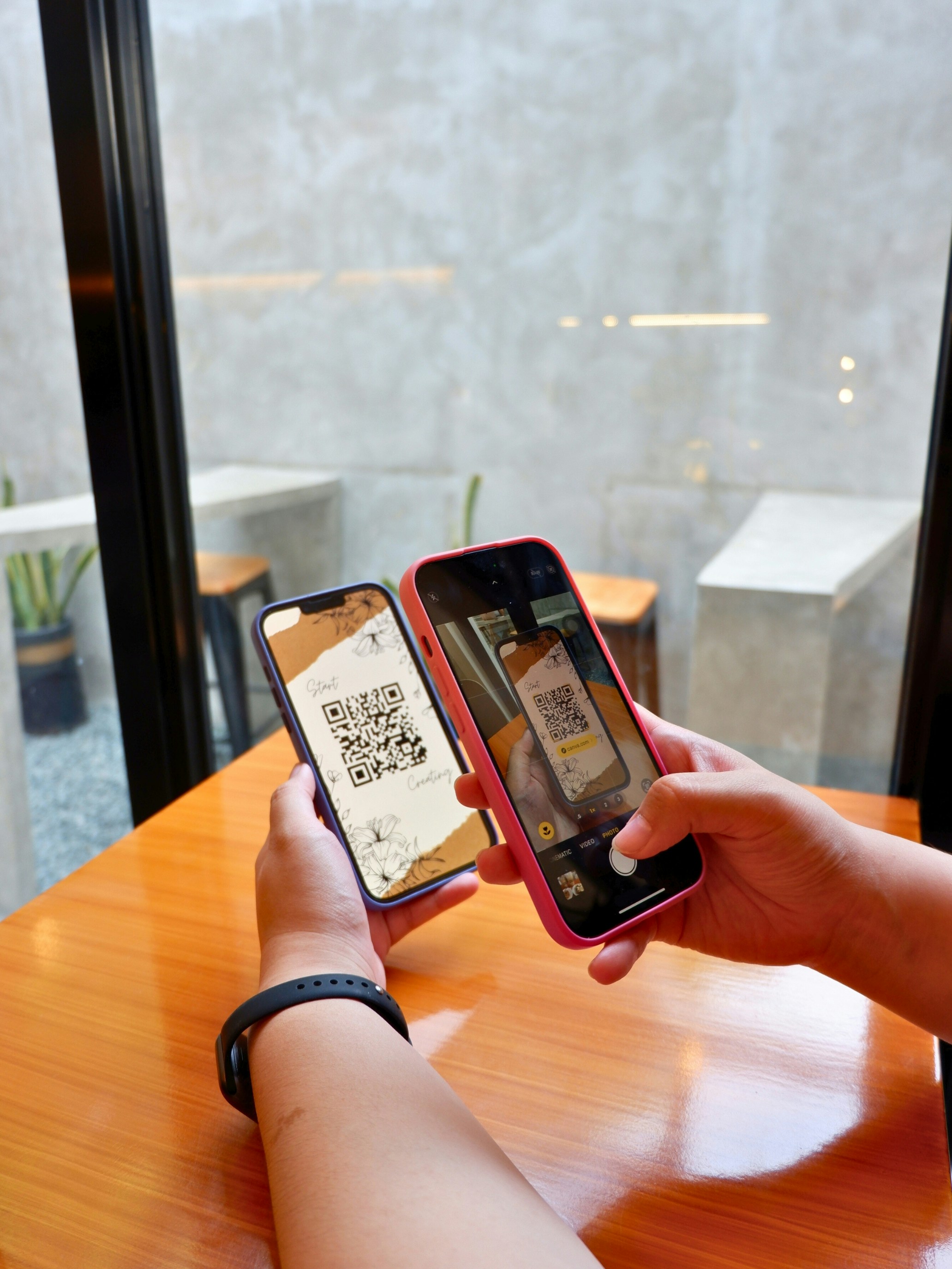
Moreover, the evolution of mobile scanning applications is revolutionizing how businesses manage barcodes. Mobile devices equipped with advanced scanning capabilities enable employees to scan barcodes directly from smartphones or tablets, providing greater flexibility. These mobile applications often include additional features such as inventory management or customer engagement tools, making them invaluable in various business sectors. The convenience of mobile scanning has made it increasingly popular among retailers, wholesalers, and logistics companies.
In conclusion, the future of barcode scanning technology is poised to enhance efficiency, reduce operational costs, and improve user experience through touchscreen displays, AI integration, and mobile applications. As these trends continue to unfold, we can expect innovative solutions that will redefine the way businesses interact with barcode scanning technology.
Conclusion
In our exploration of barcode scanners with touchscreen displays, we have highlighted their pivotal role in enhancing operational efficiency across various industries. These advanced devices integrate the functionality of traditional barcode scanners with the intuitive interface of touchscreen technology, providing users with a seamless experience. The combination allows for quick access to data, streamlined workflows, and improved accuracy during scanning operations.
Throughout the blog post, we examined the numerous benefits offered by barcode scanners equipped with touchscreen displays. These include ease of use, real-time data processing, and the ability to adapt to a variety of tasks. By reducing the learning curve associated with complex interfaces, touchscreen barcode scanners facilitate smoother training processes for employees and foster a productive workplace atmosphere.
The versatility of barcode scanners with touchscreen capabilities enables them to be employed in diverse sectors, from retail to logistics, mitigating the challenges faced in daily operations. Whether inventory management, sales processes, or tracking shipments, these modern devices have demonstrated their effectiveness in improving operational outcomes.
As businesses continue to evolve and seek innovative solutions to improve efficiency, the adoption of barcode scanners with touchscreen displays presents a compelling option. We encourage readers to consider these advanced tools as a valuable investment for their operational needs. Integrating such technology not only enhances productivity but also positions organizations to better meet customer expectations and adapt to future challenges.
© barcodly.com- All rights reserved