
Introduction to Barcode Scanners
Barcode scanners are essential devices used for reading and interpreting barcodes, the visual representations of data that are commonly found on various products and inventory items. They have gained immense importance across multiple industries, including retail, healthcare, logistics, and manufacturing, by facilitating the rapid collection of data and enhancing operational efficiency. These scanners not only streamline processes like inventory management and point-of-sale transactions but also minimize human error, thus improving overall accuracy in data handling.
There are two primary types of barcode scanners: fixed and mobile. Fixed barcode scanners are typically installed at a specific location, such as the checkout counters in retail stores or on production lines in warehouses. These devices are designed for high-volume scanning tasks, providing quick and efficient data capture without needing a handheld approach. Their stationary nature allows for consistent performance, making them an ideal choice for environments that require frequent barcode scanning in a controlled setting.
On the other hand, mobile barcode scanners, including handheld devices and mobile computers, offer flexibility in various operational scenarios. These scanners are designed for portability, enabling users to scan barcodes anywhere within the facility or even remotely in the field. Their ergonomic designs make them easy to handle, while their connectivity options allow for real-time data transfer to central systems. This versatility is especially beneficial in applications such as inventory audits, delivery tracking, and customer service interactions.
The choice between fixed and mobile barcode scanners depends on the specific requirements of the organization, including scanning volume, environment, and operational workflows. Understanding the functions and benefits of each type provides a solid foundation for analyzing the advantages and disadvantages, guiding organizations in selecting the right technology for their needs.
What are Fixed Barcode Scanners?
Fixed barcode scanners are stationary devices designed to read barcodes with high efficiency and accuracy. They are widely utilized in various sectors, including retail, logistics, and manufacturing, due to their ability to process large volumes of items in quick succession. Unlike mobile barcode scanners, which are handheld and portable, fixed scanners are installed in specific locations to facilitate continuous scanning operations.
One of the main features of fixed barcode scanners is their integrated reading technology, which can either be laser-based or image-based. Laser scanners utilize a focused beam of laser light to capture the barcode data. This method is highly effective for traditional 1D barcodes, making them a common choice in retail checkout lines and warehouse environments. Conversely, image-based scanners capture an image of the barcode, allowing them to read both 1D and 2D barcodes, such as QR codes. This flexibility makes image-based systems increasingly popular in diverse applications, from product tracking to delivery confirmations.
The functionality of these devices is enhanced by their ability to connect to various systems, such as point-of-sale terminals or inventory management software. In retail settings, for instance, fixed barcode scanners streamline checkout processes by quickly identifying products. In warehouse management, they facilitate inventory tracking and improve operational efficiency by ensuring accurate stock levels. The capacity to integrate seamlessly with existing infrastructure is one of the critical reasons behind their adoption in various industries.
Overall, the choice between laser and image-based fixed scanners often depends on specific operational needs, with each offering distinct advantages tailored to particular use cases.
Advantages of Fixed Barcode Scanners
Fixed barcode scanners offer several notable advantages that make them an essential component in various operational settings, particularly in retail and warehousing environments. One of the most significant benefits of fixed barcode scanners is their exceptional speed and accuracy in reading barcodes. These devices are designed for high-volume applications, capable of scanning numerous items in a fraction of the time it would take with manual entry or handheld devices. This enhanced efficiency not only reduces wait times for customers but also streamlines inventory management processes.
Furthermore, fixed barcode scanners are highly effective when integrated with point of sale (POS) systems. Their continuous scanning capability means that they can automatically register items as they are passed over the scanner. This seamless integration enhances the checkout experience, allowing for quick transactions and minimizing human error. The ability to process transactions swiftly supports overall customer satisfaction, particularly during peak hours.
In addition to speed and accuracy, fixed barcode scanners are designed to handle high-volume scanning tasks. This characteristic is especially beneficial in environments such as large retail stores or distribution warehouses, where rapid processing of a large number of products is necessary. Fixed scanners can be positioned at strategic locations, ensuring that items can be scanned continuously without interruption, further enhancing operational efficiency.
Moreover, fixed scanners typically require less user training compared to handheld alternatives. Their straightforward installation and operation allow for easier adaptability within a team, contributing to smoother workflows. Overall, the advantages of fixed barcode scanners lie in their speed, accuracy, and integration capabilities which ultimately bolster efficiency in various applications.
What are Mobile Barcode Scanners?
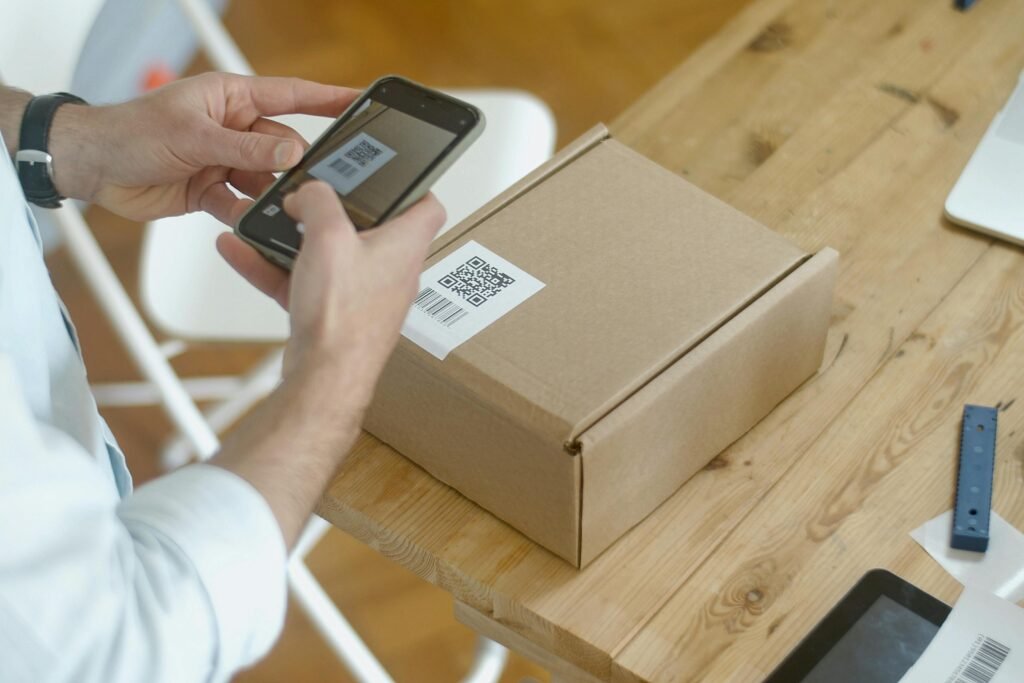
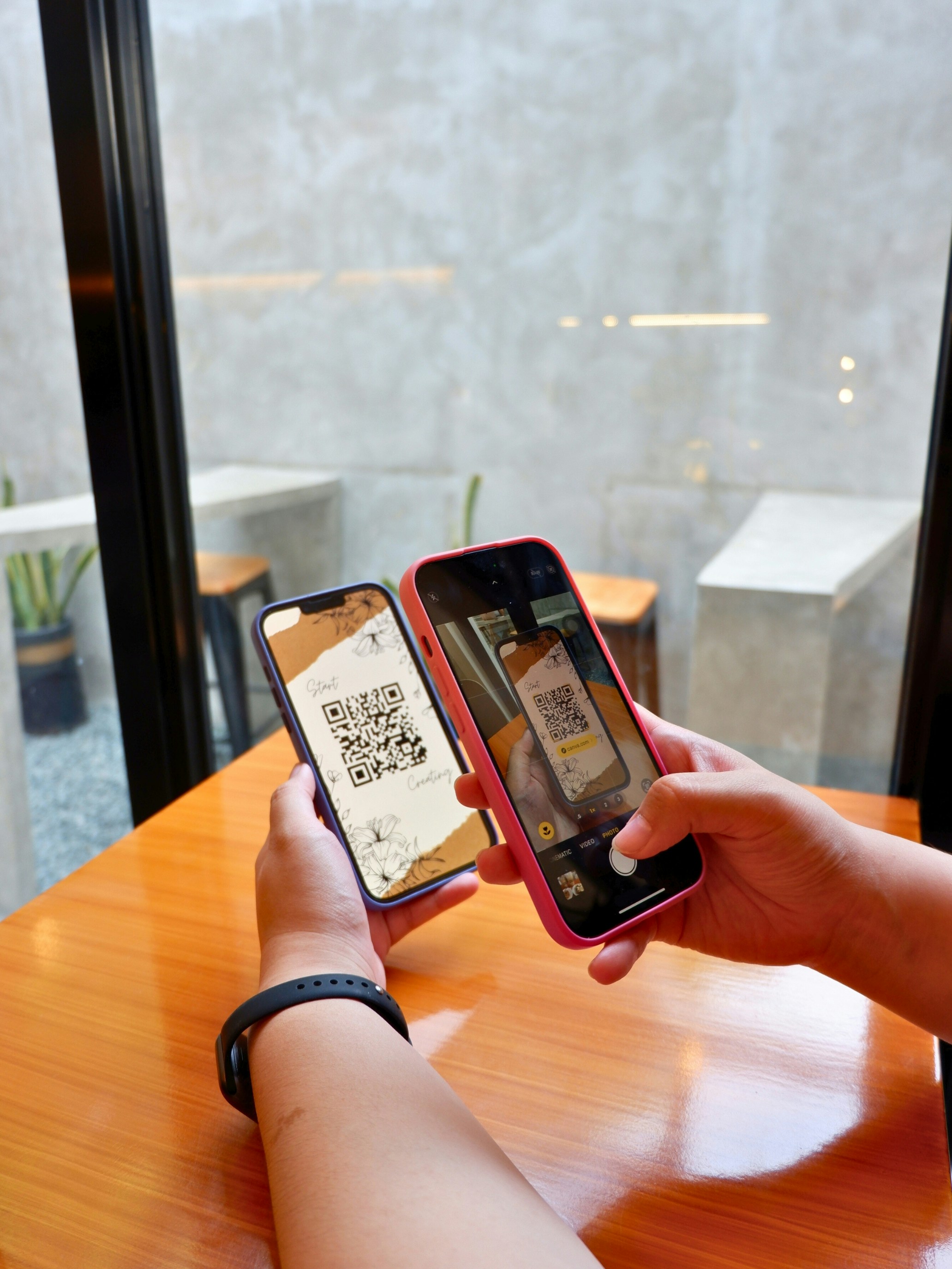
Mobile barcode scanners are portable devices designed to read and capture data from barcodes quickly and efficiently. Unlike fixed barcode scanners that are stationary and often positioned at retail checkouts or production lines, mobile scanners offer the advantage of flexibility, allowing users to perform scanning tasks while in motion. This mobility is primarily facilitated by handheld devices, which can range from dedicated scanning units to multifunctional smartphones and tablets equipped with scanning applications.
These scanners are equipped with various technologies to decode information embedded in barcodes, which can include 1D barcodes, 2D QR codes, and other formats. Mobile barcode scanners are widely utilized in diverse applications spanning across various industries. Field services, for instance, frequently rely on mobile scanners for tasks such as service verification, equipment tracking, and inventory management, enhancing efficiency and accuracy.
In logistics and supply chain management, the ability to scan barcodes on-the-go streamlines processes like shipment tracking, inventory checks, and order fulfillment. Retail environments also benefit significantly from mobile scanners as they enable staff to assist customers with price checks or item locations throughout the store.
The versatility offered by mobile barcode scanners significantly contributes to their effectiveness in environments that require immediate data capture and real-time updates. The integration of mobile scanner technology into existing systems ensures that businesses maintain accurate inventories and streamline operations while enhancing user experience.
Advantages of Mobile Barcode Scanners
Mobile barcode scanners offer a plethora of advantages that make them an increasingly popular choice in various industries. One of the primary benefits is their portability. Unlike fixed barcode scanners that are typically stationary and require infrastructure to support their usage, mobile barcode scanners are lightweight and can be easily transported from one location to another. This feature allows employees to scan items directly at the point of sale or during inventory counts, thus enhancing operational efficiency.
Another significant advantage of mobile barcode scanners is their ease of use. These devices are typically designed with user-friendly interfaces, allowing operators to quickly learn how to use them effectively. Most modern mobile scanners feature intuitive controls and touch screens, ensuring that even novice users can operate the device with minimal training. Additionally, their compact size means they can fit comfortably in hand, enabling users to execute scans swiftly without any strain.
Mobile barcode scanners also support scanning in diverse locations, whether it be on the warehouse floor, at a trade show, or while delivering products. This versatility is crucial for businesses that require real-time data collection across multiple sites. Moreover, modern mobile barcode scanners often integrate seamlessly with smartphones and tablets, turning these everyday devices into powerful scanning tools. This integration helps streamline inventory management processes and extends the functionality of existing workflows.
Furthermore, the ability to connect with cloud-based systems allows for immediate updates and data transmission, improving overall accuracy and informing decision-making processes promptly. As a result, businesses can enjoy enhanced agility and responsiveness to market changes. Overall, the advantages provided by mobile barcode scanners make them an essential asset in today’s fast-paced business environment.
Comparison of Performance: Fixed vs Mobile Scanners
When evaluating the performance of fixed and mobile barcode scanners, it is essential to consider several key factors such as scanning speed, reliability, and operational range. These characteristics can directly influence the suitability of each scanner type for specific applications.
Firstly, scanning speed is a critical performance metric. Generally, fixed barcode scanners are designed for high-volume environments, such as retail checkouts or warehouse management systems, where rapid scanning is paramount. These devices utilize advanced imaging technologies that facilitate swift and efficient captures of barcodes, often processing multiple scans in a second. In contrast, mobile barcode scanners, while capable, may not achieve the same level of speed due to their reliance on varying handheld ergonomic designs and battery-powered performance.
Next, reliability plays a crucial role in assessing performance. Fixed scanners are often deployed in stable environments with consistent lighting conditions, thereby maximizing their accuracy and minimizing scanning errors. They are engineered to endure continuous operation, which makes them highly reliable for tasks such as inventory management and point-of-sale applications. Mobile scanners, while versatile and beneficial for on-the-go operations, may face challenges such as battery depletion and the need for frequent recalibration, which can impact their reliability under certain conditions.
Lastly, the range of operation is another area worthy of comparison. Fixed barcode scanners are typically mounted in fixed positions and optimized for scanning items within a designated area. Conversely, mobile barcode scanners are designed for flexibility, allowing users to scan items from various angles and distances, which is advantageous in dynamic environments like field services or inventory audits.
In summary, the performance of fixed and mobile barcode scanners varies significantly based on their intended applications. While fixed scanners excel in speed and reliability in a stable setting, mobile scanners offer versatility and operational range necessary for dynamic tasks. Understanding these performance parameters can aid businesses in selecting the appropriate scanning solution to meet their needs.
Cost Considerations
When evaluating the financial implications of fixed and mobile barcode scanners, it is pivotal to understand several cost-related aspects. Initial purchase costs can vary significantly between the two types of scanners. Fixed barcode scanners are typically less expensive upfront, as they are designed for stationary use and do not include the additional hardware functionalities that mobile counterparts may offer. In contrast, mobile barcode scanners, which include features like integrated screens and wireless connectivity, usually come with a higher price tag. Consequently, businesses must assess their specific operational needs when choosing between these options.
Beyond the initial expenditure, maintenance expenses also play a critical role in the overall cost evaluation. Mobile barcode scanners may require more frequent updates and servicing due to their more complex software and hardware integrations. Additionally, the wear and tear from constant movement and usage can lead to higher repair costs. On the other hand, fixed scanners, while generally more durable in a stationary environment, may incur diagnostic and upkeep costs over time. Therefore, it is essential for businesses to factor in ongoing maintenance when estimating long-term expenses.
Finally, the potential return on investment (ROI) is a crucial component to consider when deciding between fixed and mobile barcode scanners. Mobile scanners can enhance productivity and reduce labor costs through efficiency improvements in inventory management and order fulfillment processes. However, if a business does not require mobility, investing in fixed scanners can nonetheless yield significant savings and adequate efficiency. Thus, conducting a detailed cost-benefit analysis, reflecting on the unique operational needs of the organization, will enable better decision-making regarding which barcode scanning solution aligns with the financial goals of the business.
Case Studies and Real-World Applications
The utilization of barcode scanners has greatly transformed industries, enhancing efficiency and accuracy in operations. Companies across various sectors have implemented either fixed or mobile barcode scanning solutions to streamline their processes. For instance, a well-known retail giant, Walmart, has adopted fixed barcode scanners within their inventory management systems. This has allowed for real-time tracking of stock levels, minimizing human error and improving the accuracy of inventory records. Through the integration of these scanners, Walmart has significantly reduced the time spent on inventory counts and enhanced the overall customer experience by ensuring product availability.
On the other hand, a leading logistics company, DHL, opted for mobile barcode scanners to improve their package tracking processes. By equipping employees with handheld barcode scanners, DHL has boosted operational efficiency, allowing workers to scan parcels directly at the point of pickup and delivery. This not only accelerated the shipping process but also provided real-time updates to clients regarding their shipments. The versatility of mobile scanners has enabled DHL to adapt quickly to fluctuating workload demands, making it a prime example of practical application in the logistics sector.
Additionally, healthcare providers such as hospitals have seen the tremendous benefits of utilizing fixed barcode scanners at prescribed medication stations. By scanning medications against patient wristbands, they have lowered the risk of medication errors, subsequently improving patient safety. The seamless integration of these scanners into existing workflows has proven essential for maintaining compliance with stringent health regulations.
These case studies illustrate how both fixed and mobile barcode scanners can be leveraged effectively to solve specific challenges faced by businesses. Understanding the unique needs of their operations has enabled organizations to choose the right type of barcode scanning technology, ultimately leading to greater efficiency and productivity.
Conclusion and Recommendations
In evaluating the merits of fixed and mobile barcode scanners, it is essential to consider various factors that can impact a business’s operational efficiency and productivity. Fixed barcode scanners are typically ideal for high-volume environments such as retail checkout counters and warehouse management systems where continuous scanning is required. Their robustness and capability to handle rapid scans can significantly enhance workflow efficiency in these settings.
On the other hand, mobile barcode scanners offer considerable flexibility and portability, making them suitable for industries such as field sales, logistics, and inventory management. The ability to carry mobile scanners allows for real-time data collection and access in varied environments, which can be a considerable advantage in dynamic business contexts.
When deciding between fixed and mobile barcode scanners, businesses should assess their specific needs, including the size of operations, scanning volume, and the nature of the work environment. For larger operations with fixed scanning stations, investing in durable fixed barcode scanners may prove to be beneficial. Conversely, smaller businesses or those requiring mobility might find that mobile scanners better meet their requirements.
Ultimately, both types of barcode scanners serve crucial roles in their respective domains. Adopting the right technology can lead to streamlined processes, reduced errors, and improved inventory management. It is advisable for businesses to conduct a thorough evaluation of how each scanner type aligns with their operational workflows and to consider future scalability as their needs evolve. Thus, choosing the right scanner becomes a strategic decision that not only addresses current demands but also anticipates future growth.
© barcodly.com- All rights reserved