
Introduction to Barcode Scanners
Barcode scanners are essential tools that facilitate the automatic reading and decoding of barcodes, which are graphical representations of data. These scanners play a pivotal role in various industries, serving the primary purpose of enhancing efficiency in data entry and inventory management. By enabling quick and accurate scanning of barcodes, these devices streamline operations and significantly reduce the likelihood of human error.
The significance of barcode scanners extends across several sectors, including retail, logistics, healthcare, and manufacturing. In the retail environment, for example, barcode scanners expedite the sales process by allowing cashiers to quickly scan items at checkout, thereby improving customer service and satisfaction. Additionally, they support efficient inventory tracking, helping businesses maintain optimal stock levels and reduce overstocking or stockouts.
In the logistics sector, barcode scanners have revolutionized how goods are tracked and managed. Scanning products at various stages of the supply chain—from receiving shipments to dispatch—ensures that accurate records are kept, thus enhancing the visibility of inventory movements. This level of oversight not only aids in preventing losses but also improves the overall effectiveness of logistics operations.
Healthcare providers also benefit from the use of barcode scanning technology. By tagging medications and patient records with barcodes, healthcare facilities can ensure the accurate and timely administration of treatments while maintaining stringent regulatory compliance. Furthermore, this technology assists in preventing medication errors, thus prioritizing patient safety.
In summary, barcode scanners have become indispensable across industries, proving their value in optimizing business processes, ensuring accuracy in inventory management, and enhancing customer experiences. Their ongoing evolution, as technology advances, promises further improvements and applications, making them indispensable tools in today’s fast-paced market environment.
Handheld Barcode Scanners
Handheld barcode scanners are compact, portable devices that enable users to quickly and efficiently read barcode labels. These scanners play a crucial role in streamlining operations across various industries, particularly in retail and warehousing environments. Their design allows for easy maneuverability, providing both convenience and efficiency in scanning products.
One of the standout features of handheld barcode scanners is their flexibility. Most models offer different scanning technologies, including laser and imaging, allowing users to select a scanner that best fits their needs. The laser scanners are particularly effective for traditional barcodes, while imaging scanners can read a broader range of codes, including QR codes and more complex formats. Additionally, many handheld scanners come equipped with Bluetooth capabilities, enabling wireless operation for greater mobility.
Advantages of handheld barcode scanners include their ease of use and efficiency in high-volume environments. In retail settings, these scanners facilitate quick checkout processes, reducing wait times for customers. Employees can swiftly scan items during inventory counts, ensuring accuracy and saving valuable time. Similarly, in warehouse operations, handheld scanners aid in tracking shipments and managing stock levels effectively. Their lightweight design reduces user fatigue, enabling prolonged usage without discomfort.
The effectiveness of handheld barcode scanners in environments such as retail stores and warehouses cannot be overstated. They enhance productivity and accuracy in inventory management and streamline sales transactions. As businesses continue to adopt technology to improve operations, handheld barcode scanners stand out as a critical tool for achieving efficiency and maintaining an organized inventory.
Fixed-Position Barcode Scanners
Fixed-position barcode scanners play a pivotal role in various industries, particularly in retail and supply chain management. These devices are strategically positioned at designated spots, allowing for continuous and efficient scanning of barcodes as products pass by. The design and function of fixed-position scanners make them essential components in numerous automated systems, enhancing operational speed and accuracy.
One of the primary applications of fixed-position barcode scanners is at checkout counters. In high-volume retail environments, these scanners streamline the checkout process by capturing barcode data in real-time as items are placed on the conveyor belt. This not only reduces the time customers spend in line but also minimizes the possibility of human error compared to handheld scanning methods. Fixed-position scanners can also be equipped with advanced imaging technology, enabling them to read damaged or poorly printed barcodes, further increasing reliability during transactions.
Beyond retail, fixed-position barcode scanners are increasingly utilized in automated systems within warehouses and manufacturing facilities. They are often integrated into conveyor systems to facilitate accurate inventory management. Moving goods can be automatically scanned without manual intervention, which enhances throughput and operational efficiency. These scanners can communicate with inventory management systems in real-time, allowing businesses to maintain accurate stock levels and improve order fulfillment processes.
In summary, fixed-position barcode scanners are invaluable tools used in various settings where efficiency and accuracy are paramount. By automating the scanning process, they help businesses optimize their operations while providing a seamless experience for customers. Their ability to integrate into existing systems allows for enhanced productivity, making them a critical investment for organizations looking to improve their workflow processes.
Mobile Barcode Scanners
Mobile barcode scanners have become an essential tool in various industries, particularly in field operations and logistics, where real-time data collection is crucial for efficiency. These scanners are designed to be compact and lightweight, enabling users to carry them easily while on the move. The design usually incorporates an ergonomic grip for comfort during prolonged use and durable materials to withstand the rigors of daily handling in diverse environments.
Technologically, mobile barcode scanners often utilize either laser or imaging technology to read barcodes. Laser scanners are effective for reading traditional 1D barcodes from a distance, while imaging scanners can capture both 1D and 2D barcodes, such as QR codes, due to their ability to take images of the code. This versatility makes mobile barcode scanners suitable for a broad range of applications, from inventory management to asset tracking.
Field operations leverage mobile barcode scanners for their ability to facilitate instant data entry and update information on the spot. This capability reduces manual errors and accelerates workflows, as transactions are processed in real-time. In logistics, mobile scanners enhance operational efficiency by allowing employees to scan items upon receipt, during storage, and at the point of shipment. Such immediate data capture helps prevent inventory discrepancies and improves supply chain visibility.
In summary, the integration of mobile barcode scanners into daily operations allows businesses to maintain accuracy and speed in their processes. Utilizing advanced scanning technologies, these devices streamline workflow, making them indispensable in environments where rapid data access and immediate updates are paramount.
Laser Barcode Scanners
Laser barcode scanners are a widely utilized tool in various industries due to their superior ability to read different types of barcodes quickly and accurately. They operate using a laser beam that projects onto the barcode, reflecting back light that is translated into digital data. This laser technology provides significant advantages over other scanning methods, particularly when scanning barcodes from a distance or at high speeds, which makes them ideal for retail environments and logistics operations.
One of the key benefits of laser barcode scanners is their effectiveness in reading one-dimensional (1D) barcodes. These scanners excel in environments where speed and efficiency are essential, as they can capture barcodes with a simple point-and-scan action. Additionally, laser scanners are also capable of accurately reading barcodes that are damaged or poorly printed, which is often a challenge in bustling environments where products are frequently handled.
In terms of applications, laser barcode scanners are frequently found in retail stores, warehouses, and distribution centers. They are commonly used at point-of-sale systems for quick transactions, ensuring that customers enjoy a smooth checkout experience. Furthermore, their portability makes them suitable for inventory management, allowing staff to scan items quickly, monitor stock levels, and maintain accurate records without delays.
While laser barcode scanners are highly effective for traditional 1D barcode scanning, some models also come equipped with additional capabilities to read 2D barcodes, such as QR codes. This versatility allows businesses to adapt to varying barcode formats as technology evolves. Overall, the efficient operation, accuracy, and reliability of laser barcode scanners contribute significantly to operational efficiency and are an invaluable asset in many commercial settings.
Imaging Barcode Scanners
Imaging barcode scanners represent a significant advancement in barcode scanning technology, utilizing integrated camera systems to capture high-resolution images of barcodes. Unlike traditional laser scanners that rely on focusing laser beams, imaging scanners scan barcodes by capturing an entire image and decoding the information through sophisticated software. This method allows them to read a wider variety of barcode formats, including one-dimensional (1D) and two-dimensional (2D) barcodes, such as QR codes and Data Matrix codes.
One of the standout advantages of imaging barcode scanners is their versatility. They can quickly and efficiently read barcodes from various surfaces, including screens, paper labels, and even reflective materials. This makes them particularly useful in retail environments, logistics, and healthcare, where items may vary in presentation and packaging. Moreover, the ability to read different barcode formats enhances their utility in diverse applications, allowing businesses to adapt to a rapidly changing technological landscape.
Beyond their scanning capabilities, imaging barcode scanners often come equipped with advanced features such as image capture and document scanning. This gives users the ability to capture additional information beyond merely scanning a barcode, often integrating seamlessly into point-of-sale systems and inventory management software. The integration of these scanners enhances operational efficiency, as they aid in data collection and reduce human error.
As the demand for accurate and efficient data retrieval continues to grow, imaging barcode scanners will likely play a critical role in various industries. Their ability to read both 1D and 2D barcodes, along with their adaptability to different formats, positions them as a key tool for modern businesses striving for efficiency and accuracy.
2D Barcode Scanners
2D barcode scanners represent a pivotal development in scanning technology, primarily used for reading two-dimensional barcodes, which contain more information compared to their one-dimensional counterparts. These scanners have gained traction due to their ability to decode various formats including QR codes, Data Matrix codes, and PDF417 codes, which hold information such as product details, website URLs, and promotional offers.
The growing importance of 2D barcode scanners extends significantly into marketing and product information sharing. Marketers have leveraged QR codes to bridge physical and digital experiences, offering consumers easy access to websites, videos, and social media platforms by merely scanning a code with their smartphones. This seamless interaction encourages user engagement and is often utilized in campaigns to provide immediate access to promotional materials, discounts, and product information, thereby enhancing the consumer experience.
In retail, 2D barcode scanners are invaluable for inventory management and sales tracking. Retailers can quickly scan items to check stock levels, update inventory, and even reduce checkout time at points of sale. Additionally, the ability of 2D barcode scanners to read codes from various surfaces, including screens and printed materials, adds to their versatility. This function allows businesses to employ these scanners in diverse contexts, from event ticketing to streamlined check-in processes.
As the demand for contactless solutions continues to rise, 2D barcode scanners are likely to become even more integral to business operations. Their capacity to convey detailed information efficiently places them at the forefront of modern consumer interactions. Understanding the advantages and applications of 2D barcode scanners is essential for organizations looking to optimize their marketing strategies and improve operational efficiencies.
Choosing the Right Barcode Scanner for Your Needs
When it comes to selecting an appropriate barcode scanner, there are several critical factors one must take into consideration to ensure optimal functionality and efficiency. The first aspect to evaluate is the scanning technology employed by the device. There are three primary types of scanning technologies: laser, CCD (Charge-Coupled Device), and imager. Laser scanners are typically effective for scanning barcodes from a distance due to their focused beam, while CCD scanners excel in capturing barcodes that are in close range. Imagers, on the other hand, utilize a camera system to capture images of barcodes, providing versatility and the ability to scan a wider array of barcode formats.
Another factor to consider is the environment in which the barcode scanner will be utilized. For instance, if the scanner will be used in a warehouse or retail setting, it is crucial to select a model that is rugged and capable of withstanding drops or other harsh conditions. Additionally, certain models may perform better in low-light environments, which is an important consideration for environments such as warehouses where lighting may not be optimal.
The specific requirements of your industry also play a vital role in selecting the right barcode scanner. Different industries may have unique barcode standards and requirements. For instance, in the health care sector, scanners often need to comply with stringent regulations regarding patient information safety, necessitating devices with enhanced security features. Similarly, retail industries might benefit from handheld scanners designed for quick price checks and inventory management.
Ultimately, identifying the perfect barcode scanner requires assessing the specific needs of your application, including the required scanning distance, environment durability, and industry compliance. By carefully considering these factors, one can ensure the chosen barcode scanner aligns well with operational requirements.
Future Trends in Barcode Scanning Technology
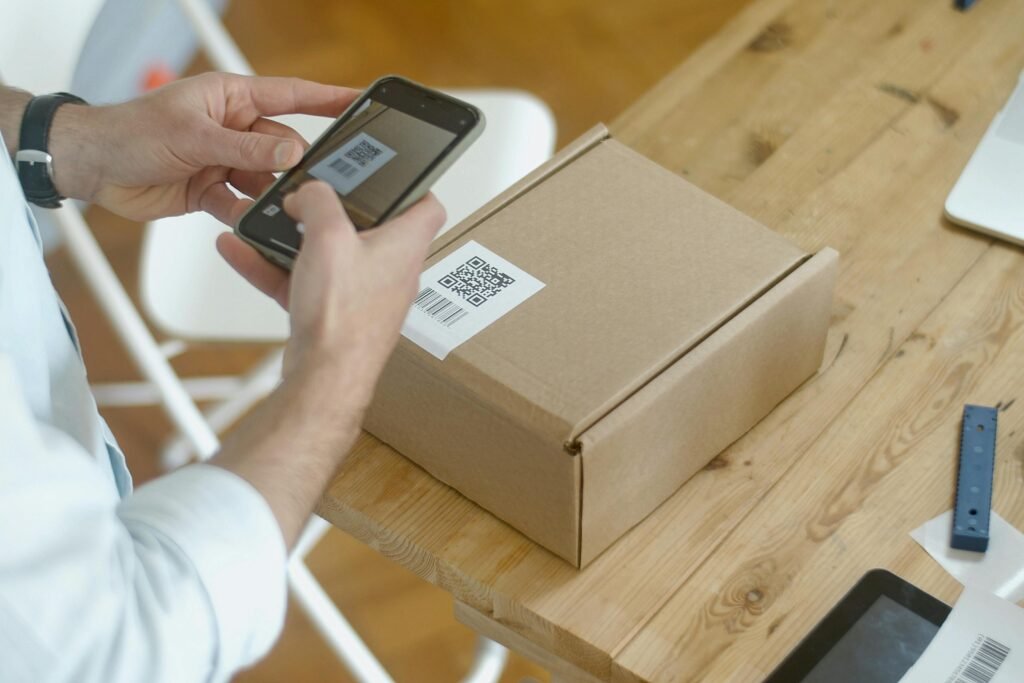
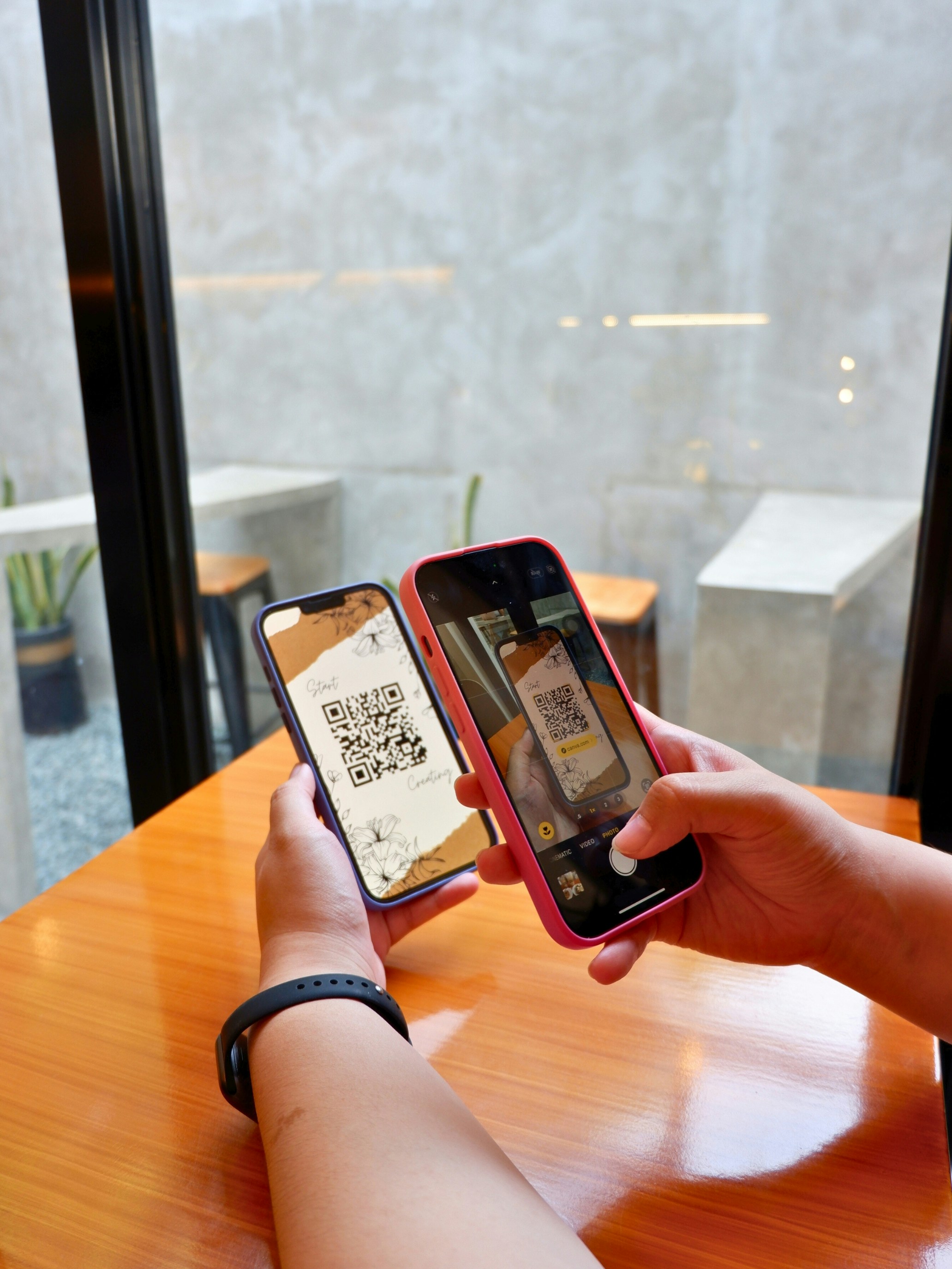
The landscape of barcode scanning technology is rapidly evolving, driven by advancements in mobile applications and artificial intelligence (AI). The integration of these technologies is significantly enhancing scanning capabilities, making them more efficient and versatile. One of the most notable trends is the emergence of mobile barcode scanning apps that leverage smartphone cameras, allowing users to perform scans without dedicated hardware. This democratization of barcode scanning technology opens up numerous applications, particularly for small businesses and independent retailers who previously could not afford expensive scanning devices.
Moreover, the incorporation of AI within barcode scanning solutions is revolutionizing data processing and interpretation. AI algorithms can now analyze scanned data in real-time, providing immediate insights that were previously unattainable. This capability allows for smarter inventory management and enhanced customer experiences, as businesses can respond quickly to consumer demands and streamline operations. For example, AI can assist in identifying product trends and optimizing stock levels based on predictive analytics, resulting in cost savings and improved overall efficiency.
Additionally, the advent of more sophisticated barcode formats, such as QR codes and Data Matrix, is paving the way for innovative applications beyond traditional uses. These formats can store significantly more information, including URLs or promotional content, thus facilitating direct engagement with consumers via their smartphones. Companies are increasingly utilizing these advanced barcode types in marketing strategies, leading to a more interactive and engaging shopping experience.
As we look ahead, we can anticipate the continuing convergence of barcode scanning with other technological advancements, such as augmented reality (AR) and the Internet of Things (IoT). This integration will likely create expansive opportunities for industries ranging from retail to healthcare, revolutionizing how businesses utilize barcode technology. In conclusion, as barcode scanning technology advances, it is essential for organizations to stay informed and adapt to these emerging trends to fully leverage their benefits.
© barcodly.com- All rights reserved