
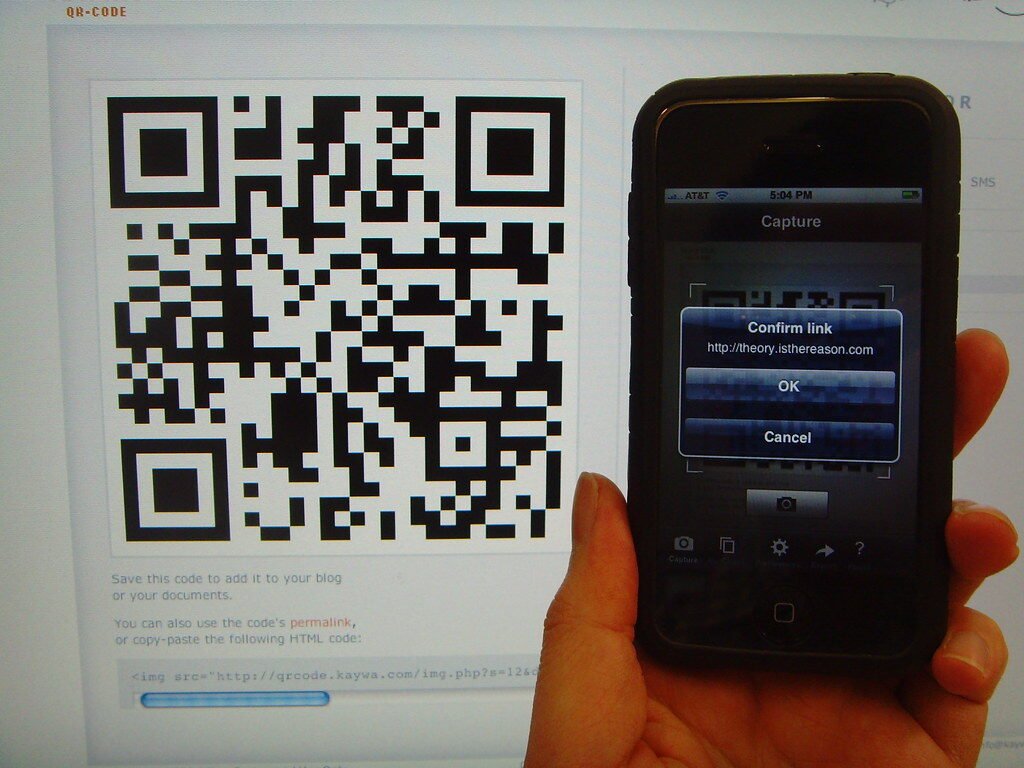
Introduction to Barcode Generation and Its Importance
Barcodes are visual representations of data, traditionally composed of parallel lines and spaces, that can be scanned and interpreted by barcode readers. The history of barcodes dates back to the 1950s, when Joseph Woodland and Bernard Silver developed the first barcode system. Since then, barcodes have evolved significantly, transitioning from simple designs to complex formats that store an array of information securely and efficiently. Today, they play a crucial role across various industries, including retail, logistics, healthcare, and manufacturing.
In the retail sector, for instance, barcodes streamline the checkout process by enabling quick retrieval of product information, thereby enhancing customer experience and operational efficiency. Similarly, in logistics, barcodes facilitate accurate inventory management, allowing for seamless tracking of products throughout the supply chain. This technology aids not only in maintaining accurate stock levels but also in reducing human error associated with manual data entry.
The importance of selecting an appropriate barcode generator tool cannot be understated. With a variety of options available, businesses must choose tools that not only meet their specific needs but also integrate smoothly with other systems in place. Factors such as the type of barcode required, the volume of codes to be generated, and the software’s compatibility with existing infrastructure should all influence the decision-making process. Furthermore, an effective barcode generator can significantly optimize operations by ensuring that barcodes are produced accurately and efficiently, thereby enhancing overall productivity.
As industries continue to evolve, the importance of barcodes and the tools used to create them will remain significant, driving efficiency and accuracy in inventory management and data capturing.
Key Features to Look for in a Barcode Generator Tool
When selecting a barcode generator tool, several key features should be taken into consideration to ensure that the chosen software meets specific business needs. First and foremost, ease of use is paramount. A user-friendly interface allows users of all skill levels to navigate the tool efficiently, minimizing the training time required to operate the software. Look for intuitive layouts and straightforward workflows that enable quick barcode generation.
Another important feature is the variety of barcode formats supported. Different industries may require different barcode types, ranging from traditional one-dimensional (1D) barcodes like UPC and EAN to two-dimensional (2D) formats like QR codes. A comprehensive barcode generator tool should offer a wide array of formats to cater to diverse business applications.
Customization options also play a vital role. Businesses often need barcodes that stand out or include specific information. A robust barcode generator should allow users to customize elements such as colors, sizes, logos, and text placement. This flexibility can enhance brand identity and ensure the barcode serves its intended purpose effectively.
Integration capabilities are essential for businesses that rely on various software solutions for their operations. A good barcode generator tool should seamlessly integrate with existing systems like inventory management or e-commerce platforms, ensuring streamlined operations and accurate data flow. Such integration can significantly reduce errors and improve efficiency.
Finally, scalability is a critical consideration. As a business grows, its barcode needs may evolve. The selected tool should be capable of accommodating increasing production requirements or the addition of new barcode formats without performance degradation. Scalability ensures the tool remains a long-term solution for businesses, allowing them to adjust as necessary without the need for frequent changes to their software tools.
Top Barcode Generator Tools for 2026: A Comprehensive Review
As we look towards 2026, several barcode generator tools are emerging as leaders in the industry, each with unique features catering to diverse user requirements. In this review, we will evaluate some of the top barcode generator tools based on their features, pricing, user interfaces, and customer feedback, ensuring that businesses and individuals can select the right software for their needs.
First on our list is Barcode Generator Pro. This tool offers an intuitive user interface that allows users to create professional-grade barcodes quickly. It supports various formats such as QR codes, UPC, and EAN, making it versatile for different applications. Priced reasonably, it provides subscriptions that scale according to the number of users, which is a significant plus for businesses.
Another highly rated tool is BarDode. This platform excels in customization options, allowing users to adjust size, color, and design elements for their barcodes. It also offers a free version, which is ideal for startups or small businesses looking to minimize costs. Customer feedback highlights its ease of use and comprehensive support documentation, making it a solid choice for newcomers to barcode generation.
Next, we consider Labeljoy, which not only generates barcodes but also integrates with label printing software. This software is particularly beneficial for businesses that need to produce inventory labels quickly. The tool is moderately priced, and feedback indicates that its functionalities meet or exceed expectations.
To facilitate decision-making, below is a comparison table showcasing key features of these top barcode generator tools:
| Tool | Price | Formats Supported | Customization |
|---|---|---|---|
| Barcode Generator Pro | Monthly Subscription | QR, UPC, EAN | Yes |
| BarDode | Free Version Available | Multiple formats | Extensive |
| Labeljoy | Moderately Priced | QR, UPC, EAN | Moderate |
These tools represent some of the best solutions for generating barcodes in 2026 and can help businesses optimize their inventory management and product tracking. Each comes with its own set of features and advantages, ensuring that users can find the right fit based on their specific needs.
Cost Comparison of Popular Barcode Generator Tools
When evaluating barcode generator tools available in 2026, one of the most crucial aspects to consider is their cost structure. Different software solutions offer varied pricing models, which may include subscription-based plans, one-time purchase options, and hidden fees that can impact the overall expenditure.
Subscription-based barcode generators typically charge users on a monthly or annual basis. This model can be attractive for businesses that prefer manageable, predictable billing cycles. Prices may vary depending on the features offered; for instance, basic plans may range from $5 to $15 per month, while premium versions, which include advanced features like bulk generation and cloud integration, could cost upwards of $50 per month. It’s important for users to carefully assess their needs to choose an appropriate plan.
On the other hand, one-time purchase options present a substantial upfront cost but can often lead to savings in the long run for businesses that generate barcodes infrequently. Prices for such software can range significantly, from as low as $50 to over $500, depending on the tool’s capabilities and support services. It’s essential to consider any potential upgrades or future costs that may arise, as some one-time purchase tools may require additional fees for updates or added functionalities.
Additionally, many barcode generator tools include hidden fees that can catch users off guard. These may involve charges for customer support, access to certain advanced features, or even limitations on the number of barcodes that can be generated in a specific timeframe. Therefore, it is pivotal for consumers to read the fine print and understand all costs associated with their chosen tool.
By analyzing these various pricing models and potential hidden costs, users can make informed decisions and select barcode generator tools that not only fit their financial requirements but also deliver the necessary functionalities for their business operations.
User Experience: Real Reviews from Barcode Generator Users
The effectiveness and user-friendliness of barcode generator tools are often best illustrated through the experiences shared by those who utilize them. Users frequently highlight the ease of setup and operation as pivotal aspects of their satisfaction. Many have remarked that intuitive interfaces and simple navigation allow even non-technical users to create barcodes with minimal effort. One user stated, “I was apprehensive about using a barcode generator for the first time, but I found the tool incredibly straightforward. Within minutes, I had generated multiple barcodes for my products.”
Effectiveness is another crucial factor underscored by user feedback. Customers have reported successful integration of generated barcodes with various inventory management systems, enhancing operational efficiency. A user pointed out, “The codes I generated were seamlessly scanned by our POS systems, and we experienced no issues with compatibility at all. The accuracy and reliability of these barcodes significantly streamlined our checkout process.”
Customer support is often a decisive factor when choosing a barcode generator. Numerous users have praised responsive, knowledgeable support teams that proved instrumental in resolving technical issues swiftly. A particular user noted, “I encountered a minor glitch when integrating the barcode generator with my software. However, the customer service was quick to respond and guided me through the resolution, which I greatly appreciated.”
Overall satisfaction emerges as a common thread in these testimonials. Users frequently express contentment not only with the products themselves but also with the support structures in place, enhancing their overall experience. Fair pricing, coupled with robust features and effective customer service, positions these barcode generators as essential tools for businesses of all sizes. The positive reviews from actual users emphasize the strengths of these tools, making them a worthwhile investment for those in need of efficient barcode solutions.
Future Trends in Barcode Technology and Generation Tools
As we look toward the future, barcode technology is poised for significant advancements that will shape the way we generate and use barcodes. With the increasing prevalence of mobile technology and the Internet of Things (IoT), there is a growing trend towards enhanced QR codes that offer not just simple data encoding but also interactive capabilities. These QR codes will likely evolve to incorporate additional functionalities, such as linking to websites, facilitating online payments, or providing detailed product information seamlessly accessible via smartphones.
Another critical trend in barcode technology is the integration of security features. As businesses and consumers become more aware of the risks associated with data breaches and counterfeiting, the demand for secure barcodes will rise. Advanced barcode generation tools will likely include features such as encryption and dynamic codes that change with each transaction, helping to safeguard sensitive information from unauthorized access.
Moreover, the deployment of artificial intelligence (AI) in barcode generation tools will enhance their functionality. AI can improve the accuracy of barcode scanning while also aiding in the design of more efficient barcode layouts. This integration will enable businesses to create adaptive barcodes that respond to various contexts, such as different product categories or customer preferences, thus optimizing inventory management and enhancing customer experience.
Furthermore, cross-industry collaborations will drive innovation in barcode technology. By bringing together expertise from sectors like retail, logistics, and healthcare, developers can create more robust barcode solutions that meet diverse operational needs. This collaboration is expected to result in tools that are not only more effective but also easier to use, making it simpler for companies to implement barcode systems.
Integrating Barcode Generators with Existing Systems
Integrating barcode generator tools into existing business systems such as inventory management, point-of-sale (POS) systems, and enterprise resource planning (ERP) software can significantly enhance operational efficiency and accuracy. The integration process involves a series of strategic steps that businesses must carefully navigate to ensure a seamless transition.
One of the primary considerations during integration is compatibility. It is important to assess whether the chosen barcode generator supports the formats and standards used by the current systems. Many modern barcode generators support common formats like Code 128, QR codes, and UPC, ensuring that they can easily communicate with different software platforms.
Additionally, businesses should evaluate their existing IT infrastructure. A robust and flexible system will facilitate the integration of new barcode technology more effectively. Implementing middleware solutions can also bridge the gap between the barcode generator and existing applications, which is particularly beneficial for businesses with legacy software. Furthermore, ensuring that staff are trained on how to use the new features is crucial for successful implementation. Support from IT teams can help employees transition smoothly into using these tools.
Challenges may arise during integration, particularly when it comes to data consistency and synchronization. It is essential to establish clear protocols for how data will be shared across systems to maintain accuracy and reduce discrepancies. Creating a centralized database where all barcode-related information can be stored and accessed is one approach to address potential issues.
Best practices for integration involve thorough testing before full implementation. Pilot projects can help identify any issues in a controlled environment, enabling businesses to rectify challenges before a wider roll-out. Ultimately, the successful integration of barcode generator tools into existing systems can lead to improved operational workflows, enhanced data accuracy, and better inventory management, resulting in a significant competitive advantage.
Case Studies of Successful Implementations of Barcode Tools
In recent years, many businesses have adopted barcode generator tools to streamline their operations and improve efficiency. One notable example is a large retail chain, which implemented a comprehensive barcode system across its stores. By utilizing barcode labels on merchandise, the company significantly reduced checkout times, resulting in enhanced customer satisfaction. The implementation allowed real-time inventory tracking, which minimized stockouts and overstock scenarios. As a result, the company experienced a remarkable increase in sales and a reduction in labor costs associated with manual inventory management.
Another compelling case study can be observed in the healthcare sector. A major hospital adopted a barcode generation system to manage patient medications more effectively. By using barcodes on medication packaging and patient wristbands, healthcare professionals significantly reduced medication errors. Each medication could be scanned, ensuring it matched the patient’s profile before administration. This implementation not only enhanced patient safety but also contributed to operational efficiencies by reducing the time spent on medication reconciliation.
Manufacturing companies have also realized substantial benefits from barcode tools. One factory integrated a barcode system to track components throughout the production line. By scanning components at various stages, the company achieved greater visibility into its manufacturing processes. This increased transparency led to minimized waste and improved turnaround times for production orders. Furthermore, the automation prompted by barcode scanning eliminated manual data entry errors, thus enhancing overall production quality. Such successful implementations highlight the diverse application of barcode generators across different sectors, underscoring their importance in modern business practices.
Conclusion and Recommendations
In conclusion, the selection of the ideal barcode generator tool in 2026 should be driven by a clear understanding of your business requirements and operational goals. This post has explored various top tools on the market, highlighting their features and functionalities. Each solution offers unique benefits, tailored to different industries and use cases, making it essential for businesses to assess their specific needs.
When considering a barcode generator tool, take into account factors such as ease of use, integration capabilities with existing systems, and the range of barcode formats supported. Additionally, evaluate the level of customer support and resources provided by the software vendor, as these can significantly influence your user experience.
It is also beneficial to consider scalability. As your business grows, your barcode needs may evolve. Choose a tool that can adapt and expand with your operations, whether it’s increasing the volume of barcodes produced or supporting additional formats and functionalities.
For businesses operating in regulated industries, such as pharmaceuticals or food distribution, ensure that your chosen barcode solution complies with relevant industry standards. This will not only streamline your operations but also minimize potential compliance risks.
Lastly, take advantage of free trials or demos whenever possible. This hands-on experience will allow you to gauge the tool’s performance and user interface, helping you make a more informed decision. By choosing the right barcode generator for your business, you will enhance efficiency, accuracy, and ultimately, customer satisfaction in your operations.
© barcodly.com- All rights reserved