Introduction to QR Codes
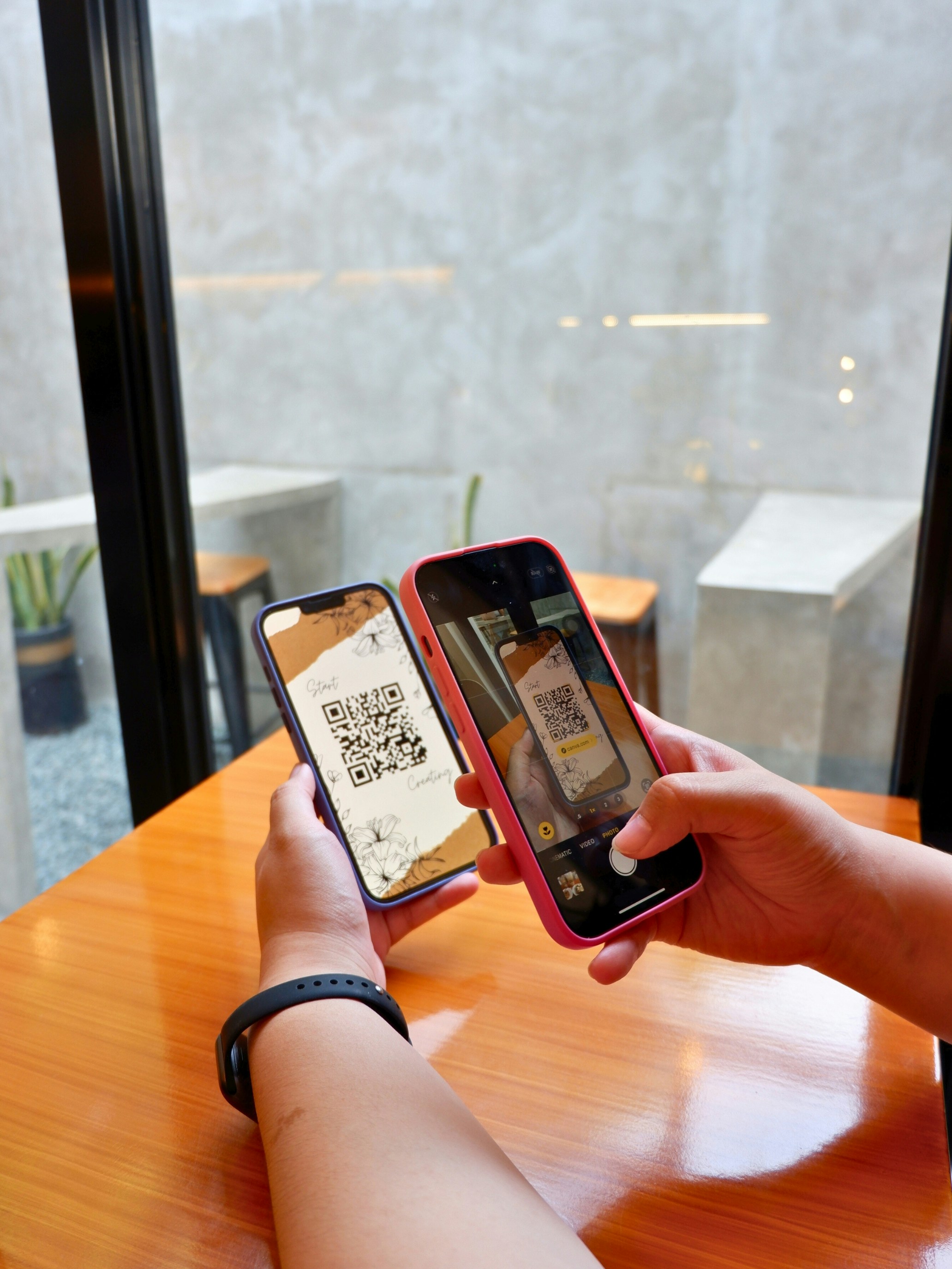
Quick Response (QR) codes are two-dimensional barcodes that can store a significant amount of information in a compact format. Originally developed in 1994 for the automotive industry in Japan, these codes have transformed into a versatile tool utilized in multiple sectors today. QR codes function by encoding data in a pattern of black squares arranged on a white grid. A QR code scanner, typically found within smartphone cameras, interprets the patterns and translates them back into the original information, which can range from URLs to contact details.
The purpose of QR codes is primarily to enable fast access to information or services. For instance, when scanned by a smartphone, a QR code can direct users to a website, provide directions, or offer discounts and promotions. Their speed and convenience have contributed to their elevated popularity, especially in our increasingly digital world. The seamless experience they provide is particularly valuable in settings where efficiency is paramount, such as retail and marketing.
As industries adopt technologies for enhanced customer engagement and service, QR codes have found applications beyond merely directing to web pages. They can be employed in product labeling, event ticketing, contactless payments, and even in the health sector, where they can store patient information securely. Their ability to bridge the physical and digital realms has led to the adoption of QR codes in menus, advertisements, and packaging, allowing businesses to connect with consumers in innovative ways.
In conclusion, the rise of QR codes in various industries demonstrates their adaptability and effectiveness as a tool for information sharing and customer interaction. As technology continues to evolve, QR codes are likely to remain a prominent feature in our daily lives.
Benefits of Custom QR Codes
Custom QR codes offer several distinct advantages over standard QR codes that can significantly enhance your branding and marketing efforts. First and foremost, these uniquely designed codes can improve brand recognition. By incorporating your brand’s colors, logos, and design elements, custom QR codes strengthen visual identity, making them more memorable to consumers. This is especially advantageous in competitive markets where standing out is essential.
Furthermore, aesthetics play a crucial role in consumer engagement. Standard QR codes, often seen as plain and utilitarian, lack visual appeal. In contrast, custom QR codes not only serve a practical function but also provide a visually attractive element that can complement the overall marketing strategy of a campaign. This infusion of creativity can lead to increased curiosity and higher scan rates among potential customers.
Beyond mere aesthetics, custom QR codes present a valuable opportunity for innovative marketing. Unlike their standard counterparts, these codes can be tailored to specific campaigns, seasonal promotions, or product launches. This adaptability allows businesses to deliver targeted messages and track the performance of campaigns more effectively. As a result, businesses can analyze user engagement in real time, adjusting their strategies to optimize effectiveness.
Moreover, these codes encourage user interaction in a unique way. By creating an engaging experience, businesses can facilitate a connection between their products and consumers. Custom QR codes can link to exclusive content, promotional offers, or interactive experiences, thereby enhancing user engagement and inviting customers to explore further.
In conclusion, the benefits of custom QR codes are far-reaching and impactful, encompassing brand recognition, enhanced aesthetics, marketing potential, and increased user interaction. These advantages can leverage a business’s marketing efforts, driving more effective consumer engagement.
Creating the Design Concept
When embarking on the journey of designing a custom QR code, the first step entails creating a clear design concept. This pivotal phase begins with identifying the goals behind the QR code’s deployment. Are you aiming to promote a specific product, share information, or enhance interaction with your audience? Understanding the main objectives will guide the overall aesthetics and functionality.
Next, it is crucial to consider the target audience. The design should resonate with the demographic you aim to attract. For instance, a vibrant, playful QR code may appeal to a younger audience, while a more sophisticated and minimalist design might be effective for professionals. Gaining insights into user preferences can help tailor the design concept to meet expectations and increase engagement.
An essential aspect of creating a design concept is ensuring that the QR code reflects your brand identity. Consistency in design elements, such as color schemes, fonts, and logos, can reinforce brand recognition. Incorporating your brand’s unique style into the QR code not only fosters connection but also enhances trust among users. When coding the elements of your QR design, consider how these aspects can be seamlessly integrated while maintaining the code’s readability and functionality.
Another significant factor to contemplate is the location where the QR code will be placed. Whether it will be on a business card, a poster, or a digital platform, each context can influence the design choices made. Understanding the environment in which users will interact with the code can result in a more effective and appealing design.
In summary, creating a thoughtful design concept requires a combination of identifying goals, understanding the target audience, and reflecting brand identity. This careful groundwork sets the stage for developing a custom QR code that not only functions well but also engages its intended viewers.
Choosing the Right Software or Tools
Designing custom QR codes requires effective software or tools that cater to specific needs. The variety of options available can be overwhelming, ranging from free online generators to advanced design platforms. Every tool comes with a unique set of features, pricing structures, and levels of complexity, which makes the decision process crucial.
One popular option is Canva, which provides user-friendly templates for QR codes that are highly customizable. Users can incorporate logos, colors, and additional graphics to create visually appealing codes. Canva’s drag-and-drop interface is particularly suitable for those who may not have extensive design experience. Pricing is competitive, with free basic features and additional costs for premium functionalities.
Another noteworthy tool is QR Code Generator. This platform simplifies the QR code creation process, allowing users to input URLs, text, or other data types quickly. While it offers essential customization features, the free version has limitations in terms of design capabilities. For more extensive options, a paid subscription may be necessary, which unlocks functionalities such as tracking and analytics.
For businesses needing robust features, Beaconstac stands out as a comprehensive solution. It offers advanced analytics, dynamic QR code capabilities, and extensive customization options. However, its subscription fee might not fit every budget, which can be a consideration for small businesses or individual users.
Ultimately, the choice of software depends on user requirements, including the desired level of customization, ease of use, and budget constraints. Evaluating these criteria alongside the features and costs of each tool will lead to a more informed decision in creating effective and engaging custom QR codes.
Design Elements to Consider
When designing custom QR codes, several key elements must be taken into account to ensure both functionality and aesthetic appeal. These design components not only enhance the visual appeal of the QR code but also maintain its effectiveness as a scanning tool. One of the first aspects to consider is the color scheme. Traditionally, QR codes are black and white, which provides high contrast for scanners. However, incorporating different colors can make your QR code more engaging. It is vital to ensure that there is sufficient contrast between the foreground and background colors to maintain scan ability.
Another important element is the inclusion of a logo. Adding a logo can reinforce brand identity and help with recognition. When placing a logo in the center of the QR code, caution is necessary to avoid compromising the code’s scan ability. The size and placement should be optimized to ensure that at least 30% of the QR code remains intact for scanners to function accurately.
Patterns also play a crucial role in the design of custom QR codes. Custom shapes and designs can be introduced to enhance the aesthetic value of QR codes. However, while creative patterns can offer a unique look, they should not distort the fundamental black and white matrix that allows the code to be scanned. Striking a balance between innovation and functionality becomes essential in the design process. Overly complicated designs can confuse scanner software, whereas minimalist styles tend to be more reliable.
Finally, ensure that the overall composition of your custom QR code follows a balanced layout. Maintaining proportionality between design components enhances both visual appeal and functionality. Effective consideration of these design elements is paramount to creating a custom QR code that is intriguing and functional, fulfilling its role as a bridge between the physical and digital worlds.
Testing the QR Code
Testing custom QR codes is a crucial step in the design process, ensuring that they function as intended across various platforms and devices. A well-designed QR code should be easily scannable, allowing users to access the linked content without complications. To achieve this, multiple testing phases should be employed, each focusing on different aspects of QR code performance.
Firstly, begin by accessing the QR code using different devices, including smartphones and tablets from various manufacturers. This will help identify any inconsistencies in scanning capabilities. It is essential to check that the code is compatible with both iOS and Android systems, as variations in camera quality and operating systems can impact functionality. Begin testing with the default camera app, as many users will utilize this feature for scanning. If the QR code does not work seamlessly with the native app, consider providing alternatives that users can download easily.
In addition to device compatibility, testing should also include scanning under various environmental conditions. Low light or bright sunlight can affect camera performance and, consequently, the successful scanning of QR codes. Test in different lighting scenarios to ensure optimal readability. Furthermore, consider using QR code scanning apps available on the app stores; these dedicated applications may provide better scanning success rates than built-in camera apps.
Lastly, it is advisable to gather feedback from a small group of users outside of the design team. This step will provide insights into real-world usage and experiences, helping to identify any issues that might have been overlooked during internal testing. By following a structured testing approach, designers can refine their custom QR codes, enhancing user experience and ensuring that the codes serve their intended purpose effectively.
Best Practices for Usage
Custom QR codes have become a widely utilized tool for enhancing user engagement, providing a seamless and interactive experience. To ensure that these codes are used effectively, several best practices should be observed.
First and foremost, placement of the QR code is critical. It should be positioned at eye level on print materials, such as posters, flyers, or product packaging, to make scanning convenient for users. Furthermore, consider enhancing its visibility by contrasting the code with the background; a QR code that stands out is more likely to catch attention. Avoid cluttering the area around the QR code with excessive text or images, which can distract users and deter them from scanning.
Another notable practice is to include a call-to-action (CTA) near the QR code. Phrasing such as “Scan here for exclusive offers” or “Get instant access to our latest updates” can encourage users to engage with the code. The CTA should be clear and concise, emphasizing the value that users will receive by scanning the code. This directly contributes to increased scanning rates and user interaction, which are vital for the success of any marketing campaign utilizing QR codes.
Testing the QR code prior to its public launch is equally essential. This involves scanning the code with different devices and QR code readers to ensure compatibility and functionality. Lastly, monitoring the performance of the QR codes is beneficial. Utilizing analytics tools will allow you to track how often the codes are scanned and by whom, providing valuable insights that can inform future usage strategies.
Case Studies of Successful Custom QR Codes
In recent years, numerous businesses and marketing campaigns have harnessed the potential of custom QR codes to engage audiences and drive growth. These codes not only serve their functional purpose but also offer branding opportunities, aligning perfectly with the company’s image and values.
One notable example is Starbucks, which implemented custom QR codes as part of its loyalty program. Customers scan the codes to accumulate points toward rewards. This initiative not only simplified the redemption process but also encouraged repeat visits to stores. By integrating the QR codes into their existing mobile app, Starbucks established a seamless interaction between physical and digital experiences, which enhanced customer satisfaction and retention.
Another compelling case is the use of custom QR codes by the fashion retailer, Dolce & Gabbana. They exhibited unique QR codes on their clothing tags, enabling customers to access exclusive content, such as behind-the-scenes videos and style tips. This innovative application turned an ordinary shopping experience into an engaging digital journey, effectively drawing in fashion enthusiasts who value interactive content. The success of this strategy showcases the effectiveness of combining style with technology to elevate brand awareness and customer loyalty.
A successful implementation can also be seen with the Chicago Cubs, who placed custom QR codes around their stadium, leading fans to special content, promotions, and ticketing options. This interactive experience enhanced engagement during games, reinforcing community ties and driving merchandise sales. By leveraging location and technology in harmony, the Cubs created an immersive environment that resonated with their fan base.
These examples illustrate the diverse applications of custom QR codes. Businesses can leverage these codes creatively to improve customer experiences, streamline operations, and promote brand identity. By analyzing what was effective in these case studies, other enterprises can gather valuable insights to inform their own QR code strategies, tailoring the technology to their unique goals and audiences.
Future Trends in QR Code Design
As we continue to advance technologically, the future of custom QR codes appears to be exceptionally promising. The design of these codes is becoming increasingly sophisticated, emphasizing interactivity and user engagement. Innovations are steering QR codes away from their traditional monochrome appearance, leading to more vibrant and visually appealing designs. Incorporating brand logos, colors, and creative patterns can significantly enhance the user experience, allowing businesses to craft custom QR codes that align with their brand identity.
Moreover, advancements in interactivity will likely play a crucial role in the evolution of QR codes. Future QR codes may not only direct users to websites but also integrate various multimedia elements such as augmented reality (AR) experiences, videos, or interactive content. This transformation encourages a more immersive interaction, making it easier for consumers to engage with products and services. As this trend develops, marketers will find novel ways to utilize QR codes as powerful storytelling tools that bridge the gap between digital and physical experiences.
In terms of scanning technology, we anticipate significant improvements that will lead to more seamless interactions. Modern smartphones are constantly evolving, and as camera capabilities enhance, scanning QR codes will become faster and more reliable. Future QR codes might even include advanced security features that ensure user safety and data protection. This could involve encryption methodologies allowing users to scan codes without fear of compromising their personal information.
Overall, the future trends in QR code design are geared toward creating a richer and more engaging user experience. As businesses adopt new technologies and innovate their approaches, custom QR codes will empower enterprises to communicate effectively and attractively with their audiences. Keeping an eye on these developments will be essential for companies looking to maintain relevance in a rapidly changing digital landscape.
© barcodly.com- All rights reserved