
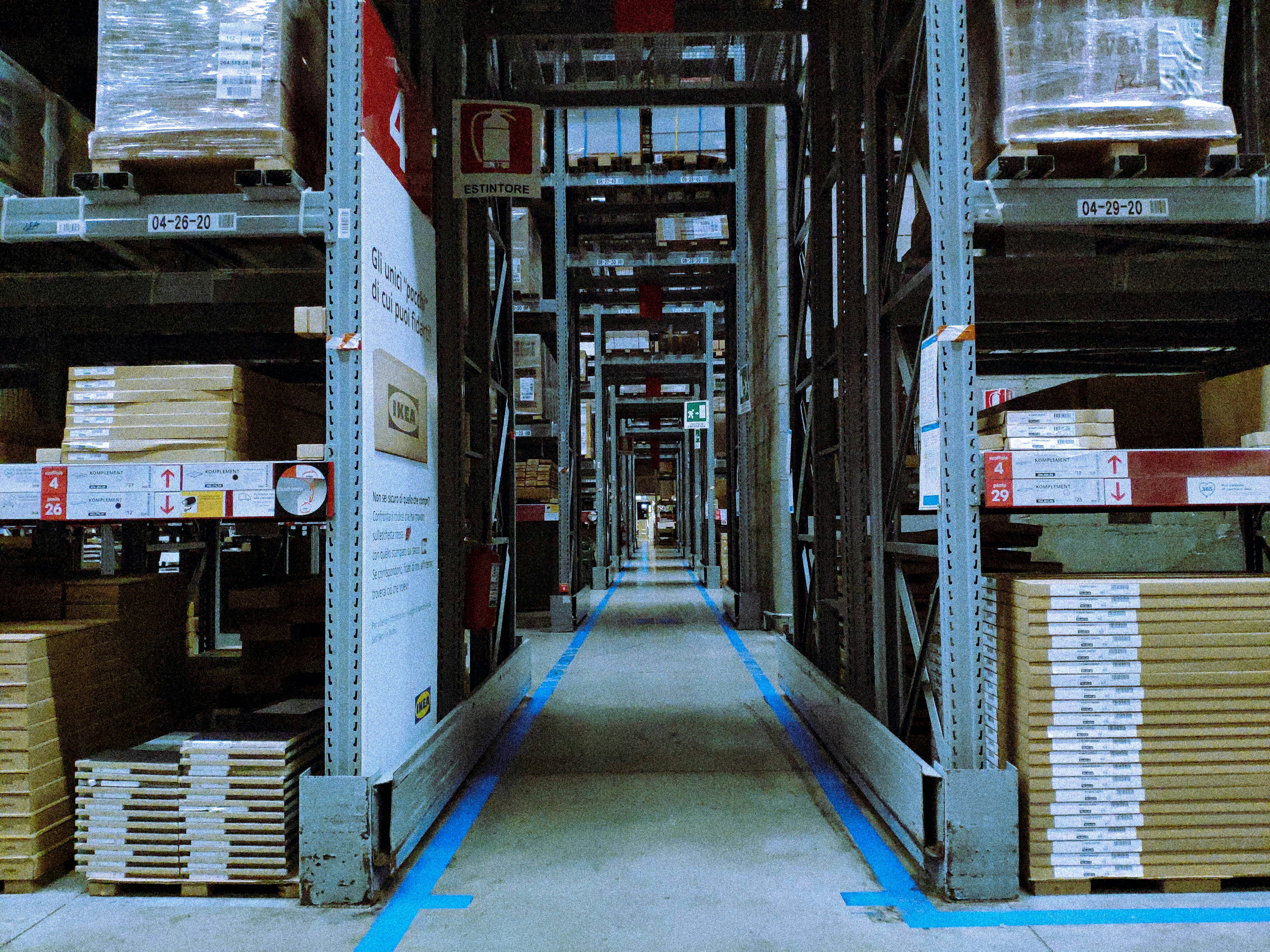
Introduction to Barcode Systems
Barcode systems are crucial tools used in warehousing and inventory management to track and manage products efficiently. A barcode itself is a machine-readable representation of data, typically in the form of parallel lines or dots arranged in a specific pattern, which can be scanned by optical devices to retrieve the encoded information. The origins of barcoding can be traced back to the 1940s, when it was conceived as a solution to improve the tracking of goods in supermarkets.
The evolution of barcoding technology has seen significant advancements since its inception. Initially, barcodes were limited to simple designs and required specialized equipment to read them. However, the development of the Universal Product Code (UPC) in the 1970s marked a significant milestone in barcode technology, enabling standardized labeling for consumer products. This standardization fostered broader adoption across various industries, particularly in retail.
In the modern warehousing environment, barcode systems play a pivotal role in enhancing operational efficiency. They automate the process of data collection, drastically reducing the time spent on manual entry, which is fraught with errors. By utilizing barcode scanners and software, businesses can quickly update inventory levels, track the movement of goods, and manage stock in real-time. This optimization leads to improved accuracy in inventory management, minimizing discrepancies that can lead to overstocking or stockouts.
Barcode systems also foster better communication within supply chains, as they facilitate the seamless transfer of information between manufacturers, distributors, and retailers. With the continuous advancements in technology, including mobile scanning devices and cloud-based inventory management software, barcode systems have become indispensable tools for warehouses aiming for operational excellence. In conclusion, understanding barcode systems is essential for any modern warehouse seeking to enhance efficiency and precision in their inventory management processes.
Components of a Barcode System
A barcode system is a critical tool in modern warehousing, enhancing efficiency and accuracy in inventory management. The system comprises various components that function cohesively, allowing for seamless data collection and management. The primary components include barcode scanners, labels, printers, and software.
Firstly, barcode scanners play a pivotal role in the system by reading the information encoded in the barcodes. These hand-held or fixed devices translate the patterns of bars and spaces into readable data for automated processing. Scanners can vary widely in type, including laser scanners, camera-based scanners, and image-based readers, each suited to different environments and types of barcodes. Their ability to quickly and accurately capture data significantly reduces human error and speeds up operations.
Secondly, the barcode labels themselves are essential as they serve as the data carriers. Each label contains a unique barcode that represents product-specific information such as SKU numbers, product descriptions, and pricing. Labels can be printed on various materials and designed to endure specific conditions such as moisture or extreme temperatures, ensuring durability in a warehousing environment.
Furthermore, printers are integral to producing the barcode labels. These devices can be thermal transfer, direct thermal, or laser printers. The choice of printer depends on the volume of labels needed, the type of labels required, and the quality of printing desired. Efficient label production ensures that scanned data corresponds accurately to the right products, further minimizing errors.
Lastly, the software manages the data captured by the scanners. Inventory management systems commonly incorporate barcode software to facilitate real-time tracking and reporting. This software integrates with existing databases, allowing for streamlined operations and better inventory oversight. Overall, the synergy between these components enhances the effectiveness of barcode systems in warehouses, driving productivity and accuracy.
Types of Barcode Technologies
Barcode technology plays a crucial role in modern warehousing, enabling efficient inventory management and tracking systems. The classification of barcode technologies primarily revolves around two types: 1D and 2D barcodes, each with unique characteristics and applications within the warehousing sector.
1D barcodes, often recognized as linear barcodes, utilize parallel lines of varying widths to represent data. These are widely employed due to their simplicity and ease of scanning. Commonly used applications include retail point-of-sale systems and inventory management, where large quantities of products need to be scanned quickly. However, 1D barcodes have limitations in data capacity, as they can typically store only a small amount of information. They are also less effective in environments where scanning may be interrupted by angles or obscured views.
On the other hand, 2D barcodes, which include QR codes (Quick Response codes) and Data Matrix codes, can store significantly more information. This technology allows for the encoding of hundreds of alphanumeric characters within a small square footprint. In warehousing, 2D barcodes are particularly valuable for applications that require detailed information, such as product specifications or tracking history. Their scanners also facilitate readability from various angles, making them advantageous in busy warehouse environments; however, not all devices may support scanning 2D codes, which can be seen as a drawback.
Ultimately, businesses must weigh the advantages and disadvantages of each barcode technology type. Factors such as the volume of data needed, scanning speed, and the specific operational needs of the warehouse will influence the decision. Selecting the appropriate barcode system not only enhances operational efficiencies but also supports overall accuracy and traceability within the warehousing process.
Benefits of Implementing Barcode Systems in Warehousing
In the realm of warehousing, the integration of barcode systems has gained significant traction due to their multifaceted advantages. One of the most prominent benefits is the marked improvement in inventory accuracy. Research indicates that warehouses employing barcode scanning technology can achieve inventory accuracy rates exceeding 99%, significantly reducing discrepancies that often lead to financial losses and customer dissatisfaction.
Additionally, barcode systems facilitate faster order processing. With the ability to quickly scan barcodes, warehouse staff can rapidly pick, pack, and dispatch items, reducing order fulfillment times by as much as 30%. This acceleration not only enhances operational efficiency but also promotes customer satisfaction, as clients receive their orders more promptly.
Moreover, the cost savings associated with implementing a barcode system are substantial. Automation of inventory management reduces the need for extensive manual labor. According to studies, organizations have reported a labor cost reduction of around 25% after the introduction of barcode technology, as fewer staff hours are required to maintain accurate inventory levels and complete order processing tasks.
Enhanced data collection capabilities represent another significant benefit of barcode systems in warehousing. By capturing real-time data regarding inventory levels and order statuses, managers can make informed decisions that bolster operational efficiency and responsiveness. For instance, data analytics derived from barcode systems enable warehouses to optimize reorder levels and minimize overstock and stockouts, thus maintaining an efficient supply chain.
In light of these benefits, many businesses have conducted case studies illustrating the transformative impact of barcode systems on their warehouse operations. These organizations have not only seen improvements in cost efficiency but also in overall service delivery, further validating the strategic importance of adopting barcode technology in today’s competitive market.
Challenges of Barcode Systems in Warehousing
Despite their many advantages, barcode systems in warehousing face a variety of challenges that can hinder their effectiveness. One major barrier is the initial setup cost. Implementing a sophisticated barcode system requires investment in hardware, such as barcode scanners, printers, and supporting software. This initial financial outlay can be significant, especially for small to medium-sized warehouses, where budget constraints might limit the adoption of such technology.
Another challenge is the training requirement for staff. Employees need to be proficient in using barcode technology and understanding how to interpret data accurately. Without comprehensive training programs, organizations may find themselves with workforce inefficiencies and errors in inventory management. Ensuring that staff are consistently trained and updated on new technologies is essential for the smooth functioning of barcode systems.
Integrating barcode systems with existing warehouse management software can be another hurdle. Many businesses operate with legacy systems that may not support modern barcode technologies. This can lead to complications during implementation and may require additional investments in updates or new software solutions. It is essential to evaluate the compatibility of current systems before deployment to mitigate these integration challenges.
Common pitfalls include underestimating the necessary ongoing maintenance and support required to keep the barcode system running smoothly. Organizations may neglect the need for regular software updates or fail to maintain hardware, leading to inefficiencies. Best practices suggest allocating resources for continuous training and establishing a dedicated support team to address technological issues as they arise.
In conclusion, while barcode systems offer significant benefits to warehousing operations, understanding and addressing the potential challenges is crucial for successful implementation and operation. By considering factors such as initial costs, training, and technology integration, organizations can create a more effective and efficient barcode system tailored to their specific needs.
Selecting the Right Barcode System for Your Warehouse
Choosing the appropriate barcode system for your warehouse is a crucial decision that can significantly affect operational efficiency and inventory management. The first and foremost factor to consider is the size of the warehouse. Larger facilities may require more sophisticated barcode systems capable of handling data across multiple locations. In contrast, smaller warehouses might benefit from simpler solutions that are easier to implement and maintain.
Next, assess the volume of inventory being managed. A high turnover rate necessitates a barcode system that can quickly and accurately capture product information. Look for features that enhance speed and accuracy in scanning, as this can reduce wait times and improve workflow. For businesses dealing with a myriad of product types, it is advisable to choose a barcode system that can accommodate various barcode formats and functionalities. This ensures that all items, regardless of type, can be managed seamlessly.
Consider the different types of products in your warehouse as well. Perishable goods, for example, might require a system that offers tracking capabilities for expiration dates, while non-perishable items may only need inventory counts. Moreover, it is important to evaluate the integration capabilities of the barcode system with your existing warehouse management software. A system that allows for easy integration will save time and resources in the long run.
Budget is another essential factor. While it might be tempting to choose a low-cost solution, assess the potential trade-offs in functionality and scalability. A more robust barcode system may come with a higher initial cost but can lead to significant savings through improved efficiency and accuracy in the long-term. In the end, a well-considered selection aligns with your operational requirements, supports your growth strategy, and enhances overall productivity.
The Future of Barcode Systems in Warehousing
The landscape of warehousing is constantly evolving due to technological advancements, and barcode systems are no exception. As we move into an increasingly digitized future, several emerging trends and technologies will significantly impact traditional barcode systems. One of the most notable innovations is the incorporation of Radio Frequency Identification (RFID) technology, which offers unique advantages over conventional barcodes.
RFID technology employs electromagnetic fields to automatically identify and track tags attached to objects. Unlike barcodes, which require direct line-of-sight scanning, RFID allows for multiple items to be read simultaneously from a distance. This capability streamlines inventory management and reduces the time spent on stocktaking, thus enhancing operational efficiency within the warehouse environment.
Furthermore, RFID systems can store significantly more data than traditional barcode systems, providing detailed information about inventory. This detailed real-time data allows for more informed decision-making regarding stock replenishment and distribution. In addition, RFID enables better traceability of products throughout the supply chain, enhancing transparency and accountability.
Despite the advantages presented by RFID technology, it is essential to recognize the ongoing relevance of barcode systems. Traditional barcodes still hold their ground due to their low cost and ease of implementation. Many businesses may choose to continue utilizing barcode systems as a reliable solution for their warehousing needs, particularly when costs are a significant consideration.
In conclusion, the future of barcode systems in warehousing appears to be interlinked with the advancements brought forth by RFID technology. While traditional barcode systems may continue to play a vital role for many businesses, the integration of RFID technology introduces a new paradigm that complements and enhances existing systems. As warehousing operations adapt to these changes, an ongoing evaluation of the technological landscape will be essential for maintaining competitive advantage.
Real-Life Examples of Barcode Systems in Action
Implementing barcode systems in warehousing operations has pioneered significant advancements in efficiency and accuracy across various industries. Numerous businesses have leveraged this technology to streamline their inventory management, enhance order fulfillment processes, and improve overall operational effectiveness. One notable example is the implementation of barcode systems by a leading retail chain, which faced challenges related to high inventory discrepancies and inefficient stock tracking.
In their case, the company adopted a comprehensive barcode labeling strategy that involved tagging each product with barcodes that included information about product type, stock level, and location within the warehouse. This strategic move not only simplified inventory tracking but also minimized human error during stock takes. As a consequence, the retail chain reported a 40% decrease in stock discrepancies within the first year of implementation, resulting in better customer satisfaction due to improved order accuracy.
Another prominent case study involves a large pharmaceutical distributor, which utilized barcode systems to enhance compliance with regulatory requirements. By deploying barcode scanners at various checkpoints, the company ensured that each medication could be traced throughout its journey from supplier to end-user. This integration of barcoding into their logistics processes not only bolstered accountability but also reduced the risk of counterfeit products reaching consumers. Consequently, the distributor experienced an impressive 30% reduction in recall instances, reinforcing their credibility in a highly regulated market.
Through these examples, it becomes evident that adopting barcode systems in warehousing operations can lead to profound improvements in efficiency, accuracy, and regulatory compliance. These success stories not only illustrate the practical benefits of barcoding but also demonstrate how businesses across different sectors can achieve transformative results through this technology. As companies continue to explore innovative solutions to streamline operations, barcode systems will remain a valuable tool in warehousing management.
Conclusion and Best Practices
In summary, barcode systems play a pivotal role in enhancing efficiency and accuracy within warehousing operations. Their implementation leads to streamlined processes, reduced errors, and improved inventory management. As highlighted throughout this blog post, the integration of barcode technology allows warehouses to keep pace with the rapid advancements in logistics and supply chain management. This not only helps in tracking inventory more effectively but also in facilitating real-time data access, which is crucial for making informed business decisions.
To maximize the effectiveness of barcode systems, it is essential to adhere to several best practices during both implementation and ongoing maintenance. First, ensure that staff members are adequately trained on how to use the system, including understanding the importance of barcode scanning for accuracy. Second, select high-quality barcodes that are durable and resistant to wear, ensuring they are readable in various conditions.
Furthermore, regular audits of the system should be conducted to identify discrepancies and maintain data integrity. This involves routine checks of inventory levels against the recorded data to catch any potential errors early on. Additionally, establishing a clear labeling system is vital, as it aids in properly categorizing items and decreases confusion in busy warehouse environments.
Lastly, continuously review and update the barcode technology to keep up with industry developments. This may involve integrating advanced scanning devices or software that can further enhance operational efficiency. By following these best practices, warehouses can ensure their barcode systems function optimally, leading to significant gains in overall productivity and accuracy.
© barcodly.com- All rights reserved