
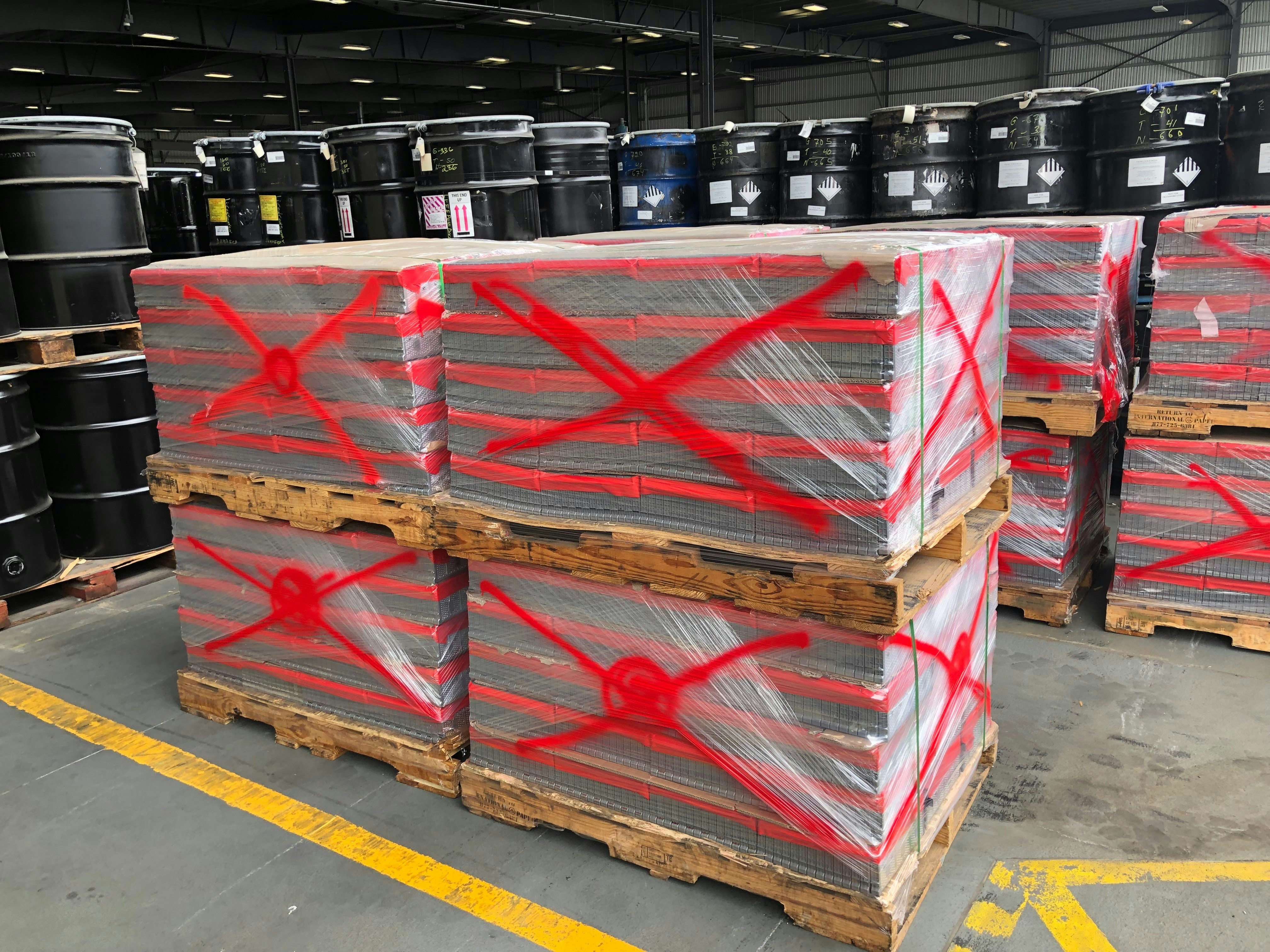
Introduction to Barcoding in Supply Chains
Barcoding is a technology that utilizes a series of printed bars and spaces to encode information, enabling quick and accurate data capture in various applications, most notably in supply chain management. This method revolutionized inventory tracking, making it essential for modern businesses striving for efficiency and accuracy in their operations. By integrating barcoding systems, companies can monitor product movement throughout the supply chain, streamline processes, and minimize human error in data entry.
The evolution of barcoding dates back to the 1940s, when Bernard Silver and Norman Woodland developed the concept, leading to the first barcode scanner in 1952. Over the decades, barcode technology advanced significantly, with the introduction of various formats, such as UPC and QR codes, catering to different operational needs. As businesses began to recognize the importance of accurate inventory management and real-time data collection, barcoding became a vital tool for organizations looking to optimize their supply chains.
In today’s fast-paced environment, the role of barcoding has expanded beyond mere inventory tracking. It is now a fundamental component of logistics, helping organizations efficiently manage stock levels, reduce waste, and enhance communication across departments. With barcode systems providing reliable data, supply chain managers can make informed decisions based on real-time inventory levels, forecasting demand with greater accuracy. Furthermore, barcoding facilitates seamless integration with other technologies, such as warehouse management systems (WMS) and enterprise resource planning (ERP) software, thereby enhancing overall operational efficiency.
In summary, barcoding plays a critical role in modern supply chain management, providing the foundation for accurate data collection, improved visibility, and streamlined operations. As technology continues to evolve, its significance in enhancing supply chain efficiency will only grow, underscoring the need for businesses to adopt and integrate effective barcoding solutions.
Types of Barcodes Used in Pallet and Case-Level Management
Barcoding is an essential technology in supply chain management, providing a quick and efficient means of tracking products at the pallet and case level. Various types of barcodes serve distinct purposes, each with unique advantages and limitations.
The most commonly used type is the Universal Product Code (UPC), which is typically found on retail products. This one-dimensional barcode consists of 12 numeric digits that identify the product and its manufacturer. A key advantage of UPCs is their widespread acceptance in retail, enhancing compatibility across different retailers and distributors. However, they are limited in the amount of information they can encode, making them less suitable for complex logistics that require more detailed data.
Another popular form of barcoding is the Quick Response (QR) code. Unlike UPCs, QR codes are two-dimensional, allowing them to hold significantly more information, such as URLs, product details, or promotional offers. This enhanced capability is particularly useful in inventory management, where more detailed data is often necessary for effective tracking. QR codes are also easy to scan with smartphones, making them ideal for environments where consumer interaction is a priority. Nevertheless, their reliance on digital infrastructure can be a disadvantage in certain settings.
Radio Frequency Identification (RFID) represents a more advanced barcoding technology, utilizing radio waves to communicate between tags attached to the items and readers situated at strategic points within the supply chain. RFID provides real-time tracking and does not require line-of-sight scanning, which can significantly speed up inventory processes. However, the high cost of RFID systems and infrastructure can be a barrier to entry for some companies, limiting its adoption primarily to larger organizations.
In conclusion, the choice of barcode technology for pallet and case-level management depends on various factors, including the complexity of the inventory system, cost considerations, and the required level of information detail. An understanding of the advantages and limitations of each barcode type can aid organizations in selecting the most suitable solution for their supply chain needs.
Pallet-level barcoding represents a significant advancement in inventory management and logistics, bringing forth a plethora of advantages that can greatly enhance supply chain operations. One of the primary benefits of this system is improved inventory accuracy. By assigning unique barcodes to each pallet, businesses can ensure real-time tracking of stock levels. This means that companies can maintain better inventory records, reducing the likelihood of discrepancies that may arise from manual counting or outdated data entries. Subsequently, improved accuracy leads to more reliable order fulfillment, satisfying customer demand more effectively.
Another critical advantage of pallet-level barcoding is the reduction of labor costs. Automating the identification of pallets through barcodes minimizes the need for extensive manual labor associated with inventory management. As employees can swiftly scan barcodes for tracking and inventory purposes, the time spent on these tasks decreases significantly. This not only enhances productivity but also allows workforce resources to be allocated to other important areas, thereby optimizing labor efficiency across the operation.
Furthermore, the implementation of pallet-level barcoding streamlines shipping and receiving processes. Shipping errors can drastically affect a company’s operational integrity and customer satisfaction. With accurate barcodes, businesses can expedite their shipping processes by minimizing errors in order preparation and ensuring that the correct items are dispatched. Enhanced visibility also helps in managing incoming shipments, where scanned pallets verify quantities and ensure accurate inventory levels upon receipt.
A practical example can be found in the retail industry, where major chains have adopted pallet-level barcoding. These companies have reported significant reductions in order processing time, resulting in improved operational efficiency. Another case involves a logistics company improving its supply chain management through the use of pallet barcodes, which have led to better tracking and reduced operational costs.
Case-Level Barcoding: A Detailed Look
Case-level barcoding plays a critical role in supply chain management by providing an efficient way to track and manage smaller units of inventory. Unlike pallet-level barcoding, which categorizes bulk shipments, case-level barcoding focuses on individual cases that contain multiple items. This specificity allows businesses to gain better visibility into their inventory, enhancing accuracy in tracking and reducing discrepancies associated with manual entry or visual inspections.
The integration of case-level barcoding systems within supply chains enables companies to streamline their operations significantly. Each case of products is labeled with a unique barcode, which can be scanned at various points in the supply chain, from warehousing to transportation, ensuring that accurate information is consistently relayed. This feature not only simplifies monitoring of stock levels but also facilitates quicker response times to inventory demands.
Moreover, case-level barcoding complements pallet-level barcoding by enabling finer granularity when managing stock. While pallets may be transported as singular units, the contents within those pallets often vary and must be tracked down to the case level. In scenarios where stock needs to be replenished or recalled, case-level barcoding allows companies to identify specific items quickly without having to sift through entire pallets. This level of detail can lead to significant cost savings and enhanced operational efficiency.
Additionally, by adopting case-level barcoding, organizations can improve their ability to conduct accurate inventory audits. Enhanced visibility into each case’s content also aids in making data-driven decisions related to inventory turnover and optimization of storage space. Consequently, businesses that implement this technology not only improve their efficiency but also contribute to greater customer satisfaction through timely and accurate order fulfillment.
Implementing a Barcoding System in Your Warehouse
Implementing a barcoding system in a warehouse is a strategic move that can significantly enhance supply chain efficiency. A systematic approach ensures that the transition to barcoding is smooth and effective. Here is a step-by-step guide to implementing a successful barcoding system.
First, it is essential to assess the specific needs of your warehouse operations. Consider factors such as the types of products housed, volume of inventory, and current inefficiencies in your workflow. Conducting a thorough analysis will help identify the areas where barcoding can provide the most benefit.
Once the needs assessment is complete, the next step is to choose the right barcoding technology. This involves selecting the type of barcodes to be used, whether UPC, QR codes, or custom formats. Additionally, consider the hardware required, such as barcode scanners and mobile devices, along with the software that will manage inventory and data tracking. Opt for solutions that integrate seamlessly with your existing systems to minimize disruption.
After deciding on technology, focus on training staff adequately. It’s crucial that employees understand how to use the barcoding system effectively. Provide comprehensive training sessions covering how to scan items, handle errors, and manage the data. Regular updates and refreshers can help maintain proficiency among staff as processes evolve.
Finally, integration of the new barcoding system with existing warehouse management systems (WMS) is critical. Ensure that the software can communicate with other systems, such as enterprise resource planning (ERP) software. A well-integrated system facilitates real-time inventory tracking and enhances overall operational efficiency.
In conclusion, a well-planned approach to implementing a barcoding system combines careful assessment, technology selection, staff training, and systems integration. This holistic strategy can lead to improved inventory accuracy and enhanced supply chain performance.
Challenges of Barcoding in Supply Chain Operations
Integrating barcoding systems into supply chain operations presents various challenges that organizations often encounter. One of the most prominent issues is the initial setup cost. This includes the expenses associated with purchasing barcode scanners, software solutions, and implementing necessary infrastructure. Depending on the scale of operations, these costs can be substantial, leading many businesses to hesitate before fully committing to such systems. However, the long-term benefits typically outweigh these initial investments, as barcoding greatly enhances operational efficiency.
Training requirements pose another significant challenge. Employees must be adequately trained to use barcode technology effectively. This includes understanding how to operate the scanning devices, interpret barcode data, and troubleshoot minor issues. An inadequate training program may result in errors during data capture, which can ultimately affect the accuracy of inventory management. By investing in comprehensive training initiatives, businesses can mitigate these challenges and foster a more competent workforce.
Technical issues may also arise during the implementation of barcoding systems. Software compatibility problems, hardware malfunctions, and network connectivity issues can hinder daily operations. Regular maintenance and updates of both hardware and software are essential to ensure seamless functionality. Organizations can address these challenges by establishing partnerships with reliable technology providers, ensuring that support services are readily available.
In conclusion, while the challenges associated with adopting barcoding in supply chain operations may appear daunting, they can be effectively managed through careful planning and execution. By addressing initial costs, providing thorough training, and maintaining technical systems, organizations can leverage the advantages of barcoding to enhance supply chain efficiency significantly.
Technological Advances in Barcoding Systems
Barcoding systems have evolved significantly with the advent of various emerging technologies, revolutionizing supply chain management and enhancing operational efficiency. Mobile scanning applications have become a cornerstone in this evolution, allowing users to scan barcodes directly using smartphones or tablets. These applications not only increase convenience but also reduce costs associated with purchasing dedicated scanning devices. With the integration of advanced camera technologies, mobile scanners can perform barcode recognition at an impressive speed, further streamlining logistics processes.
Another critical advancement is the cloud integration of barcoding systems. By connecting barcode data to cloud infrastructure, businesses can centrally store and manage information in real time. This cloud-based approach allows for greater flexibility and access to data from virtually anywhere, which is particularly beneficial for organizations operating across multiple locations. Moreover, cloud integration facilitates the collection and analysis of large datasets, providing insights that can drive strategic decisions and enhance supply chain visibility.
In addition to mobile apps and cloud services, the Internet of Things (IoT) is increasingly shaping the landscape of barcoding technology. IoT-enabled devices can communicate with barcode systems, allowing for automatic updates and tracking of inventory levels. This connectivity improves accuracy in inventory management and reduces the likelihood of stock discrepancies. Furthermore, IoT devices paired with barcoding systems contribute to greater automation in operations, enabling companies to respond more efficiently to market changes and consumer demands.
In summary, the integration of mobile scanning applications, cloud technology, and IoT connectivity heralds an exciting future for barcoding systems. These technological enhancements are vital for optimizing supply chain processes, ensuring timely and accurate inventory management, and ultimately, driving business success in a competitive landscape.
Best Practices for Effective Barcoding
To maximize the effectiveness of barcoding strategies in supply chain management, organizations should adopt a series of best practices. A fundamental aspect is the implementation of regular audits of barcoding systems and processes. These audits help identify discrepancies, prevent inventory inaccuracies, and enhance overall supply chain efficiency. Auditing also ensures that barcodes are being scanned correctly and that the data captured is consistent with inventory records.
In addition to regular audits, maintaining the technology used for scanning and printing barcodes is crucial. This includes performing routine checks on barcode scanners and printers to ensure they are in good working condition. Investing in high-quality equipment and software tailored for barcoding applications can significantly reduce errors and improve scanning speeds. Moreover, keeping the scanning environment clean and organized helps prevent physical damage to barcodes and equipment, thus enhancing their durability and functionality.
Another critical element is the continuous training of staff involved in barcoding processes. Employees should be well-trained on how to use barcoding equipment effectively and understand the implications of accurate scanning on overall supply chain function. Regular training sessions regarding updates, new technologies, and best practices foster an environment of continuous improvement. Furthermore, creating a culture that recognizes the importance of accuracy in barcoding can motivate employees to prioritize effective scanning methods.
Incorporating these best practices not only strengthens the barcoding strategies but also aligns with the overarching goals of increasing efficiency and accuracy. By regularly auditing, maintaining technology, and investing in staff training, organizations can streamline their inventory processes and significantly enhance their supply chain performance.
Conclusion and Future Outlook for Barcoding in Supply Chains
Barcoding technology has become an integral part of supply chain operations, streamlining processes and enhancing operational efficiency. Throughout this discussion, we explored the significance of pallet and case-level barcoding, which offer robust solutions for inventory management and tracking. By employing these systems, businesses can automate data entry, reduce errors, and achieve real-time visibility into their operations.
The necessity for accurate tracking in today’s fast-paced market cannot be overstated. With the rise of e-commerce and increased consumer demand for quick delivery, implementing sophisticated barcoding systems is crucial. The versatility of barcoding technology allows organizations to adapt and scale their operations efficiently, catering to varied market needs.
Looking forward, the future of barcoding in supply chains appears promising. Innovations in technology, such as advanced scanning devices, integration with artificial intelligence, and the incorporation of Internet of Things (IoT) capabilities, are set to enhance the functionality of barcoding. For instance, as IoT devices become more prevalent, barcodes are expected to provide even deeper insights and data analytics, empowering enterprises to anticipate trends and optimize inventory levels.
Moreover, with ongoing advancements in mobile technology, businesses may adopt more flexible and adaptable barcoding solutions, allowing for improved user experience and operational agility. This evolution not only signifies progress in efficiency but also highlights the pivotal role that barcoding will continue to play in the future of supply chain management.
In summary, as the industry moves towards greater automation and data-driven decision-making, barcoding will remain a cornerstone of effective inventory management, shaping the landscape of supply chain operations for years to come.
© barcodly.com- All rights reserved