
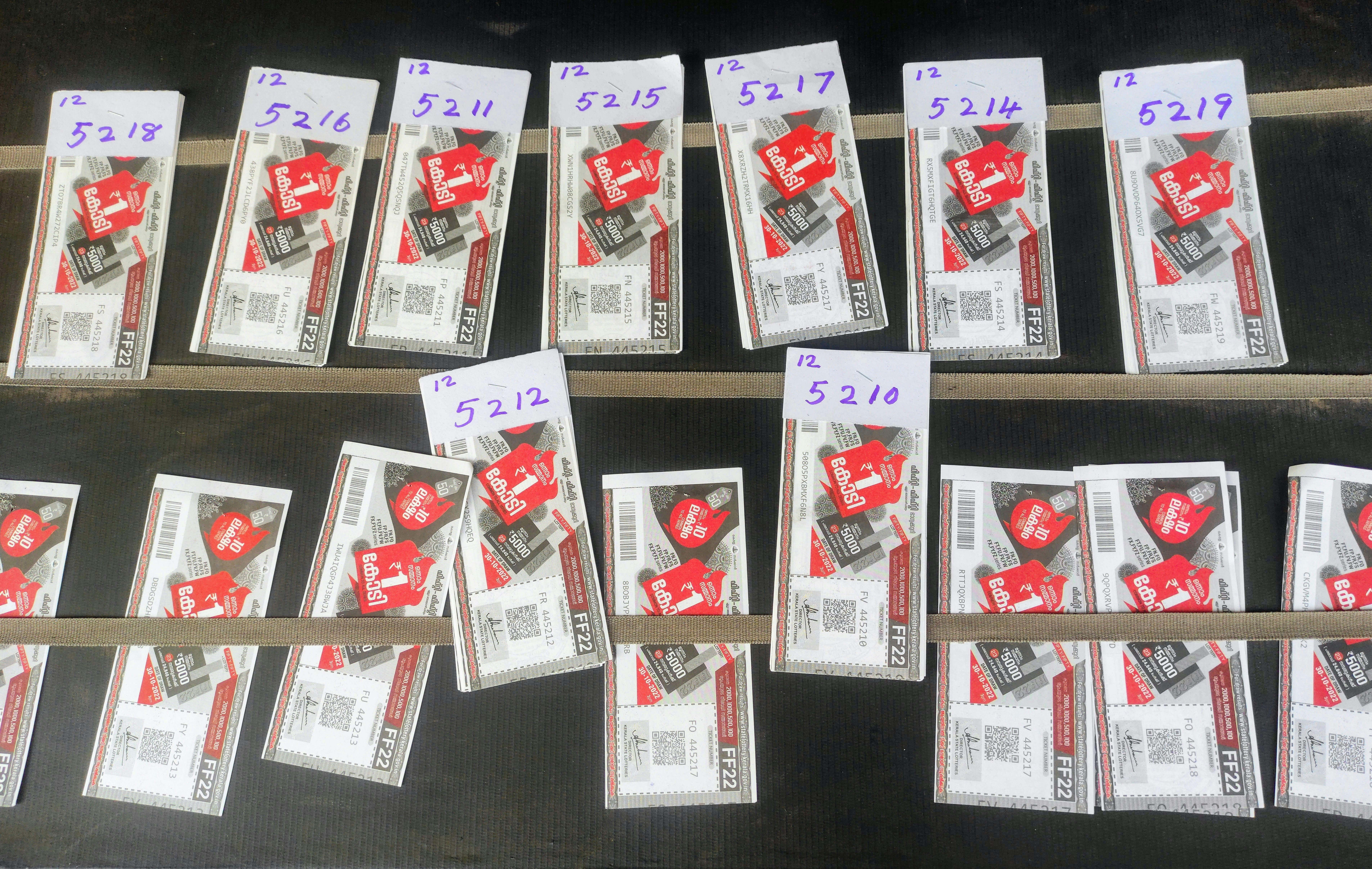
Introduction to Receipt Barcodes
Receipt barcodes are a vital component of modern retail environments, serving as a key to enhancing the efficiency and accuracy of sales transactions. A barcode, in essence, is a machine-readable representation of data that can be scanned to retrieve information quickly. In the context of receipts, these barcodes often store details such as product identification, pricing, and transaction specifics, which streamline the checkout process.
The significance of barcode technology in retail cannot be overstated. Initially developed in the 1950s, barcodes have undergone considerable evolution, transitioning from simple one-dimensional (1D) formats to more complex two-dimensional (2D) designs, such as QR codes. This development has facilitated the storage of more extensive information within a smaller space, making it advantageous for retailers and consumers alike. For instance, 2D barcodes can contain not just product details but also promotional offers and product origins, which enrich customer experience.
Moreover, receipt barcodes greatly enhance the efficiency of sales transactions. When a barcode is scanned at the point of sale, it reduces human error associated with manual entry. This not only speeds up the checkout process but also leads to more accurate inventory management, as sales data can be tracked in real-time. The immediate transmission of information aids in stock replenishment, ensuring that popular items remain available for purchase, thus driving customer satisfaction.
In summary, receipt barcodes are an integral part of retail operations, contributing significantly to enhanced transaction efficiency, reduced errors, and improved customer experience. The evolution of barcode technology continues to play a pivotal role in the ever-changing landscape of modern commerce.
Types of Barcodes Used on Receipts
Barcodes have become integral components of modern retail, serving as means for fast and accurate data capture. Various types of barcodes can be found on receipts, each designed for specific purposes. The most common types include UPC, QR codes, EAN, and Code 128.
The Universal Product Code (UPC) is one of the most widely recognized barcode formats. It primarily consists of 12 numeric digits and is predominantly used in retail environments for tracking products. The UPC encodes information that helps in scanning, maintaining inventory, and facilitating the checkout process.
Another prevalent format is the European Article Number (EAN). Similar to the UPC, the EAN is used specifically in European markets but can also be accepted globally. EANs have 13 digits, allowing for a larger inventory and finer differentiation among products. This barcode type is frequently found on consumer goods, providing essential data for retailers and manufacturers.
QR codes, or Quick Response codes, have surged in popularity due to their versatility and ability to store extensive information. Unlike traditional barcodes, QR codes can hold alphanumeric information, URLs, and other data types, making them useful for marketing and promotions. These codes are typically scanned using smartphones, allowing consumers immediate access to product details, discounts, or even websites directly from the receipt.
Lastly, Code 128 is another widely used barcode type known for its high-density encoding. It can encode all 128 ASCII characters, making it suitable for applications requiring alphanumeric data. Code 128 is commonly utilized in shipping and packaging, where variability in item characteristics necessitates flexible data representation. Each type of barcode, whether UPC, EAN, QR code, or Code 128, has its role, and understanding their functions is essential for recognizing how information is effectively communicated in retail and logistics.
Enhancing Retail Operations through Barcodes
Barcodes have revolutionized retail operations by providing an efficient means to manage various processes, including inventory management, sales tracking, and minimizing human error during transactions. The systematic integration of barcodes into retail businesses enhances operational efficiency and improves the overall customer experience.
One of the primary advantages of employing barcodes is their capability to streamline inventory management. Retailers utilize barcode scanning systems to automatically update stock levels when products are received or sold. For instance, when a product is scanned at the point of sale, the system immediately deducts the item from the inventory database. This reduces the likelihood of overstocking or stockouts, ensuring that retailers maintain optimal inventory levels. As a case in point, many grocery stores leverage barcode technology, allowing for real-time inventory monitoring and management.
Additionally, barcodes significantly improve sales tracking. By scanning barcodes, retailers can gather detailed data on sales transactions and customer purchasing patterns. This data can be analyzed to identify trends, forecast demand, and make informed decisions about product offerings. Retail analysis software often incorporates barcode scanning to create comprehensive sales reports, providing businesses with valuable insights to optimize their strategies.
Furthermore, barcodes help reduce human error during transactions. Manual entry of product information can lead to inaccuracies and delays. However, scanning a barcode eliminates the chances of typographical errors, resulting in faster and more accurate transactions. Automated checkout systems in retail environments often include barcode scanners to facilitate this. For example, many electronics stores utilize self-checkout kiosks equipped with barcode scanners, allowing customers to process their purchases quickly and efficiently.
The Role of Barcodes in Customer Experience
Barcodes on receipts play a significant role in enhancing the overall customer experience in various retail environments. One of the most notable functions of these barcodes is the facilitation of easy returns. When a customer wishes to return a product, scanning the barcode on the receipt can quickly access transaction details, ensuring a streamlined process that saves time for both the customer and the retail staff. This efficiency not only improves customer satisfaction but also builds trust in the retailer’s return policies.
In addition to returns, barcodes also contribute to the growing trend of digital coupons. Through barcode scanning, customers can easily redeem discounts that are linked to their purchases. This practice not only engages customers but also enables retailers to track the effectiveness of their promotional strategies. As customers increasingly favor digital solutions over traditional paper coupons, barcode functionality on receipts meets this demand, thus enhancing the shopping experience.
Moreover, barcodes can be linked to loyalty programs, adding another layer of value for customers. When a customer scans their receipt barcode, their purchase can automatically accumulate loyalty points, which can later be redeemed for rewards. This integration enhances customer engagement, encouraging shoppers to return to the store to accumulate more points. Retailers benefit as well, as barcode-enabled loyalty programs can foster long-lasting relationships with their customers.
Thus, the incorporation of receipt barcodes into customer interactions represents a vital element in modern retail. Their capability to facilitate returns, enable digital coupons, and enhance loyalty programs ultimately fosters a more positive customer experience. By adopting these technologies, retailers not only improve efficiency but also increase customer satisfaction and engagement, laying the groundwork for long-term loyalty.
Security and Fraud Prevention with Barcodes
Barcodes on receipts serve as an essential tool in enhancing security and mitigating fraud within retail environments. By encoding specific information, such as product details and transaction identifications, barcodes help store owners and managers maintain accurate records of purchases made within their establishment. This level of control is crucial in combating fraudulent activities that can lead to significant financial losses.
One of the key advantages of receipt barcodes is their ability to limit counterfeit activities. By scanning barcodes at the point of sale, retailers can swiftly verify the authenticity of a transaction, ensuring that the products sold correspond with the transactions processed. This verification process acts as a deterrent for individuals attempting to present fake receipts, as the likelihood of detection increases significantly.
Moreover, the integration of barcodes enhances the retailer’s ability to trace transactions back to their origins. Each barcode is unique, allowing businesses to monitor sales patterns, returns, and customer interactions over time. This transactional tracking not only simplifies inventory management but also provides critical insights when anomalies arise, such as unexpected returns or suspicious behavior from customers. In such cases, the ability to trace a sale back to its barcode provides retailers the necessary intelligence to address potential fraud.
Additionally, barcode systems can be integrated with advanced security measures, such as electronic verification and real-time tracking systems. These innovations create a layered approach to security that protects both the retailer and the consumer, fostering trust in the purchasing process. As retail environments continue to evolve, the importance of receipt barcodes in maintaining security and preventing fraud cannot be understated. Their role in transaction verification and product authenticity contributes significantly to the overall integrity of retail operations.
The Future of Receipt Barcodes
The evolution of receipt barcodes is a testament to the advancements in technology and consumer demands. As we look toward the future, several notable trends are poised to shape the landscape of barcode technology. One of the most significant developments is the integration of mobile wallets. Consumers increasingly prefer the convenience of digital payment solutions, and receipts with integrated barcodes that can be scanned directly into mobile wallet applications will likely become prevalent. This shift not only streamlines the payment process but also creates a more efficient, paperless environment.
In addition to mobile wallet integration, advancements in barcode technology are expected to enhance data capacity. Traditional barcodes have limitations concerning the amount of information they can convey. However, emerging technologies like QR codes and Data Matrix codes allow for the storage of larger amounts of data. This capability may lead to receipts containing more detailed purchase information, promotional offers, or real-time updates, thereby enhancing the customer experience.
Security features are also an essential aspect of the future of receipt barcodes. As cyber threats become more sophisticated, ensuring that receipt barcodes are protected will be paramount. Innovations in encryption technology will likely allow for secure transmission of data, minimizing the risk of data breaches. Moreover, the use of blockchain technology could provide an additional layer of security, offering immutable records of transactions that are both transparent and reliable.
Potential new applications of receipt barcodes may extend beyond traditional retail environments. For instance, sectors such as healthcare could implement receipt barcodes for tracking patient information and medication prescriptions, enhancing the accuracy of record-keeping. Overall, the convergence of mobile wallet integration, increased data capacity, and enhanced security features points toward a promising future for receipt barcodes.
Regulations and Standards Governing Barcodes
In the retail industry, adherence to specific regulations and standards is crucial for the effective use of barcodes. One of the most widely recognized frameworks is provided by the GS1 organization, which develops and maintains global standards for serial and barcoding systems. GS1 standards facilitate the identification of products, locations, and logistics activities, thereby ensuring a consistent approach globally.
The GS1 System incorporates several components including, but not limited to, the Global Trade Item Number (GTIN), which uniquely identifies products, and the Application Identifiers (AIs) that convey specific information. The importance of these standards lies in their ability to enhance interoperability; when retailers, suppliers, and distributors utilize a common set of standards, it facilitates seamless communication across the supply chain. This interoperability not only improves efficiency but also significantly reduces errors associated with data entry and inventory management.
Another critical regulation pertains to the compliance with the European Article Number (EAN) and Universal Product Code (UPC), which are part of the GS1 standards. These barcodes are required for retail products and ensure that items can be easily scanned at checkout, thus speeding up the transaction process. The enforcement of these standards also aids in inventory tracking, as each product can be accurately monitored throughout its lifecycle.
Additionally, regulatory bodies may impose requirements that influence barcode implementation, such as privacy laws that dictate how consumer information is processed. Therefore, it becomes imperative for businesses to remain updated on both GS1 standards and applicable regulations to avoid non-compliance penalties and to cultivate trust with consumers.
By maintaining these barcode standards, retailers not only enhance their operational efficiency but also promote a unified shopping experience for consumers, paving the way for smoother transitions in supply chain management.
Best Practices for Implementing Receipt Barcodes
Implementing receipt barcodes can significantly streamline business operations and enhance customer experience. However, to ensure successful deployment, businesses should adhere to several best practices.
Firstly, selecting the appropriate barcode type is paramount. Different types of barcodes serve various purposes; for example, QR codes offer higher data capacity and can direct customers to websites or promotional materials, while UPC codes are ideal for product identification. Assessing the nature of your business and the information you wish to include in the barcode will guide you in choosing the most effective format. Additionally, consider the scanning capabilities of your existing equipment, as some barcode types require specific readers.
Proper scanning equipment is essential for efficient barcode reading. Invest in high-quality scanners that are compatible with the selected barcode types. Ensure that these devices are capable of performing in the environment they will be utilized, such as being dust and water-resistant if necessary. Implementing rugged, reliable scanners can lead to fewer errors and faster processing times during customer transactions.
Another critical aspect is staff training. Employees should receive comprehensive training on how to effectively use the scanning equipment and understand the significance of barcodes in the business’s operational framework. This training can include troubleshooting common scanning issues and explaining how barcodes improve inventory management and customer satisfaction. Moreover, creating a culture of barcode adoption among your employees boosts their confidence and proficiency in utilizing this technology.
In summary, meticulous attention to the choice of barcode type, investment in suitable scanning equipment, and comprehensive staff training will foster a more efficient, error-free environment for handling receipt barcodes, ultimately benefiting the overall business operations.
Conclusion: The Importance of Barcodes for the Future of Retail
Receipt barcodes play a pivotal role in the modern retail landscape, seamlessly merging technology with operational efficiency. As we have explored throughout this blog post, barcodes are not just a mere convenience; they are integral to various facets of retail management. From inventory control to rapid checkout processes, the implementation of barcode technology significantly improves operational efficiency. Retailers can accurately track product movement and sales data, thereby facilitating better inventory management and minimizing stock discrepancies.
Moreover, receipt barcodes enhance security by reducing the potential for human error in transactions. Each barcode serves as a unique identifier, providing an extra layer of security against fraud and ensuring that customers receive accurate pricing and product information at checkout. This security measure fosters trust between retailers and consumers, which is crucial for long-term customer relationships.
Customer satisfaction also sees an upward trajectory with the use of barcodes. Shoppers benefit from faster service, as barcode scanners allow for quicker transaction times. Additionally, the detailed information embedded in barcodes can provide shoppers with insights into product origin and expiration, empowering them to make informed purchasing decisions. By embracing barcode technology, businesses can not only enhance operational practices but also improve the overall shopping experience.
In light of these advantages, it is evident that integrating barcode systems into retail operations is essential for future growth. As the retail sector continuously evolves with digital transformation, businesses that adopt such technologies will be better positioned to meet consumer demands, streamline processes, and achieve sustainable success.
© barcodly.com- All rights reserved


