
Introduction to Barcodes in the Food Industry
Barcodes have become an integral part of modern commerce, particularly in the food industry. A barcode is a visual representation of data that can be read by optical scanners, translating information into a digital format. This technology simplifies the tracking and management of products throughout the food supply chain, facilitating efficiency and improving safety standards. In essence, barcodes serve as a fundamental tool for identifying products, thereby streamlining operations in food production, distribution, and retail.
The significance of barcodes extends beyond mere identification; they also enable precise inventory management and enhance traceability. Each barcode is typically associated with specific information, including product details, expiration dates, and batch numbers. This level of data accessibility promotes informed decision-making, allowing stakeholders to monitor stock levels effectively. Furthermore, barcodes minimize human error, as they automate data entry, significantly reducing the chances of mistakes that could lead to food safety compromises.
The integration of barcodes in food manufacturing processes brings forth advantages including streamlined processing times and reduced waste. By facilitating quicker checkouts and inventory audits, barcodes contribute to overall operational efficiency, which is crucial in an industry that often deals with perishable goods. As consumers become increasingly concerned with food safety, the ability to trace the origin of products through barcoded information has gained importance. This traceability ensures that if a food safety issue arises, affected products can be swiftly identified and recalled, minimizing risk to public health.
In subsequent sections, we will delve deeper into the diverse applications and benefits of barcodes as they pertain to various sectors within the food industry. By understanding these functionalities, stakeholders can appreciate how barcodes enhance efficiency and bolster safety measures throughout the food supply chain.
Types of Barcodes Used in Food Products
Barcodes play a crucial role in the food industry by facilitating efficient tracking, inventory management, and ensuring the safety of consumables. There are several types of barcodes utilized within this sector, each designed for specific applications and functionalities. Among the most common are Universal Product Codes (UPC), European Article Numbers (EAN), and Quick Response (QR) codes.
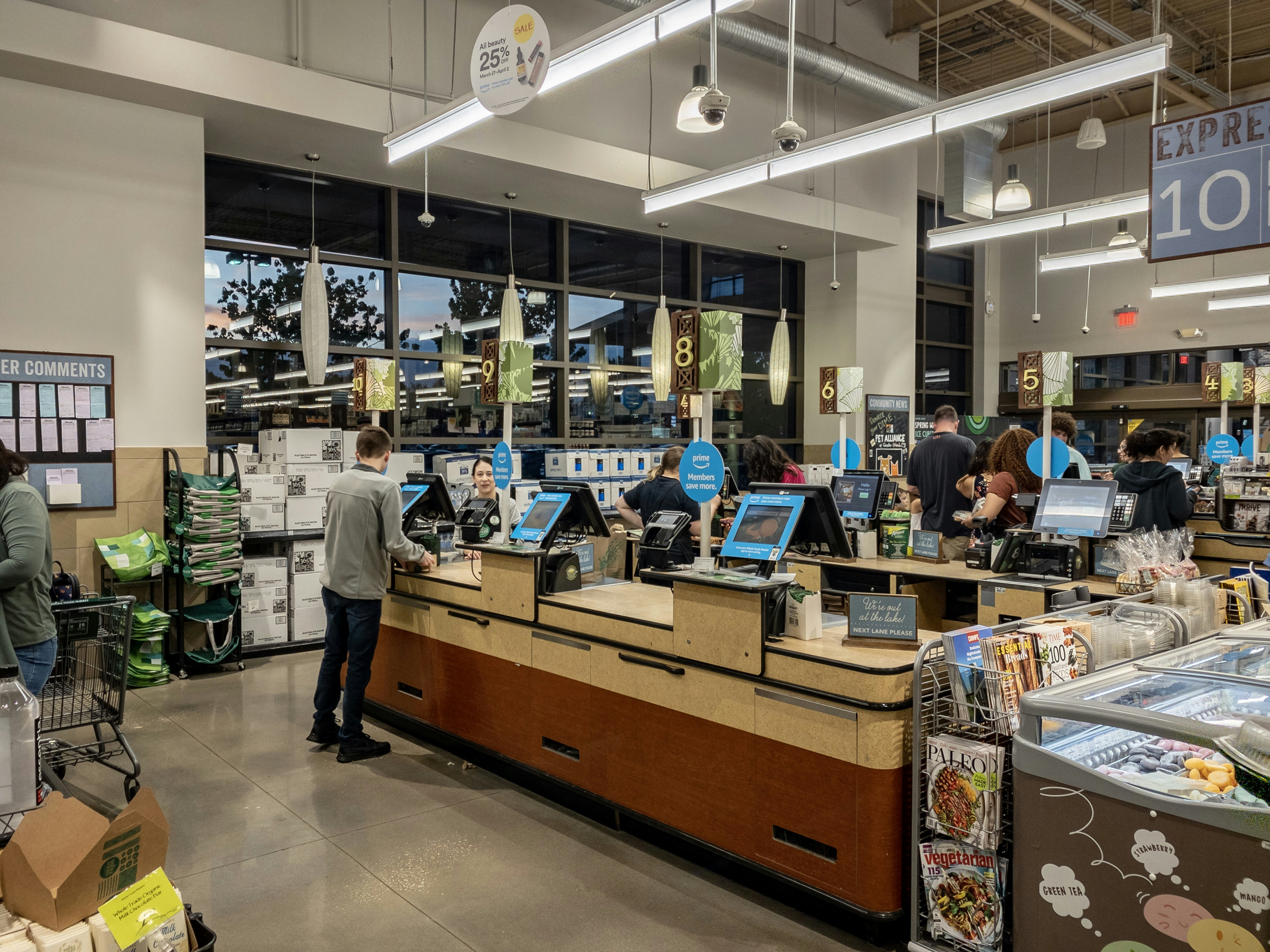
The UPC is a widely recognized barcode format primarily used in the United States for retail items. It consists of 12 digits encoded in a linear format, making it easy to scan at checkout points. UPC barcodes not only allow for quick transaction times but also support inventory management. Retailers can efficiently track sales data and product rotation, ensuring that popular items are always stocked.
On the other hand, EAN barcodes are prevalent in international markets. The standard EAN-13 format contains 13 digits and is similar to the UPC but provides a wider range of product identification globally. EAN barcodes are essential for food products that are sold both domestically and internationally, as they help maintain a uniform identification system, enhancing supply chain efficiency.
QR codes have gained traction in recent years due to their versatility and advanced functionality. Unlike traditional barcodes, QR codes can store a significant amount of data, including URLs, product information, and even marketing campaigns. Consumers can scan QR codes using smartphones to access detailed product information, verify authenticity, and unlock promotional offers. This type of barcode fosters a direct connection between consumers and producers, enhancing transparency and trust.
Incorporating these barcode types in the food industry not only improves operational efficiency but also supports consumer safety, ensuring that information about food products is readily available and reliable.
Barcodes in Food Safety and Traceability
Barcodes have become an integral tool in the food industry, significantly enhancing food safety and traceability throughout the supply chain. They serve as critical identifiers that facilitate the tracking of food products from their origin on farms to their final destination on consumers’ plates. Each barcode can store valuable information about a food product, including its production date, batch number, and origin, allowing for a comprehensive understanding of the product’s journey.
The implementation of barcode technology offers substantial benefits when it comes to identifying sources of contamination. In the event of a food safety issue, such as a bacterial outbreak, barcodes enable swift tracing of the affected products back to the specific batch and supplier. This capability is crucial for mitigating risks to public health, allowing companies to swiftly withdraw contaminated items from the market and preventing widespread illness. By effectively monitoring and controlling the flow of information about food products, businesses can enhance their accountability and ensure that safety protocols are met at every stage of the supply chain.
In addition to enhancing safety, barcodes also streamline the recall process, making it more efficient and less cumbersome. When a food safety issue arises, having barcoded products allows for the immediate identification of affected inventory, minimizing the time required to inform retailers and consumers about the recall. This efficiency not only protects public health but also safeguards the reputation of food companies, as prompt action demonstrates their commitment to consumer safety.
Overall, the role of barcodes in food safety and traceability cannot be understated. They provide a reliable framework for monitoring the flow of food products, ultimately fostering a safer food system and enhancing consumer confidence. Their widespread adoption is essential for reinforcing food safety standards and ensuring that every item can be traced back through its entire lifecycle.
Inventory Management and Efficiency Improvements
In the food industry, effective inventory management is crucial to maintaining the balance between supply and demand, minimizing waste, and ensuring the freshness of products. Barcode technology has emerged as a vital tool in enhancing these functions. By implementing barcode scanning systems, businesses can streamline operations and achieve significant improvements in their inventory management processes.
One of the primary advantages of using barcodes is the reduction of human error. Manual entry of inventory data is prone to mistakes, which can lead to discrepancies and mismanagement. Barcode scanning eliminates this issue by providing an accurate and efficient means of tracking products throughout the supply chain. Each product is assigned a unique barcode, which can be easily scanned at various stages, from receiving incoming shipments to monitoring stock levels. This not only saves time but also improves the accuracy of inventory records, enabling food businesses to make informed decisions based on real-time data.
Furthermore, barcode scanning technology optimizes stock management by enabling quicker audits and inventory checks. These processes can now be conducted with speed and precision, allowing businesses to maintain optimal stock levels and quickly identify any discrepancies. This facilitates timely replenishment and reduces the risk of stockouts or overstocking, which is particularly critical in the perishable food sector. Additionally, improved efficiency in logistics and stock handling translates to better customer satisfaction, as consumers receive fresher products more consistently.
In conclusion, the implementation of barcode systems in the food industry significantly enhances inventory management and efficiency. By minimizing human error, facilitating accurate tracking, and promoting optimized stock management, barcodes play an essential role in maintaining operational effectiveness and supporting overall business success in this dynamic sector.
Consumer Interaction and Engagement with Barcodes
The integration of barcode technology within the food industry has significantly transformed how consumers interact with food products. With the advent of mobile scanning applications, the ability to quickly access vital information about products has become more accessible than ever. These applications empower consumers to scan barcodes on packaging with their smartphones, providing instant data including nutritional facts, ingredient sourcing, and expiration dates. This dynamic interaction not only enhances the shopping experience but also fosters informed decision-making.
Through mobile scanning apps, consumers can gain insights into the nutritional content of food items with a mere swipe. This allows for easier management of dietary preferences or restrictions by informing users of caloric intake, added sugars, and allergen information. Furthermore, as consumers increasingly seek transparency regarding the origin and sourcing of ingredients, barcodes serve as a gateway to understanding the product’s supply chain. This accessibility can impact consumer purchasing decisions, favoring products that promote sustainability and ethical sourcing.
Moreover, the inclusion of expiration dates in the information retrieved from scanned barcodes offers consumers an added layer of safety. By providing real-time updates regarding product freshness, mobile applications help consumers avoid purchasing expired goods, thus enhancing food safety. Such interactions not only bolster consumer confidence but also challenge manufacturers and retailers to prioritize product quality and safety in their operations.
The efficacy of barcode scanning extends beyond enjoyment and safety—it ultimately engages consumers in a manner that encourages accountability within the food supply chain. As consumers become more accustomed to using these technologies, the demand for transparency in food products is likely to rise, leading to an overall enhancement in the standards of food safety and quality within the industry.
Challenges of Implementing Barcodes in the Food Sector
The integration of barcode systems within the food industry presents various challenges that companies must navigate to ensure successful implementation. One of the primary barriers is technological compatibility. Many food producers rely on legacy systems that may not easily accommodate new barcode technology. Transitioning to modern solutions may require significant updates to existing software and hardware, leading to potential interruptions in operations, and necessitating extensive testing before full deployment.
Furthermore, the costs associated with implementing barcode systems can also pose a significant hurdle. Beyond the initial investment in barcode scanners and software, companies may incur ongoing expenses related to system maintenance, software updates, and additional infrastructure. For small to medium-sized enterprises, these financial implications can deter adoption, thus highlighting a disparity in technological advancement across the sector. Consequently, robust budget planning and careful consideration of long-term benefits versus short-term costs become critical for organizations.
Another challenge lies in staff training and the need for ongoing education. Employees must understand how to use barcode readers effectively and be trained in the specifics of encoding products with unique barcodes. This requirement can lead to productivity loss during the training period, as existing staff adjusts to the new systems. Moreover, maintaining a culture of learning and ensuring that all staff members are up to date with the latest practices is essential for sustaining the advantages that barcodes can provide.
Lastly, ensuring consistency in barcode application across a diverse range of products remains a complex issue. Variability in packaging, product types, and updates to regulatory requirements can result in discrepancies in barcode information, increasing the risk of errors during processing and tracking. Therefore, establishing standardized protocols for barcode implementation is vital to mitigate these risks, reinforce system reliability, and enhance overall efficiency within the food supply chain.
The Future of Barcodes in Food Industry Technology
The future of barcodes in the food industry is poised for transformation through the adoption of several emerging technologies. One significant trend is the integration of Radio Frequency Identification (RFID) systems. Unlike traditional barcodes, RFID technology allows for automatic identification of products without the need for direct line of sight. This capability enhances inventory management, enables real-time tracking, and reduces human error in the supply chain process. As RFID technology becomes more affordable and accessible, it is expected to gain traction in the food industry, offering enhanced efficiency.
Another transformative development is the integration of blockchain technology with barcode systems. Blockchain provides a decentralized ledger that records every transaction in an immutable way, significantly improving traceability within the food supply chain. Through the fusion of barcodes and blockchain, consumers can verify the origin and safety of food products effortlessly. This technological synergy can potentially revolutionize food safety protocols, as stakeholders can access real-time information about ingredients, processing methods, and distribution practices, thereby addressing food fraud and increasing consumer trust.
Furthermore, the potential impact of artificial intelligence (AI) on barcode use cannot be overlooked. As AI algorithms evolve, they will facilitate smarter inventory management and predictive analytics, helping businesses accurately forecast demand and manage stock levels. This integration will streamline operations and enhance food security by minimizing waste and ensuring that products are sourced and distributed efficiently. The combination of AI and existing barcode technology may also lead to advanced recognition systems that can analyze food quality and safety in real-time, adding another layer of reliability in food supply chains.
In summary, the future of barcodes in the food industry appears promising, with emerging technologies like RFID, blockchain, and artificial intelligence driving significant advancements. These innovations will not only enhance operational efficiency but also bolster safety measures, ultimately benefiting consumers and industry stakeholders alike.
Case Studies of Successful Barcode Implementation
The integration of barcode technology within the food industry has proven to be tremendously beneficial, with numerous companies experiencing significant enhancements in efficiency and safety. This section explores pivotal case studies showcasing successful barcode implementation.
One notable example is a large-scale poultry producer that adopted a sophisticated barcode system to manage its supply chain more effectively. Prior to this implementation, the company faced challenges related to inventory control and product traceability, often leading to delays and inaccuracies. By utilizing barcodes to identify products at every stage—from processing to packaging—the company streamlined its operations. Entire batches of products could be tracked in real-time, ensuring accurate stock levels and reducing waste. Consequently, the poultry producer was able to enhance its operational efficiency, decrease food safety risks, and foster stronger relationships with retailers.
Additionally, a seafood distributor implemented a barcode system that allowed it to monitor product freshness and optimize distribution processes. This company used unique barcodes for each batch, enabling quick access to information regarding sourcing, processing dates, and quality checks. Such detailed product data proved invaluable during audits and compliance checks, effectively ensuring adherence to health regulations. The outcome was impressive: the distributor not only improved its workflow but also achieved higher customer satisfaction due to increased transparency about the product’s journey from ocean to table.
Lastly, a leading grocery chain embraced barcode technology across its inventory management system. By scanning barcodes at various checkpoints, the company dramatically reduced the incidence of stock discrepancies and improved its ability to predict demand. This proactive approach not only minimized overstock situations but also ensured that perishable goods were sold while still fresh, showcasing the significant advantages of barcoding in enhancing operational safety and efficiency in the food sector.
Conclusion: The Impact of Barcodes on the Food Industry
Throughout this discussion, the integral role of barcodes in the food industry has been thoroughly examined. Barcodes serve as a cornerstone for improving both efficiency and safety within various stages of the food supply chain. Their utilization streamlines inventory management, enhances traceability, and contributes significantly to reducing human error during product handling. As a result, businesses can optimize their operations while simultaneously bolstering regulatory compliance.
The adoption of barcode systems not only simplifies tracking and monitoring but also enables real-time data collection, which is crucial for maintaining high-quality standards across the board. The immediacy of barcode scanning allows retailers and distributors to respond promptly to any discrepancies or potential hazards. Moreover, as consumers become increasingly conscious of food origins and safety, barcodes empower businesses to provide transparent information about products, thereby fostering trust and customer loyalty.
In addition to these operational advantages, barcodes facilitate enhanced communication among stakeholders, including suppliers, manufacturers, and consumers. This interconnectivity is vital for ensuring a seamless flow of information regarding product recalls, which in turn, protects public health. As technology continues to advance, we can anticipate the evolution of barcode systems with the integration of more sophisticated features such as RFID and smart labels, expanding their impact on food safety and efficiency.
In conclusion, the emphasis on integrating barcode technologies reflects a commitment to not just operational excellence but also consumer safety. The food industry stands to gain immensely from the ongoing development and implementation of barcodes, making it essential for stakeholders to engage in discussions about future advancements. The continuous evolution of this technology promises to further revolutionize the food supply chain, paving the way for increasingly safer and more efficient practices.
© barcodly.com- All rights reserved