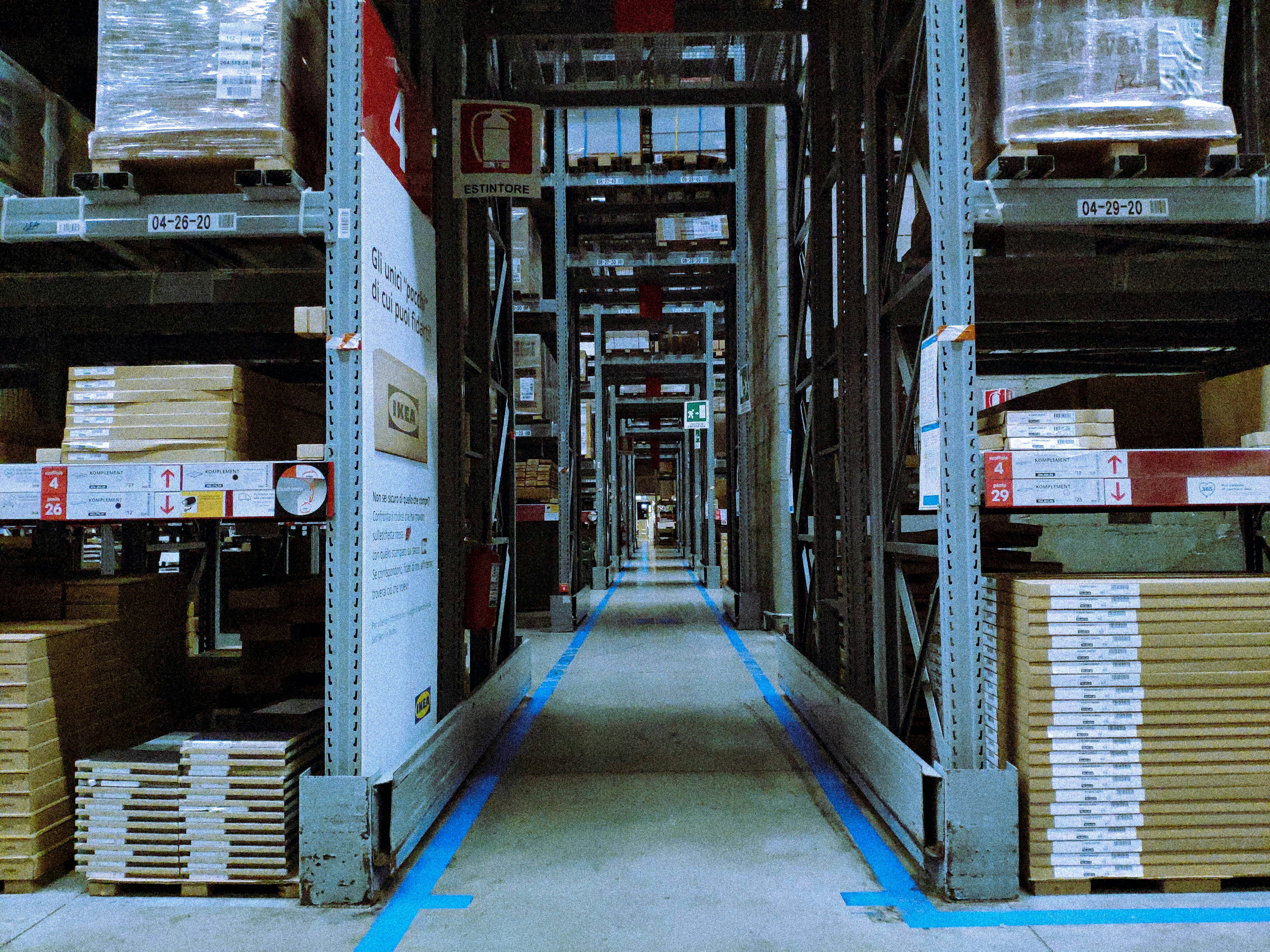

Introduction to Barcodes in Manufacturing
Barcodes have become a cornerstone technology in the manufacturing industry, significantly transforming how products are tracked and managed throughout the supply chain. Initially designed as simple labels, barcodes have gradually evolved into sophisticated tracking systems that enhance efficiency, accuracy, and accountability in manufacturing processes. Their ability to store a wealth of information in a compact format has made them indispensable for a myriad of applications within this sector.
The primary evolution of barcodes can be traced back to their introduction in the 1940s, which aimed to simplify the process of tracking inventory. Over the decades, various barcode formats have emerged, including linear and two-dimensional codes, each offering unique benefits for different manufacturing scenarios. In the contemporary landscape, barcodes are integral to inventory management, quality control, and supply chain visibility, facilitating enhanced operational efficiency.
In a manufacturing environment, barcodes enable the rapid identification of products and components. This agility not only minimizes human error but also accelerates workflows by streamlining the inventory management process. As products move through various stages of production, barcodes facilitate real-time tracking, ensuring that manufacturers maintain accurate records and reduce excess stock. This level of oversight is crucial in an era where minimizing operational costs and optimizing resources are paramount.
Moreover, the integration of barcode technology with advanced data systems has paved the way for valuable insights into manufacturing processes. The data captured by barcodes informs decision-making by providing actionable information related to product movement, order fulfillment times, and inventory levels. This capability aligns with modern manufacturing principles, emphasizing lean methodologies and continuous improvement. Overall, the significance of barcodes in manufacturing cannot be understated; they serve as the backbone of numerous operations, providing reliability and precision in an increasingly complex industrial landscape.
Understanding Different Types of Barcodes
Barcodes are essential tools in modern manufacturing, facilitating inventory management, tracking, and ensuring accuracy in operations. They come in various formats, but two main categories dominate the landscape: 1D and 2D barcodes. Each type serves distinct purposes and has unique characteristics that cater to different manufacturing needs.
1D barcodes, or one-dimensional barcodes, consist of a series of parallel lines and spaces of varied widths. These are the most recognizable barcodes, often seen on retail products. The data encoded in 1D barcodes is generally limited to numeric or alphanumeric characters, making them suitable for simple identifications like product SKUs or inventory numbers. Their simplicity translates to fast scanning and reduced costs, making them a preferred choice for various manufacturing applications. However, the restricted data capacity can be a limitation in complex inventory systems.
On the other hand, 2D barcodes, such as QR codes and Data Matrix codes, offer a significant advantage over their 1D counterparts by encoding a greater amount of information. They utilize a matrix of squares or dots, which allows them to store more complex data, including URLs, product details, and even images. This capability makes 2D barcodes particularly advantageous for applications involving detailed product information or for linking to digital content. Additionally, 2D barcodes can be scanned from various angles and distances, enhancing operational efficiency in fast-paced manufacturing environments.
When selecting the appropriate barcode for manufacturing needs, it is vital to evaluate the specific requirements of the operation. Factors such as the type of data to be encoded, scanning distance, and the environment in which the barcodes will be used can significantly influence the choice between 1D and 2D barcodes. Best practices involve conducting thorough research and trials to determine the most efficient barcode solution that aligns with both current needs and future growth.
The Role of Barcodes in Supply Chain Management
Barcodes have become an integral component of supply chain management within the manufacturing environment. By utilizing barcodes, manufacturers can streamline their operations, leading to substantial improvements in inventory tracking and overall efficiency. One of the primary advantages of barcodes is their ability to facilitate real-time inventory management. Each product or component is assigned a unique barcode that can be scanned at various points throughout the supply chain, enabling accurate tracking of stock levels and movements.
The implementation of barcoding systems significantly reduces the likelihood of human error often associated with manual data entry. Traditional methods of tracking inventory can lead to discrepancies and inaccuracies, which in turn can disrupt production schedules and create inefficiencies. Barcodes minimize these risks by automating data collection, allowing for more reliable and consistent information regarding inventory status. This reliability not only optimizes manufacturing processes but also bolsters relationships with suppliers and customers by ensuring timely deliveries and accurate order fulfillment.
Moreover, barcodes contribute to improved forecasting capabilities. With precise and up-to-date inventory information readily accessible, manufacturers can analyze trends and make informed decisions regarding stock levels and production schedules. This enhanced visibility into inventory dynamics aids in the anticipation of demand fluctuations, enabling manufacturers to adjust their production strategies accordingly. Consequently, this leads to reduced excess inventory and minimized storage costs, fostering a more responsive supply chain.
In conclusion, the integration of barcodes into supply chain management empowers manufacturers to achieve greater operational efficiency. By enhancing inventory tracking, reducing errors, and improving forecasting, barcodes play a vital role in optimizing manufacturing processes and ensuring a seamless flow of products through the supply chain.
Implementing Barcode Systems in Manufacturing
Implementing a barcode system in a manufacturing facility requires a systematic approach to ensure its effectiveness and efficiency. The first step involves assessing the specific needs of the organization. This assessment should identify the scope of the operations, the types of products being manufactured, and the existing challenges related to inventory management and tracking. Understanding these needs will help determine the best barcode solutions to adopt.
Once the requirements are clear, the next step is to choose the appropriate barcode technologies. Options may include 1D barcodes, which are commonly used for scanning products, and 2D barcodes, such as QR codes, that can store more information. Factors such as the environment in which the barcodes will be used, the types of scanners available, and the required reading distances should all influence the choice of technology. It is vital to select a system that aligns with the facility’s unique manufacturing processes.
Integrating the selected barcode system with existing enterprise resources planning (ERP) or inventory management systems is crucial. This step ensures that data captured via barcodes synchronizes seamlessly with the organization’s software infrastructure. Integration may require collaboration with IT professionals to ensure compatibility and to avoid disruptions in manufacturing operations.
Finally, staff training is essential for the successful adoption of the new barcode system. Employees should be familiarized with how to use scanning equipment, understand the significance of accurate data entry, and be knowledgeable about best practices for inventory management. Effective training can significantly reduce errors, enhance productivity, and improve overall operational efficiency. By taking these steps, manufacturing facilities can leverage barcode systems to streamline processes and boost performance.
Benefits of Using Barcodes in Manufacturing
Barcodes have become an integral part of the manufacturing sector, offering a myriad of advantages that enhance operational efficiency and accuracy. One significant benefit is increased accuracy in inventory management. By employing barcode technology, manufacturers can minimize human error during data entry, ensuring that stock levels, product specifications, and shipment details are correctly recorded. This improvement in accuracy not only prevents discrepancies in inventory counts but also fosters a seamless workflow between different departments.
Another noteworthy advantage is improved productivity. With the use of barcodes, manufacturers can expedite the process of tracking products throughout the supply chain. Scanning barcodes is notably faster than manual entry, significantly reducing the time employees spend on inventory management tasks. For instance, a major automotive company implemented barcode systems for tracking parts in their assembly line and reported a 30% increase in productivity as a result of faster processing and better resource allocation.
Real-time data capture enabled by barcodes also contributes to operational efficiency. This technology allows manufacturers to gather and analyze data instantly, facilitating prompt decision-making and adjustments to production processes. For example, if a certain component is running low, real-time barcode scanning helps initiate reordering swiftly, ensuring that production remains uninterrupted.
Enhanced traceability is yet another benefit derived from barcode usage. Each product can be monitored at various stages of production, making it easier to identify potential issues and comply with safety regulations. In the food manufacturing industry, for instance, barcodes allow tracking of products from field to table, significantly improving food safety practices.
Lastly, cost savings are a direct result of integrating barcodes into manufacturing operations. The reduction in inaccuracies leads to lower operational costs, while improved efficiency translates to higher output without necessitating additional labor. As manufacturers continue to adopt barcode technology, the financial benefits become increasingly evident, reinforcing its value in the modern manufacturing landscape.
Challenges in Barcode Implementation
The implementation of barcode systems in the manufacturing sector is often met with several challenges that can hinder operational efficiency. One of the primary obstacles is the initial financial investment required. The costs associated with purchasing barcode scanners, printers, and software can be substantial, particularly for small to mid-sized manufacturers. Beyond the initial setup, there are ongoing expenses related to maintenance and upgrades necessary to keep the system current and effective.
Another significant challenge is employee resistance to change. Many manufacturing workers may be accustomed to traditional methods of inventory management and may perceive the introduction of barcode technology as an unnecessary complication. Overcoming this resistance demands effective training programs and a clear communication strategy that articulate the benefits of barcode systems, such as increased accuracy and improved workflow efficiency. Engaging employees in the transition process can foster a sense of ownership and reduce resistance.
Furthermore, integration with existing systems presents another layer of complexity. Many manufacturers rely on legacy systems that may not be compatible with modern barcode technologies. This discrepancy requires careful planning and may necessitate the overhaul of current processes to ensure compatibility. Consequently, manufacturers must evaluate their existing systems thoroughly and consider investing in new software solutions that facilitate seamless integration with barcode tools.
Ongoing maintenance is also crucial for success. Barcodes require periodic checks and updates to avoid misreads and maintain their accuracy in tracking inventory. Therefore, having a dedicated team or resources to monitor the system is essential for sustained performance.
In conclusion, while barcode implementation brings numerous advantages to the manufacturing realm, careful attention must be paid to the associated challenges. By addressing initial costs, employee buy-in, system integration, and maintenance requirements, manufacturers can effectively navigate the complexities of adopting barcode technology.
Case Studies of Successful Barcode Integration
In the landscape of modern manufacturing, numerous companies have harnessed the power of barcode technology to streamline their processes. One notable case study features a global automotive manufacturer that faced challenges in inventory management and tracking component parts. The organization implemented a barcode system to label parts as they entered the production line. This initiative resulted in a 30% reduction in inventory discrepancies and enhanced traceability, thus ultimately improving production efficiency. The integration of barcodes allowed for real-time data collection, enabling the company to respond swiftly to production demands.
Another compelling example can be found in the food and beverage industry, where a regional dairy manufacturer struggled with compliance and quality control issues. The manufacturer adopted a barcode scanning solution at critical checkpoints in their production process. By labeling batches with unique barcodes, the company was able to track product history from farm to fridge. This implementation not only expedited the recall process in case of safety concerns but also improved overall product quality, leading to a 15% increase in customer satisfaction ratings post-implementation.
An electronics manufacturer also illustrates the successful application of barcodes. Faced with high rates of returns due to inefficiencies in order fulfillment, the company incorporated barcode scanning into their warehousing operations. Scanners were utilized to read incoming shipments, thus providing accurate inventory updates, which cut down mis-shipped items by 25%. Furthermore, this integration enabled their workforce to identify issues promptly, leading to improved throughput and a significant drop in operational costs.
These case studies exemplify that successful integration of barcode systems in various manufacturing settings can effectively address specific operational challenges, enhance accuracy, and yield substantial results. The examples illustrate a broader trend where manufacturers increasingly rely on barcode technology to optimize their operational framework.
Future Trends in Manufacturing Barcodes
The manufacturing sector is on the cusp of transformational changes, prominently driven by advancements in barcode technology. One of the most significant emerging trends is the evolving capabilities of Radio Frequency Identification (RFID) technology. Unlike traditional barcodes that require direct line-of-sight scanning, RFID allows for wireless read capabilities over greater distances. This innovation significantly enhances inventory management processes, allowing manufacturers to track products in real time while reducing human error. As RFID technology becomes more affordable and accessible, its adoption in manufacturing environments is anticipated to grow.
Another notable trend is the increasing utilization of mobile barcode scanning solutions. With the proliferation of smartphones and mobile devices equipped with high-resolution cameras, manufacturers are increasingly leveraging mobile applications to scan barcodes. This trend not only streamlines operations but also enhances data collection efficiency by enabling instant access to product information. Mobile barcode solutions are particularly valuable in fast-paced manufacturing settings, where speed and precision are crucial for maintaining workflow continuity.
The integration of barcode systems with the Internet of Things (IoT) is shaping the future landscape of manufacturing. IoT devices can communicate with barcode systems, facilitating a seamless exchange of data throughout the manufacturing process. This connection allows for improved tracking of materials and products, aiding in predictive maintenance and reducing downtime. With the capability of real-time data analytics, manufacturers can leverage insights derived from barcode data to enhance operational efficiencies and make informed business decisions.
Looking ahead, the combination of these advancements—RFID technology, mobile scanning, and IoT integration—promises to redefine manufacturing processes fundamentally. As these technologies continue to evolve, they will likely contribute to more automated, efficient, and interconnected manufacturing environments, further optimizing productivity and cost-effectiveness.
Conclusion: The Smart Match between Manufacturing and Barcodes
In the dynamic landscape of modern manufacturing, the integration of barcode technology has emerged as a pivotal factor in enhancing operational efficiency. As discussed, barcodes streamline processes by enabling precise tracking of inventory, reducing human error, and facilitating real-time data access. This synergy between manufacturing and barcodes not only improves productivity but also enhances overall supply chain management, thereby reinforcing a manufacturer’s competitive edge in a crowded market.
Furthermore, the adaptability of barcode systems allows manufacturers to tailor their implementations according to specific operational needs. Whether through traditional one-dimensional barcodes or more advanced two-dimensional QR codes, the versatility of barcode technology can accommodate various applications—from warehousing management to production line tracking. As businesses seek to optimize workflows, embracing these systems will become increasingly essential.
Moreover, barcode technology contributes to better data analytics. By collecting and analyzing data through barcode scanning, manufacturers can make informed decisions regarding product demand, inventory levels, and operational bottlenecks. This data-driven approach allows for improved forecasting and inventory control, which are vital for maintaining streamlined operations and customer satisfaction.
Ultimately, the smart match between manufacturing and barcodes is characterized by a mutual benefit that promotes efficiency and accuracy. As manufacturers face the ongoing challenges of globalization and technological advancements, adopting barcode systems can be a strategic move toward sustainability and growth. Manufacturers are encouraged to explore various barcode solutions and invest in relevant technologies, facilitating improved tracking, efficiency, and competitiveness in an ever-evolving industry landscape.
© barcodly.com- All rights reserved