What is Logistics?
Logistics is a critical component of supply chain management, encompassing the planning, implementation, and control of the movement and storage of goods, services, and related information. It plays a pivotal role in ensuring that products reach their destinations efficiently and effectively, thereby facilitating smooth operations across various industries. The term encapsulates a broad range of activities, which can be categorized into several essential components: transportation, warehousing, inventory management, and order fulfillment.
Transportation is arguably the most visible aspect of logistics. It involves the movement of goods from one location to another, whether through road, rail, air, or sea. Effective transportation strategies are crucial for minimizing costs and ensuring timely deliveries, which in turn enhance customer satisfaction. Various modes of transport may be employed based on factors such as distance, volume of goods, and urgency, demonstrating the versatility and strategic nature of logistics.
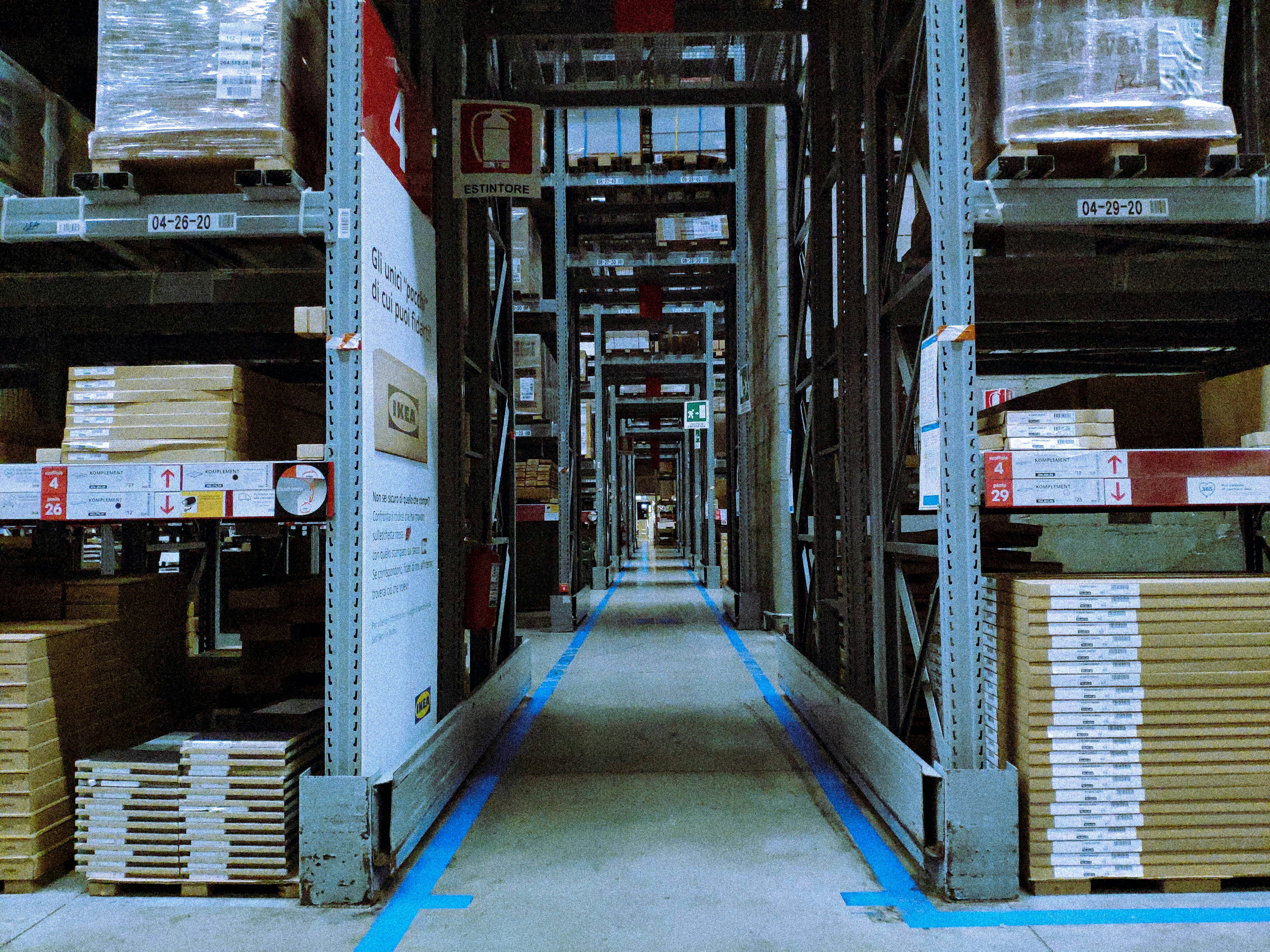
Another vital component is warehousing, which refers to the storage of goods before they are distributed to retailers or directly to consumers. Warehousing not only aids in organizing inventory but also allows businesses to respond quickly to changes in demand. Efficient warehousing systems help manage stock levels, reduce storage costs, and optimize the overall supply chain flow.
Inventory management is closely linked to both transportation and warehousing. It involves tracking inventory levels, orders, sales, and deliveries to ensure that supply meets demand. Inadequate inventory management can lead to excess costs or stockouts, adversely affecting a company’s operational efficiency and customer satisfaction.
Lastly, order fulfillment is the final step in the logistics process, where customer orders are processed, packed, and shipped. A streamlined order fulfillment procedure not only enhances the customer experience but also contributes significantly to a company’s overall productivity.
In conclusion, logistics is an intricate and indispensable element of modern business operations. Its various components work in tandem to create an organized and efficient supply chain that is vital for success in the global economy.
History of Logistics
Logistics, the art and science of planning and executing the efficient movement and storage of goods, has a rich history that dates back to ancient civilizations. One of the earliest instances of logistics can be traced to the Roman Empire, where military logistics played a crucial role. The Romans perfected the art of supply chain management, ensuring that their armies were well-equipped and able to sustain long campaigns. They constructed extensive road systems and employed advanced techniques for transporting food, weapons, and personnel, highlighting the importance of efficient supply routes.
As societies evolved, so did the principles of logistics. The Middle Ages saw the rise of trade routes that facilitated commerce, particularly across Europe and Asia. The advent of maritime trade introduced new logistic challenges, leading to innovative methods such as the establishment of warehouses and the use of ships for bulk goods. Despite these advancements, logistics remained relatively stagnant until the onset of the Industrial Revolution in the late 18th century, which marked a significant turning point.
The Industrial Revolution transformed logistics by introducing mechanization and mass production. This led to increased demand for faster and more efficient transportation solutions. Railroads became a critical component of supply chains, enabling the movement of goods over long distances at an unprecedented pace. Additionally, the development of telegraph systems improved communication within supply networks, facilitating timely decision-making and inventory management.
The 20th century witnessed further innovations in logistics, particularly with the rise of globalization. The introduction of containerization revolutionized shipping by standardizing the transport of goods, significantly reducing costs and improving efficiency. Today, logistics continues to evolve, incorporating technology such as artificial intelligence and big data to optimize supply chain management. Overall, the history of logistics is a testament to human ingenuity in addressing the complex needs of commerce and trade throughout the ages.
Types of Logistics
Logistics encompasses a broad spectrum of activities essential for the efficient and effective movement of goods. Understanding the various types of logistics is fundamental for organizations seeking to optimize their supply chain operations. The key categories include inbound logistics, outbound logistics, reverse logistics, and third-party logistics (3PL).
Inbound logistics refers to the management of goods brought into a company. This includes activities such as sourcing, transportation, warehousing, and inventory management. Inbound logistics plays a crucial role in ensuring that materials and supplies are available for production processes. Efficient inbound logistics not only reduces costs but also ensures timely delivery, which is vital for maintaining production schedules and inventory levels.
On the other hand, outbound logistics involves the processes that occur when goods are transported from a company to its customers. This includes order fulfillment, storage, and distribution. Effective outbound logistics is key to customer satisfaction, as it ensures that products reach their intended destinations in a timely manner. Organizations that excel in outbound logistics often enjoy a competitive advantage, as they can respond quickly to customer demands.
Reverse logistics focuses on the processes involved in returning goods from the customer back to the seller or manufacturer. This category includes activities related to returns, recycling, and disposal of products. Reverse logistics is becoming increasingly important in today’s market, as companies strive to enhance sustainability and reduce waste. By effectively managing reverse logistics, organizations can recover value from returned products and bolster their brand’s reputation.
Lastly, third-party logistics (3PL) refers to the outsourcing of logistics and transportation functions to external specialists. By leveraging the expertise and resources of a 3PL provider, organizations can achieve greater flexibility and efficiency in their supply chain operations. 3PLs can handle various logistics activities, freeing up companies to focus on their core competencies while ensuring reliable delivery and cost reductions. Understanding these different types of logistics is vital for optimizing any organization’s operational strategy.
The Role of Technology in Logistics
In recent years, technology has transformed the logistics landscape, fundamentally reshaping operations and enhancing overall efficiency. Automation is one of the most significant advancements in the logistics sector. By integrating automated systems for inventory management, warehouses can operate with reduced labor costs and improved accuracy. Automated processes streamline the movement of goods, minimize human error, and enable real-time tracking, thus enhancing the speed of service delivery.
Artificial Intelligence (AI) is another pivotal element influencing logistics. AI-driven algorithms facilitate demand forecasting, inventory optimization, and routing of shipments. These intelligent systems analyze vast quantities of data to predict trends and consumer behavior, enabling companies to make informed decisions. For instance, machine learning techniques can optimize delivery routes, resulting in reduced fuel consumption and lower operational costs. By leveraging AI, logistics firms can adapt to fluctuating market conditions effectively.
Data analytics also plays a critical role in the logistics industry. By collecting and analyzing data from various touchpoints, companies can gain invaluable insights into their supply chain performance. This data-driven approach allows for the identification of inefficiencies, enabling organizations to implement targeted improvements. With predictive analytics, businesses can anticipate issues before they become major problems, thereby enhancing decision-making processes and boosting customer satisfaction.
Furthermore, the Internet of Things (IoT) has revolutionized logistics by facilitating real-time visibility into supply chain operations. IoT devices provide crucial information regarding the condition and location of goods in transit. This level of transparency ensures better coordination between different logistics stakeholders, leading to improved responsiveness and adaptability within the supply chain.
Overall, the integration of these technological advancements in logistics not only enhances operational efficiency but also contributes to significant cost savings. By embracing automation, AI, data analytics, and IoT, logistics companies can navigate the complexities of modern supply chains with greater agility and effectiveness.
Current Trends in Logistics
The logistics industry is undergoing significant transformations driven by various trends that are reshaping the operational landscape. One of the most prominent trends is the growing emphasis on sustainability. Businesses are increasingly adopting eco-friendly practices to reduce their carbon footprints and align with consumer preferences for environmentally responsible products. This shift towards sustainability involves optimizing supply chains to minimize waste, utilizing greener transportation methods, and implementing recycling initiatives. Companies that adapt to these sustainable practices not only contribute positively to the environment but also enhance their brand image and customer loyalty.
Another significant trend influencing logistics is the remarkable growth of e-commerce. The surge in online shopping has necessitated rapid adjustments in logistics operations to meet consumer demands for faster delivery times and more efficient supply chain management. E-commerce businesses are now focusing on enhancing their fulfillment capabilities, often requiring them to utilize advanced technologies like artificial intelligence and machine learning to streamline operations. As a result, businesses can better predict demand patterns, manage inventory levels, and ensure timely deliveries, thereby maintaining a competitive edge in the crowded digital marketplace.
Moreover, the rise of last-mile delivery services has become a critical component in the logistics sector. Last-mile delivery represents the final step in the supply chain, where goods are transported to the end customer. As consumer expectations for speedy delivery continue to rise, logistics companies are investing in innovative last-mile solutions that adapt to urban environments. This includes utilizing technology to facilitate real-time tracking, optimizing delivery routes, and exploring various delivery methods, such as drones or autonomous vehicles. By embracing these last-mile innovations, businesses can improve customer satisfaction and enhance operational efficiency.
Challenges in the Logistics Sector
The logistics sector plays a crucial role in the global economy, ensuring that goods are transported efficiently from manufacturers to consumers. However, various challenges hamper the efficacy of logistics operations, leading to increased costs, delays, and customer dissatisfaction. One of the most significant challenges faced today is supply chain disruptions. Various factors, including natural disasters, geopolitical tensions, and pandemics, can cause interruptions in the flow of goods. These disruptions often lead to inventory shortages and increased lead times, compelling companies to reevaluate their supply chain strategies.
In addition to these disruptions, the logistics industry also grapples with increased regulations. Governments globally are implementing stricter environmental and safety standards, impacting how logistics companies operate. Compliance with these regulations often requires significant investment in technology and resources, which can strain budgets and slow down operations. Failure to adhere to these regulations can lead to hefty fines and operational delays, further complicating the logistics landscape.
Furthermore, labor shortages present a persistent challenge within the logistics sector. The demand for skilled labor, including truck drivers, warehouse workers, and logistics managers, has surged, yet the supply of qualified personnel has not kept pace. This gap results in heightened competition for available talent, often driving wages up, which adds to operational costs. Companies seeking to improve their logistics capabilities must invest in workforce development and retention strategies while also considering automation as a viable solution to alleviate some of these labor-related pressures.
In light of these challenges, logistics companies must adopt proactive measures. This may include diversifying suppliers to mitigate supply chain risks, investing in employee training programs to address labor shortages, and leveraging technology to enhance compliance and operational efficiencies. By doing so, firms can navigate the complexities inherent in the logistics sector while maximizing their performance and customer satisfaction.
The Importance of Logistics in Business Strategy
Logistics plays a crucial role in the success of any business strategy, serving as the backbone that supports various operational activities. Effective logistics management encompasses the planning, implementation, and control of procedures that efficiently move goods from point A to point B, ensuring that they arrive at the right place, at the right time, and in the right condition. As organizations strive to meet consumer demands, logistics emerges as a vital component that directly influences customer satisfaction and loyalty.
One of the primary benefits of robust logistics is its impact on cost efficiency. Proper management of logistics can lead to reduced operational costs through optimized transportation routes, better inventory management, and streamlined supply chain processes. By minimizing wastage and avoiding delays, businesses can pass on cost savings to their customers, ultimately improving profitability. Furthermore, effective logistics operations enable companies to respond swiftly to market changes and customer needs, which is essential in today’s fast-paced business environment.
Furthermore, logistics contributes to a competitive advantage by allowing businesses to differentiate themselves from their rivals. Companies that invest in superior logistical capabilities often find they can offer faster delivery, lower prices, or enhanced service quality, making them more attractive to consumers. In highly competitive markets, the ability to manage logistics intelligently can be a decisive factor in establishing and maintaining market leadership.
Moreover, a well-integrated logistics strategy aligns with overall business objectives and enhances inter-departmental cooperation. For instance, logistics management works closely with procurement to ensure that raw materials are available when needed, and with sales to meet customer expectations effectively. Thus, effective logistics is not merely a standalone function; rather, it is crucial to the overarching business strategy, intertwined with various departments, and vital for comprehensive success in the marketplace.
Future of Logistics
The logistics industry is approaching a transformative phase, driven by advancements in technology and shifting consumer demands. As various forecasts suggest, the future of logistics is likely to be characterized by increased automation, enhanced supply chain transparency, and a heightened focus on sustainability. One significant trend is the rise of autonomous delivery vehicles. These vehicles promise to revolutionize last-mile delivery by reducing costs and improving efficiency. Companies are investing in research and development to create drones and self-driving trucks that can navigate diverse environments, ensuring timely deliveries with minimal human intervention.
Another critical technology poised to reshape logistics is blockchain. By enabling decentralized and tamper-proof ledgers, blockchain technology can enhance transparency within supply chains. This innovation not only facilitates better tracking of goods but also fosters greater trust among stakeholders. For instance, logistics providers can share crucial shipment data with manufacturers and consumers in real-time, thus reducing fraud and ensuring accountability. As such, the integration of blockchain could become essential for businesses aiming to streamline operations and build consumer confidence.
Sustainability is also emerging as a focal point for logistics companies. With growing awareness of environmental issues, industry players are exploring eco-friendly practices, including the adoption of electric vehicles and optimizing routing to minimize carbon footprints. Furthermore, sustainable packaging solutions and waste reduction strategies are gaining traction, as logistics providers recognize the importance of aligning with global sustainability goals.
As these trends converge, the logistics sector is likely to see a dramatic evolution. The interplay of autonomous technologies, blockchain, and sustainability initiatives will not only redefine operational efficiencies but also shape the consumer experience. Companies that embrace these changes are expected to thrive in a competitive landscape, paving the way for a smarter, more efficient future in logistics.
Conclusion
In the modern landscape of business, logistics plays a pivotal role that cannot be overstated. Throughout this blog post, we have examined the numerous aspects of logistics, from its fundamental principles to its impact on efficiency and profitability. The seamless movement of goods and services facilitates not only transactions but also enhances customer satisfaction, thereby contributing to a competitive advantage.
Moreover, the rapid evolution of technology is reshaping logistics, introducing automated systems, predictive analytics, and real-time tracking. These advancements are revolutionizing the logistics sector, optimizing supply chain processes, and paving the way for more sustainable practices. As businesses grapple with increasing consumer demands and market fluctuations, the ability to adapt logistics strategies becomes imperative for success.
Looking ahead, the significance of logistics in driving innovations and economic growth cannot be dismissed. Organizations must remain vigilant of emerging trends and technologies that influence logistics management. By staying informed about these developments, businesses can harness the transformative potential of logistics, enabling them to meet challenges head-on and seize new opportunities. The future of commerce undoubtedly hinges on effective logistics strategies, making it essential for all stakeholders to stay engaged in this critical component of business operations.
In summary, logistics serves as the backbone of modern commerce, and understanding its dynamics is crucial for anyone involved in the supply chain. As we continue to navigate changes in the global market, the commitment to improving logistics will be key in fostering sustainable growth and enhancing competitiveness.
© barcodly.com- All rights reserved