
Introduction to Barcodes in Healthcare
Barcodes have become an integral part of various industries, and their significance in healthcare continues to expand. A barcode is a visual representation of data that can be scanned and decoded by optical devices, facilitating the quick and accurate retrieval of information. In healthcare settings, barcodes primarily serve to streamline processes, manage inventory, and enhance patient safety. Their implementation ranges from identifying patients and medications to tracking medical equipment and supplies.
The use of barcodes can be traced back to the 1970s, originally developed for tracking retail products. However, their application in healthcare began to emerge in the 1990s as hospitals sought innovative solutions to reduce medication errors and improve operational efficiency. As technology advanced, barcodes evolved from basic one-dimensional (1D) formats to more complex two-dimensional (2D) codes, capable of storing more information in less space. This shift allowed healthcare providers to incorporate barcodes into various practices, fostering a culture of safety and accuracy.
As healthcare organizations face increasing pressures related to patient safety and regulatory compliance, the need for efficient tracking and identification mechanisms has grown. The adoption of barcodes in clinical settings not only facilitates more effective communication among healthcare staff but also reduces the likelihood of adverse events related to medication administration. For example, barcode medication administration (BCMA) systems enable nurses to verify patient identities and medications at the point of care, significantly minimizing the risk of errors.
In exploring the multifaceted benefits of barcodes in healthcare, it is crucial to understand the historical context and technological advancements that have shaped their use. This foundational knowledge sets the stage for a deeper examination of how barcodes contribute to improving outcomes and enhancing patient safety throughout the healthcare continuum.
How Barcodes Improve Medication Administration
In the realm of healthcare, medication administration presents a critical challenge, where even minor errors can have significant consequences for patient safety. One of the innovative solutions to minimize these risks is the implementation of barcode technology. By integrating barcodes into medication administration processes, healthcare facilities can enhance verification of patient identities, ensure accurate medication dispensing, and substantially reduce errors associated with drug administration.
Barcode scanning systems allow healthcare professionals to quickly confirm a patient’s identity before administering medication. When a nurse scans a patient’s wristband barcode, the system retrieves the corresponding medical record. This process helps verify that the medication being administered is indeed intended for that particular patient. Furthermore, the barcode system also cross-references the prescribed medication and ensures it aligns with the patient’s diagnosis and treatment plan, maintaining both accuracy and safety.
Another significant benefit of barcode technology in medication administration is its role in ensuring precise medication dispensing. Barcodes on medication packaging enable automated verification against a patient’s medication orders. For example, when a nurse scans a medication’s barcode, the computer system checks it against the electronic health record to confirm that the right dosage and medication are being provided at the correct time. This real-time verification process significantly minimizes the opportunity for human error during medication administration.
Hospitals that have adopted barcode scanning systems have reported marked improvements in patient safety outcomes. Studies indicate that the use of barcoded medication administration (BCMA) systems has led to a notable decline in medication errors. By reducing the disparity between what was intended and what is administered, healthcare institutions are not only safeguarding patient health but also fostering a culture of safety within their operations.
Barcodes in Patient Identification
In the healthcare sector, accurate patient identification is crucial to ensure the safety and quality of care provided. Misidentification can lead to severe consequences, including administering incorrect treatments or medications. To mitigate these risks, the implementation of barcode technology has emerged as an effective solution. Barcodes on patient wristbands serve as a fundamental component in confirming the identity of patients prior to procedures or treatments.
The use of wristbands equipped with barcodes allows healthcare professionals to quickly scan and verify patient information against electronic health records. This verification process ensures that the right patient receives the intended care, thereby significantly reducing the chances of errors associated with manual identification methods. Moreover, the integration of barcode scanning in electronic systems promotes a seamless workflow, especially in fast-paced environments such as emergency rooms and operating theaters.
Furthermore, barcodes contribute to adherence to safety protocols by embedding essential patient details such as allergies, medical history, and treatment plans directly on the wristband. In circumstances where a patient may be unable to communicate their medical needs, such as in emergencies, these barcodes provide invaluable information at a glance. This dual function not only safeguards patients but also supports healthcare providers in making informed decisions rapidly.
It is essential to recognize that while barcodes have proven effective in enhancing patient identification processes, there remains a need for continuous staff training. Healthcare personnel must be well-versed in the correct procedures for scanning and interpreting barcode information to avoid system discrepancies and ensure robust patient safety. Therefore, as healthcare institutions embrace the advantages of barcode technology, ongoing education about these tools is vital to fully realize their benefits in improving patient identification.
Impact on Blood Transfusion Safety
Barcoding technology plays a pivotal role in improving blood transfusion safety, significantly mitigating the risks associated with transfusion errors. In healthcare settings, ensuring the correct match between patients and blood products is crucial, as discrepancies can lead to severe complications, including transfusion reactions, which may endanger patient lives. The implementation of barcodes in this process has proven to be a transformative measure.
The use of barcodes for blood product identification ensures that every unit of blood is accurately labeled with specific information, including blood type, compatibility, and expiration date. When a patient is ready to receive a transfusion, healthcare providers can simply scan the barcode on the blood product and the patient’s wristband. This automated verification process helps confirm that the right blood product is administered to the right patient, thus significantly reducing human error and enhancing safety protocols.
According to a study published in the Journal of Patient Safety, hospitals that adopted barcoding systems for blood transfusion witnessed a 40% reduction in transfusion-related incidents. This statistic underscores the effectiveness of barcoding technology in promoting patient safety. Furthermore, in a case study conducted at a major healthcare facility, a notable 90% decrease in adverse transfusion reactions was reported after the introduction of a barcoding system, demonstrating its critical role in safeguarding patients during blood transfusions.
Moreover, automated documentation facilitated by barcode scanning contributes to effective inventory management of blood products. Accurate records aid in tracking the use of blood components, ultimately leading to better resource allocation and minimizing wastage. As healthcare providers continue to embrace barcoding systems, the focus remains on advancing patient safety standards and reducing transfusion-related risks. This integration of technology is essential in fostering a safer healthcare environment for all patients involved in blood transfusion processes.
Reducing Errors in Inventory Management
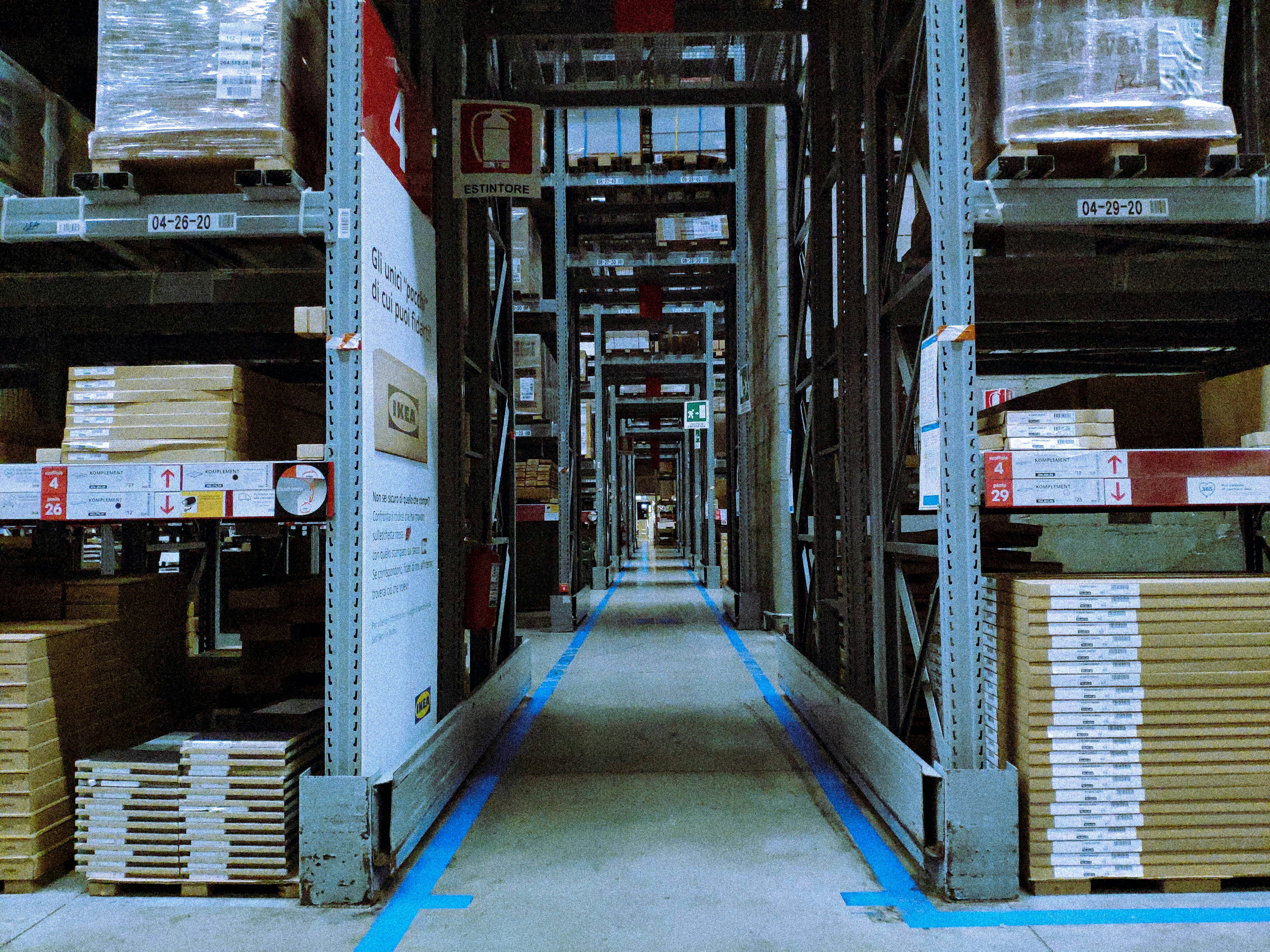
Effective inventory management is paramount in healthcare settings, where the availability and appropriate use of medical supplies can significantly impact patient care outcomes. Barcodes have emerged as a technological solution that streamlines the tracking and management of these essential resources. By incorporating barcode systems, healthcare facilities can markedly reduce errors related to inventory levels and expiration dates.
In traditional inventory management practices, discrepancies in stock levels often arise from manual logging and tracking methods, leading to potential shortages or wastage of resources. When healthcare workers utilize barcodes to scan products upon receipt, during storage, or prior to usage, they can efficiently maintain accurate records of medical supplies. This digitalized tracking ensures that staff are always aware of current stock levels, enabling timely reordering and minimizing the risk of stockouts. Furthermore, the automation provided by barcode systems can help eliminate human errors that are commonly observed in manual processes.
Another significant advantage of using barcodes in inventory management is the enhanced monitoring of expiration dates for medical supplies. In healthcare, using outdated or expired products can pose serious risks to patient safety. Barcode systems can be programmed to alert staff as items approach their expiration date, thereby ensuring that facilities always have access to effective and safe medical supplies. This not only helps in adhering to safety standards but also aids in cost efficiency by reducing waste associated with expired products.
In summary, the integration of barcode technology into inventory management represents a vital advancement in the healthcare sector. By streamlining tracking processes and minimizing errors, barcodes contribute significantly to improved patient care as well as the overall cost-effectiveness of healthcare operations.
Integration with Electronic Health Records (EHR)
In recent years, the integration of barcode technology with Electronic Health Records (EHR) systems has revolutionized patient care within the healthcare industry. The synergy created between these two technologies allows for real-time data updates, significantly boosting the efficiency of healthcare operations. By scanning barcodes assigned to patients, medications, and other items, healthcare providers can ensure accurate and instant input into the EHR, minimizing the potential for errors that could arise from manual data entry.
One of the primary advantages of integrating barcodes with EHR systems is the enhancement of communication among healthcare providers. When a clinician scans a patient’s barcode, it immediately pulls up comprehensive information from the EHR, including medical history, allergies, and current medications. This fast access to data facilitates better decision-making and improves patient safety, as providers are well-informed of any potential issues before administering treatment.
Moreover, utilizing barcode technology enhances records’ accuracy, crucial for patient treatment. In hospital settings, where medication administration errors can occur, the scanning of barcodes before drug delivery ensures that the medications correspond to the patient’s specific requirements as documented in the EHR. This verification process acts as a safeguard, confirming that patients receive the right medication, in the right dose, at the right time. Such integration ultimately leads to improved patient outcomes, as accurate records reduce the likelihood of adverse effects associated with medication errors.
Overall, the integration of barcode technology with EHR systems represents a significant advancement in healthcare processes. It not only optimizes data management and enhances operational efficiency but also reinforces patient safety, which remains paramount throughout the healthcare continuum. Healthcare institutions that successfully incorporate this technology can expect to see measurable improvements in the quality of care delivered to their patients.
Enhancing Patient and Family Engagement
In today’s healthcare landscape, the role of barcodes has transcended mere tracking of medications and supplies; they are instrumental in enhancing patient and family engagement. By implementing barcode systems, healthcare providers can facilitate more meaningful interactions between patients, their families, and the care they receive. This engagement is critical in fostering a sense of transparency and trust throughout the healthcare process.
One of the primary benefits of barcode technology is its ability to empower patients and their families to actively participate in their treatment. When patients can scan their medication barcodes, they gain immediate access to vital information regarding dosage, frequency, and potential side effects. This immediate access promotes better understanding and adherence, as patients have the opportunity to engage with their treatments proactively. Furthermore, the barcode system allows healthcare providers to educate patients effectively, ensuring they are well-informed about their conditions and therapeutic options.
Additionally, barcode technology plays a pivotal role in allowing patients and families to access their medical records seamlessly. With a simple barcode scan, individuals can retrieve essential health data, enabling them to review treatments and lab results. This access encourages open dialogues between patients and healthcare professionals, leading to heightened satisfaction with care and improved patient outcomes. When families are involved, they can provide support and reminders for medication, further enhancing adherence.
Moreover, barcode systems can play a significant role in reducing misunderstandings and errors in treatment. By clearly labeling medications and treatment plans with barcodes, patients can verify that they are receiving the correct prescription and dosage. This fosters an environment of trust, where patients feel valued and respected, as their safety is prioritized. Ultimately, enhancing patient and family engagement through barcode technology can lead to improved health literacy, better health outcomes, and a more patient-centered approach in healthcare.
Challenges and Limitations of Barcode Systems
The implementation of barcode systems in healthcare is not without its challenges and limitations. As these systems aim to enhance patient safety by minimizing errors, various factors can impede their effectiveness. One major hurdle is the technological aspect; not all healthcare facilities have the infrastructure needed to support the integration of barcode technology. Legacy systems may require significant upgrades or complete overhauls, which can be both time-consuming and costly.
Financial constraints also play a crucial role in the adoption of barcode systems. The initial investment for hardware, software, and system integration can be substantial, particularly for smaller healthcare providers or those operating on tight budgets. Moreover, ongoing maintenance and support costs can further strain organizational resources, leading to hesitance in fully embracing barcode technology.
Training is another significant challenge when implementing barcode systems. Staff must be adequately trained to ensure they can use these tools effectively. Without proper training, there is a risk of user error that could compromise patient safety rather than enhance it. Staff resistance to new technology can arise due to comfort with existing processes, exacerbating the situation. To combat this, healthcare organizations need to invest in comprehensive training programs that emphasize the benefits of barcode systems, promoting a culture of safety and diligence.
Furthermore, potential system failures can pose a risk to patient care. Issues such as scanner malfunctions, software bugs, or network outages can disrupt the workflow, leading to delays in medication administration or other critical processes. Implementing robust backup systems and contingency plans can help mitigate these risks, ensuring that barcode systems serve their intended purpose effectively. In conclusion, while barcode systems offer significant benefits to patient safety, healthcare organizations must address these challenges through careful planning, investment in technology, and an emphasis on staff training to realize their full potential.
Future Trends in Barcode Technology in Healthcare
The evolution of barcode technology in healthcare is witnessing remarkable advancements that promise to enhance patient safety and streamline operational efficiencies. As the demand for more reliable and efficient methods for tracking medications, specimens, and patient records grows, several future trends in barcode technology are emerging. One of the most significant developments is the integration of mobile scanning capabilities. The proliferation of smartphones equipped with advanced scanning applications allows healthcare professionals to access information quickly, enabling real-time decision-making and reducing the chance of errors during patient care processes.
Additionally, the convergence of barcode technology with artificial intelligence (AI) is poised to transform healthcare logistics. AI algorithms can analyze data captured by barcodes, identifying patterns that may indicate medication discrepancies or potential adverse drug events. This data-driven approach can lead to proactive measures that prioritize patient safety by ensuring that the right medication is administered to the right patient at the right time. Furthermore, the incorporation of machine learning techniques may improve the accuracy of inventory management in healthcare facilities, preventing stockouts or surplus medications that could compromise patient care.
Another notable trend is the integration of barcodes with Radio Frequency Identification (RFID) technology. While barcodes require direct line-of-sight for scanning, RFID allows for non-contact identification, making it an impactful tool in busy clinical environments. The combination of these two technologies can enhance tracking efficiency, such as when monitoring the movement of surgical instruments or pharmaceuticals, ultimately leading to improved patient safety protocols.
In conclusion, as innovations continue to emerge, barcode technology in healthcare is set for a transformative future, combining mobile capabilities, artificial intelligence, and RFID integration. These advancements will create a safer, more efficient environment for patient care, laying the groundwork for a high-tech era in healthcare management.
© barcodly.com- All rights reserved