
Introduction to Die-Cut Barcode Labels
Die-cut barcode labels are specialized labels designed using a process that utilizes steel rules or custom-shaped dies to cut labels into specific shapes and sizes. These labels incorporate barcode technology, which enables the automatic identification and tracking of products, assets, or services. By embedding essential product information within a scannable code, these labels facilitate efficient inventory management and streamline various commercial operations.
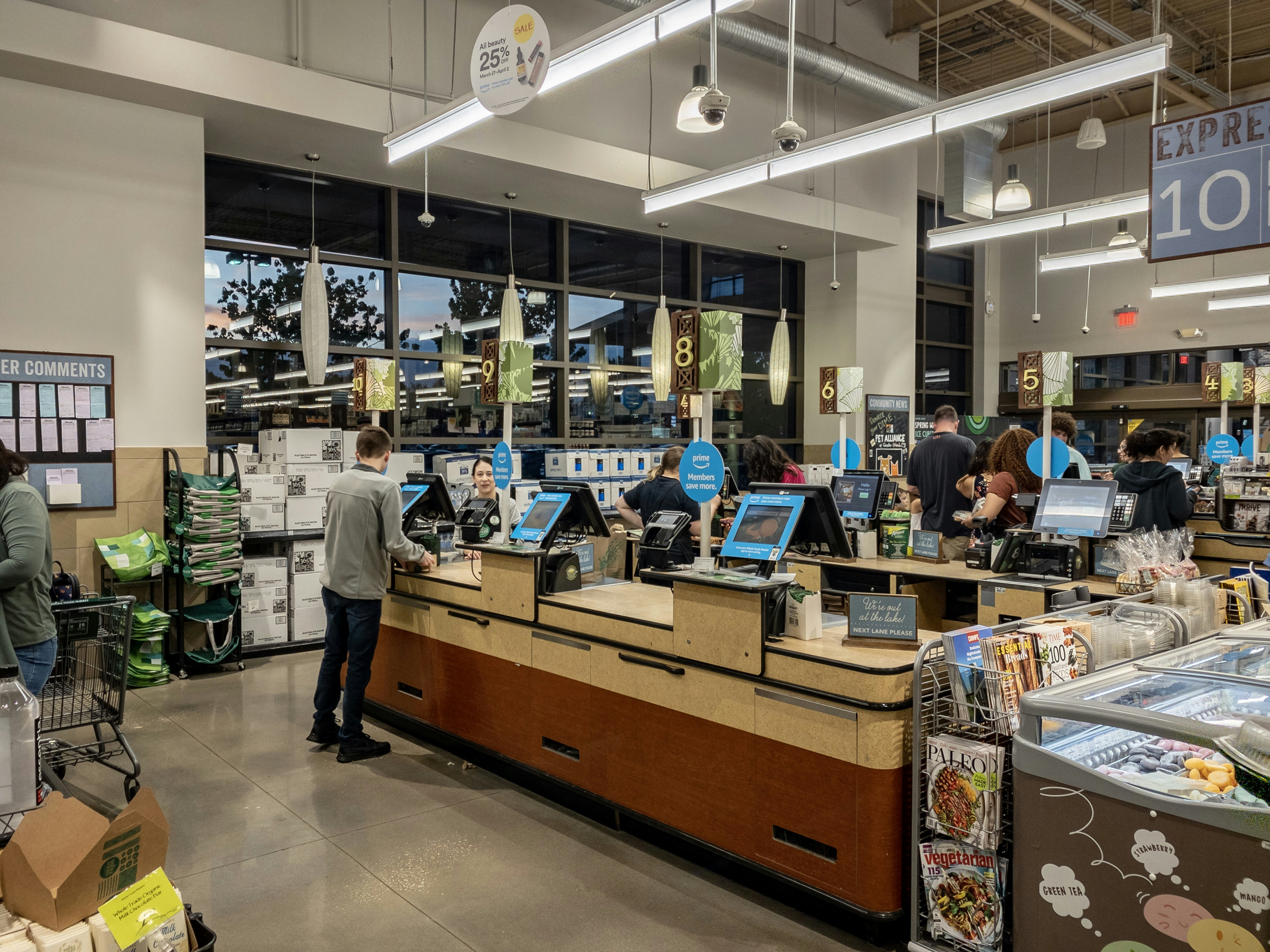
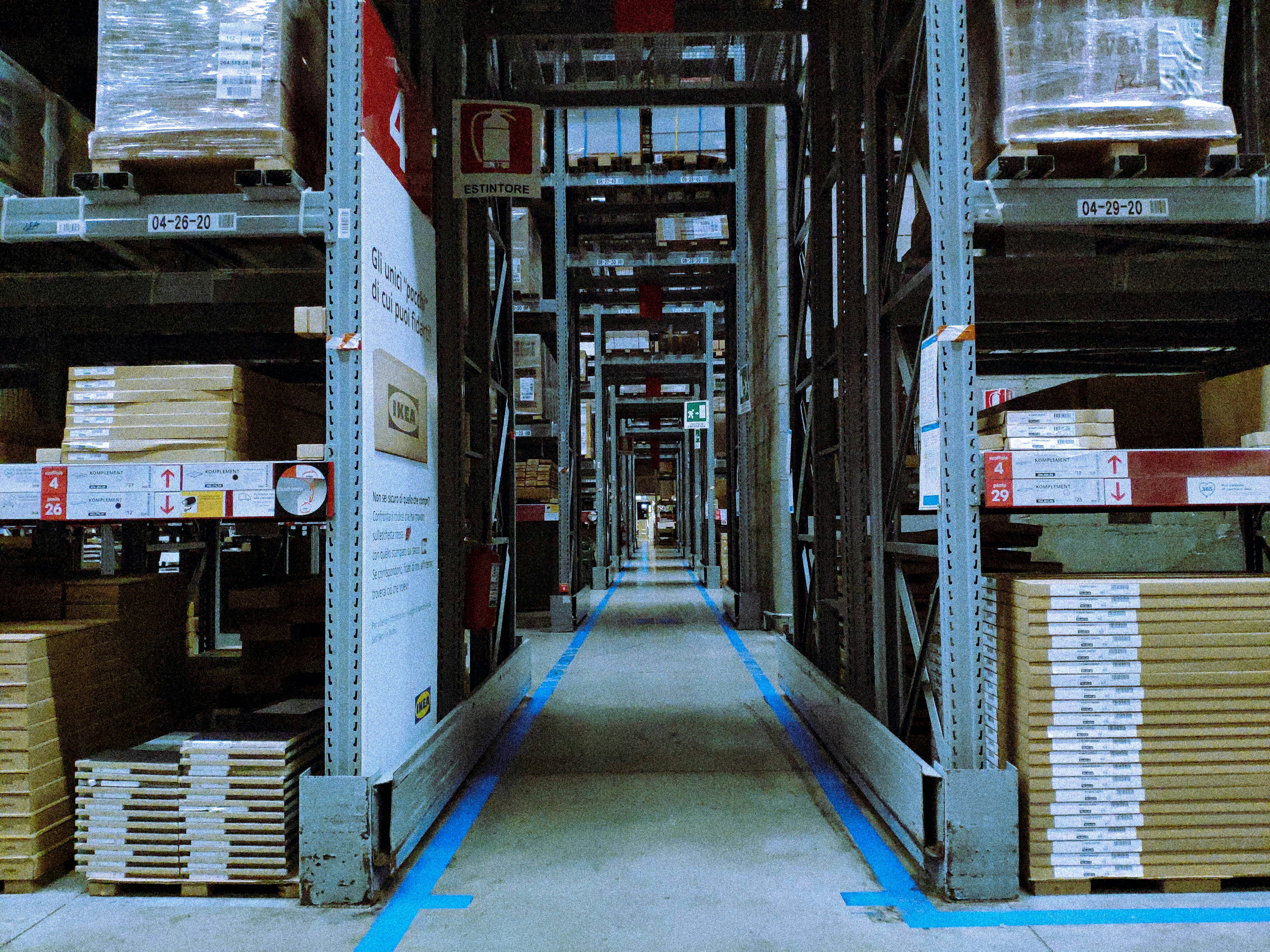
The primary purpose of die-cut barcode labels is to enhance the identification process in numerous sectors, such as retail, manufacturing, and logistics. In a retail environment, die-cut barcode labels can help retailers quickly scan items at checkout, improving transaction speed and customer satisfaction. Similarly, in inventory management, they enable warehouses to accurately track stock levels and manage supply chains more effectively. This level of automation reduces human error and promotes operational efficiency.
Furthermore, die-cut barcode labels can be customized to fit specific branding or space requirements, making them versatile tools for businesses. They can be printed on different materials, ranging from paper to durable synthetic options, depending on the intended application and environmental conditions. This adaptability makes them suitable for various scenarios, whether used on product packaging, shipping labels, or asset tracking tags.
In industries where precision and efficiency are paramount, die-cut barcode labels play a crucial role in optimizing workflows. By enhancing the speed and accuracy of product scanning and data collection, these labels are indispensable assets for businesses aiming to improve their operational efficiency. Understanding die-cut barcode labels and their functionalities is essential for companies looking to implement better tracking and inventory solutions.
The Die-Cutting Process Explained
Die-cutting is an intricate and precise method used in the production of various types of labels, including barcode labels. This cutting technology employs a sharp metal blade, called a die, which is specially designed to cut through specific materials, ensuring that each label is produced consistently and accurately. The die is shaped to the exact requirements of the desired label design, allowing for a wide range of shapes and sizes to be created, which sets die-cut labels apart from other printing methods.
During the die-cutting process, materials such as paper, vinyl, and polyester are commonly used. These substrates are chosen based on their application requirements, durability, and aesthetics. The cutting technology typically operates through two processes: rotary die-cutting and flatbed die-cutting. Rotary die-cutting employs a cylindrical die to create labels on a continuous roll, making it well-suited for high-volume production. In contrast, flatbed die-cutting utilizes a flat die to process sheets of material, enabling intricate designs and lower volume runs.
The benefits of using die-cutting to produce barcode labels are numerous. Firstly, the precision inherent in the die-cutting process ensures that the labels retain the correct dimensions and intricate details, which is paramount for barcode readability. Any deviation could result in scanning issues and inefficiencies in inventory management. Secondly, die-cutting allows for versatility in label shapes, enabling businesses to create custom, branded labels that stand out on the shelf. This flexibility can enhance marketing efforts while also reinforcing brand identity.
Overall, the die-cutting process is essential in the production of effective, precise, and visually appealing barcode labels that meet the diverse needs of various industries.
Benefits of Die-Cut Barcode Labels
Die-cut barcode labels offer numerous advantages that are instrumental in enhancing product presentation, improving operational efficiency, and facilitating essential branding strategies. One of the most prominent benefits is their improved aesthetics. Unlike standard square or rectangular labels, die-cut labels can be shaped to fit the contours of products, allowing businesses to create a more visually appealing package. This unique design not only captures consumer attention but also helps in differentiating a brand in a crowded market.
In addition to their aesthetic appeal, die-cut barcode labels enhance functionality. The precise cut of these labels can accommodate various shapes and sizes of products, ensuring that the barcode aligns perfectly with the packaging. This alignment is vital as it minimizes the chances of scanner errors when the label is read at checkout or during inventory management. The accuracy in scanning facilitated by die-cut labels leads to increased efficiency within supply chain operations, as it reduces processing time and errors related to label recognition.
Furthermore, the unique shapes of die-cut labels can play a crucial role in product identification and branding. Businesses can utilize creative shapes that reflect their brand identity or product characteristics, effectively communicating their message to consumers. Additionally, the enhanced visibility and legibility of these labels can aid in tracking and managing inventory more efficiently, which is vital for maintaining optimal stock levels and satisfying customer demands.
Overall, die-cut barcode labels contribute to operational optimization by merging form and function. Their ability to provide a distinctive appearance while enhancing scanning efficiency positions them as an invaluable tool for businesses aiming for excellence in product presentation and operational processes.
Applications of Die-Cut Barcode Labels
Die-cut barcode labels have become essential in a variety of sectors, enhancing efficiency and operational effectiveness. Primarily, the retail industry has embraced this technology to streamline inventory management and improve customer experience. Die-cut labels enable retailers to create aesthetically pleasing product labels that not only provide vital information but also engage customers. For instance, a clothing retailer may utilize die-cut barcode labels with custom shapes that reflect the brand’s identity, making the shopping experience visually appealing while ensuring accurate stock tracking.
In the manufacturing sector, die-cut barcode labels are instrumental in tracking components and finished goods throughout the production process. These labels help manufacturers maintain control over their inventory and optimize workflow. By implementing die-cut labels, a manufacturing plant can create specific labels for different parts, ensuring that each component is easily traceable. For example, an automobile manufacturer might use die-cut barcode labels to provide precise information regarding each part’s origin, specifications, and quality, which enhances overall quality control and eliminates possible errors.
Logistics and warehousing also benefit significantly from die-cut barcode labels. These labels facilitate quick scanning and processing of packages, thereby enhancing logistical operations. By using die-cut labels that are tailored for their packaging, fulfillment centers can speed up the sorting and shipping processes. For instance, a logistics company may adopt die-cut labels designed for varying package sizes, which aids in the efficient categorization of goods as they move through the supply chain. Such applications showcase how die-cut barcode labels play a crucial role in boosting productivity and ensuring seamless operations across different sectors.
Choosing the Right Materials for Die-Cut Labels
When selecting materials for die-cut barcode labels, several factors play a crucial role in ensuring functionality, durability, and environmental sustainability. The choice of material directly affects the label’s performance in various applications, from product packaging to inventory management. Common materials used for die-cut labels include paper, polyester, vinyl, and polypropylene, each with unique characteristics that cater to different needs.
Paper labels are often regarded as cost-effective and versatile, making them a popular choice for short-term or indoor applications. They are typically available in a variety of finishes to enhance visual appeal. However, paper can be less durable than synthetic options and may not withstand moisture or temperature fluctuations effectively.
On the other hand, synthetic materials such as polyester and vinyl provide superior durability. These materials resist water, chemicals, and UV light, making them ideal for outdoor use or harsh environments. Polyester labels are particularly suitable for applications requiring high-resolution printing and barcode scanning, thanks to their smooth surface. Vinyl, known for its flexibility and tear-resistance, is another excellent choice for labels that need to conform to curved surfaces.
In addition to material selection, it is essential to consider adhesive types when choosing die-cut barcode labels. The adhesive must be compatible with the surface it will adhere to, whether it’s cardboard, plastic, or metal. Permanent adhesives offer strong bonding for long-term applications, while removable adhesives are suitable for items that require repositioning.
Furthermore, environmental impact is becoming a key consideration in material choice. Businesses are increasingly looking for sustainable label options that minimize waste. Eco-friendly materials, such as recycled paper or biodegradable synthetics, can help companies achieve their environmental goals without compromising on quality.
Ultimately, the right choice of materials for die-cut labels will depend on specific application requirements, ensuring that they perform effectively while considering cost-effectiveness and environmental responsibility.
Customizing Die-Cut Barcode Labels
Die-cut barcode labels offer a unique opportunity for businesses to incorporate customized features that align with their branding and operational needs. Customization options can significantly influence the effectiveness of barcode labels, making them an essential tool for enhancing brand visibility and recognition. One of the primary customization aspects is the size and shape of the labels. Businesses can choose from a variety of shapes, including rectangles, circles, or custom cutouts that correspond to their products. By selecting a unique shape, a company can stand out on retail shelves, appealing to customers visually.
Color is another crucial element in the customization of die-cut barcode labels. Businesses can use colors that reflect their brand identity or create a striking contrast against the product packaging. This not only draws attention but also fosters brand loyalty. Additionally, incorporating brand colors enhances the chances of customers associating the label with a specific product, ultimately building trust and recognition over time.
Beyond size and color, design elements such as logos, taglines, and artwork can be integrated into die-cut barcode labels. By including logos and taglines, businesses reinforce their branding, emphasizing their market presence. Artwork can also tell a story about the product or brand, further engaging customers. It is crucial to ensure that any graphic elements do not overshadow the barcode itself, as scannability remains a vital concern. A well-designed label maintains a balance where branding elements complement the barcode, allowing for efficient scanning during transactions.
Ultimately, customizing die-cut barcode labels is an investment in a brand’s future. Thoughtful customization leads to enhanced customer recognition, which plays an essential role in fostering loyalty and trust. By strategically designing labels that resonate with consumers, businesses can position themselves for greater market success.
How to Print Die-Cut Barcode Labels
Printing die-cut barcode labels requires an understanding of various methodologies, including digital printing, flexographic printing, and thermal printing. Each method presents a distinct set of benefits and drawbacks, allowing businesses to select an option that aligns with their needs in terms of cost, quality, and efficiency.
Digital printing has gained popularity due to its flexibility and quick turnaround times. This method allows for high-quality prints and is particularly useful for short runs of labels. Since digital printers do not require plates, setup costs are minimized, making it a more economical choice for smaller orders. Additionally, digital printing supports variable data printing, enabling the customization of each label, which can be particularly valuable for applications that require unique barcodes or product information.
On the other hand, flexographic printing is commonly used for larger runs of die-cut barcode labels. This traditional method uses flexible relief plates to transfer ink onto a substrate. While initial setup costs for flexographic printing can be higher due to plate production, the cost per label decreases dramatically with larger quantities. Flexographic printers are known for their speed and ability to produce consistent quality. However, they may not offer the same level of customization as digital printing.
Thermal printing is another viable option, particularly for businesses that require on-demand printing capabilities. Thermal printers create images by applying heat to specially coated thermal paper. This method is ideal for labels that do not require long-term durability, such as shipping labels or temporary barcodes. The primary drawback of thermal printing is that the labels may fade over time, making them less suitable for permanent applications.
When deciding on a printing method for die-cut barcode labels, it is essential to consider the scale of production, the required print quality, and the specific use case of the labels. Each printing methodology offers unique advantages, ensuring that businesses can produce effective, high-quality barcode labels tailored to their needs.
Common Challenges with Die-Cut Barcode Labels
While die-cut barcode labels offer numerous advantages, businesses often encounter several challenges that can hinder their effectiveness and efficiency. Understanding these challenges is crucial for ensuring smooth operations and maximizing the benefits of these labeling systems. One prevalent issue is production delays. These delays can result from various factors, including machinery malfunctions, material shortages, or inadequate design specifications. When production timelines are extended, it can disrupt supply chains and impact inventory management efforts.
Another significant challenge is misprints, which can occur due to improper calibration of printing equipment or errors in the design phase. Misprints can render barcode labels unreadable, resulting in operational inefficiencies and potential losses for businesses. Additionally, the readability of barcodes can be compromised by environmental factors such as poor lighting or barcode damage during handling or transportation. To address these misprint issues, businesses should conduct regular equipment maintenance, use high-quality materials, and implement rigorous quality control checks.
Adhesive issues are also a common concern with die-cut barcode labels. Labels may not adhere properly to surfaces, particularly in environments with temperature fluctuations or exposure to moisture. This lack of adhesion can lead to labels peeling off or becoming illegible over time. To mitigate these challenges, selecting the right adhesive type based on the intended application and environmental conditions is essential. Using labels specifically designed for the surface material can significantly improve adherence and durability.
By recognizing these common challenges, businesses can adopt best practices, such as meticulous planning, regular equipment maintenance, and careful material selection, ultimately enhancing the overall effectiveness of die-cut barcode labels within their operations.
Future Trends in Die-Cut Barcode Labels
The field of die-cut barcode labels is witnessing rapid advancements, driven by the demands of an ever-changing marketplace. One of the prominent trends is the evolution of printing technology. Innovations such as digital printing and inkjet technology are enhancing the labeling process, allowing for quicker production times and more customized solutions. These technologies enable businesses to adapt their labeling needs without the constraints of traditional printing methods, fostering greater flexibility in design and functionality.
In addition to advancements in printing technology, there is a significant push towards the use of eco-friendly materials in the production of die-cut barcode labels. As sustainability becomes an increasing priority for consumers and businesses alike, manufacturers are exploring biodegradable substrates and recycled materials. This transition not only minimizes environmental impact but also aligns with corporate social responsibility initiatives, enabling companies to meet regulatory standards while appealing to eco-conscious customers.
Moreover, the integration of smart label technologies, particularly Radio-Frequency Identification (RFID), stands out as a transformative trend in the die-cut label industry. RFID tags embedded in die-cut labels provide enhanced tracking and data collection capabilities, significantly improving inventory management and supply chain operations. This technological synergy supports real-time data acquisition and improves efficiency within logistics processes. As retailers and suppliers recognize the benefits of such integration, the demand for RFID-enabled die-cut barcode labels is expected to surge.
In summary, the future of die-cut barcode labels is being shaped by advancements in printing technology, the adoption of sustainable materials, and the integration of smart labeling solutions like RFID. These trends suggest a dynamic evolution in the labeling landscape, promising more efficient, customizable, and environmentally responsible solutions that meet the diverse needs of businesses across various sectors.
© barcodly.com- All rights reserved