
Introduction to Serialized Barcodes
Serialized barcodes represent an advanced evolution of standard barcodes, designed specifically for unique identification purposes across various sectors. Unlike traditional barcodes, which typically encode the same information for multiple products, serialized barcodes incorporate unique serial numbers, allowing each item to be distinctly identified. This characteristic is particularly vital in industries where tracking specific items is essential, such as pharmaceuticals, electronics, and manufacturing.
The fundamental components of a serialized barcode include the unique serial number, which provides the basis for individual identification, and the symbology, which conveys information to scanning devices. The symbology can vary from one type of barcode to another, with common formats including Code 128, QR codes, and Data Matrix. Each format offers specific benefits, depending on the application, with some supporting larger amounts of information or requiring less physical space.
Serialized barcodes serve multiple purposes in terms of unique identification. They enable efficient inventory management by allowing organizations to track the movement and location of individual products throughout their lifecycle. This capability not only enhances operational efficiency but also aids in quality control and compliance with industry regulations. Moreover, the use of serialized barcodes can help mitigate issues related to counterfeiting and theft by ensuring that products are authenticated and traceable.
With the growing emphasis on supply chain transparency and product traceability, serialized barcodes are becoming increasingly vital. Industries implement these barcodes not just for internal logistics but also to meet consumer demands for information about the provenance and safety of products. As businesses recognize the unique advantages of serialized barcodes, their adoption continues to expand, fostering more secure and efficient identification methodologies.
The Importance of Unique Identification
Unique identification is a critical component for the efficient operation of businesses and organizations, serving as the cornerstone for effective inventory management, asset tracking, and operational integrity. In an era where the flow of goods and information is paramount, the absence of unique identifiers can lead to numerous challenges. Without a robust system for unique identification, businesses may experience increased inventory management errors, leading to discrepancies between actual stock levels and those recorded in systems. Such inaccuracies can result in stock shortages, overstock situations, and ultimately, lost sales opportunities.
Moreover, the lack of unique identification can open the door to fraudulent activities. When products are not distinctly identified, it becomes challenging to ascertain their authenticity. This can result in the unintentional acceptance of counterfeit goods, which could damage a company’s reputation and lead to financial losses. Establishing a comprehensive unique identification system mitigates these risks, providing an assurance that each item is logged and traceable throughout its lifecycle. This traceability is essential in industries that require stringent compliance to safety regulations, as it allows for quick identification and response to potential issues.
Another significant challenge faced without unique identification is the inefficiency in tracking products and assets. Organizations often grapple with the logistics of monitoring the movement of goods, which can impede operational efficiency. Consequently, accurate unique identification facilitates seamless tracking and management, ensuring that businesses can swiftly adapt to changing demands and ensure efficient resource allocation.
In conclusion, the implementation of unique identifiers, such as serialized barcodes, plays an indispensable role in enhancing operational efficiency, reducing risks of fraud, and improving overall inventory management. Embracing these systems can lead to significant advancements in processes, ultimately benefiting businesses and organizations alike.
How Serialized Barcodes Work
Serialized barcodes are a sophisticated tool used for unique identification, enabling the tracking of individual items systematically. At their core, serialized barcodes consist of various components including a series of black and white bars, spaces, and numeric or alphanumeric characters. The primary function of these elements is to encode unique data that distinguishes each item from others within the same category. This unique identifier is crucial for businesses aiming to enhance inventory management and product traceability.
The encoding process for serialized barcodes begins with converting unique data into a digital format that a barcode scanner can interpret. Each serialized barcode typically includes a prefix, which identifies the manufacturer or product type, followed by a unique sequence number that signifies an individual item. This careful organization helps ensure that each barcode is not only unique but also easily decipherable. For example, a serialized barcode might encode information such as the product code, batch number, and expiration date, all of which contribute to the precise identification of an item.
When a serialized barcode is scanned, the barcode reader utilizes a laser or camera to capture the reflected light from the barcode’s pattern. As the scanner processes this information, it translates the series of bars and spaces back into the original unique data format. This process occurs almost instantaneously, allowing for efficient and accurate data retrieval. Working in conjunction with inventory management systems, the retrieval of this data streamlines operations, reducing errors associated with manual entry while enhancing overall productivity in various settings, from retail to warehouse management.
In summary, the mechanics of serialized barcodes hinge on their unique structural elements and encoding processes, which facilitate swift scanning and data processing, marking them as invaluable assets in today’s information-driven economy.
Applications of Serialized Barcodes
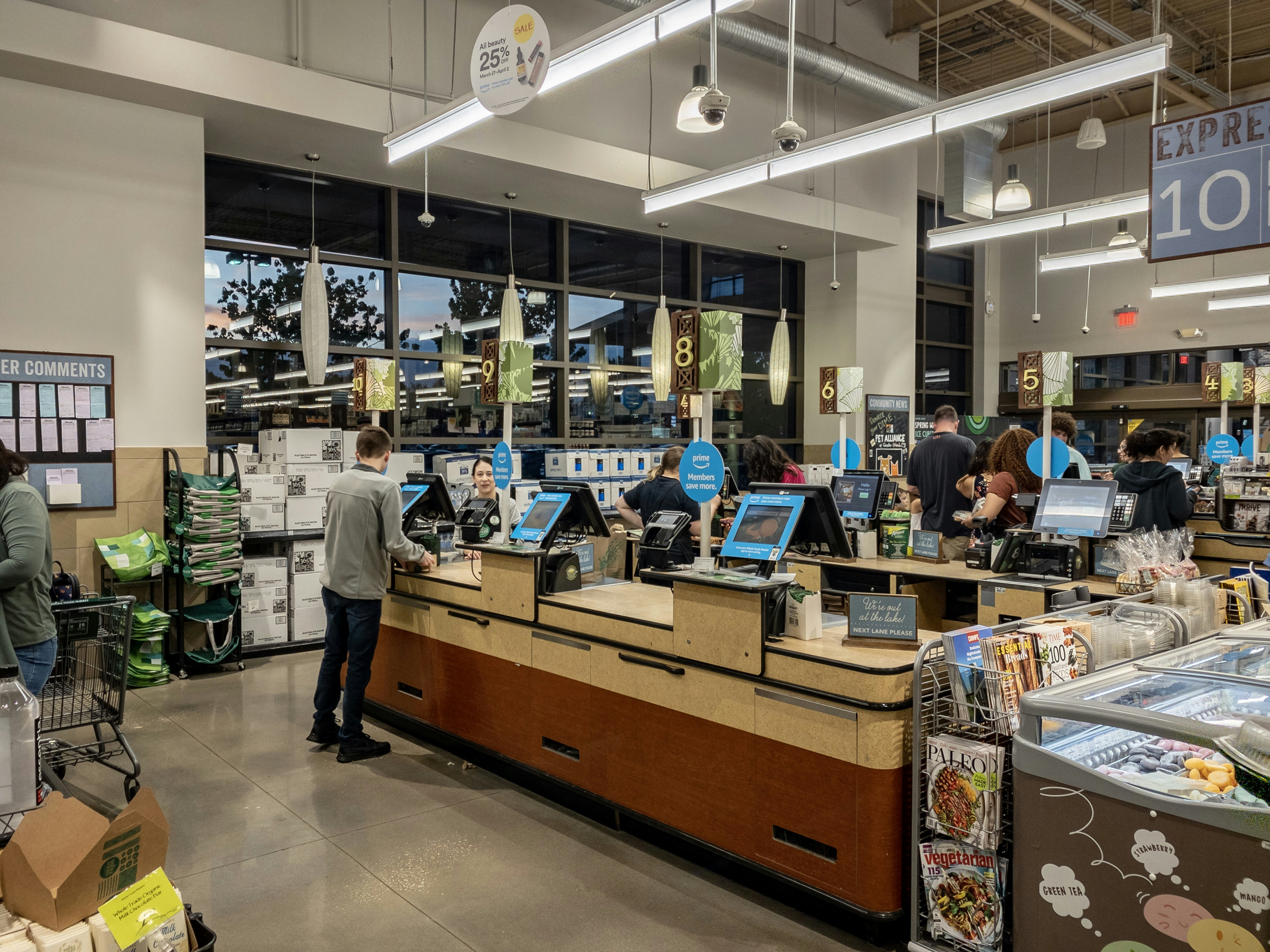
Serialized barcodes are widely recognized for their extensive applicability across various industries, providing a robust method for unique identification. In the retail sector, serialized barcodes serve as a fundamental tool for inventory management and sales tracking. Each item can be tagged with a unique code, allowing retailers to manage stock levels effectively, reduce losses from theft, and streamline the checkout process. This efficiency not only enhances customer satisfaction but also improves operational effectiveness.
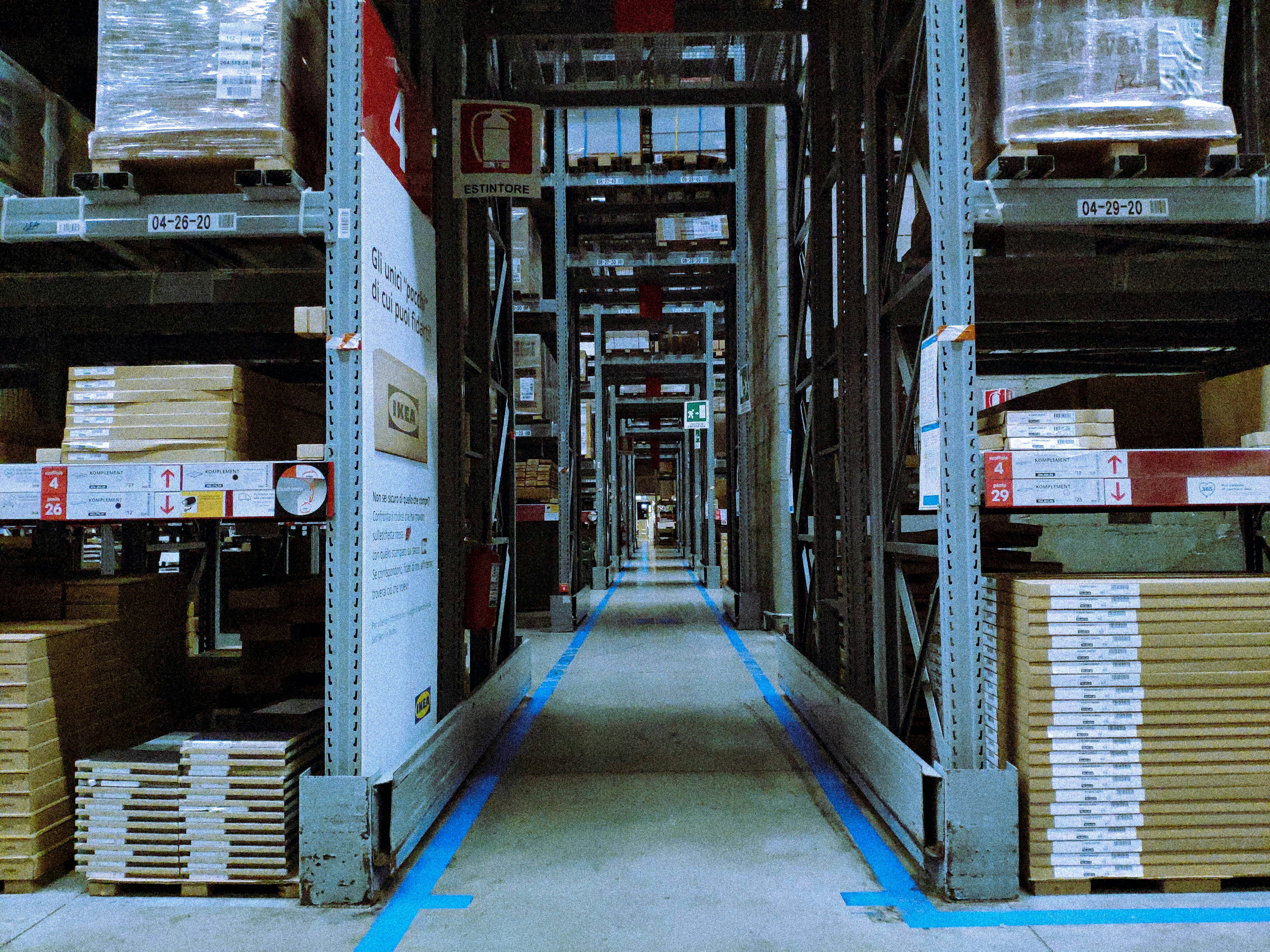
In the manufacturing industry, serialized barcodes play a crucial role in tracking products throughout the production process. They allow for precise monitoring of individual items, significantly reducing the possibility of errors that could arise during assembly or packaging. This unique identification method promotes quality control and facilitates better management of supply chains, ensuring that each product can be traced back through its entire lifecycle.
The logistics sector heavily relies on serialized barcodes for efficient shipping and receiving processes. Each package can be uniquely identified, allowing companies to track the movement of goods throughout the shipping process. This system improves accuracy in delivery, minimizes the risk of misplaced or lost items, and enhances transparency for both businesses and customers. Additionally, those working in the logistics industry benefit from real-time data regarding inventory levels, allowing for informed decision-making.
In healthcare, serialized barcodes have become increasingly important for patient safety and medication management. Each patient wristband and medication can be barcoded, ensuring that the correct treatment is administered promptly. This practice reduces the risk of medical errors and supports regulatory compliance, contributing to improved patient outcomes. Overall, the versatility of serialized barcodes is evident across multiple sectors, showcasing their effectiveness in facilitating unique identification and operational efficiency.
Benefits of Using Serialized Barcodes
Serialized barcodes provide numerous advantages in various industries, contributing significantly to operational efficiency and accuracy. One of the most notable benefits is the improvement in accuracy during inventory management. Each serialized barcode contains a unique identifier, reducing the chances of errors common with traditional barcodes. For instance, retailers utilizing serialized barcodes can better ensure that the correct items are scanned and tracked throughout the supply chain, minimizing discrepancies and improving overall data integrity.
Increased efficiency is another key advantage of implementing serialized barcodes. With their ability to store unique identifier data, serialized barcodes enable faster scanning and processing at various touchpoints within the supply chain. This efficiency is particularly evident in busy retail environments where high volumes of transactions occur. Manufacturers have reported significantly reduced check-out times and lower wait periods for consumers due to the rapid scanning capabilities of serialized barcodes.
Better inventory control is facilitated through the use of serialized barcodes, allowing for real-time tracking of products. Businesses can efficiently monitor stock levels, track shipments, and manage returns, ultimately leading to better decision-making based on accurate stock data. For example, companies in the pharmaceutical industry utilize serialized barcodes to maintain regulatory compliance and mitigate risks associated with counterfeit drugs by precisely tracking each product from production to distribution.
Enhanced security is another compelling benefit of serialized barcodes. Each serialized barcode serves as a unique identifier, making it challenging for counterfeit products to infiltrate supply chains. This characteristic is vital, especially in industries such as electronics and luxury goods. Cost savings are also realized, as the reduced likelihood of miscommunication and inventory discrepancies leads to lower operational costs. In summary, the integration of serialized barcodes within business processes not only optimizes efficiency and security but also brings about substantial cost benefits, establishing them as an invaluable tool in modern supply chain management.
Challenges and Limitations
Implementing serialized barcodes for unique identification offers significant advantages, yet it is essential to acknowledge the challenges and limitations businesses may encounter. One of the primary challenges is the initial investment required for hardware and software. Companies must often incur costs for barcode scanners, printers, and inventory management systems that support serialized barcodes. This financial hurdle can be particularly daunting for small and medium-sized enterprises with limited budgets.
Another critical aspect to consider is technology compatibility. Existing systems may not integrate seamlessly with new serialized barcode technology. Businesses must assess whether their current software platforms can accommodate the change or if a complete overhaul is necessary. Compatibility issues can lead to additional expenses, delays in implementation, and potential disruptions in normal operations.
Moreover, the potential for human error must not be overlooked. While serialized barcodes are designed to reduce mistakes, the initial setup process often involves manual data entry, which can introduce inaccuracies if not managed diligently. Subsequent scanning processes may also face challenges when staff members are not adequately trained in handling this technology, leading to misreads or incorrect product identification at critical stages.
Staff training is another vital consideration in overcoming these challenges. Personnel must understand how to operate the new systems effectively and utilize serialized barcodes confidently. Inadequate training can compromise the whole process, resulting in inefficient workflows and reduced productivity. Businesses seeking to implement serialized barcodes should invest time and resources in comprehensive training programs to mitigate these risks.
Ultimately, while serialized barcodes represent a profound step towards efficiency and accuracy in unique identification, businesses must recognize and address these challenges to maximize their benefits effectively.
Best Practices for Implementing Serialized Barcodes
Implementing serialized barcodes effectively involves adopting a set of best practices that ensure the technology functions efficiently and delivers the intended benefits. The first step is to select the appropriate barcode technology tailored to your specific needs. Various types of barcodes exist such as 1D, 2D, and QR codes, each serving different use cases. Assessing factors such as the environment, the type of products being labeled, and the scanning equipment available is essential in making the right choice.
Data integrity is another critical aspect of implementing serialized barcodes. Maintaining accurate data reduces the likelihood of errors during scanning and ensures reliable tracking throughout the supply chain. Establishing stringent processes for data entry and validation will help in safeguarding the integrity of the data associated with each serialized barcode. Regular audits and checks can further contribute to this effort, ensuring that any discrepancies are quickly identified and rectified.
The training of personnel also plays a vital role in the effective implementation of serialized barcodes. Workers must comprehend the significance of serialized barcodes and how they function within the broader scope of inventory management, logistics, or manufacturing processes. Providing comprehensive training programs that cover scanning procedures, troubleshooting common issues, and managing data will empower employees to utilize the technology effectively.
Lastly, ongoing maintenance is crucial to sustain the efficacy of the serialized barcode system. This includes regularly updating software, replacing damaged labels, and conducting periodic evaluations to ascertain that the system continues to meet operational demands. Implementing these best practices will not only enhance the overall efficiency of serialized barcodes but also maximize their potential for unique identification within various industries.
Future Trends in Serialized Barcoding
The landscape of serialized barcoding technology is poised for significant evolution in the coming years. One of the most notable advancements is the improvement of scanning technology. Enhanced scanning devices that utilize artificial intelligence and machine learning are expected to offer rapid data capture, accuracy, and increased efficiency in decoding serialized barcodes. These advancements will ultimately streamline operations across various industries, including manufacturing, retail, and logistics, making serialized barcode systems more effective at tracking items throughout their lifecycle.
Another trend gaining traction is the integration of serialized barcodes with Internet of Things (IoT) devices. As the adoption of IoT technology increases, serialized barcodes will work in conjunction with smart devices to provide real-time updates and monitoring. For instance, products embedded with serialized barcodes can communicate their status, location, and condition to centralized systems, thereby enhancing inventory management and supply chain visibility. This connection between serialized barcodes and IoT reinforces the potential for smarter systems that facilitate seamless interactions between physical items and digital platforms.
Furthermore, blockchain technology is increasingly being explored as a means to elevate the authenticity and traceability associated with serialized barcoding. By leveraging blockchain’s decentralized and tamper-proof nature, organizations can create a transparent and secure environment for tracking products. This technology enables the establishment of an immutable record of the product’s journey, ensuring that each serialized barcode corresponds to a specific and verified history. Consequently, the application of blockchain not only supports compliance with industry regulations but also fosters consumer trust through transparent sourcing and ownership verification.
As these technologies continue to develop, the future of serialized barcoding looks promising. The synergy between enhanced scanning capabilities, IoT integration, and blockchain will not only redefine how serialized barcodes are utilized but also contribute significantly to operational efficiencies and improved tracking mechanisms across various sectors.
Conclusion
In summary, serialized barcodes serve as a pivotal tool for unique identification across various industries. They provide an efficient solution for tracking products, enhancing inventory management, and improving operational transparency. Throughout this discussion, we have explored how serialized barcodes facilitate precise identification by encoding distinct data for each item, allowing for more streamlined processes in warehouses, retail settings, and manufacturing facilities.
As businesses face increasing pressure to optimize their operations and adapt to contemporary challenges, the implementation of serialized barcodes can lead to significant improvements. By utilizing these unique identifiers, organizations can minimize errors associated with manual tracking, reduce time spent on inventory audits, and bolster overall supply chain efficiency. Furthermore, serialized barcodes contribute to better customer service, as businesses are able to respond more rapidly and accurately to inquiries regarding product availability and location.
The adoption of serialized barcodes is not merely a technological upgrade but a strategic necessity in our rapidly changing business environment. Organizations that choose to implement these systems are placing themselves at the forefront of operational excellence and consumer satisfaction. By embracing serialized barcodes, businesses can enhance their inventory management capabilities, ensure compliance with regulatory requirements, and ultimately gain a competitive edge in their respective markets. Thus, companies are encouraged to consider the integration of serialized barcodes within their operations for improved outcomes and sustainable growth.
© barcodly.com- All rights reserved