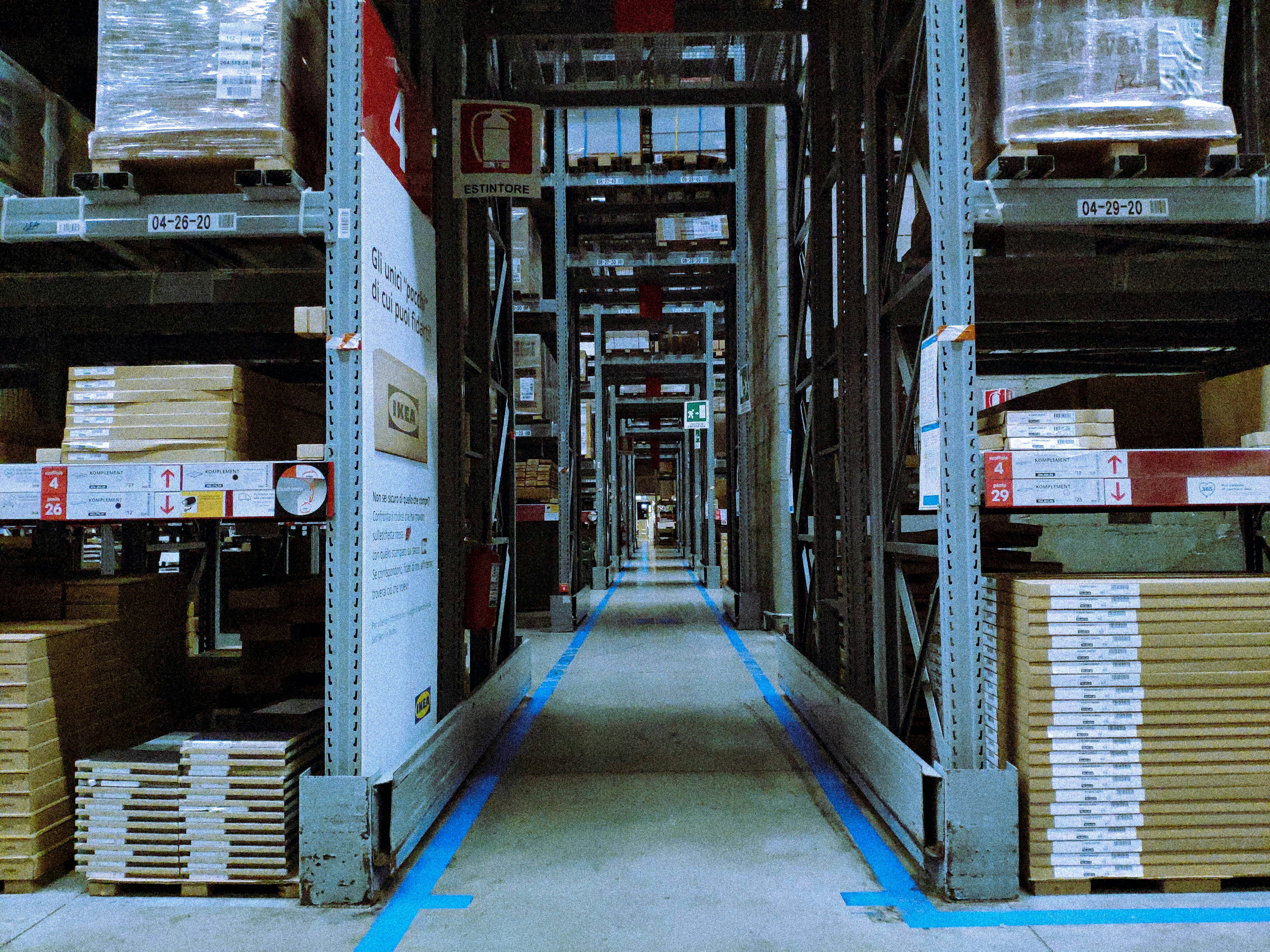

Introduction to Barcodes and Their Importance
Barcodes are an essential component of modern commerce, serving as a critical mechanism for inventory management, sales tracking, and overall supply chain efficiency. These machine-readable codes, typically composed of parallel lines and spaces, provide data that can be scanned and interpreted by various devices such as barcode readers and smartphones. The fundamental purpose of barcodes is to facilitate the quick and accurate identification of products, thereby streamlining operational processes within various industries.
In retail environments, the use of barcodes allows for efficient checkout processes, minimizing human error and reducing the time required for transactions. This technology extends its utility beyond the point of sale, aiding businesses in tracking inventory levels, analyzing sales trends, and managing stock replenishment. As organizations increasingly rely on data-driven decision-making, the role of barcodes becomes even more significant in enhancing accuracy and operational effectiveness.
Proper placement of barcodes on products is a crucial aspect that directly impacts scanning efficiency and overall user experience. If a barcode is placed incorrectly, it can lead to scanning difficulties, or even failure to read, which may frustrate customers and staff alike. Additionally, improper placement may hinder inventory control efforts, resulting in logistical challenges that can affect supply chain efficiency. Thus, ensuring that barcodes are positioned correctly on each product can significantly contribute to better customer interactions, streamlined operations, and improved product management.
In conclusion, understanding the importance of barcodes and their appropriate placement is vital for optimizing business processes. As technology continues to evolve, the utility of barcodes remains a cornerstone of effective inventory management and sales tracking, demonstrating their enduring relevance in today’s market.
Understanding Different Types of Barcodes
Barcodes are essential tools in modern inventory management, retailing, and logistics, enhancing the efficiency of various processes. Different types of barcodes serve specific functions and industries, influencing their placement on products. One of the most recognized barcode types is the Universal Product Code (UPC). Predominantly used in retail settings, UPCs consist of 12 digits and are crucial for quickly scanning products at checkout. Their standardized design ensures global compatibility, necessitating careful placement so scanners can effectively read them without obstruction.
Another significant barcode type is the European Article Number (EAN), closely related to UPCs but designed for the international market. EAN-13 codes consist of 13 digits and are widely employed across global retail sectors. Practicing proper placement of EAN barcodes on packaging can streamline international sales, ensuring compliance with both local and international standards.
Quick Response (QR) codes represent a versatile and user-friendly barcode option. Unlike traditional barcodes, QR codes can store a more substantial amount of information such as URLs and product details. This adaptability facilitates various applications, from marketing to inventory tracking. Manufacturers are encouraged to place QR codes in easily accessible locations where consumers can effortlessly scan them for additional product insights.
Finally, Code 128 is another type frequently used in logistics and shipping applications. Code 128 is capable of encoding alphanumeric characters, making it suitable for labeling in warehouses. Due to its compact size and high data density, strategic placement is vital for efficient scanning during item handling processes. Overall, understanding the function and appropriate use of each barcode type is fundamental for effective barcode placement on products and contributes significantly to operational efficiency.
Best Practices for Barcode Placement
Effective placement of barcodes on products is crucial for ensuring seamless scanning and operational efficiency in various retail settings. To achieve optimal scannability, several best practices should be followed regarding the orientation, height, and positioning of barcodes on packaging.
Firstly, the orientation of the barcode is fundamental. Barcodes should be placed horizontally whenever possible, as this aligns with the majority of scanning devices designed to read horizontal information. Vertical placement, while not completely discouraged, may impede readability and introduce scanning errors. Furthermore, it is advisable to maintain a standard height for the barcode; placing it between 1 to 2 inches above the bottom edge of the product packaging typically yields the best results. This height allows scanners to capture the barcode without obstruction.
Proximity to edges is another vital consideration in barcode placement. Ideally, barcodes should be positioned at least half an inch away from any edges or folds. This spacing reduces the risk of damage and ensures that scanners can read the barcode easily, even if the product is placed in a crowded display or packaged with protective materials. Additionally, care should be taken to ensure that barcodes do not overlap with other labels or packaging features, as interference can lead to scanning failures and inefficiencies during check-out processes.
Practical examples of these guidelines can be seen in the packaging of consumer goods, where companies often adopt standardized placements to promote functionality and ease of scanning. By integrating these best practices into barcode placement strategies, businesses can enhance inventory management and streamline operations while minimizing the likelihood of errors during data capture.
Common Mistakes to Avoid in Barcode Placement
Efficient barcode placement is crucial for ensuring seamless operations in inventory management, sales tracking, and overall product handling. However, several common mistakes can undermine the effectiveness of barcodes, leading to scanning issues and logistical challenges. Understanding these pitfalls can significantly enhance barcode functionality.
One prevalent error is placing barcodes on curved or irregular surfaces. When a barcode is affixed to a non-flat area, it may become misaligned during scanning, increasing the likelihood of errors. Additionally, this misalignment can lead to damage to the barcode itself over time. It is imperative to select flat, smooth surfaces for optimal barcode placement to guarantee accurate and quick scanning.
Another frequent mistake is using inappropriate barcode sizes. A barcode that is too small may not be easily scanned, especially in high-volume environments where speed is critical. Conversely, an overly large barcode may be impractical, consuming excessive product space and detracting from branding. It is essential to choose a size that balances visibility with the available space on the packaging.
Incorrect positioning relative to the product’s layout is yet another error to avoid. Barcodes should be placed in a manner that does not interfere with the product’s design or consumer accessibility. Ideally, barcodes should be located on the bottom right or top left of the packaging, as these areas are typically scanned most frequently. Additionally, ensuring the barcode is positioned parallel to the edge of the product enhances scanning efficiency.
By avoiding these common mistakes—placing barcodes on curved surfaces, using inappropriate sizes, and incorrect positioning—businesses can optimize their barcode strategies. This will lead to improved scanning accuracy and enhanced operational efficiency in inventory management.
Impact of Packaging Design on Barcode Placement
Packaging design plays a crucial role in the overall presentation of a product, influencing consumer perception and purchase decisions. An often-overlooked aspect of this design is how it impacts the placement of barcodes. Effective barcode placement is not only about functionality but also about harmonizing with the product’s packaging elements to ensure both visibility and aesthetic appeal.
One of the primary considerations in barcode placement is label visibility. Barcodes must be easily scannable, which means they need to be located in a part of the packaging that is accessible to scanners while also being free from obstructions. This requirement poses a challenge for designers, who must navigate the desire for creative visuals with the necessity for practical functionality. For instance, intricate designs or busy backgrounds can hinder the scanner’s ability to read the barcode, potentially leading to delays at the checkout counter. Consequently, achieving an optimal balance between form and function is essential.
Aesthetic considerations also significantly influence barcode placement decisions. The overall design language of the packaging, including color schemes, graphics, and typography, must work in harmony with the barcode. Designers should consider using contrasting colors for the barcode to enhance visibility and ensure it stands out against the background. Furthermore, integrating the barcode within the design elements rather than treating it as an afterthought can enhance the product’s appeal while maintaining its usability.
In summary, the relationship between creative packaging design and functional barcode placement is vital. It is essential for businesses to prioritize both the visual impact of their products and the practical usability of their barcodes. By thoughtfully considering these factors, organizations can ensure that their products are not only appealing but also operationally efficient in retail environments.
Regulatory Compliance and Industry Standards
Effective barcode placement on products is a critical aspect governed by various regulatory requirements and industry standards. These compliance factors can differ widely across different sectors, including retail, healthcare, pharmaceuticals, and manufacturing. Understanding these regulations is not just a matter of adhering to guidelines; it significantly impacts the efficiency and accuracy of operations within these businesses.
In the retail sector, for example, barcodes are essential for inventory management, checkout processes, and sales tracking. Regulatory bodies like the Uniform Code Council (UCC) in the United States have set standards that dictate how barcodes should be formatted and positioned. Failure to comply with these standards can lead to scanning errors, mispriced items, and ultimately, unsatisfied customers. Similarly, in the healthcare industry, the importance of accurate barcode placement cannot be overstated. Regulations like the Drug Supply Chain Security Act (DSCSA) mandate specific barcode formats for pharmaceuticals to enhance traceability and reduce errors in medication administration.
Non-compliance with barcode placement standards can cause serious complications in logistics and inventory management. For example, discrepancies arising from improper barcode application may lead to product recalls, which can damage a brand’s reputation and incur significant costs. Furthermore, companies may face legal penalties or fines if they fail to comply with industry regulations, jeopardizing their operational integrity. Therefore, businesses must familiarize themselves with applicable standards and implement precise barcode placement strategies. This not only ensures compliance but also enhances the overall efficiency and accuracy of their operations in a competitive marketplace.
Testing the Effectiveness of Barcode Placement
Evaluating the effectiveness of barcode placement is crucial for ensuring optimal functionality in product scanning workflows. One effective method of assessing barcode placement is through conducting systematic scanning tests. These tests involve scanning products in various scenarios, including different lighting conditions and angles, to evaluate the ease and accuracy of barcode recognition. Using a range of scanning devices, such as handheld scanners and automated systems, provides a comprehensive understanding of how effectively a barcode is read under diverse environments.
Furthermore, analyzing data related to scanning failures is essential in identifying issues associated with specific placements. By maintaining comprehensive records of scanning successes and failures, organizations can discern patterns that might indicate suboptimal barcode locations. These data analytics not only highlight problematic placements but also reveal the specific configurations or modifications required to improve scanning efficiency. Such insights inform subsequent barcode placements and can lead to increased operational efficiency.
Another technique involves gathering feedback from employees who interact with the products regularly. Their firsthand experiences can provide valuable feedback on the practical aspects of barcode visibility and accessibility. Incorporating user feedback into the testing process allows for a holistic evaluation, addressing any on-the-ground issues that may not be evident through technology alone.
Moreover, continuous improvement should be the cornerstone of any barcode placement strategy. Implementing periodic reviews and testing can help organizations adapt to changes in product design, packaging, and even scanning technology. Taking a proactive approach ensures that barcode placement remains effective, as evolving circumstances may necessitate adjustments to original placements. Ultimately, integrating rigorous testing methodologies and being responsive to both data and user input fosters enhanced barcode performance and contributes to overall supply chain efficiency.
Case Studies: Successful Barcode Implementation
Barcode implementation has revolutionized inventory management and product tracking across various industries. Numerous organizations have successfully executed strategic barcode placement strategies, leading to enhanced efficiency and streamlined operations. For instance, a prominent retail chain faced challenges in managing inventory levels across multiple locations, which often led to overstocking or stockouts. By adopting a centralized barcode system, they placed unique barcodes on each product and established a standardized placement protocol. This approach enabled quicker scanning at checkout and improved real-time inventory visibility, resulting in a 20% reduction in holding costs.
In the logistics sector, a global shipping company encountered difficulties in tracking shipments accurately, which frequently caused delays and inaccuracies in delivery times. The company integrated barcoding technology into their operations by placing barcodes on shipping containers and pallets. This strategic placement allowed employees to scan items at various checkpoints during transit, maintaining accurate tracking throughout the shipping process. As a result, the company reported a 30% improvement in delivery time and a significant decrease in misrouted packages.
The healthcare industry is another sector where effective barcode placement has yielded remarkable results. A hospital implemented a barcode medication administration (BCMA) system that required nurses to scan patient wristbands and medication barcodes prior to administration. Barcodes were strategically placed on medication packaging, ensuring maximum visibility while adhering to safety protocols. This initiative significantly reduced medication errors and improved patient safety, leading to a more efficient workflow in the healthcare environment.
These case studies exemplify the tangible benefits of adopting strategic barcode placement across different industries. Companies that have embraced these technologies not only overcome operational challenges but also foster improved productivity and accuracy within their respective sectors. As industries continue to evolve, the optimal placement of barcodes remains crucial for meeting modern demands in product management and efficiency.
Future Trends in Barcode Technology and Placement
The landscape of barcode technology is evolving rapidly, driven by advancements in various fields such as Radio Frequency Identification (RFID) and mobile scanning. These innovations not only enhance the efficiency of inventory management but also revolutionize barcode placement strategies across industries. The incorporation of RFID technology allows for automatic identification and tracking of products without the need for direct line-of-sight scanning. This capability reduces the reliance on traditional barcode placement methods, enabling a more flexible approach to labeling products.
With RFID tags being embedded into products themselves, businesses can place barcodes in strategic locations without the constraints imposed by conventional scanning methods. As RFID becomes more prevalent, its integration with barcode systems is anticipated to increase, offering a hybrid approach that combines the benefits of both technologies. For instance, while RFID enables streamlined inventory processes, traditional barcodes remain a crucial tool for many retailers, especially in consumer-facing environments.
Moreover, the rise of mobile scanning applications, fueled by the ubiquity of smartphones, is encouraging companies to rethink their barcode strategies. Mobile devices equipped with advanced scanning capabilities allow employees and consumers to scan products on the go, leading to an increased emphasis on user-friendly barcode placement. As a result, businesses are exploring more accessible locations for barcodes to facilitate quick scanning and improve customer experiences.
Beyond these innovations, artificial intelligence (AI) and machine learning are set to play a significant role in optimizing barcode placement. Data analytics can inform businesses on ideal locations for barcodes based on historical scanning data and consumer behavior, ensuring maximum efficiency and effectiveness. These trends indicate that the future of barcode technology and placement will not only focus on how barcodes are utilized but also on how they can seamlessly integrate with other technological advancements to enhance overall product management.
© barcodly.com- All rights reserved