Introduction to Barcode Technology
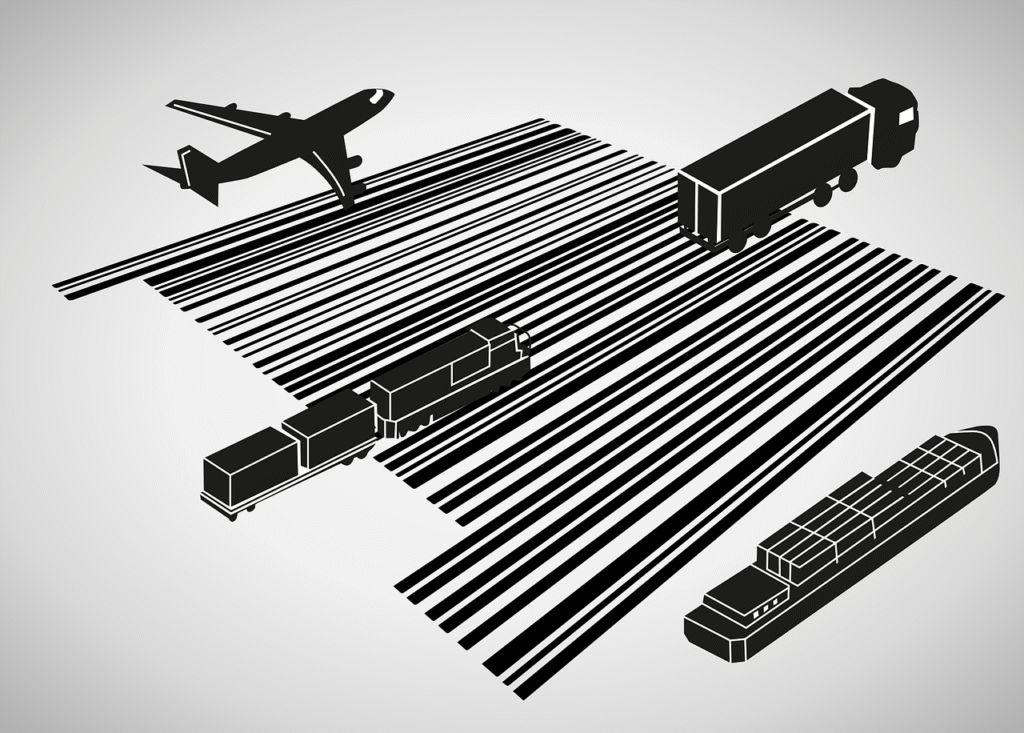
Barcode technology has emerged as a vital component in contemporary business practices, revolutionizing the way products are tracked, managed, and sold. Originally developed in the early 1950s, barcodes were designed to facilitate automatic product identification, which has since enabled businesses to significantly enhance their operational efficiency. The initial concept of barcodes involved simple linear patterns that were used primarily in the retail sector. However, as technology has advanced, the application of barcode systems has expanded across various industries.
Today, we encounter different types of barcodes, which can generally be categorized into two primary classifications: 1D (one-dimensional) and 2D (two-dimensional) barcodes. 1D barcodes, such as the familiar Universal Product Code (UPC), are composed of a series of vertical lines and spaces, representing data in a linear format. On the other hand, 2D barcodes, like QR codes, are capable of encoding a more significant amount of information in a compact square format. This increased data capacity has made 2D barcodes particularly popular in sectors such as marketing and healthcare, where detailed information about products or services may be required swiftly and efficiently.
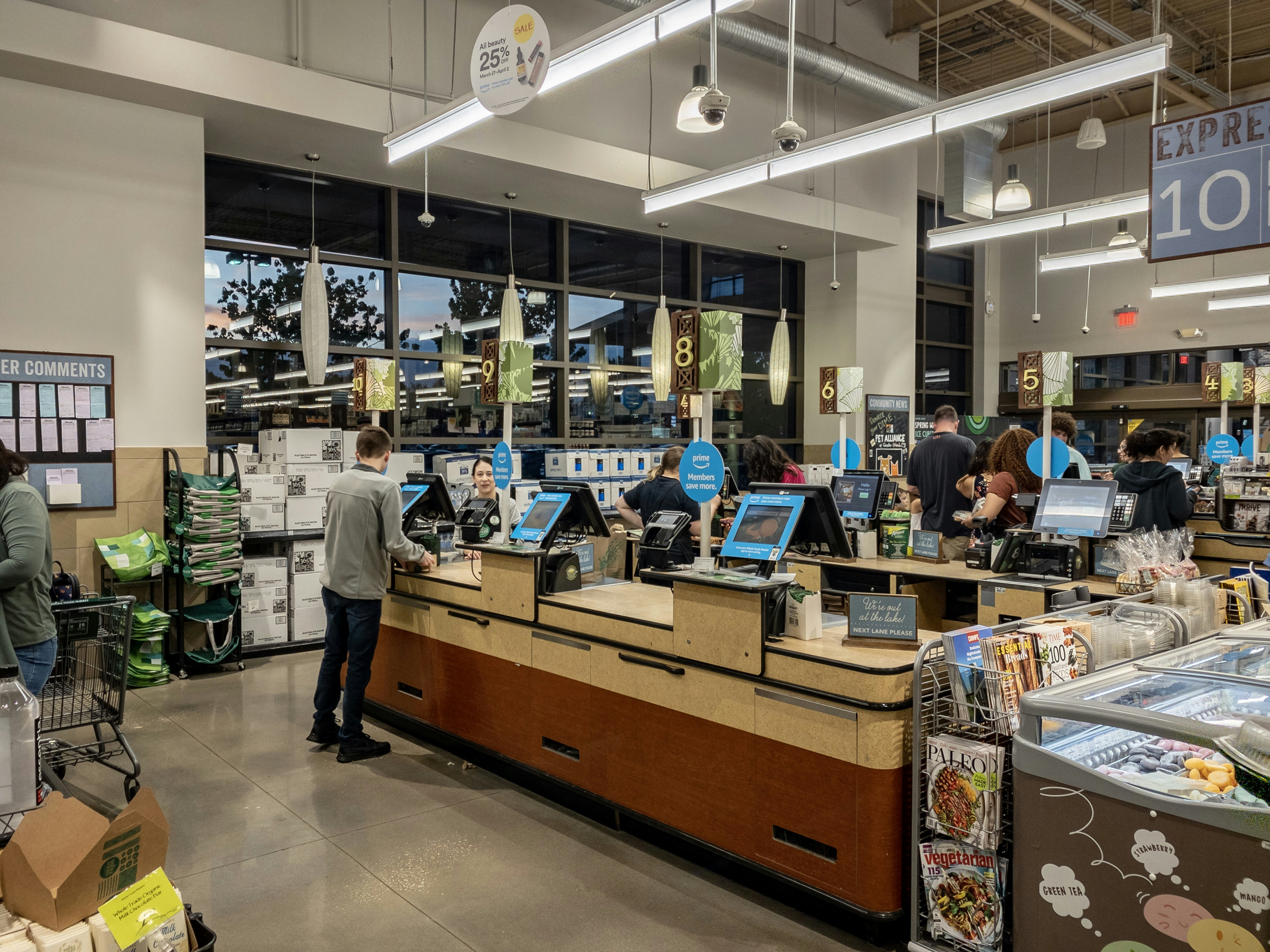
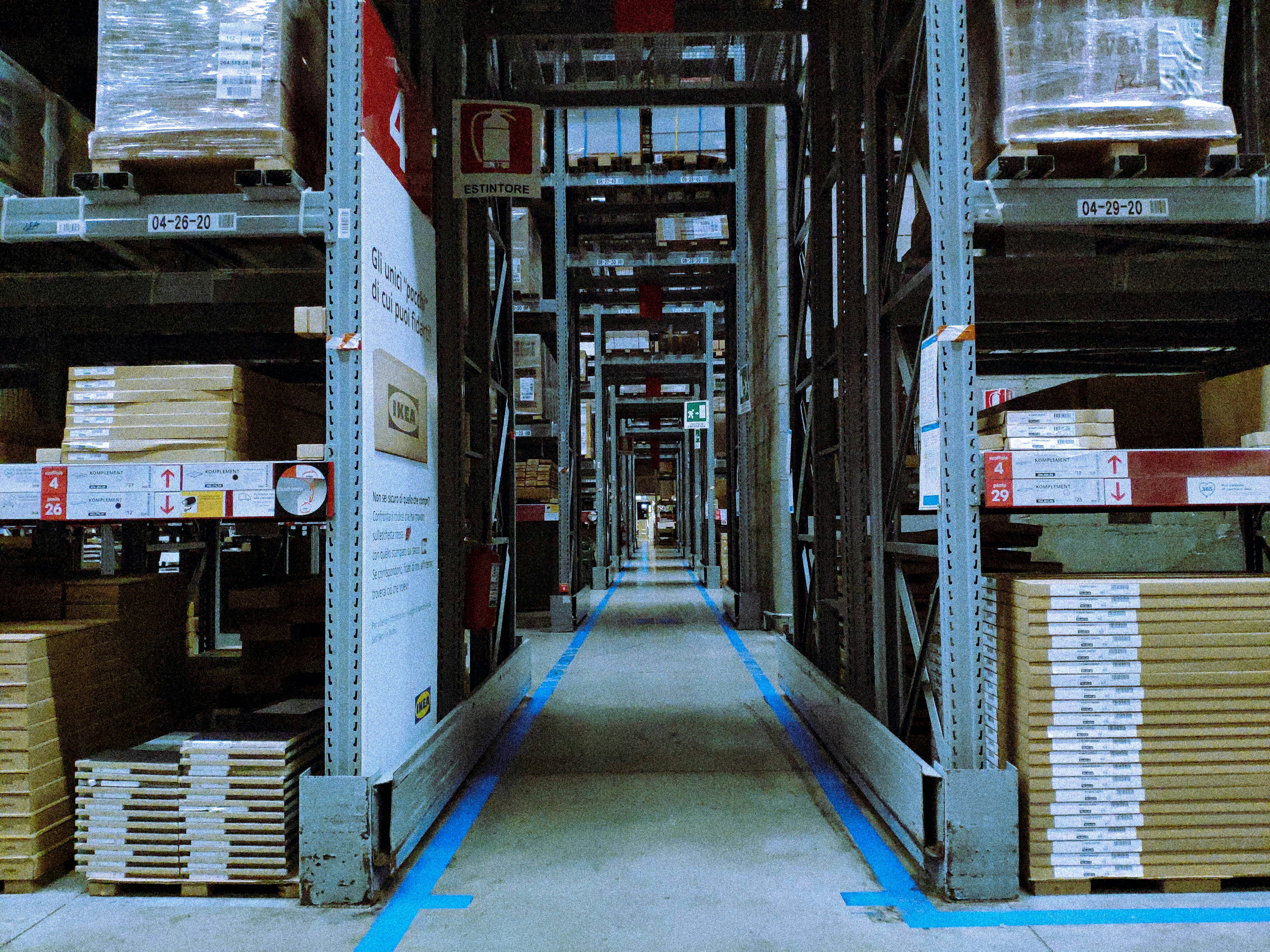
The role of barcode technology is particularly pronounced in industries such as retail, logistics, and healthcare, where the need for accurate inventory management, tracking, and reporting is paramount. In retail, for instance, barcodes facilitate quick transactions and provide comprehensive insights about sales patterns. In the logistics sector, they ensure the meticulous tracking of shipments and inventory levels, thus minimizing human error. Furthermore, healthcare applications of barcode technology support improved patient safety and medication management by enabling healthcare professionals to verify patient identities and prescribed medications efficiently. As such, the ongoing development of barcode technology remains instrumental in enhancing operational productivity across various domains.
Current Trends in Barcode Technology
Barcode technology continues to evolve rapidly, with several trends emerging that are reshaping its applications across various industries. One of the most notable trends is the increasing use of QR codes, which have gained significant popularity in retail, advertising, and event management. Their ability to store extensive information and direct users to websites or applications makes them highly efficient for businesses seeking to engage consumers. With the advent of smartphones equipped with high-resolution cameras, scanning QR codes has become more accessible than ever, allowing businesses to facilitate contactless interactions and streamline operations.
Another innovative trend is the rise of augmented reality (AR) barcodes. These advanced barcodes can link users to interactive digital experiences, enhancing product engagement. For instance, consumers can scan an AR barcode on a product packaging to access immersive content, such as product demonstrations or promotional videos. This integration of AR technology with barcode systems exemplifies how businesses leverage interactive elements to deepen consumer connections and provide added value.
The integration of barcode technology with mobile platforms and smart devices is also transforming user interaction. The proliferation of mobile applications capable of scanning barcodes has led to significant changes in consumer behavior, especially in purchasing decisions. Consumers are increasingly inclined to perform instant product comparisons and access detailed information on items they consider buying. This trend not only empowers consumers but also compels businesses to enhance their product labeling strategies to create a more informed customer base.
Furthermore, advancements in cloud technology are facilitating real-time data integration and management, allowing businesses to monitor inventory levels and sales trends effectively. This capability enhances supply chain efficiency and fosters informed decision-making. As businesses adapt to these emerging trends in barcode technology, they will likely experience improvements in operational efficiency, customer satisfaction, and competitive advantage.
The Impact of RFID and NFC Technologies
Radio Frequency Identification (RFID) and Near Field Communication (NFC) technologies represent advanced alternatives to traditional barcode systems, significantly enhancing tracking and data management capabilities across various sectors. RFID employs radio waves to automatically identify and track tags attached to objects, offering advantages such as longer read ranges and the ability to read multiple tags simultaneously. This capability makes RFID particularly valuable in environments where quick inventories and real-time data are crucial, such as in retail and logistics.
One notable impact of RFID technology is its role in optimizing supply chain efficiencies. By enabling the automated tracking of goods, companies can maintain a more accurate and streamlined inventory management system. RFID chips can provide detailed information on item location, quantity, and even status, reducing errors that often accompany manual barcode scanning. This leads to improved visibility throughout the supply chain, allowing businesses to respond swiftly to changes in demand or unexpected disruptions.
NFC, a subset of RFID technology, facilitates secure data exchange between devices over short distances. It is widely used in mobile payment systems and access control. The functionality offered by NFC can complement traditional barcodes by allowing consumers to engage with products, brands, or services directly through their smartphones. For instance, a customer can receive detailed product information, promotional offers, or authentication of goods by simply tapping their device against an NFC-enabled product tag. This interactivity enhances customer experience and contributes to more informed purchase decisions.
As RFID and NFC technologies continue to evolve, their integration with Internet of Things (IoT) solutions will further amplify their impact. The synergy between these technologies not only boosts operational efficiencies but also opens new avenues for data analytics, ultimately contributing positively to various industries. By embracing RFID and NFC, businesses can cultivate a more agile, responsive, and customer-focused operational framework.
Advancements in Smartphone Scanning Capabilities
The rapid evolution of smartphone technology has had a profound impact on barcode scanning capabilities. Modern smartphones are equipped with high-resolution cameras and advanced imaging technologies that have transformed the way consumers interact with barcodes. This advancement has led to a significant democratization of access to barcode reading, as individuals are no longer reliant on dedicated scanning devices. With a simple smartphone application, users can easily scan barcodes, allowing them instant access to information about products, services, and promotions.
In recent years, software developments have further enhanced the functionality of barcode scanning applications. These applications utilize sophisticated algorithms that not only recognize standard barcode formats but also interpret complex data embedded in them. This has made it easier for consumers to manage inventory, compare prices, and uncover product details through seamless interactions with their devices. Many of these applications also offer additional features, such as price comparison and product reviews, which enrich the user experience and empower informed purchasing decisions.
The integration of augmented reality (AR) with barcode scanning applications has introduced a new dimension of product engagement. Some applications allow users to scan a barcode to trigger AR experiences that provide deeper insights into the product or service, fostering a more immersive and informative interaction. As smartphone manufacturers continue to innovate by implementing enhanced camera sensors and machine learning capabilities, the accuracy and speed of barcode scanning are expected to improve further. These advancements not only benefit consumers but also provide businesses with valuable data insights, allowing them to tailor marketing strategies and optimize inventory management.
Overall, the strides made in smartphone scanning capabilities signify a shift towards more accessible and efficient barcode interactions. As technology continues to evolve, it is anticipated that these tools will grow increasingly powerful, changing the landscape of consumer engagement and operational efficiencies in various industries.
Challenges Facing Barcode Adoption
The adoption of barcode technology has witnessed significant growth in various sectors, yet certain challenges persist, particularly in developing regions. One of the foremost issues is the compatibility with legacy systems. Many businesses in these regions rely on outdated technologies that are not designed to interface with modern barcode systems. The integration of new barcode readers and inventory management systems often necessitates substantial investment in both hardware and software, which may not be financially viable for small and medium enterprises.
Another challenge is the need for standardization. While barcode technology is based on various standards, the lack of a unified framework can lead to fragmentation and interoperability issues. Different industries may adopt divergent barcode formats, which complicates scanning, data collection, and inventory management. Without consistent standards, entities may struggle to share data seamlessly, hindering operational efficiency and productivity.
Moreover, security concerns surrounding data capture and privacy cannot be overlooked. As barcodes increasingly store crucial information, the potential for data breaches escalates. Developing regions often lack the robust cybersecurity measures found in more advanced markets, exposing companies to risks related to unauthorized access and data manipulation. Consequently, organizations may hesitate to implement barcode systems, particularly if they are unsure of the protective measures in place against cybersecurity threats.
The ramifications of these challenges extend beyond immediate operational concerns. They could stifle innovation and impede overall economic growth in regions that are otherwise positioned to benefit from advancements in barcode technology.
The Future Prospects of Barcode Technology
As we look into the future of barcode technology, it becomes apparent that innovation will drive significant advancements in this domain. One promising direction is the enhancement of security features within barcode systems. Traditional barcode formats have been susceptible to counterfeiting and unauthorized access. Future iterations may incorporate encrypted barcodes, which utilize advanced algorithms to safeguard data integrity. This evolution will be crucial for industries dealing with sensitive information, such as pharmaceuticals and high-value goods.
Another area worth exploring is the integration of blockchain technology alongside barcodes. By harnessing blockchain’s decentralized nature, companies can create a transparent and secure supply chain ecosystem. Each scan of a barcode can authenticate the product’s journey from origin to consumer via an immutable ledger. This level of traceability will not only bolster consumer trust but also streamline recalls and reduce fraud. As businesses continue to adopt these novel technologies, the synergy between barcodes and blockchain is anticipated to become more prevalent.
Moreover, the emergence of biometric scanning as a potential alternative to traditional barcodes should not be overlooked. With advancements in biometric technology, systems that utilize fingerprints, facial recognition, or iris scans may eventually replace the conventional barcode. This transition could enhance user convenience and security while also providing personalized experiences. Such innovations represent a paradigm shift in how products are identified and tracked, highlighting the need for adaptable infrastructure capable of accommodating these transformational changes.
In summarizing these future prospects, barcode technology stands at the cusp of remarkable transformations. Enhanced security features, integration with blockchain, and the potential for biometric alternatives indicate an exciting trajectory for barcode solutions. As these technologies converge, the implications for businesses and consumers alike are profound, paving the way for a more secure and efficient future.
Use Cases of Emerging Barcode Technologies
The advent of advanced barcode technologies has transformed various sectors, showcasing their potential to improve operational efficiency, enhance user experience, and guarantee product authenticity. In e-commerce, for instance, modern barcode systems, such as QR codes and dynamic barcodes, are increasingly utilized to provide customers with additional information about products. These codes allow consumers to access instant data regarding specifications, instructions, and promotional offers by simply scanning the barcode with their mobile devices. This integration not only streamlines the shopping experience but also empowers businesses to build a deeper connection with their clientele through personalized interactions.
In the food safety industry, emerging barcode technologies play a crucial role in tracking products from farm to table. With the implementation of blockchain-compatible barcodes, companies can ensure a transparent supply chain, allowing consumers to verify the source and quality of their food. This traceability is paramount to combating foodborne illnesses and enhancing consumer trust. Retailers are increasingly adopting these sophisticated barcode systems to manage inventory effectively, reducing waste and ensuring that products are fresh and safe for consumption.
Healthcare is another field witnessing the profound impact of innovative barcode technology. Hospitals and clinics are deploying barcode scanning systems to manage patient records, medication administration, and asset tracking. Utilizing unique identifying barcodes on medications helps to minimize errors during administration, ensuring that patients receive the correct dosages. Furthermore, barcodes facilitate efficient tracking of medical equipment, reducing the likelihood of loss or misplacement, which can be critical in emergency situations.
Overall, the incorporation of emerging barcode technologies across diverse sectors demonstrates a significant shift towards efficiency and heightened consumer engagement. As these technologies continue to evolve, their applications are expected to expand, paving the way for novel solutions that address the increasingly complex demands of modern commerce and service delivery.
The Role of Artificial Intelligence in Barcode Management
Artificial Intelligence (AI) is markedly transforming various sectors, including logistics and inventory management. In the realm of barcode technology, AI plays a pivotal role in enhancing the efficacy of barcode management systems. Traditionally, barcode scanning primarily focused on data collection; however, the infusion of AI allows for more sophisticated data processing and analysis capabilities.
One of the prominent advantages of integrating AI with barcode systems is the enhancement of data processing speeds. AI algorithms can analyze vast amounts of data generated through barcode scanning with remarkable efficiency. This real-time data processing not only reduces human error but also accelerates inventory management processes. Businesses can effortlessly track inventory levels, product movements, and sales patterns, resulting in streamlined operations.
Moreover, AI significantly improves inventory forecasting. By leveraging historical data and current market trends, AI-driven barcode management systems can predict future inventory needs with high accuracy. This foresight allows companies to maintain optimal stock levels, minimizing excess inventory and reducing costs associated with storage. Predictive analytics, powered by AI, offers businesses the capability to make informed decisions regarding reordering and supply chain management.
Additionally, the integration of AI with barcode technology can enhance supply chain operations comprehensively. By analyzing patterns and behaviors, businesses can identify bottlenecks in their supply chain, leading to increased efficiency and reduced delivery times. The ability to implement corrective measures proactively allows organizations to enhance customer satisfaction through improved service levels. As AI continues to evolve, its role in barcode management is expected to expand, bringing further innovations that will reshape inventory and supply chain processes.
Conclusion: Embracing the Future of Barcode Technology
As we have explored throughout this discussion, the evolution of barcode technology is significant and continually progressing. The transition from traditional barcodes to more complex systems such as QR codes, NFC tags, and 2D barcodes has transformed the way businesses and consumers interact with products. These innovations not only enhance data accessibility but also improve operational efficiencies, reduce costs, and promote engagement in an ever-digitizing marketplace.
The advancements we have seen in barcode technology, including increased scanning speeds and improved error correction, reflect a broader trend towards greater accuracy and efficiency in supply chain management. Moreover, the integration of barcode technology with mobile devices has empowered consumers to access product information instantly, revolutionizing shopping experiences. As a result, businesses must remain vigilant and adapt to these trends. This adaptation not only ensures competitiveness but also enhances customer satisfaction through improved service delivery.
Furthermore, the surge in e-commerce has intensified the necessity for robust barcode solutions, enabling streamlined inventory management and facilitating seamless transitions between physical and digital marketplaces. Companies are urged to keep pace with these changes to leverage the full potential of barcode innovations. By embracing emerging standards and technologies, businesses can cater to evolving consumer demands while addressing complexities in logistics and inventory tracking.
In summary, the future of barcode technology presents a wealth of opportunities for both businesses and consumers. The integration of innovative barcode solutions is not merely a trend; it signifies a critical shift towards greater efficiency and engagement. As we navigate through an increasingly digital landscape, staying attuned to advancements in this field will be essential for success. Embracing these innovations will undoubtedly lead to improved operational efficacy and enhanced consumer experiences in the years to come.
© barcodly.com- All rights reserved