
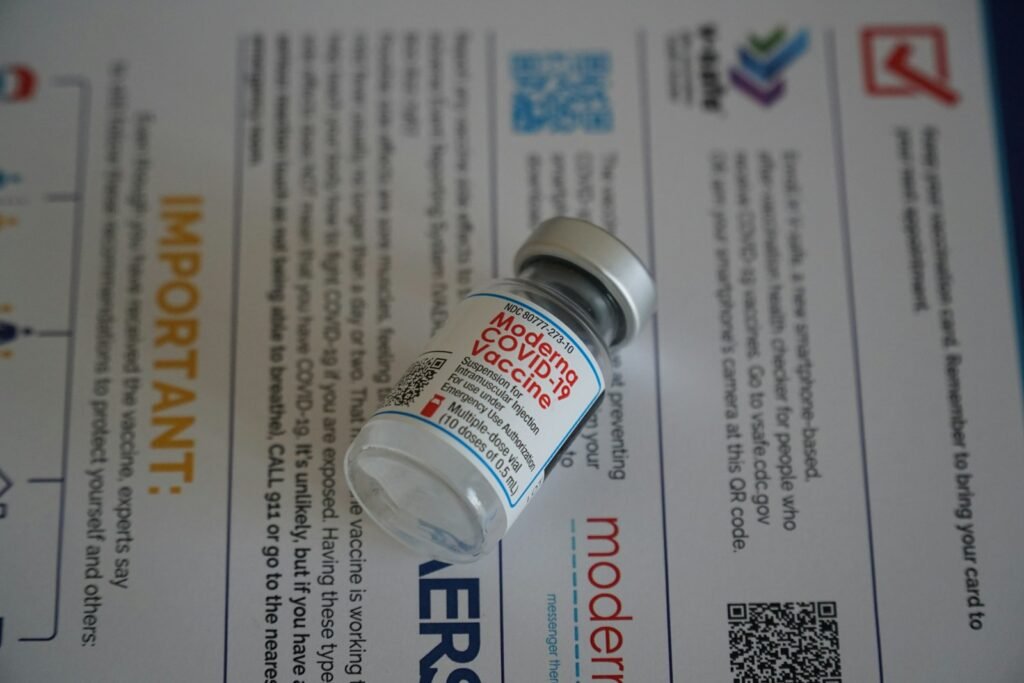
Introduction to Barcodes in Pharmaceuticals
Barcodes have become an integral part of the pharmaceutical industry, playing a critical role in ensuring the safety and efficiency of prescription drugs. These graphical representations of data enable quick and accurate identification, tracking, and management of medication throughout the supply chain. Modern barcodes consist of varying patterns of black and white bars, which can be scanned to retrieve information concerning the specific medication, including its name, dosage, and expiration date.
There are primarily two types of barcodes used in the pharmaceutical sector: one-dimensional (1D) and two-dimensional (2D) barcodes. 1D barcodes are the more traditional form, featuring vertical lines that represent data horizontally. Their simplicity makes them widely used; however, they are limited in the amount of data they can encode. On the other hand, 2D barcodes, such as QR codes or Data Matrix codes, can store significantly more information due to their two-dimensional format, which allows for the incorporation of additional details like batch numbers and manufacturer information.
The technology behind barcodes relies on scanning devices that can read the specified patterns and translate them into readable text. When a barcode is scanned, it quickly references a database that contains all pertinent information about the drug, streamlining processes for healthcare providers and pharmacists. This swift accessibility to information reduces errors and enhances the overall efficiency of medication dispensing. Moreover, with the increasing complexity of drug therapies and the rise in counterfeit medications, barcodes serve as a crucial defensive measure, assisting in the verification of authenticity and ensuring patient safety.
The Role of Barcodes in Patient Safety
The implementation of barcodes in the pharmaceutical sector has emerged as a vital component in enhancing patient safety. By incorporating barcode technology into the medication administration process, healthcare providers can significantly diminish the occurrence of medication errors. These errors, which can include administering the wrong drug or incorrect dosage, pose serious threats to patient health. Barcodes serve as a reliable means of ensuring that the right medication reaches the right patient at the right time.
At the core of this safety mechanism lies the ability of barcodes to facilitate accurate drug identification. Each medication is assigned a unique barcode that corresponds to its specific information, including the drug name, dosage, and expiration date. When healthcare professionals scan the barcode on a prescription, they gain instant access to comprehensive details about the medication. This immediate validation effectively reduces the likelihood of human error, as the system alerts staff to any discrepancies between the prescribed medication and what is actually being administered.
Moreover, barcodes play a crucial role in the tracking and tracing of prescriptions as they move through various points in the healthcare continuum. From the pharmacy to the patient’s bedside, each step can be monitored and documented, ensuring that any interruptions in the supply chain do not compromise patient safety. This traceability allows for quick identification and resolution of issues, such as recalls or adverse drug interactions. As a result, healthcare providers are better equipped to make informed decisions and respond to potential risks effectively.
Additionally, the integration of barcode systems into electronic health records (EHR) further enhances patient safety. By linking medication barcodes to patient profiles, healthcare providers can ensure seamless communication across different departments, minimizing the risk of conflicting information. Thus, barcodes stand as a cornerstone for advancing safety protocols within the healthcare system, ultimately improving the overall efficacy of medication management.
Efficiency in Prescription Management
Barcodes play a crucial role in enhancing the efficiency of prescription management within healthcare systems. By enabling accurate and rapid identification of prescription medications, barcodes significantly streamline the overall prescription filling process. When pharmacists and healthcare professionals utilize barcodes, they can quickly scan a patient’s prescription against their medication, ensuring that the correct drugs are being dispensed. This automation minimizes the risks of human error that might occur during manual entry, leading to improved patient safety and satisfaction.
Moreover, the implementation of barcodes facilitates improved inventory management for pharmacies. With barcode technology, any medication-related transaction—whether it’s receiving new stock, dispensing medications, or tracking expired products—is automatically logged into the pharmacy’s management system. This real-time tracking allows healthcare providers to maintain optimal inventory levels, effectively reducing the incidence of stockouts and overstocking situations. As a result, pharmacies can ensure that they always have the necessary medications on hand, which is vital for meeting patient needs promptly.
In addition to enhancing operational efficiency within pharmacies, barcodes also aid healthcare providers in managing patient records. When barcodes are integrated into electronic health record (EHR) systems, healthcare professionals can quickly retrieve pertinent patient information, including medication history and allergies, by simply scanning a barcode. This integration ensures that accurate patient data is available, allowing for informed clinical decisions and reducing the likelihood of adverse drug interactions. The efficiency brought about by barcode systems ultimately contributes to a more organized and streamlined healthcare environment, benefiting both providers and patients alike.
Regulatory Standards and Barcoding
The landscape of pharmaceutical safety is profoundly influenced by adherence to regulatory standards concerning barcoding on prescription drugs. The Food and Drug Administration (FDA) holds the authority to establish regulations that govern the use of barcodes, ensuring that prescription medications are traceable from manufacturer to consumer. A significant regulation is the Drug Supply Chain Security Act (DSCSA), which mandates that prescription drug packages include a standardized numerical identifier that is scannable via barcodes. This requirement enhances the capability to track, trace, and verify the movement of medications throughout the supply chain.
Compliance with these barcoding standards is not merely a matter of following regulations; it is essential for protecting public health. By adopting barcoding, pharmaceutical companies can significantly reduce the risk of medication errors, which can have dire consequences for patients. Implementing these technologies provides clarity and accuracy during medication dispensing, helping healthcare providers to verify that the correct drug is being provided to the patient. Additionally, barcoding facilitates a more efficient inventory management system, leading to better tracking of medications and reduced wastage.
Failure to comply with the FDA’s barcoding requirements can lead to severe repercussions for pharmaceutical companies. Non-compliance may result in costly penalties, product recalls, and damage to a company’s reputation. Moreover, a lack of adherence to established standards could increase the risk of counterfeit medications infiltrating the supply chain, potentially endangering patients’ lives. Therefore, it is crucial for pharmaceutical manufacturers to maintain rigorous compliance protocols with barcoding regulations to safeguard patient safety and uphold industry integrity.
Challenges and Limitations of Barcoding Systems
The integration of barcoding systems within healthcare, especially concerning prescription drugs, presents a series of challenges and limitations that can hinder effective implementation. One prominent challenge is the seamless integration of barcoding technology with existing healthcare systems. Many institutions utilize legacy systems that may not easily accommodate new barcoding software. This lack of interoperability can lead to data silos, complicating medication management and potentially compromising patient safety.
Staff training is another critical hurdle. Healthcare professionals must be thoroughly educated on how to utilize barcoding systems effectively. This can include understanding how to scan barcodes accurately, troubleshoot scanning devices, and interpret the data collected. The time and resources required for comprehensive training can be substantial and may divert attention from patient care during initial implementation phases. Moreover, ongoing training is essential to keep pace with technology updates and system changes.
The financial aspect of barcoding systems also poses significant challenges. The costs associated with acquiring the necessary hardware and software, as well as ongoing maintenance and updates, can be prohibitive, particularly for smaller healthcare facilities. Financial constraints may limit the ability of some organizations to invest in robust barcoding technology, resulting in uneven implementation across the healthcare landscape. Furthermore, there are potential technical failures associated with barcoding systems that could disrupt operations unexpectedly. Glitches in scanning devices or issues with database connectivity could lead to delays in medication dispensing, impacting patient care and safety.
These challenges underscore the complexity of implementing barcoding systems effectively in the healthcare sector. It is essential that these barriers are addressed to enhance the safety and efficiency of prescription drug management through barcoding technology.
Technological Advancements in Barcoding
The pharmaceutical industry has witnessed significant advancements in barcoding technologies, which have played a crucial role in enhancing drug tracking and management. Among these innovations, two-dimensional (2D) barcodes and Radio Frequency Identification (RFID) technology have emerged as pivotal tools in ensuring the safety and efficiency of prescription drugs.
2D barcodes, unlike traditional linear barcodes, can store a substantial amount of information in a compact format. This capability allows for the encoding of critical details such as drug name, dosage, expiration date, and batch number, all within a single code. The adoption of 2D barcodes not only increases the amount of data that can be quickly accessed but also enhances the speed and accuracy of drug dispensing. This technological shift results in reduced errors during the medication administration process, ensuring that patients receive the correct prescriptions promptly.
RFID technology further elevates the capabilities of drug tracking systems. RFID tags can be attached to prescription drug packaging, enabling real-time tracking of pharmaceuticals throughout the supply chain. This technology allows for automatic scanning and identification of products without the need for a direct line of sight, streamlining inventory management and reducing the risk of human error. Furthermore, RFID systems help in monitoring the conditions under which drugs are stored and transported, ensuring compliance with safety regulations and maintaining the integrity of the products.
As these innovations continue to evolve, they are anticipated to greatly enhance the pharmaceutical industry’s operational efficiency. The integration of advanced barcoding solutions not only supports better inventory management but also promotes transparency and traceability in drug distribution. Ultimately, the advancements in barcoding technologies contribute significantly to the overall safety of prescription drugs, reinforcing their critical role in patient care.
Case Studies: Successful Implementation of Barcodes
The implementation of barcode systems in healthcare settings has shown significant improvements in patient safety and operational efficiencies. Numerous case studies illustrate how barcoding technology has transformed operations in hospitals and pharmacies. For instance, a study conducted at a major urban hospital revealed that following the adoption of a barcode medication administration (BCMA) system, medication errors decreased by 50%. This substantial reduction was attributed to the accurate verification of medications at the point of administration, allowing healthcare professionals to confirm that patients received the right drug, in the correct dosage, and at the appropriate time.
Another notable case study is that of a community pharmacy that integrated barcode scanning into its dispensing process. This system enabled pharmacists to verify prescriptions against the patient’s records before dispensing, leading to increased accuracy and a decrease in incidents of incorrect medications. The pharmacy reported over a 30% improvement in operational efficiencies, as the barcoding process streamlined the workflow, allowing staff to spend more time on patient care rather than manual checks.
The addition of barcode systems in these facilities not only enhanced safety but also improved inventory management. For example, a prominent hospital implemented a barcode tracking system for its medication inventory, which helped identify discrepancies in medication levels and allowed for real-time tracking of both expired and non-expired items. This led to better stock management and reduced waste by enabling timely replenishment of essential drugs.
Overall, the evidence from these case studies underscores the effectiveness of barcode technology in improving patient outcomes and operational efficiencies. By ensuring accuracy in medication administration and tracking, healthcare providers can enhance the overall quality of care delivered to patients while minimizing potential risks associated with medication errors.
Future Trends in Barcoding for Prescription Drugs
The pharmaceutical industry is on the brink of a transformative evolution in barcoding technology, with several emerging trends promising to significantly enhance both safety and efficiency in prescription drug management. Notably, the integration of artificial intelligence (AI) and machine learning (ML) stands out as a pivotal advancement that could reshape the efficacy of barcoding systems.
AI and ML technologies are set to improve the accuracy of drug dispensing through enhanced data analytics. By analyzing large datasets related to drug inventory, patient records, and even historical prescription patterns, these technologies can identify potential discrepancies or errors before they affect patient care. For instance, machine learning algorithms could predict medication shortages or suggest optimal ordering patterns based on historical consumption data, thus streamlining inventory processes and reducing wastage.
Additionally, the incorporation of mobile technologies and smart devices into barcoding systems will further facilitate real-time monitoring. Pharmacists and healthcare providers could utilize smartphones or tablets equipped with advanced scanning applications to instantly verify medication integrity and patient information at the point of care. This instant access to data will minimize the risk of errors associated with manual entries and enhance overall safety for patients receiving prescription drugs.
Blockchain technology is another promising development that may enhance traceability in the pharmaceutical supply chain. By providing a secure and immutable record of drug transactions from manufacturing to dispensing, blockchain can ensure that prescription drugs are authentic, thereby helping to combat counterfeit medications. The ability to quickly access accurate information about a drug’s journey through the supply chain will bolster the effectiveness of barcoding systems, ensuring that the right drugs reach the right patients.
Overall, as the pharmaceutical industry adopts these advanced technologies, the role of barcoding in prescription drugs is likely to evolve, becoming an indispensable tool in promoting patient safety and operational efficiency.
Conclusion: The Crucial Role of Barcodes in Modern Healthcare
In the ever-evolving landscape of modern healthcare, the role of barcodes on prescription drugs emerges as a critical element in enhancing both safety and efficiency. Throughout this discussion, we have explored how barcodes serve as a pivotal tool in reducing medication errors—an issue that plagues many healthcare environments and can have serious ramifications for patient safety. By embedding unique identifiers in prescription medications, barcodes provide a robust mechanism for tracking and verifying the accuracy of drug administration, thereby mitigating the risks associated with human error.
Additionally, the implementation of barcode technology leads to significant improvements in inventory management and medication dispensing processes. Pharmacies can streamline operations, ultimately resulting in reduced costs and improved service delivery. The systematic approach afforded by barcodes allows healthcare providers to ensure compliance with regulatory standards, enhancing the integrity of pharmaceutical practices. This adherence not only safeguards patients but also builds public trust in the healthcare system as a whole.
As technology continues to advance, the adoption of more sophisticated barcode systems holds the potential to further transform the pharmaceutical landscape. Future innovations may encompass integration with digital health records and real-time tracking systems, thus creating a more seamless experience for both healthcare providers and patients. Nonetheless, the continuous improvement of barcode effectiveness hinges on the ongoing commitment of stakeholders across the industry. From manufacturers to pharmacies, collaborative efforts are essential in harnessing this technology’s full potential to safeguard public health.
In conclusion, the relevance of barcodes in the pharmaceutical sector cannot be overstated. They represent a cornerstone in our pursuit of safety, efficiency, and accountability, and they remain an enduring imperative as we advance into an increasingly complex healthcare ecosystem.
© barcodly.com- All rights reserved