Introduction to Barcode Printing
Barcode printing has emerged as a critical component in various business sectors, facilitating efficient operations through automated identification and tracking systems. By generating a series of parallel lines or a unique numerical code, barcode printers enable quick data capture and improve the overall workflow within an organization. The significance of barcode printing lies in its ability to streamline processes such as inventory management, shipping, and sales, ultimately contributing to enhanced productivity.
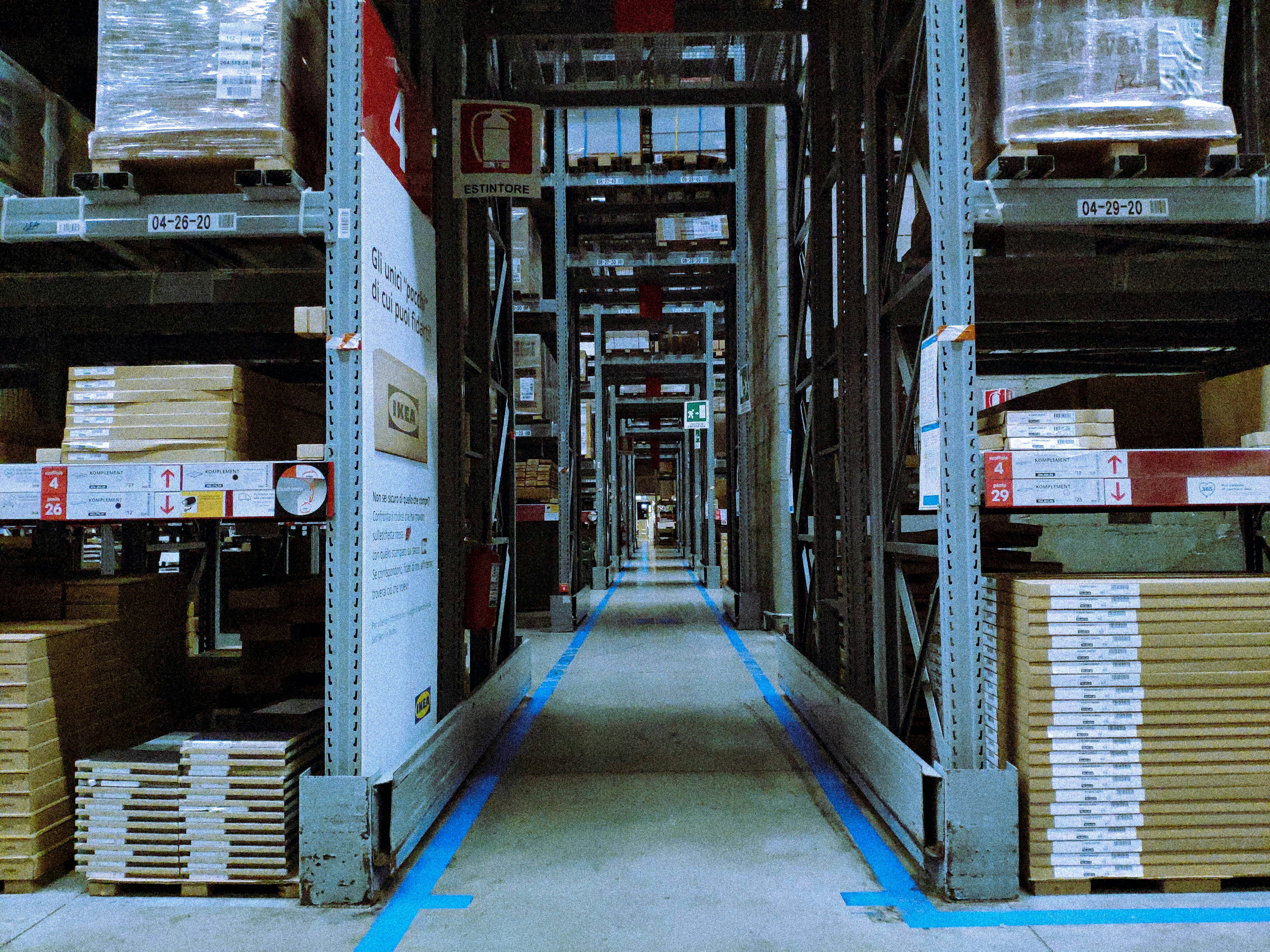
In inventory management, barcode printers help businesses maintain accurate stock levels by associating specific barcodes with individual products. When received or sold, products can be quickly scanned, ensuring that inventory counts are precise and up-to-date. This capability reduces the likelihood of human error, mitigates losses due to stock discrepancies, and supports just-in-time inventory practices, which are essential in today’s fast-paced commercial environment.
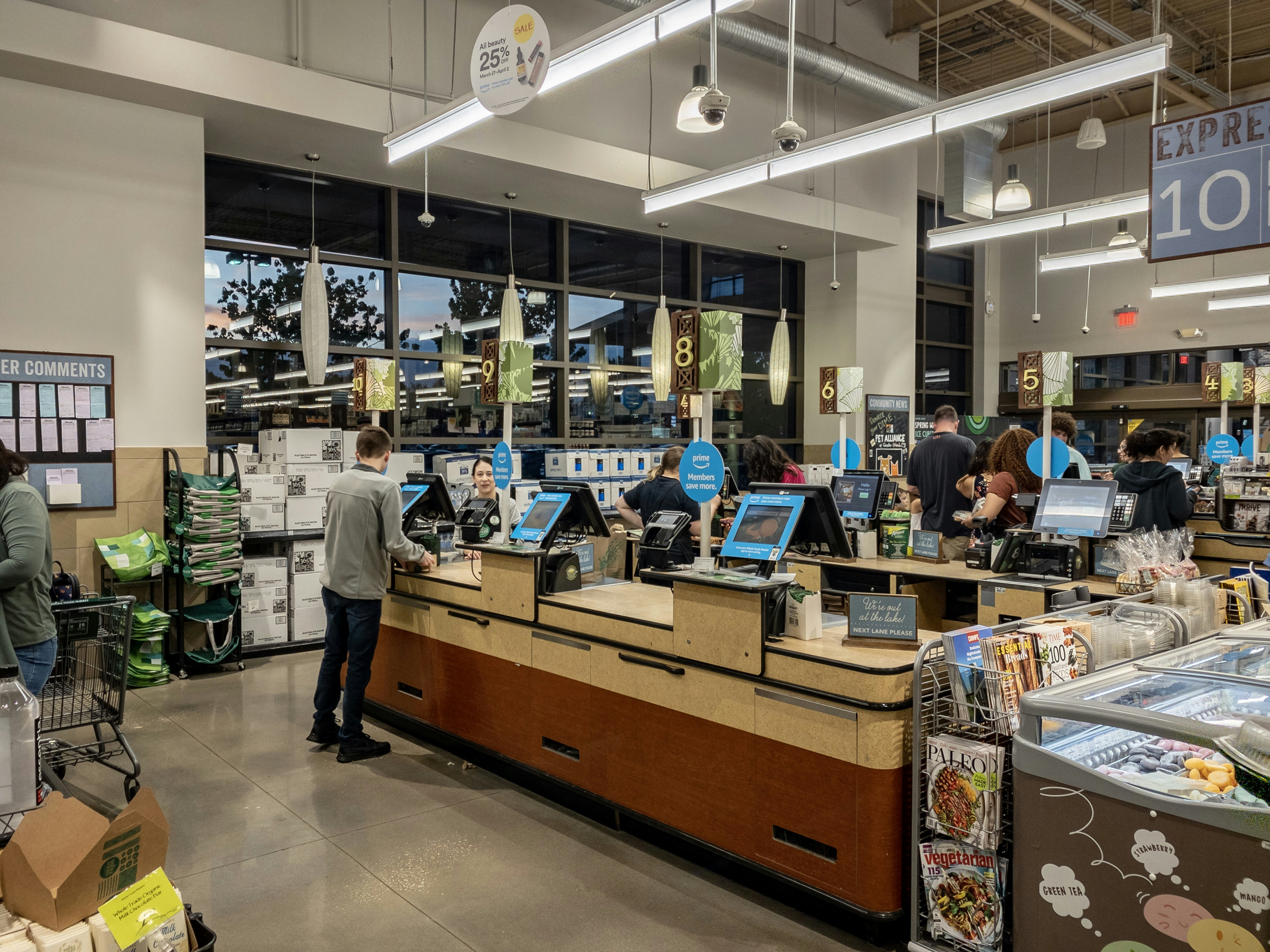
In the shipping industry, barcode labels play a pivotal role in optimizing logistics and transportation processes. By easily scanning barcodes on packages, companies can track shipments in real time, monitor their movement, and ensure timely delivery. Furthermore, the adoption of barcode printing technologies has positively impacted the retail sector, where it facilitates streamlined checkout experiences and assists in managing pricing and promotions effectively.
Technological advancements have significantly transformed the landscape of barcode printing. Modern barcode printers are equipped with improved resolution, faster printing speeds, and enhanced connectivity options, including wireless capabilities. Such features ensure that businesses can adapt to their specific needs and maintain competitiveness in their respective markets. As the reliance on quick and accurate data management continues to rise, embracing barcode printing becomes more crucial for companies looking to optimize their operations and drive growth.
Criteria for Selecting a Barcode Printer
Selecting an appropriate barcode printer for your business in 2025 requires a careful assessment of several key factors. First and foremost, print speed is crucial, especially for businesses that require high-volume label printing. A printer’s speed, measured in inches per second (IPS), directly impacts productivity, ensuring efficient operations during peak periods.
Next, resolution plays an essential role in the quality of printed barcodes. Higher resolutions, typically measured in dots per inch (DPI), result in clearer and more readable barcodes, which are vital for scanning accuracy. Businesses should consider their specific needs, particularly if they produce small labels or detailed graphics that require higher fidelity in printing.
Connectivity options are another significant criterion. In a rapidly evolving technological landscape, support for various interfaces such as USB, Ethernet, and wireless protocols like Wi-Fi and Bluetooth is important. This ensures compatibility with existing systems and enhances operational flexibility, allowing for integration into a range of working environments, such as warehouses, retail settings, or mobile operations.
The ease of use of a barcode printer cannot be overlooked. A user-friendly interface simplifies the setup process and minimizes training time for employees. Furthermore, manufacturers that provide intuitive software solutions can greatly enhance labeling processes and contribute to efficiency.
Durability is also a critical aspect, particularly for industries with demanding environments. A robust printer that can withstand the rigors of daily operations, including exposure to dust or moisture, is essential for reducing long-term costs related to maintenance and repairs.
Finally, cost-effectiveness must be carefully evaluated. While the initial investment may be substantial, the total cost of ownership—including maintenance, supplies, and potential downtime—should guide businesses in making informed decisions that align with their budgetary constraints and printing needs. Overall, assessing these factors in relation to your business’s specific requirements will lead to a more strategic selection of a barcode printer for your operations in 2025.
Overview of the Top 5 Barcode Printers
As businesses continue embracing automated solutions for inventory management, the significance of reliable barcode printers cannot be overstated. In 2025, several new models have emerged as contenders for the best barcode printers, each boasting distinct features that cater to varying business needs. This overview will present the top five barcode printers of 2025, helping businesses understand which device might be the most suitable for their operational requirements.
The Zebra ZD621 stands out as an exceptional choice for healthcare facilities and retail environments. This printer is renowned for its quick printing speeds, reliable connectivity options, and advanced security features, which are essential for highly regulated sectors. Users benefit from its intuitive touchscreen interface and compact design, facilitating efficiency and ease of use.
Next is the TSC DA210, which has garnered attention for its affordability without compromising quality. Ideal for small to medium-sized businesses, this thermal transfer printer is equipped with 203 DPI resolution and has a commendable printing speed. The DA210 is an excellent option for companies looking to produce quality labels on a budget.
For industrial applications, the <strong-brother ql-820nwb emerges as a reliable pick. It features a robust build, designed to withstand tough conditions, alongside compatibility with high-volume printing scenarios. The versatility in connectivity, including Bluetooth and Wi-Fi, allows it to adapt seamlessly to various operational environments.
Another notable mention is the <strong-dymo 450. Focused on office settings and small business needs, this compact printer offers impressive speed and a user-friendly design. Its excellent print resolution makes it perfect for creating labels that demand sharp detail and accurate barcoding.
Lastly, the <strong-canon cp1300 impresses with its portable capability and photo-quality prints. This printer is ideal for businesses in the events and retail sector where promotional materials require enhanced visual appeal without compromising on print quality.
Each of these barcode printers offers unique characteristics that cater to specific business environments, helping streamline operations and improve efficiency in various applications. Further sections will provide a more comprehensive analysis of each printer’s functionalities and best-use scenarios.
Zebra ZD621: A Comprehensive Overview
The Zebra ZD621 is a cutting-edge barcode printer designed to meet the demanding needs of various business environments, particularly in retail and warehouse settings. Its robust build quality ensures long-lasting performance, capable of withstanding the challenges associated with high-volume printing. This printer integrates advanced technology, allowing users to print high-quality barcodes quickly and efficiently, which is crucial for maintaining productivity in fast-paced operations.
One of the standout features of the ZD621 is its advanced connectivity options. It offers a range of connectivity methods, including USB, Ethernet, and Bluetooth, allowing businesses to choose the most suitable setup for their operations. This flexibility is essential for avoiding downtime, as it enables easy integration into existing systems while maintaining high-speed connectivity for seamless printing. Users can expect consistent performance from the ZD621, regardless of their operational demands or layout configurations.
In terms of usability, the Zebra ZD621 shines in diverse environments. In retail spaces, its design allows for compact installations, ensuring it can fit easily at point-of-sale stations. In contrast, warehouses benefit from its ability to produce durable barcode labels that withstand the rigors of logistics and inventory management. Users have praised the ZD621 for its versatility and ease-of-use, which greatly enhances operational efficiency.
When evaluating the Zebra ZD621, user reviews and industry ratings provide insights into its reliability. Many users report minimal maintenance issues and a consistently high print quality, which contributes to their ongoing satisfaction with the device. The balance between performance, durability, and advanced features positions the Zebra ZD621 as a top choice for businesses seeking an exceptional barcode printing solution in 2025.
Brother QL-820NWB: Versatility and User-Friendly Design
The Brother QL-820NWB is a cutting-edge barcode printer that showcases versatility, making it an excellent choice for businesses seeking efficient labeling solutions. This model stands out in the competitive landscape of barcode printers due to its dual-color printing capability that allows for the production of both black-and-white and color labels. Such flexibility ensures that businesses can create eye-catching and informative label designs that enhance product visibility and branding.
One of the significant advantages of the QL-820NWB is its mobile printing capabilities, which cater to the increasing demand for on-the-go printing solutions. The printer can be seamlessly connected to various mobile devices via Bluetooth or Wi-Fi, allowing users to print labels directly from their smartphones or tablets. This feature greatly enhances productivity, especially for businesses that require immediate labeling in dynamic environments such as retail or warehousing.
User experience is a priority for Brother, and the QL-820NWB exemplifies this with its intuitive design. The device features an easy-to-navigate interface that simplifies the printing process, even for those with minimal technical expertise. Additionally, its compact size ensures that it can fit into various workspace settings, whether at a reception desk or within a shipping department, thus accommodating the spatial needs of different businesses.
Moreover, this printer’s compatibility with multiple operating systems, including Windows and macOS, contributes to its widespread appeal among business users. The QL-820NWB is equipped with robust software that enables customization of label sizes and formats, empowering businesses to generate labels that suit their specific requirements. Overall, the Brother QL-820NWB combines innovation and practicality, providing a reliable labeling solution for businesses of all sizes.
Dymo LabelWriter 450
The Dymo LabelWriter 450 stands out in the realm of barcode printers, particularly for small businesses and home offices. Its compact design allows it to fit seamlessly into any workspace without occupying excessive desk space. This printer is known for its cost-efficiency, making it an attractive option for those looking to print labels without incurring high overhead costs. It is compatible with a variety of label sizes, allowing users to create customized barcodes effectively.
One of the significant advantages of the Dymo LabelWriter 450 is its user-friendly interface. With straightforward setup and operation, even individuals with limited technical knowledge can utilize it efficiently. It comes with Dymo’s proprietary software that simplifies the printing process with pre-designed templates and easy editing features. This capability significantly reduces the time spent on label creation, enabling businesses to focus on their core operations.
In terms of maintenance, the Dymo LabelWriter 450 is designed to be hassle-free. The thermal printer technology eliminates the need for ink or toner, reducing consumable costs considerably. Users have reported minimal maintenance issues, which reinforces its reliability for continuous use in a business environment. While some users have noted that label rolls may occasionally jam, these instances are relatively rare compared to the consistent performance reported overall.
Quality is another hallmark of the Dymo LabelWriter 450’s performance. The printer produces clear, crisp barcodes that are scannable and meet industry standards. User feedback highlights its effectiveness in creating high-resolution labels for inventory management and shipping purposes. However, it is worth mentioning that while this printer excels in small-scale operations, it may not be the ideal choice for businesses requiring high-volume label printing. Overall, the Dymo LabelWriter 450 offers a robust solution for small businesses seeking a reliable, compact, and cost-effective barcode printer.
4. TSC TTP-244 Pro
The TSC TTP-244 Pro is a highly regarded label printer that stands out for its exceptional printing capabilities and large label capacity, making it suitable for a variety of industries. This model is engineered to offer high-quality output at impressive speeds, ensuring that businesses can meet their labeling demands efficiently. It features a robust design that can handle a wide range of label sizes, which is particularly beneficial for companies requiring diverse labeling solutions.
One of the key configuration options of the TSC TTP-244 Pro is its dual communication interface, supporting both USB and serial connections. This compatibility allows for seamless integration into existing systems, ensuring that users can easily incorporate the printer into their operations without significant adjustments. Furthermore, the printer supports various label types, including thermal transfer and direct thermal, providing flexibility for different printing needs.
Industries such as retail, logistics, and healthcare have reported notable benefits from utilizing the TSC TTP-244 Pro. In retail, for instance, the printer’s ability to produce clear, durable labels enhances product visibility and customer satisfaction. Logistics companies appreciate the swift printing of shipping labels, which allows for faster processing and shipping times. Healthcare facilities also utilize this printer for patient and inventory labeling, underscoring its versatility across various applications.
Numerous testimonials from satisfied users emphasize the TSC TTP-244 Pro’s reliability, efficiency, and ease of use in high-demand label printing scenarios. Many have commented on the printer’s low maintenance needs and its capability to consistently produce high-quality labels, even during extensive printing sessions. Overall, the TSC TTP-244 Pro stands out as a top choice for businesses seeking a dependable, high-performance barcode printer.
5. Epson TM-C3500
The Epson TM-C3500 is a versatile barcode printer that has gained considerable recognition in the business landscape due to its superior full-color label printing capabilities. Perfectly poised for businesses aiming to enhance their marketing strategies, this model offers the unique advantage of producing vivid, eye-catching labels that can effectively draw attention to products. Such high-quality color output is particularly beneficial in competitive industries, where first impressions can significantly influence customer decisions.
One of the standout features of the Epson TM-C3500 is its impressive print speed, which allows users to generate labels quickly without sacrificing quality. With the ability to print up to 4 inches per second, this printer adeptly meets the fast-paced demands of various sectors, from retail to manufacturing. The capability to print personalized labels swiftly can lead to increased efficiency in operations, reducing downtime and streamlining tasks that require labeling.
In terms of application, the TM-C3500 excels in environments that necessitate the creation of high-quality labels for products such as food items, cosmetics, and electronics. Industries that prioritize vibrancy and detail in their labels are likely to benefit immensely from this printer’s advanced technology. User experiences have generally been positive, with many praising the printer’s ability to produce long-lasting, durable labels that resist water and smudging. Industry reviews often highlight its ease of use and reliability, making it a popular choice among businesses looking to integrate a color printing solution into their operations.
Overall, the Epson TM-C3500 stands out as an exemplary option for businesses that require exceptional color label printing. Its combination of speed, quality, and user-friendly design makes it an advantageous investment for anyone looking to elevate their labeling capabilities.
Conclusion and Recommendations
As we have explored throughout this blog post, the selection of an appropriate barcode printer is critical for businesses looking to enhance their operational efficiency and inventory management. The five printers highlighted each bring unique features tailored for different business requirements. Among the key considerations are print quality, speed, durability, and connectivity options, all of which contribute significantly to a printer’s performance in a fast-paced work environment.
For small businesses with limited budgets, compact and cost-effective models, such as the Barcode Printer, can provide essential functionalities without sacrificing quality. These printers are ideal for start-ups that require reliable printing for labels but do not have high-volume needs. On the other hand, medium to large enterprises may benefit from high-performance options, like the Industrial Barcode Printer, which offers faster printing speeds and robust scanning capabilities suitable for large batches.
Moreover, businesses operating under stringent regulatory conditions, such as healthcare or food industries, should consider printers like the DEF Healthcare Barcode Printer. This device meets stringent compliance standards and ensures that printed labels maintain their clarity and reliability over time.
As technology continues to evolve, businesses should remain cognizant of future trends in barcode technology, including trends like QR codes and RFID integration. Opting for a barcode printer that offers versatility and the ability to adapt to future advancements can save costs in the long run. In conclusion, by carefully evaluating the specific needs and operational contexts, businesses can make informed decisions to select the most effective barcode printer, supporting their ongoing growth and efficiency for years to come.
© barcodly.com- All rights reserved