Introduction to Home Automation Systems
Home automation systems have emerged as a transformative technology that significantly alters the way individuals interact with their living environments. At their core, these systems leverage wireless communication and smart devices to provide homeowners with centralized control over various functions within the home. From lighting and climate control to security and entertainment, the integration of smart technology helps streamline numerous tasks that were once manual and time-consuming.
One of the main purposes of home automation is to enhance the overall convenience for its users. By automating daily routines, individuals can effectively manage multiple systems from a single interface, often accessible via mobile applications or voice commands. For instance, with smart lighting, homeowners can easily schedule lighting patterns or adjust the ambiance of their dwelling, leading to a more comfortable living environment without the need for physical effort. This convenience is often a major motivating factor behind the adoption of home automation solutions.
Moreover, the energy efficiency offered by home automation systems represents another compelling advantage. Smart thermostats and energy-efficient lighting can significantly reduce energy consumption, allowing homeowners not only to enjoy reduced utility bills but also to contribute towards sustainable living practices. Such systems can learn user preferences over time and optimize energy use accordingly, leading to substantial savings in both cost and environmental impact.
Additionally, enhanced security is a key benefit of integrating automation within the home. Smart security systems, which may include burglar alarms, surveillance cameras, and motion detectors, offer real-time monitoring and notifications to homeowners. This added layer of protection provides peace of mind, knowing that the property is safeguarded against unauthorized access. Overall, the shift towards smart home environments represents a blend of technology, convenience, and security, fundamentally reshaping modern living.
Understanding Barcodes and Their Applications
Barcodes are visual representations of data that allow for efficient tracking, identification, and management of items in various sectors. They consist of parallel lines or squares arranged in a specific format that machines can easily read. The two primary categories of barcodes are 1D (one-dimensional) and 2D (two-dimensional). 1D barcodes typically include traditional formats like UPC (Universal Product Code) or EAN (European Article Number), which store information in a series of vertical lines. On the other hand, 2D barcodes, such as QR codes and Data Matrix codes, can encode more substantial amounts of information in a small space and can include alphanumeric characters, which makes them multifunctional.
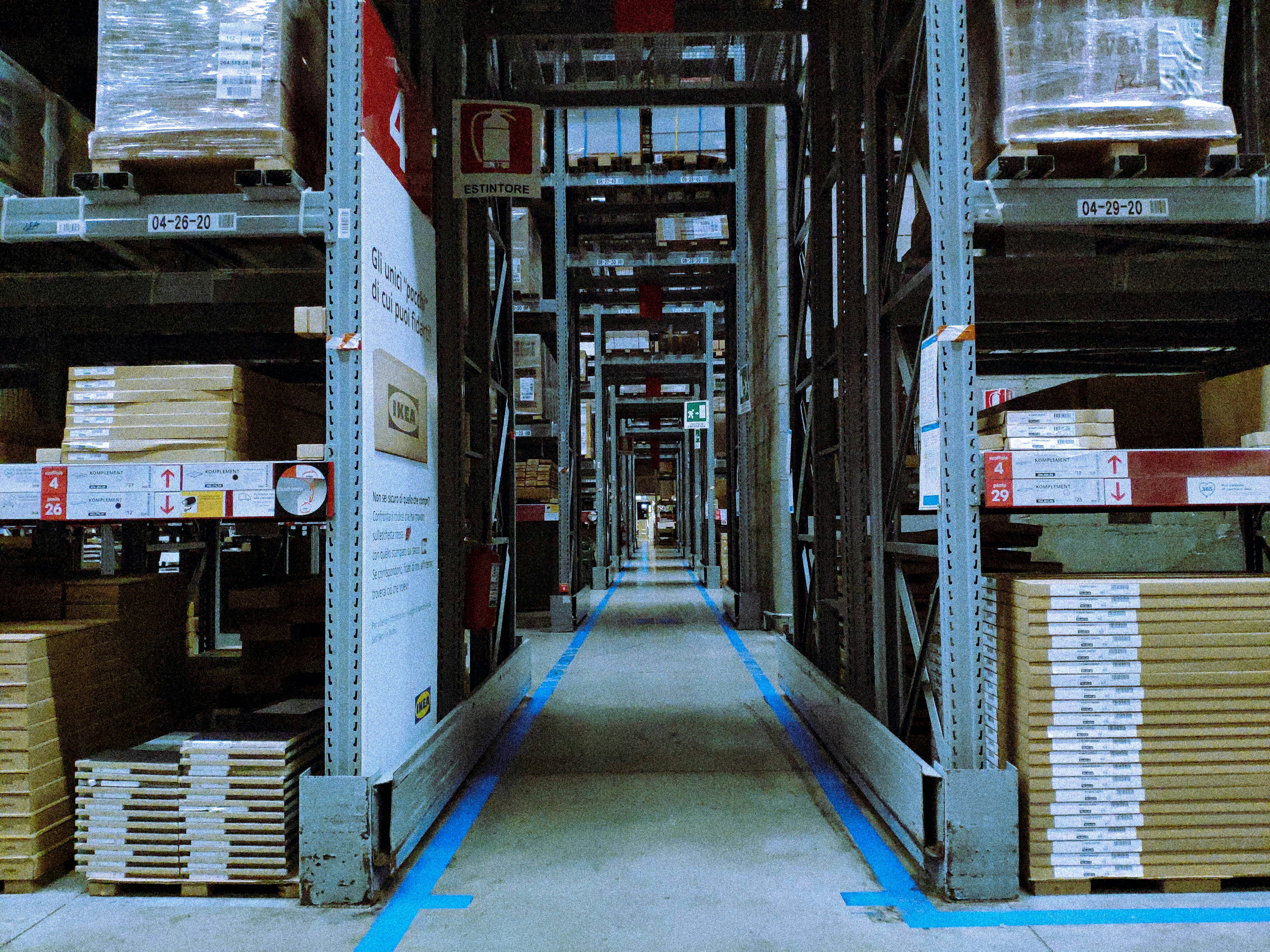
The applications of barcodes extend far beyond retail. In healthcare, barcodes are utilized for tracking patient medications, ensuring accurate dispensing, and enhancing overall patient safety. Inventory management in warehouses and manufacturing relies heavily on barcode systems for real-time tracking of products and materials, which optimizes supply chain efficiency. Logistics and transportation sectors also employ barcode technology to streamline shipping processes and monitor packages from origin to destination.
Furthermore, barcodes play a crucial role in library management systems, aiding in the organization and tracking of books and other media. In education, they facilitate attendance monitoring and submission of assignments. These functionalities illustrate barcodes’ versatility and efficiency in managing data across diverse fields.
Given their numerous advantages and proven effectiveness in various applications, integrating barcode technology into home automation systems fosters a seamless environment. As more individuals adopt smart home technologies, the potential uses for barcodes in this domain will undoubtedly increase, setting the stage for innovations that enhance convenience, security, and energy efficiency.
How Barcodes Enhance Home Automation
Integrating barcodes into home automation systems provides a variety of innovative applications that streamline operations and improve efficiency. One of the most significant advantages of this integration lies in inventory management. By utilizing barcode scanning technology, homeowners can easily track and manage household items, from groceries to equipment. This not only aids in maintaining an organized living space but also allows for automated restocking of items when they are running low, significantly reducing the hassle of manual inventory checks.
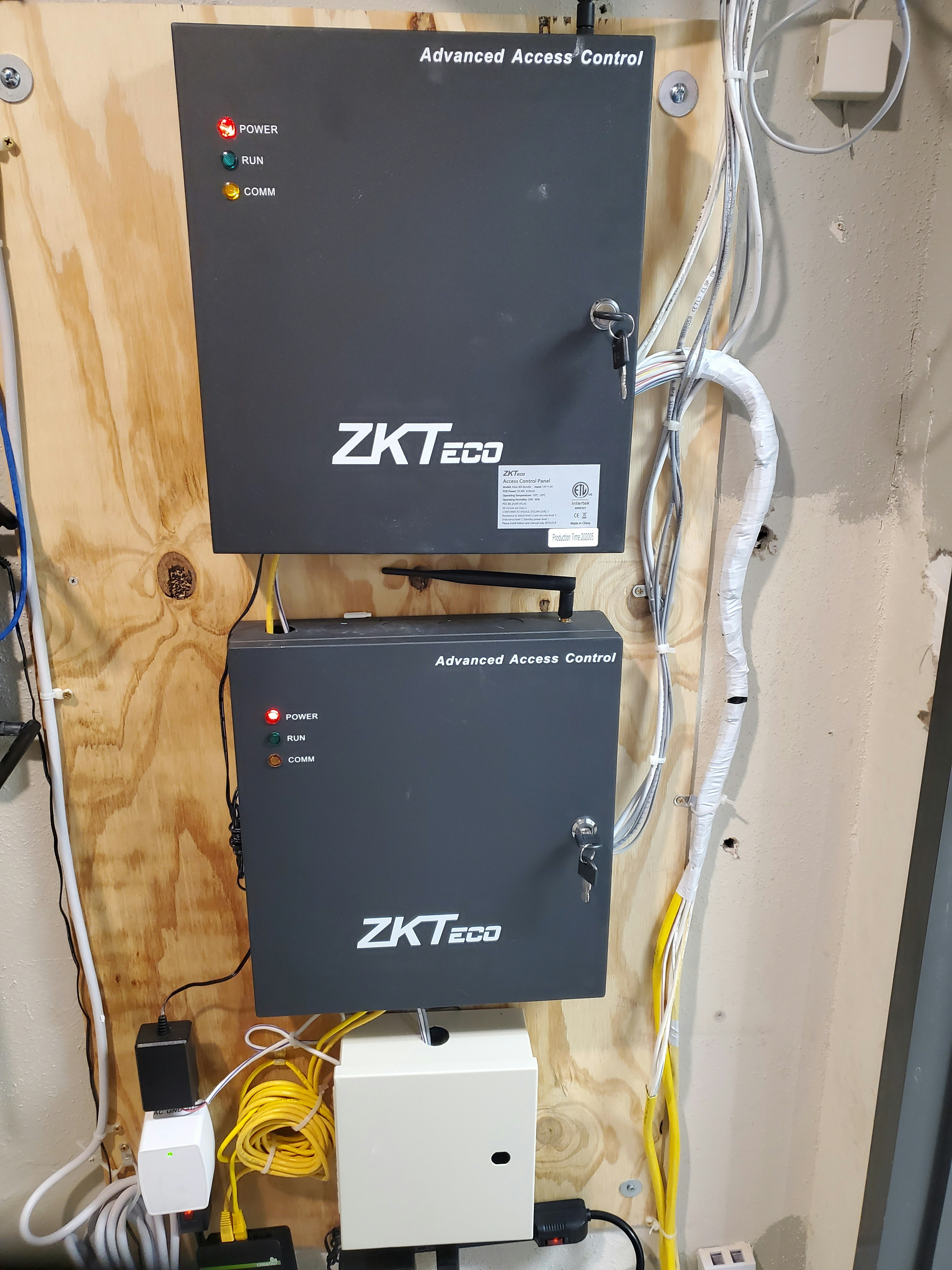
In addition, barcodes play a crucial role in access control within home automation systems. With the incorporation of barcode scanning devices, security can be enhanced by restricting entry to authorized individuals. For example, family members can have personalized barcodes that, when scanned, allow access to certain areas of the home. This technology ensures a better level of security while providing convenience in managing access without the need for physical keys or cumbersome password systems.
Moreover, routine task automation is another area where barcodes significantly contribute. Home automation systems can be programmed to recognize specific barcodes associated with certain tasks. For instance, scanning a barcode linked to a specific cleaning product can trigger the home’s robotic vacuum cleaner to start a designated cleaning sequence. This seamless interaction between barcodes and automation systems not only saves time but also enhances the overall management of domestic chores, allowing homeowners to focus on more important activities.
Thus, the integration of barcodes within home automation systems is not just a technical upgrade; it represents a more intelligent and efficient way to manage everyday life. By leveraging the capabilities of barcodes, homeowners can enjoy increased organization, enhanced security, and simplified task management in their automated environments.
Integrating Barcodes with Smart Devices
Integrating barcodes into home automation systems involves a sophisticated combination of hardware and software that allows smart devices to efficiently communicate and operate. Barcodes, often used for inventory tracking and management, can be embedded into various smart devices such as locks, sensors, and appliances. By using barcode scanning technology, homeowners can enhance security and streamline operations within their home environments.
The hardware requirements for integrating barcodes with smart devices typically include a barcode scanner or camera-enabled device, which can read different types of barcodes (1D, 2D, etc.). When connected to smart devices, these scanners can relay information to a central home automation hub. Moreover, the smart locks and sensors are equipped with Wi-Fi or Bluetooth connectivity, allowing them to communicate with mobile applications or other smart systems. When a user scans a barcode with their smartphone, it triggers commands that can unlock doors, adjust home settings, or manage inventory of smart appliances.
On the software side, the integration often relies on specific applications programmed to recognize and process barcode data. This may include linking the scanned barcodes to specific commands or profiles within the home automation system. For example, scanning a barcode placed on a smart lock could signal the system to unlock the door if accompanied by the right authorization. The seamless interaction between the barcode scanners and smart device software provides an intuitive user experience, ensuring that devices react promptly to scanned inputs.
Furthermore, interoperability is crucial in this integration. The home automation system should support various communication protocols, as smart devices may come from different manufacturers. Compatibility and communication standards such as Zigbee, Z-Wave, or Wi-Fi ensure that barcode integration functions seamlessly within the home environment, enhancing not only security but also overall efficiency.
Case Studies: Successful Implementations of Barcodes in Home Automation
Barcodes have increasingly been integrated into home automation systems, enhancing functionalities and offering innovative solutions for both households and businesses. One notable example is a smart home project in California where a family utilized barcodes as a means to manage household inventory seamlessly. By attaching barcodes to items such as groceries and cleaning supplies, the system was able to track stock levels and send alerts when items needed replenishing. This not only streamlined the shopping process but also minimized wastage, as the family could better monitor their consumption habits.
Another illustrative case took place in a corporate environment where a tech company incorporated barcodes into their operational system for automating asset management. Each piece of equipment was tagged with a barcode, allowing employees to scan items using their smartphones. This integration gave the company real-time visibility into their assets and improved accountability. Challenges in this implementation involved ensuring all devices were properly tagged and educating staff on how to use the new system effectively. Nevertheless, the outcome was remarkably positive, leading to a better-organized inventory and substantial time savings for the staff.
A different intriguing case comes from a smart apartment complex where barcodes were employed in conjunction with a home automation platform. Residents could scan barcodes on appliances, connecting their devices to a centralized management system that enabled them to control utilities via their mobile devices. While this implementation posed initial difficulties such as ensuring all devices were compatible and user-friendly, the results showcased considerable energy savings and user satisfaction as residents experienced more control over their living environments.
These case studies illustrate the diverse applications of barcodes within home automation systems, highlighting not only the challenges faced during implementation but also the significant benefits achieved in anticipation of streamlined operations and enhanced user experience.
Challenges of Using Barcodes in Home Automation
Integrating barcodes into home automation systems presents several challenges that may hinder optimal functionality. One significant issue pertains to scanning accuracy. Barcodes require clear visibility to be effectively scanned, and any obstructions, dirt, or poor lighting conditions can lead to erroneous readings. This problem can be exacerbated in dynamic environments like smart homes, where physical assets frequently change locations or their conditions degrade over time. Inaccurate scans may result in failure to execute automated tasks, causing disruptions in the overall system performance.
Another challenge is the necessity for regular maintenance. Barcodes that are damaged or faded become unreadable, which can impede the effective communication between devices in a home automation system. Frequent checks and the replacement of barcode labels may be required to ensure that the system operates smoothly. This maintenance adds to the operational overhead and can be a deterrent for potential users who seek seamless automation experiences.
Furthermore, technology adoption barriers can significantly limit the integration of barcodes in home automation. Some users may lack familiarity with barcode technology, leading to resistance in its implementation. There might also be concerns regarding the reliability and security of the system, especially for users with limited technical expertise. This hesitation can impede the widespread adoption of barcodes in home automation systems and ultimately prevent users from fully capitalizing on the benefits that such integration can offer.
Addressing these challenges is crucial for the successful implementation of barcodes in home automation systems. Stakeholders must consider solutions that enhance readability, facilitate maintenance, and promote user training to overcome these barriers and ensure an effective automation experience.
Future Trends: The Role of Barcodes in Smart Homes
The evolution of home automation systems continues to make significant strides, with barcodes at the forefront of this transformation. As technology advances, emerging solutions such as QR codes and Near Field Communication (NFC) are poised to enhance the functionality of smart homes, providing innovative alternatives to traditional barcode systems.
QR codes are remarkable for their capacity to store extensive information within a small, scannable format. This characteristic makes them ideal for smart home applications, where quick access to information is crucial. For instance, QR codes can be embedded in household devices, enabling users to gain instant access to user manuals, operational guidelines, and troubleshooting tips simply by scanning the code with their smartphones. This capability not only increases user convenience but also streamlines ongoing maintenance and support.
On the other hand, NFC technology enables seamless communication between devices over short distances. In the context of home automation, NFC tags can be used to control security systems, lighting, and even appliances with a simple tap of a smartphone or a compatible device. As NFC becomes more integrated into residential setups, homeowners will benefit from intuitive control and functionality, simplifying their daily routines.
Moreover, the increasing integration of artificial intelligence in home automation systems highlights the importance of centralized data processing. Barcodes, along with emerging technologies such as QR codes and NFC, can facilitate the collection and analysis of data, leading to more efficient energy management and enhanced user experiences. The synergy among these technologies points towards a future where smart homes are not only more automated but also equipped with advanced capabilities to learn and adapt to user preferences.
In conclusion, the future of barcodes in smart homes looks promising. The introduction of innovative alternatives like QR codes and NFC technology will likely complement traditional systems, empowering residents with greater control and enhancing their overall living experience.
Tips for Homeowners Considering Barcode Integration
Homeowners contemplating the integration of barcodes into their home automation systems should consider several practical factors to ensure a seamless experience. The first step is to choose the appropriate barcode technology. It is essential to evaluate the type of barcodes available—1D and 2D. 1D barcodes are typically simpler and can be scanned using basic scanners, whereas 2D barcodes, such as QR codes, offer more data capacity and can be scanned with smartphones, making them more versatile for various applications.
Once the technology is chosen, a critical aspect is installation. It’s advisable to engage a professional who possesses experience in both barcode systems and home automation solutions for optimal setup. They can assist in strategically placing barcode readers or scanners in locations that maximize efficiency and accessibility. Consideration should be given to areas where scanning may be frequent, like entry points or storage areas.
Moreover, maintaining the barcode system is crucial for ongoing performance. Regular checks should be conducted to ensure that scanners and readers are functioning correctly and that the barcodes themselves remain undamaged and clear. Homeowners should also have a plan for software updates and system integration, as keeping technology current is essential for maximum reliability and security.
Finally, homeowners should explore the relationship between barcode integration and their existing home automation platforms. Ensuring that compatible systems work harmoniously can enhance functionality, thereby making daily operations more efficient. By taking these practical steps and considerations into account, homeowners can successfully integrate barcodes into their home automation systems, maximizing the benefits of modern technology.
Conclusion: The Future of Home Automation with Barcodes
In recent years, the integration of barcodes within home automation systems has emerged as a compelling advancement, allowing homeowners to streamline their control over various devices. The ability to scan barcodes for immediate access to information enhances user interaction with smart home technologies, making them more intuitive and efficient.
The primary benefits of incorporating barcodes into home automation are multi-faceted. Firstly, barcodes can significantly improve the organization of smart home devices, ensuring users can quickly identify and activate the necessary functions with minimal effort. For example, scanning a barcode could quickly unlock specific settings for lighting, security, or climate. This seamless interaction enhances the overall user experience, fostering a more connected living environment.
Moreover, barcodes can also facilitate maintenance and inventory management in smart homes. By scanning barcodes on devices or appliances, homeowners can easily keep track of their status, schedule maintenance, and receive alerts for replacement parts. This proactive approach helps in prolonging the lifespan of devices and optimizing their performance, which ultimately contributes to a more efficient energy consumption model.
As we look to the future, the potential for barcodes in home automation systems is vast. With advancements in technology, it is likely that we will see further integration of barcodes with various smart home platforms. This evolution promises to enhance accessibility, promote energy efficiency, and empower users to take full control of their home environments. Homeowners interested in adopting this advanced technology can look forward to a more streamlined, responsive, and efficient home automation experience in the years to come.
© barcodly.com- All rights reserved