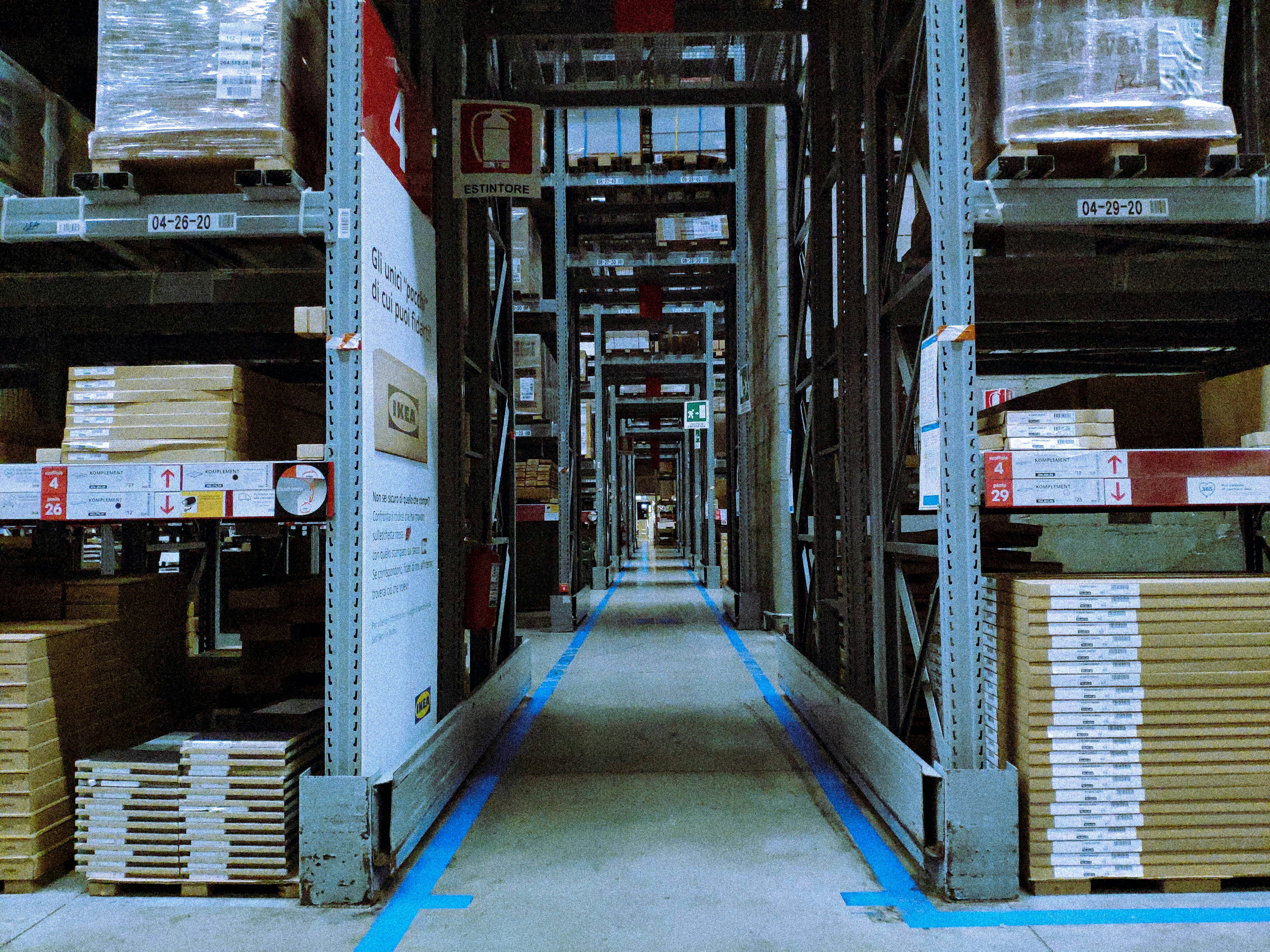

Introduction to Barcodes
Barcodes, a ubiquitous element in modern commerce, represent a system of encoding information into a visual pattern that can be easily scanned and read. Initially developed in the late 1940s by Norman Joseph Woodland and Bernard Silver, the barcode system was created to streamline the inventory management process. Their breakthrough resulted in a simple yet effective means of tracking products, which has since evolved into a sophisticated technology utilized across numerous industries, including retail, healthcare, and logistics.
The traditional linear barcode consists of a series of parallel lines of varying widths, which encode data indicating the type and quantity of a product. Over time, barcodes have diversified beyond their initial design, evolving into 2D formats such as QR codes, which can hold significantly more information. This evolution reflects technological advances and the growing demand for efficient data retrieval and management systems in an increasingly complex global economy.
In agriculture, the integration of barcodes offers substantial benefits, particularly in enhancing supply chain efficiency. Accurate product identification is crucial for tracking goods from farm to table, as it facilitates the monitoring of produce at every stage of the supply chain. This verification process is essential, as it not only aids in the reduction of errors associated with manual data entry but also improves inventory management capability. As farmers, suppliers, and retailers work together to optimize distribution, barcodes play a pivotal role in ensuring that products are correctly identified and efficiently tracked.
By streamlining the process of tracking agricultural goods, barcodes contribute to a more organized supply chain, optimizing both resource management and workflow efficiency. As this technology continues to advance, its impact on the agricultural sector is expected to grow, providing stakeholders with unprecedented visibility and control over their products.
Challenges in African Agricultural Supply Chains
Agricultural supply chains in Africa face numerous challenges that hinder their efficiency and effectiveness. One of the primary issues is inefficiency within the supply chain processes. Many agricultural products often move through multiple intermediaries before reaching their final destination, which can lead to delays and increased costs. These inefficiencies are exacerbated by poor infrastructure, such as inadequate road networks and insufficient storage facilities, which further impede the timely delivery of products.
Post-harvest losses represent another significant challenge, with estimates suggesting that as much as 30-40% of food produced in Africa is wasted due to inadequate handling and storage methods. This wastage not only affects food availability but also places a strain on the economic stability of farming communities. Factors contributing to these losses include a lack of appropriate storage technologies and insufficient knowledge about post-harvest management practices among farmers.
Traceability is an essential aspect of supply chain management, especially in the context of food safety and quality assurance. However, traceability is often compromised in African agricultural supply chains, leaving consumers with limited information regarding the origin of their food. The absence of systematic tracking leads to challenges in identifying sources of contamination during food safety crises, making it difficult to ensure that products meet quality standards.
Furthermore, the lack of technology adoption in the agricultural sector results in limited access to crucial data. Farmers often operate without essential information on market prices, weather conditions, and best practices, leading to suboptimal decision-making. The urgent need for innovative solutions to address these challenges has never been more critical, as improving the resilience and efficiency of agricultural supply chains is essential for enhancing food security and promoting economic growth across the continent.
How Barcodes Enhance Traceability
Traceability in agricultural supply chains has become paramount, particularly in an era where consumers demand transparency about the origin of their food. Barcodes serve as a sophisticated solution to enhance traceability from the farm to the table. By integrating barcode technology into agricultural processes, producers can efficiently track the journey of their products, minimizing risks associated with food safety and enhancing consumer trust.
When a product is harvested, it can be assigned a unique barcode, which encapsulates essential information such as the farm of origin, the date of harvest, and other critical data points. This barcode travels with the product through the supply chain. Once the item reaches the distributor, the barcode can be scanned to log its arrival, manage inventory, and assist in shipment processes. By utilizing barcode scanning at every stage—from processing and packaging to transport and retail—stakeholders can ensure that each product is accounted for and traceable at any point in the chain.
The benefits of this enhanced traceability are substantial. For producers, barcodes facilitate better inventory management and reduce the likelihood of errors in product orders. Distributors benefit from streamlined logistics and the ability to quickly address issues such as recalls or quality concerns. Consumers, on the other hand, gain access to detailed information about the products they purchase, thereby promoting informed choices. In several African nations, successful implementation of barcode systems has been documented. For instance, in Kenya, a project that integrates barcode technology in the agricultural sector has significantly improved traceability and minimized food waste. Similarly, in South Africa, barcoding has helped reduce fraudulent practices, ensuring that consumers receive genuine products.
As the agricultural landscape in Africa continues to evolve, barcodes play a pivotal role in fostering transparency and accountability, ultimately enhancing the supply chain’s overall efficiency.
Cost-Effectiveness of Barcoding
The implementation of barcoding systems in African agricultural supply chains presents a significant opportunity for cost-effectiveness. While the initial investment in barcode technology—comprising scanners, software, and training—may seem considerable, the long-term savings realized through efficient operations often far outweigh these startup costs. The adoption of barcodes can lead to substantial reductions in waste and theft, which are critical issues in agricultural sectors.
Through the precise tracking of products from farm to market, barcodes enhance inventory management systems, permitting farmers and distributors to maintain accurate stock levels. This enhanced visibility into inventory not only reduces the chances of spoilage but also minimizes the costs associated with overproduction. In addition, improved inventory information empowers stakeholders to make data-driven decisions, facilitating better alignment with market demands.
Furthermore, the use of barcoding can streamline sales forecasting processes. Accurate data collection regarding sales trends enables agricultural suppliers to predict customer needs more effectively, leading to better planning and optimized resource allocation. This efficiency translates into lower operational costs and maximizes profit margins, ultimately benefiting farmers and consumers alike.
A comparison with other technological solutions, such as RFID (Radio Frequency Identification), reveals that while RFID can offer advanced capabilities, it often comes with higher costs for implementation and maintenance. In contrast, barcoding presents a more budget-friendly solution with robust functionalities tailored to the specific needs of African agriculture. The industry can integrate barcodes into existing workflows without significant disruptions, making it an attractive option for many agricultural stakeholders.
In conclusion, the cost-effectiveness of barcoding not only addresses immediate financial concerns but also paves the way for sustainable growth within African agricultural supply chains by bolstering operational efficiencies, reducing losses, and enhancing competitive advantages in a rapidly evolving market.
Barcodes and Quality Control
The integration of barcodes into agricultural supply chains significantly enhances quality control processes, addressing some of the critical challenges faced in the industry. By employing barcode systems, stakeholders can closely monitor product quality at various stages of the supply chain, from the field to the consumer. Each barcode carries unique information about a product, including its origin, batch number, and expiration date. This data enables producers and distributors to maintain a clear overview of the products, helping them track their movements and conditions effectively.
One of the primary advantages of using barcodes in quality control is the ability to identify issues promptly. For instance, if a batch of produce shows signs of spoilage or contamination, the barcode can facilitate swift traceability, allowing stakeholders to isolate the affected product quickly. This immediacy in addressing problems not only minimizes potential losses but also protects consumer health. Stakeholders can improve their response strategies and recalls, if necessary, by leveraging the data attached to each barcode.
In addition to ensuring product safety, barcodes play a crucial role in compliance with safety standards. Agriculture is subject to numerous regulations aimed at maintaining the health of consumers and the environment. Barcodes simplify this compliance by providing clear documentation that can be easily verified by regulatory bodies. As a result, companies can demonstrate adherence to standards, reducing the risk of legal issues and enhancing their reputations. Furthermore, the transparency provided by barcode systems builds consumer trust. When customers can trace the origin and handling of their food products, they are more likely to purchase them, bolstering the entire agricultural market.
Barcodes, Data Collection, and Analytics
Barcodes have revolutionized the way data is collected and analyzed across various sectors, with agriculture in Africa being no exception. Integrating barcodes with data collection systems facilitates an efficient method of tracking products from farm to market. When scanned, barcodes generate real-time data that significantly improves the ability to monitor agricultural products throughout the supply chain. This process not only streamlines operations but also enhances transparency, providing stakeholders with essential insights.
Each barcode scan captures critical information related to inventory levels, crop yields, and logistical details. This data is pivotal in enabling farmers, suppliers, and retailers to make informed decisions. For instance, analyzing this data helps identify market trends and consumer preferences, allowing producers to align their offerings with demand. Consequently, the integration of barcodes can result in improved product quality and increased customer satisfaction, ultimately contributing to higher sales and profitability.
Furthermore, the analytics derived from barcode data enables organizations to pinpoint inefficiencies within their supply chains. By analyzing patterns related to delivery times, spoilage rates, or inventory turnover, stakeholders can optimize their operations. The insights gained from this data-driven approach to agriculture empower decision-makers to implement strategies that minimize waste, reduce costs, and enhance overall productivity. As a result, leveraging barcodes as a tool for data collection paves the way for a more efficient agricultural ecosystem.
As the agricultural landscape in Africa continues to evolve, the role of barcodes in fostering robust data collection and analytics cannot be overstated. The capability to generate actionable insights through barcode scanning equips stakeholders with vital information necessary for navigating the complexities of the agricultural supply chain, thus promoting sustainable growth and development in the sector.
Future of Barcoding in African Agriculture
The future of barcoding in African agriculture is poised for significant transformation, driven by advancements in technology and an increasing focus on efficiency within supply chains. One of the most promising trends involves the integration of mobile scanning solutions. These tools enable real-time data collection and management, which can substantially streamline operations from the farm to the market. Farmers equipped with mobile devices can easily scan barcodes on products, allowing for effective inventory tracking and improved sales management. This capability not only enhances operational transparency but also empowers farmers to make more informed business decisions.
Additionally, the Internet of Things (IoT) is set to play a critical role in the evolution of barcoding systems. IoT devices can facilitate constant monitoring of agricultural products throughout the supply chain, ensuring freshness and quality. For instance, sensors can detect and transmit temperature or humidity levels, while barcode technology can link this data to specific shipments. This synergy between barcoding and IoT is crucial for maintaining product integrity and meeting consumer demand for quality assurance.
Moreover, government support and policies will be instrumental in fostering innovation within the agricultural sector. Policymakers can establish frameworks that promote the adoption of barcoding technologies, ensuring that smallholder farmers have access to necessary resources and training. Investment in infrastructure, such as improved internet connectivity and logistics systems, will create an enabling environment for the widespread use of barcodes in agriculture. Additionally, supporting partnerships between tech developers and agricultural organizations can accelerate the development of tailored solutions that address specific challenges faced by African farmers.
In conclusion, the integration of barcoding technologies, bolstered by mobile solutions, IoT capabilities, and supportive governmental policies, presents an exciting opportunity for the future of African agricultural supply chains. As these advancements continue to unfold, the region stands to benefit from enhanced efficiency, transparency, and overall productivity in agriculture.
Challenges of Implementing Barcodes
The implementation of barcode systems in African agricultural supply chains is fraught with multiple challenges that can hinder progress. One of the primary barriers is the resistance to technology adoption among farmers and stakeholders. Many individuals in the agricultural sector may be apprehensive about transitioning to new systems, particularly if they are unfamiliar with technology. This resistance can stem from a lack of awareness regarding the benefits that barcodes can offer, such as improved inventory management and enhanced traceability of agricultural products.
Furthermore, there exists a significant gap in technical expertise required for the effective adoption of barcode systems. Many agricultural workers in Africa have limited training in digital technologies, making it difficult for them to implement and maintain these systems. The training necessary to bridge this gap is often lacking, which leads to inefficient use or outright abandonment of the technology. To maximize the success of barcode implementation, it is crucial to develop educational programs that not only inform stakeholders about the benefits of barcoding but also equip them with the necessary skills to utilize these systems effectively.
In addition to resistance to change and skills gaps, there is also a pressing need for better infrastructure development to support barcode systems. In many regions, access to reliable electricity, internet connectivity, and suitable equipment is either limited or non-existent. This lack of essential infrastructure can severely undermine the functionality of barcode technology, as the systems often depend on a stable network to operate effectively. To overcome this issue, policymakers and stakeholders must prioritize investments in infrastructure to create an enabling environment for barcode implementation.
Addressing these challenges will not only facilitate the successful adoption of barcode systems but also enhance the overall efficiency of agricultural supply chains across Africa.
Conclusion and Call to Action
As discussed throughout this blog post, the integration of barcode technology into agricultural supply chains in Africa holds the potential to significantly enhance efficiency, traceability, and overall performance. The utilization of barcodes facilitates better inventory management, allowing farmers and distributors to monitor stock levels effectively, reduce spoilage, and ultimately improve profitability. Through precise tracking of produce from farm to market, barcodes enhance food safety and quality assurance, thus fostering consumer trust.
Additionally, the adoption of barcodes contributes to the optimization of logistics and distribution networks, enabling stakeholders to implement data-driven decisions that lead to streamlined operations. This technological advancement not only supports agricultural enterprises in managing their resources but also assists in responding to market demands with agility. By simplifying the process of data collection, barcode systems empower farmers with valuable insights into their production cycles, market trends, and customer preferences.
To harness these benefits effectively, it is imperative that all stakeholders in the agricultural sector, including farmers, businesses, and policymakers, recognize and embrace barcode technology. Implementation should commence with training programs to equip farmers with the necessary skills for utilizing barcoding systems. Moreover, collaboration between government agencies, non-profit organizations, and private sector players is essential to ensure widespread access and affordability of barcode solutions.
In fostering a greater understanding of the role of barcodes in transforming agricultural supply chains, we encourage all involved parties to take actionable steps towards the integration of this technology. By doing so, we can collectively work towards building a more efficient, transparent, and resilient agricultural sector in Africa. The time to act is now, and the future of agriculture hinges on our commitment to innovation and modernization.
© barcodly.com- All rights reserved