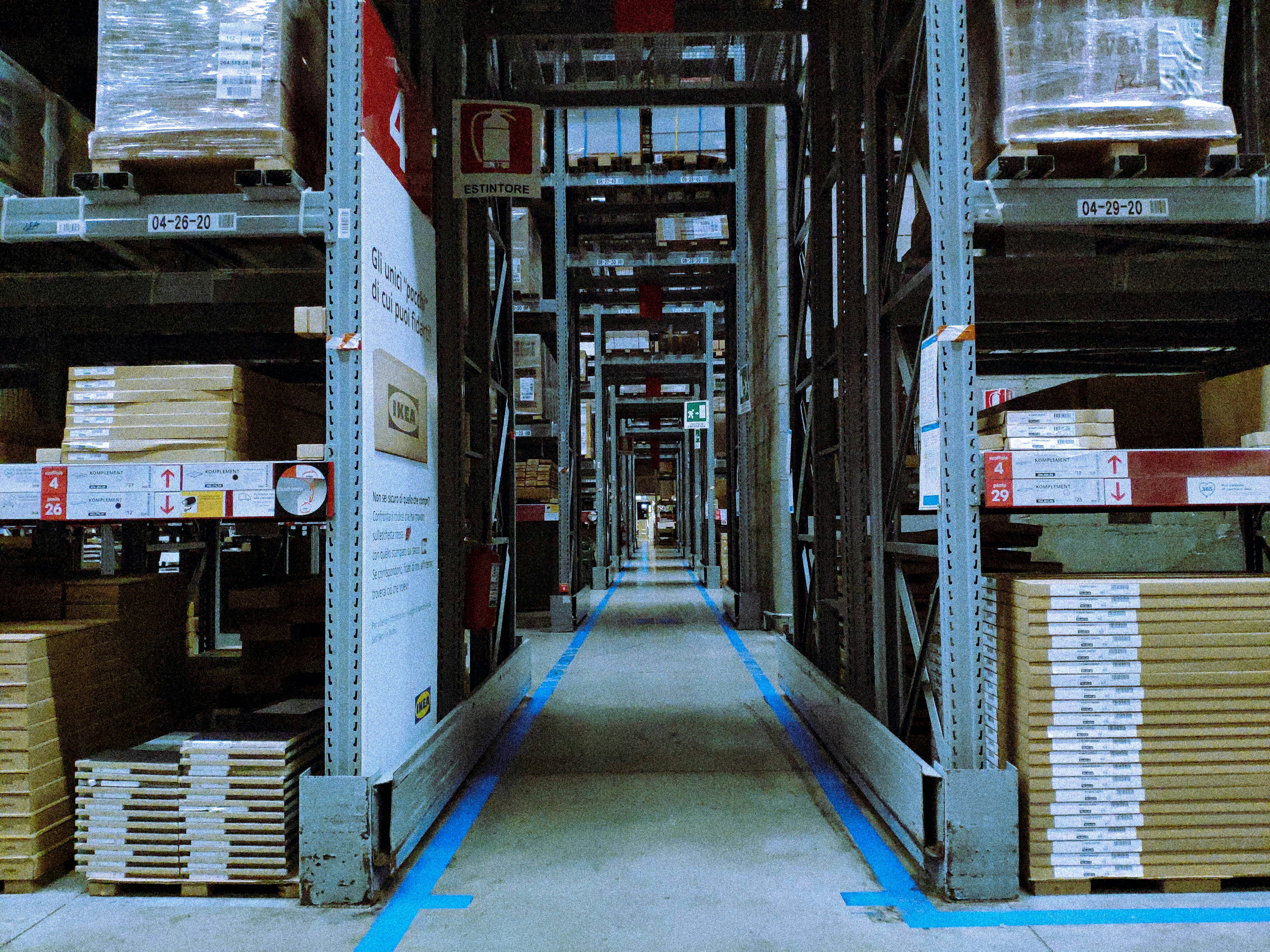

Introduction to Barcodes in Libraries
Barcodes are a critical tool used for inventory management across various sectors, including libraries. A barcode is a visual representation of data, typically consisting of a series of parallel lines and spaces that can be scanned by a reader to retrieve information. In the context of libraries, barcodes play an invaluable role in tracking materials such as books, magazines, and other media, facilitating efficient lending and returns, as well as inventory management.
Libraries use barcodes to manage their collections systematically. Each item within a library’s inventory is assigned a unique barcode, which contains vital information such as the item’s title, author, and its specific library location. This streamlined approach minimizes human error and significantly accelerates the checkout process, ensuring that patrons can easily access the materials they need. The integration of barcodes into library systems enhances the user experience while optimizing the librarians’ workflow.
Moreover, the significance of barcodes extends beyond simple tracking and management. They enable libraries to maintain an accurate inventory, keep track of overdue items, and analyze borrowing trends. This capability is crucial for library planning and resource allocation, as it allows librarians to make informed decisions regarding acquisitions and other operational procedures. Overall, the implementation of barcodes is a sophisticated yet straightforward solution that supports libraries in maintaining their collections, thereby fostering a more organized and user-friendly environment.
The Evolution of Library Systems
The history of library management systems reveals a remarkable journey from manual record-keeping to the sophisticated automated tracking we see today. In the early stages, libraries operated on a system that relied heavily on physical card catalogs and handwritten records. Each book, periodical, or document had to be manually recorded, which often led to inconsistencies, misplaced items, and time-consuming searches for patrons and staff alike.
As the volume of literature grew, libraries began to adopt more organized methods. The introduction of standardized cataloging practices in the early 20th century allowed for more systematic organization, yet these practices still required labor-intensive manual entry and maintenance. The limitations of these systems could become apparent, particularly in larger libraries where the sheer number of items made tracking difficult.
With the advancement of technology, the latter half of the 20th century marked a significant shift in library management. The development of automated systems began to take hold during this period. The introduction of databases revolutionized how libraries managed their collections, enabling faster searches and improved accuracy. However, even these systems faced challenges such as the costly implementation and the complexity involved in transitioning from manual to automated processes.
A pivotal moment in the evolution of library systems came with the introduction of barcode technology in the late 1970s and early 1980s. This innovation offered a practical solution for tracking library items with precision and efficiency. Each item could now be assigned a unique barcode, allowing for quick scanning during checkouts and returns, greatly reducing the possibility of human error. This transition laid the groundwork for the modern frameworks employed in libraries today, facilitating not only the management of books but also enhancing user experience.
Thus, the journey from manual systems to barcode technology encapsulates the broader trend of embracing technological advancements to improve library services, ultimately fostering an environment where information management can thrive seamlessly.
Understanding Barcode Technology
Barcode technology plays a critical role in the modern organization of data and inventory management, especially in libraries. At its core, a barcode is a method of encoding information into a visual format that can be easily read by a scanning device. Barcodes come in two primary formats, one-dimensional (1D) and two-dimensional (2D), each serving distinct purposes.
1D barcodes are made up of parallel lines of varying widths, typically containing information such as unique identifiers for books or items in a library. They are widely used due to their simplicity and ease of printing and scanning. For instance, the popular Universal Product Code (UPC) is a 1D barcode commonly found on consumer items. On the other hand, 2D barcodes, such as QR codes, encode information in both vertical and horizontal dimensions, allowing them to store much more data in a compact space. These codes can include URLs, text, and even images, making them versatile tools for various applications.
Generating barcodes requires specialized software that converts alphanumeric data into a scannable format. This software can produce barcode labels that libraries can print using standard printers or dedicated barcode printers. The hardware used for scanning barcodes includes handheld scanners, fixed scanners, and even smartphones equipped with the necessary applications. Scanning barcodes facilitates quick data entry into management systems, saving valuable time for library staff.
The benefits of implementing barcode technology in libraries extend beyond efficiency. Barcodes enhance accuracy in inventory management, significantly reducing the chances of human error associated with manual entry. The ability to instantly track items helps maintain a well-organized library system, ensuring that users can easily locate and borrow materials. Overall, understanding barcode technology is essential for realizing its advantages in libraries and beyond.
Benefits of Barcodes for Libraries
The use of barcodes in library systems offers numerous advantages, significantly enhancing various operations within the establishment. Primarily, barcodes improve the accuracy of inventory tracking. By attaching unique barcodes to each item, libraries can eliminate human errors associated with manual data entry, allowing for more reliable and precise records of items in circulation. This accuracy is essential for maintaining an organized inventory and ensuring that resources are readily accessible to patrons.
Enhancing efficiency in the checkout and return processes is another notable benefit of barcodes. Instead of manual scanning of identification numbers or flipping through card catalogs, patrons can simply present their library cards and the items they wish to check out or return. With automated barcode scanners, the process is expedited, leading to shorter wait times for library users. This convenience encourages higher circulation rates and promotes a positive library experience.
Streamlined cataloging processes also stem from the incorporation of barcodes. When new materials are acquired, library staff can quickly scan the barcode to input the item into the library management system. This automation reduces the workload for staff and minimizes the time spent cataloging, allowing librarians to devote their attention to other essential activities like community outreach or literacy programs.
Furthermore, better overall management of library resources is achieved through barcodes. With a precise overview of what materials are available, which are currently checked out, and where items are located, librarians can make informed decisions regarding acquisitions, weeding collections, and enhancing user engagement. The overall efficiency that barcodes bring contributes to a framework in which libraries can adapt to the evolving needs of their communities.
Implementing a Barcode System in Libraries
Implementing a barcode system in libraries involves several critical steps aimed at enhancing the efficiency of tracking and managing library materials. The first step is selecting the appropriate barcode software, which should meet the specific needs of the library. The software must be user-friendly, capable of integrating with the library management system, and able to handle various types of materials. Libraries often evaluate multiple options, considering factors such as features, cost, ease of use, and technical support.
Once the software has been selected, the next step is to label books and other materials with unique barcodes. This process typically involves creating a barcode for each item in the library, which can include books, magazines, DVDs, and other resources. Libraries may choose to print barcode labels in-house or outsource the printing to a specialized company. Proper labeling is essential, as each item must have a distinct barcode that corresponds accurately to its entry in the library’s catalog. This ensures that each material can be tracked efficiently.
Training staff and patrons on how to use the barcode system is a crucial phase in the implementation process. Library personnel should be well-versed in scanning items during check-outs and returns, troubleshooting common issues, and assisting patrons with any questions related to the system. Additionally, informational sessions or tutorials may be provided for patrons, guiding them on how to interact with the barcode system when borrowing or returning materials. By prioritizing proper training, libraries can help to ensure a seamless transition to the new system, ultimately improving user experience and operational efficiency.
Challenges Faced with Barcode Tracking
While the use of barcodes for tracking in libraries offers numerous benefits, there are significant challenges that libraries often encounter during implementation and ongoing operations. One of the primary issues is related to the effectiveness of the scanning process. Misalignment or improper handling of barcode scanners can result in reading errors, leading to discrepancies in inventory records. This can manifest in a situation where items are incorrectly marked as checked out or lost, complicating the tracking process.
Another challenge libraries face is maintaining the integrity of the barcode labels themselves. Over time, particularly for items that are frequently handled by patrons, barcode labels can become scratched, worn, or damaged, rendering them unreadable. Libraries must invest in durable labeling solutions or establish protocols for regular inventory checks to ensure that all items remain scannable. Failure to address label degradation can disrupt the barcode tracking system significantly.
Integration of the barcode system with existing library management software also poses a challenge. Many libraries operate with outdated or incompatible systems that are not designed to support barcode technology. This can create complications in data synchronization and may require libraries to update their software or invest in new technology. The potential costs involved in upgrading systems for effective barcode tracking can be a significant barrier, particularly for smaller libraries with limited budgets.
In addition to these technical challenges, libraries must also address employee training. Staff may require training on how to use barcode scanners effectively, troubleshoot common problems, and understand the nuances of the library’s inventory system. Ensuring that all personnel are proficient in barcode tracking is essential for the efficacy of the system and for maintaining accurate collection records.
Real-life Examples of Barcode Applications in Libraries
Numerous libraries across the globe have adopted barcode tracking systems to increase efficiency and streamline their operations. A notable example comes from the University of North Texas Libraries, which implemented a comprehensive barcode system that enhanced the tracking of over 1.5 million items. Prior to the adoption of barcoding, the library faced significant challenges in lending and inventory management. The introduction of barcode technology not only simplified the check-out process but also reduced the amount of time library staff spent on re-shelving and inventory audits. In about six months post-implementation, the library reported a 30% increase in operational efficiency.
An inspiring case from the Cleveland Public Library illustrates the versatility of barcode systems beyond traditional book tracking. The library has integrated barcodes into its asset management strategy, utilizing the technology to manage not just books, but also other materials like DVDs, technology kits, and archival documents. By adopting an integrated barcode management system, they have successfully minimized retrieval errors and improved patron service, with staff reporting up to a 50% reduction in retrieval time.
Another noteworthy implementation is seen at the Minneapolis Public Library, which partnered with its local schools to create a joint barcode system for shared resources. This collaboration has allowed for real-time tracking of items between library locations and schools, significantly improving inter-library loan processes. Their innovative approach has resulted in an increase in resource availability for students and decreased hold times broadly, solidifying the partnership between educational institutions and public library services.
In each of these cases, the implementation of barcode tracking has not only streamlined operations but also highlighted essential lessons on the importance of staff training and ongoing evaluation of the systems in use. Each library has reported that investing in staff education around the barcode system was critical to ensuring that the technology was fully leveraged for maximum efficiency.
Future Trends in Library Barcode Technology
As libraries continue to evolve in the digital age, the integration of advanced barcode technologies is becoming increasingly essential for efficient tracking and management of library resources. One of the most promising trends is the adoption of Radio Frequency Identification (RFID) technology. RFID tags, which can be embedded in library materials, offer significant advantages over traditional barcode systems. Unlike barcodes, which require line-of-sight scanning, RFID can read multiple tags simultaneously without needing direct visual access, greatly enhancing inventory management and streamlining the checkout process.
Another trend is the development of mobile applications designed for tracking and managing library resources. These applications, compatible with smartphones and tablets, allow staff and patrons to utilize the device’s camera for scanning barcodes quickly. This user-friendly approach not only increases efficiency but also improves the overall user experience. Patrons can check available materials effortlessly, enhancing their engagement with the library’s offerings.
Furthermore, advancements in barcode scanning technology are set to revolutionize how libraries operate. Enhanced scanning devices can read various barcode formats—including QR codes—thus allowing libraries to diversify the ways they provide and catalogue information. These advancements can also integrate with existing library management systems, ensuring seamless data transfer and better tracking accuracy.
Moreover, with the rise of big data analytics, libraries are poised to leverage barcode usage patterns to glean insights into user behavior and resource demand. Such data can inform future acquisitions, ensuring that libraries are continuously meeting the needs of their communities. Overall, as barcode technology matures, libraries stand to gain not only operational efficiencies but also the ability to foster a richer, more responsive environment for patrons.
Conclusion and Final Thoughts
In examining the role of barcodes in library operations, it becomes evident that this technology significantly enhances the management and tracking of resources. Barcoding simplifies the process of checking in and out materials, thereby improving the efficiency of circulation workflows. Automated systems harnessing barcode technology allow libraries to quickly conduct inventory checks and reduce the likelihood of human error, ultimately facilitating more effective resource management.
Additionally, the use of barcodes enhances the patron experience by streamlining access to library materials. Users benefit from uncomplicated borrowing procedures, while libraries can ensure that resources are accounted for and easily retrievable. The advantages extend beyond just operational efficiencies; they promote a more organized and user-friendly environment within which patrons can explore and utilize library offerings.
Furthermore, embracing barcode technology positions libraries to adapt to future technological advancements. As digital resources proliferate, the integration of a comprehensive tracking system becomes critical in maintaining an effective equilibrium between physical and digital media. Libraries that invest in barcoding not only improve their current resource management practices but also lay a foundation for evolving with the changing landscape of information accessibility.
Ultimately, the implementation of barcodes represents a forward-thinking approach to library services. By adopting this technology, libraries can ensure they remain relevant and responsive to the needs of their communities, thus enhancing the overall user experience. Moving forward, it is highly encouraged that libraries continue to explore and integrate barcoding solutions, capitalizing on the myriad benefits they offer in an ever-changing information-centric world.
© barcodly.com- All rights reserved