Introduction to Barcodes
Barcodes are a systematic representation of data that can be scanned and interpreted by machines, predominantly used for identifying products and managing inventory. They consist of parallel lines of varying widths, which encode information that can include details such as product type, price, and even stock levels. The history of barcodes dates back to the 1940s, but they gained widespread usage in the 1970s with the advent of laser scanning technology. This innovation propelled barcodes into various industries, establishing them as vital tools in logistics and tracking processes.
There are several types of barcodes, including one-dimensional (1D) and two-dimensional (2D) formats. The most common 1D barcode is the Universal Product Code (UPC), which is often seen on retail products. In contrast, 2D barcodes, such as QR codes, can store more information and can be scanned by smartphones, making them suitable for modern applications like advertising or customer engagement. Each barcode format serves specific needs within different sectors, particularly in manufacturing and construction.
The significance of barcodes in tracking products and managing inventory cannot be overstated. In the construction industry, for example, barcodes facilitate precise control of materials, ensuring that construction projects progress smoothly and that resources are efficiently utilized. The use of barcodes helps streamline the tracking of steel and construction materials from suppliers to the job site, reducing the risk of errors and fostering better inventory management. As industries continue to evolve, so too will the technologies surrounding barcodes, emphasizing their essential role in enhancing operational efficiency and accuracy.
Importance of Barcodes in the Steel Industry
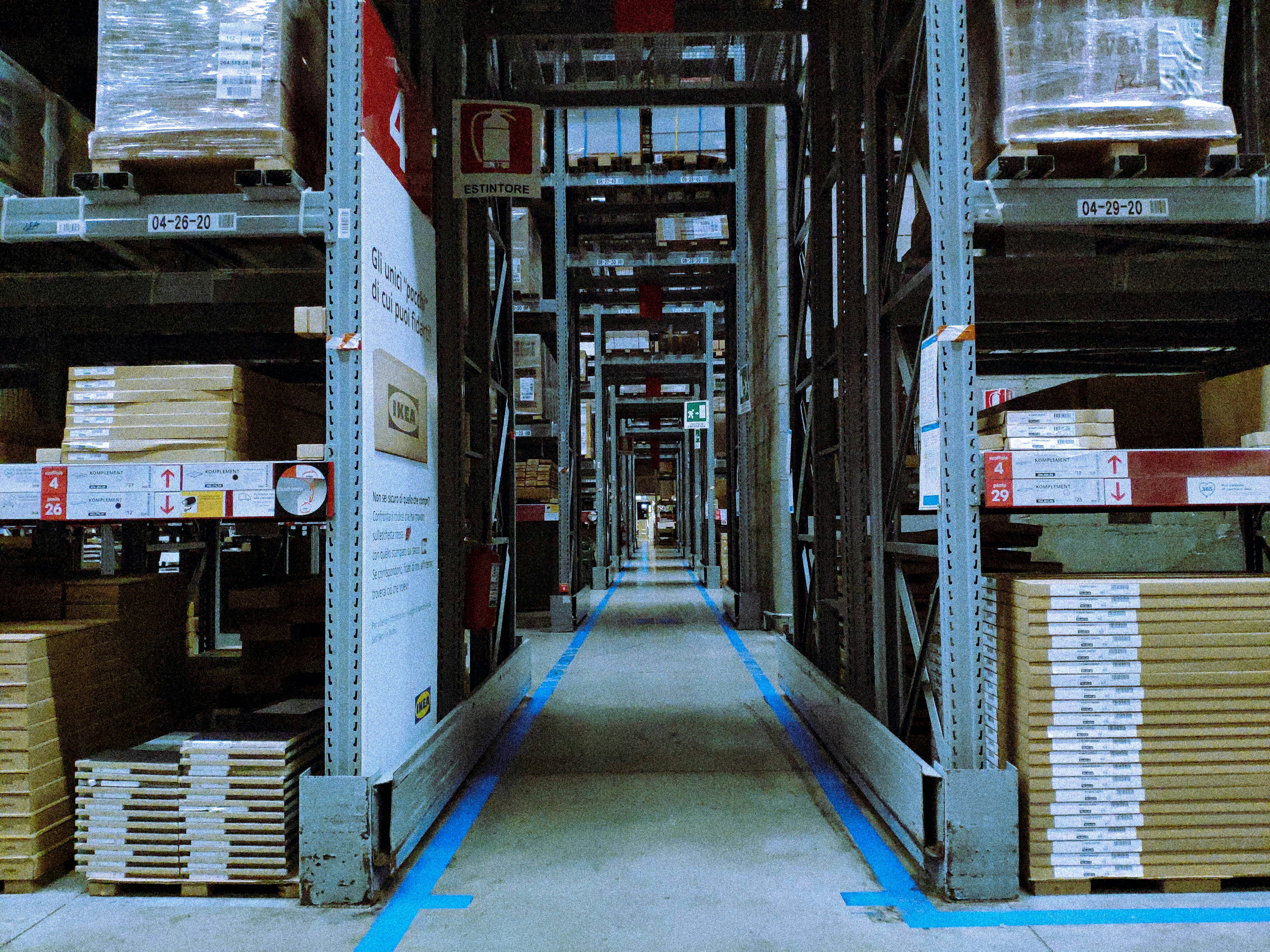
The steel industry is characterized by complex operations and a vast range of products, making effective inventory management and traceability essential. Every stage, from raw material procurement to the final distribution of finished steel products, requires accurate tracking to ensure efficiency and productivity. Given these challenges, the implementation of barcode technology has proven to be a transformative solution for various stakeholders, including manufacturers, distributors, and suppliers.
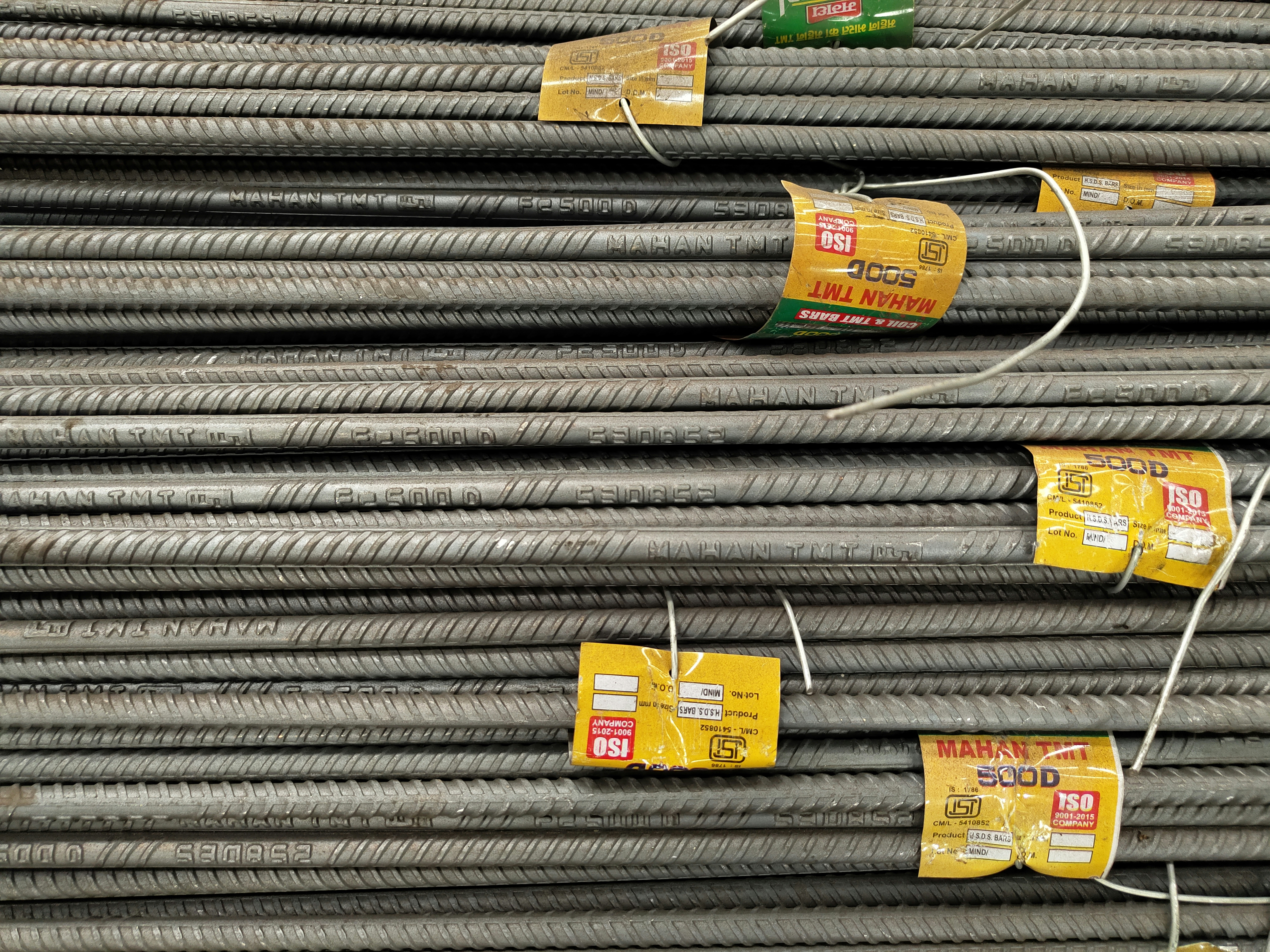
Barcodes facilitate precise tracking of steel materials throughout the supply chain, significantly reducing the risk of human error. Each steel product can be assigned a unique barcode, enabling workers to scan and record precise information during critical phases such as production, storage, and shipping. This level of accuracy is crucial, not only for maintaining inventory levels but also for fulfilling customer orders on time. By leveraging barcodes, companies can ensure that the correct type and quantity of steel is delivered to the right location, thereby minimizing discrepancies and delays.
Additionally, barcoding enhances workflow processes by streamlining operations and promoting automation. Barcode scanning systems can be integrated with enterprise resource planning (ERP) systems, allowing for real-time updates and visibility into inventory levels and product movements. Consequently, businesses can make informed decisions based on up-to-date information, which ultimately leads to improved operational efficiency. Furthermore, enhanced traceability through barcoding enables companies to comply with industry regulations and standards, as these systems provide a comprehensive record of materials and processes used in production.
Overall, the adoption of barcodes in the steel industry not only addresses the challenges of inventory management and traceability but also contributes to increased operational performance. This innovation serves as a foundational element for advancing logistics and ensuring that the industry meets the growing demands for accuracy and efficiency.
Barcodes in Construction Material Management
In recent years, the construction industry has increasingly adopted barcode systems to streamline the management of construction materials. These systems enhance the efficiency of processes ranging from procurement to on-site tracking. By utilizing barcodes, contractors can significantly reduce material loss, improve project timelines, and foster enhanced accountability among suppliers and subcontractors.
One of the primary benefits of implementing a barcode system in construction material management is the reduction of material loss. Traditional inventory management practices are often prone to errors, leading to misplaced or unaccounted-for materials. When barcodes are assigned to each product, they can be easily scanned during receipt, storage, and usage. This instant retrieval of information allows for real-time tracking, which minimizes the possibility of materials being lost or used incorrectly, ultimately resulting in reduced waste and cost savings.
Moreover, barcode systems contribute positively to project timelines. By ensuring that material deliveries are accurately logged and tracked, contractors can keep a precise inventory of what is available on-site. This facilitates more effective planning and allows project managers to allocate resources efficiently. Consequently, minimizes delays caused by material shortages or miscommunication, ultimately leading to enhanced productivity on the construction site.
Enhanced accountability is another notable advantage of integrating barcodes into construction material management. By using unique barcode identifiers, any material can be traced back to its source or supplier. This feature provides a clear audit trail, allowing for systematic reviews and assessments of material usage. Such accountability helps in identifying inefficiencies in supply chains and fosters a collaborative environment where suppliers are held responsible for their deliveries, thus promoting better communication between all stakeholders involved in the construction process.
Types of Barcodes Used in Steel and Construction
In the steel and construction industries, various types of barcodes are employed to enhance tracking, inventory management, and overall operational efficiency. The two predominant categories of barcodes are one-dimensional (1D) and two-dimensional (2D) barcodes, each serving distinct purposes suited to specific applications.
1D barcodes are the more traditional type, typically consisting of black and white linear patterns. They encode data along a single line, and the most common format is the Universal Product Code (UPC). These barcodes are straightforward to implement and are widely read by standard barcode scanners. The major advantage of using 1D barcodes is their simplicity and ease of printing. They are often utilized in inventory management, where they can efficiently represent product information, such as part numbers and quantities. However, their capacity for storing information is limited, making them less suitable for complex data requirements.
Conversely, 2D barcodes, such as Quick Response (QR) codes and Data Matrix codes, encode data in two dimensions, allowing them to store significantly more information than 1D barcodes. This characteristic makes 2D barcodes particularly advantageous in applications requiring the representation of complex data sets, such as specifications, safety information, and detailed tracking data. In construction, 2D barcodes can be utilized to manage large quantities of materials or equipment more effectively. They can be scanned quickly using smartphones or specialized readers, enhancing operational efficiency and accuracy.
Choosing the appropriate barcode type depends on specific requirements, including the volume of data to encode, the environment in which the barcodes will be used, and the scanning technology available. Understanding these dynamics is crucial for optimizing the supply chain processes in steel and construction materials.
Implementation of Barcode Systems
The effective implementation of barcode systems in steel and construction operations is essential for enhancing inventory management and improving operational efficiency. The process begins with a comprehensive planning phase, which involves assessing the specific needs of the organization. Identifying the types of materials, typical workflows, and existing challenges is crucial in laying a solid groundwork for the implementation. Stakeholders should be involved in this phase to ensure alignment with operational goals and to gather insights regarding potential obstacles.
Once a thorough assessment has been completed, the next step is to select the appropriate technology. Various barcode technologies, including 1D and 2D barcodes, can be considered based on the scale of operations, the volume of items processed, and budgetary constraints. Evaluating hardware options, such as scanners and mobile devices, alongside software solutions designed for project management and inventory tracking, is critical. Moreover, compatibility with existing systems should be confirmed to avoid integration issues.
Training employees follows the selection of technology. It is imperative that all team members understand how to use the barcode systems effectively. Training should cover how to scan items, interpret barcode data, and manage any potential discrepancies. Sessions may consist of hands-on demonstrations and instructional materials to ensure everyone is proficient. Continuous training opportunities can further enhance the employees’ familiarity with evolving technologies and processes.
Lastly, integrating the barcode systems with existing inventory and project management software completes the implementation process. This integration ensures seamless data flow between various systems, allowing for real-time tracking and monitoring. Cooperation with IT departments may be necessary to facilitate this integration, ensuring that the barcode systems enhance operational capabilities rather than create additional layers of complexity. By following these steps, organizations can optimize their use of barcode systems for improved resource management and operational accuracy.
Case Studies: Success Stories of Barcode Implementation
The implementation of barcode systems in the steel and construction industries has transformed project management and inventory control, leading to measurable gains in efficiency and cost-effectiveness. One notable case study involves a major construction firm that faced significant challenges in tracking steel materials throughout their project lifecycle. The absence of a streamlined inventory management system led to frequent delays, misplaced materials, and increased labor costs. By integrating a barcode system, the company was able to track each steel piece from delivery to installation. Scanning barcodes at various stages allowed real-time inventory updates and dramatically reduced the time spent searching for materials.
Another successful implementation is noted at a manufacturing facility specializing in prefabricated steel components. Prior to adopting barcodes, the facility struggled with errors in order fulfillment and inventory discrepancies. The introduction of barcode labeling on each product provided complete traceability of materials, enhancing accuracy in stock levels. This shift not only minimized human error but also simplified the auditing process, ultimately resulting in a 20% reduction in inventory holding costs. Furthermore, the speed of order processing increased by 30%, which significantly improved customer satisfaction.
A third case can be observed in a large-scale infrastructure project where a contractor faced difficulties managing multiple suppliers and subcontractors. Barcodes enabled the contractor to establish a centralized database that tracked all materials delivered to site. This system facilitated better communication between suppliers and the contractor, ensuring timely deliveries and reducing material wastage. The implementation led to a cost saving of nearly 15%, attributed to more efficient project planning and execution. These case studies illustrate not only the practical challenges resolved through barcode implementation but also the quantifiable benefits accrued by companies within the steel and construction sectors.
Challenges and Solutions in Barcode Adoption
The adoption of barcode technology within the steel and construction materials industries presents a variety of challenges that can hinder effective implementation. One of the primary obstacles is the initial cost associated with barcode systems. Organizations may face considerable expenses regarding purchasing barcode scanners, printers, and software solutions. Additionally, the costs of upgrading existing infrastructure to support this technology can further strain budgets. To mitigate these costs, companies might consider investing in scalable solutions that allow gradual implementation, thereby spreading expenditures over time without overwhelming financial commitments.
Another significant challenge relates to integration issues with existing systems. Many organizations operate legacy software that may not seamlessly interact with new barcode systems, leading to disruptions in workflow and potential data inconsistencies. To address this, companies should conduct thorough needs assessments before implementation. Selecting a barcode solution that offers compatibility with current software can alleviate integration difficulties. Moreover, phased rollouts of barcode technology can provide opportunities to assess and refine integration processes incrementally.
Training requirements also represent a critical hurdle in barcode adoption. Employees accustomed to traditional tracking methods may struggle to adapt to a new system without adequate training. Insufficient training can result in underutilization of the technology and inaccuracies in data management. To combat this challenge, organizations should prioritize comprehensive training programs tailored to various employee roles. Utilizing hands-on learning sessions alongside instructional materials can enhance user confidence and competence. Regular refresher courses can further solidify the necessary skills to ensure that barcode technology is fully leveraged in materials management.
By acknowledging and addressing these challenges comprehensively, companies in the steel and construction materials sectors can successfully adopt barcode systems, thereby improving operational efficiency and accuracy in inventory management.
Future Trends in Barcode Technology
As technology continues to advance, the barcode systems used in the steel and construction industries are evolving rapidly, reflecting an urgent need for increased efficiency, accuracy, and automation. One of the most significant trends shaping the future of barcode technology is the integration of Radio Frequency Identification (RFID) systems. RFID allows for non-contact data capture, enabling users to automatically identify and track items without the need for direct line-of-sight scanning. This enhances inventory management, significantly reducing the time and effort required to manage stock in warehouses and construction sites.
Another trend gaining momentum is the proliferation of mobile scanning applications. With the increasing reliance on smartphones and tablets, these mobile applications allow workers to scan barcodes directly using their devices, streamlining operational processes. Construction managers can now track progress, update inventory in real-time, and manage logistics from virtually anywhere on the job site. This mobility not only boosts productivity but also improves communication among team members, ensuring that everyone is working with the most up-to-date information.
Furthermore, the integration of barcode technology with the Internet of Things (IoT) is poised to transform the landscape of construction and steel production. IoT-enabled devices can collect and share data instantaneously, creating a more connected environment. For instance, a barcode could trigger an alert if inventory levels fall below a certain threshold or if equipment requires maintenance. This proactive approach to inventory and asset management not only enhances operational efficiency but also reduces potential downtime, translating to significant cost savings.
Overall, the future trends in barcode technology indicate a shift toward more sophisticated systems that leverage automation and connectivity. By adopting RFID, mobile scanning, and IoT integration, the steel and construction industries can expect to see substantial improvements in their operational efficiency and accuracy, ultimately leading to enhanced productivity and competitiveness in the market.
Conclusion
Throughout this discussion, we have examined the critical role that barcodes play in the steel and construction industries. The integration of barcode technology enhances operational efficiency by streamlining inventory management and reducing the risk of errors in tracking materials. Barcodes facilitate precise data collection, ensuring that all stakeholders have access to real-time information about material availability, order status, and delivery schedules. Such improvements significantly contribute to optimizing the supply chain, which is essential in a sector that often works on tight schedules and strict budget constraints.
The digital transformation of these sectors can largely be attributed to the adoption of barcode systems, which provide a foundational layer for further advancements such as automation and Internet of Things (IoT) integration. As companies look for ways to enhance productivity through technology, barcode solutions represent a low-cost, efficient method of improving operations. Moreover, the use of barcodes aids in compliance with industry regulations by enabling accurate tracking of materials and ensuring quality control protocols are met.
Looking ahead, the evolution of barcode technology continues to unfold, with innovations such as QR codes and 2D barcodes gaining traction for their enhanced data capacity and versatility. Industry professionals should consider the adoption of these advanced barcode solutions as a strategic move toward modernization. By embracing barcode technology, companies not only streamline their current operations but also position themselves favorably in a competitive marketplace. In essence, the future of barcodes in steel and construction is promising and presents an avenue for both immediate gains and long-term benefits.
© barcodly.com- All rights reserved