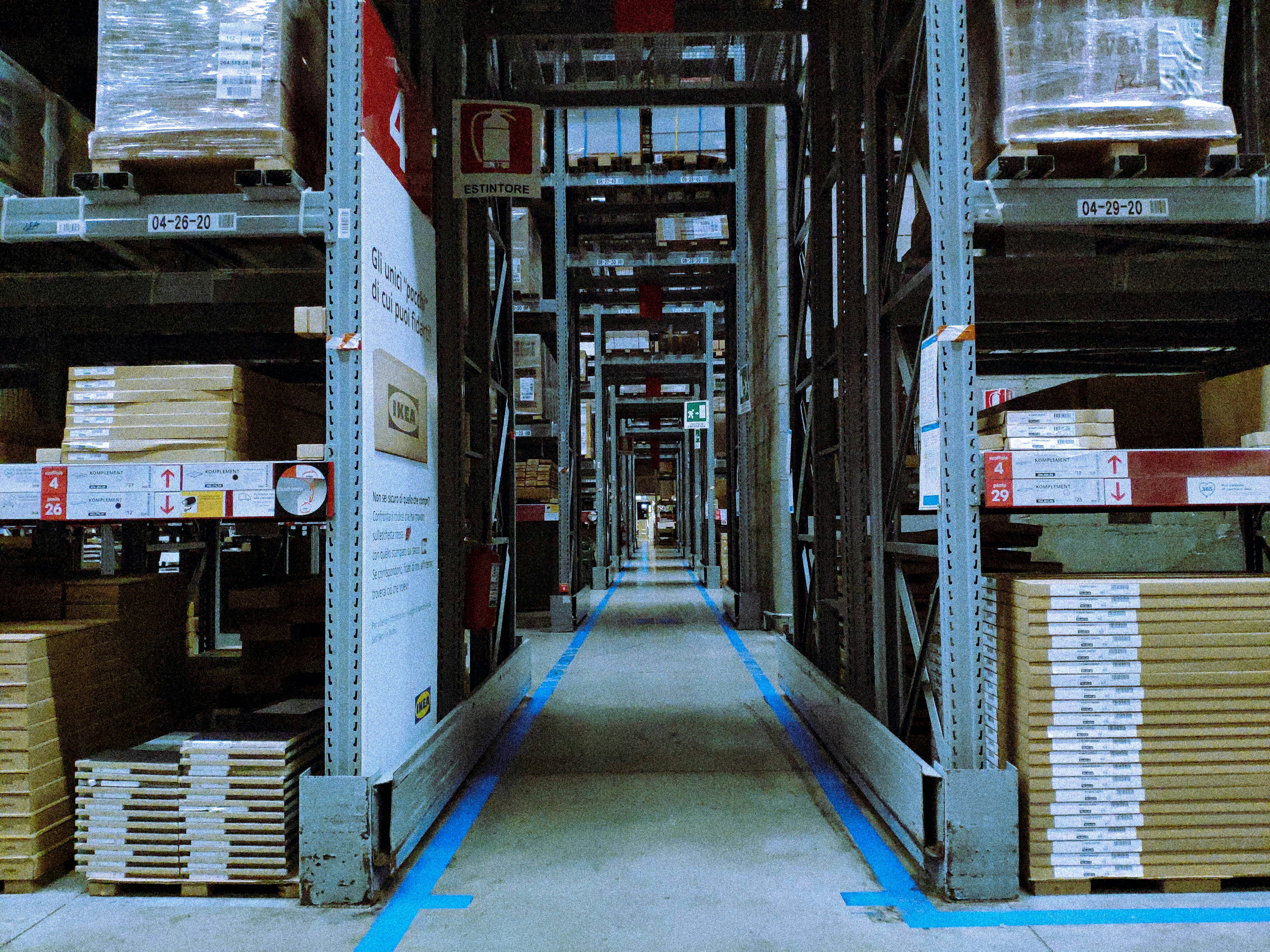

Introduction to Quality Control
Quality control (QC) encompasses a series of procedures designed to ensure that products and services meet specific requirements, standards, and customer expectations. The significance of quality control spans across various industries, including manufacturing, pharmaceuticals, food and beverage, and service sectors. In these domains, QC plays an integral role in minimizing defects, ensuring compliance with regulatory standards, and ultimately enhancing customer satisfaction. The primary objective of quality control is to maintain product quality through consistent monitoring and systematic evaluations.
One of the foremost goals of quality control processes is to identify defects or areas of non-conformance during production or service delivery. By implementing rigorous QC measures, businesses can recognize these issues in a timely manner, allowing for adjustments to be made before products reach consumers. This proactive approach not only preserves brand reputation but also significantly reduces the costs associated with rework and returns, thus contributing to a healthier bottom line.
Furthermore, effective quality control measures are aligned with industry standards and regulations that ensure safety and efficacy. Compliance with these standards is crucial, particularly in highly regulated sectors such as pharmaceuticals and food production. Within these industries, adhering to stringent quality control practices safeguards public health and protects businesses from legal repercussions. Therefore, investing in quality control systems is not simply beneficial but essential for operational success.
The integration of efficient tracking systems, such as barcode tracking, plays a pivotal role in enhancing quality control across various phases of production and distribution. These systems facilitate real-time monitoring, accurate data collection, and swift identification of any discrepancies. By leveraging such advanced tracking technologies, organizations can significantly enhance the effectiveness of their quality control processes, ensuring that products consistently meet established standards and customer expectations.
Understanding Barcode Technology
Barcode technology is an essential component in modern inventory management and product identification processes. It utilizes a combination of rectangular patterns or bars to encode data, allowing for rapid and accurate scanning of information. There are two primary types of barcodes: 1D and 2D. One-dimensional (1D) barcodes, commonly seen in retail settings, represent data using vertical lines of varying thickness and spacing. This format is effective for encoding limited information, such as product identifiers and prices. Examples include the Universal Product Code (UPC) and Code 39.
In contrast, two-dimensional (2D) barcodes, like QR codes and Data Matrix codes, store significantly more information within a smaller space. These codes can include alphanumeric characters, URLs, and other complex data. Their ability to hold larger datasets permits functionalities such as linking to websites, providing detailed product information, and even facilitating mobile payments. This improved efficiency is particularly beneficial in sectors that require comprehensive product tracking, enhancing overall quality control.
A barcode system consists of several key components: the barcode itself, a scanner, and software for data processing. Barcode scanners, whether handheld or stationary, capture the information encoded in barcodes and convert it into a digital format. The software then processes this data, integrating it into inventory management systems or databases for further analysis. As businesses look to enhance quality control, the use of barcode tracking has evolved significantly. Originally developed for grocery store pricing, barcode technology has transformed the supply chain, logistics, and manufacturing sectors.
Overall, understanding barcode technology and its applications is crucial for organizations aiming to streamline operations and improve product traceability. The adoption and advancement of barcode systems have not only simplified the tracking process but also paved the way for future innovations in inventory management.
The Role of Barcode Tracking in Quality Control
Barcode tracking has emerged as a pivotal component in enhancing quality control processes across various industries. By integrating barcode technology, organizations can achieve real-time tracking of materials and products, which significantly improves visibility and traceability throughout the supply chain. This increased level of oversight ensures that any issues related to product quality can be detected at their source, allowing for prompt intervention and resolution.
One of the primary advantages of barcode tracking is its contribution to accuracy in inventory management. With automated data collection, businesses can minimize human error and maintain precise records of inventory levels. This accuracy enables companies to make informed decisions regarding stock replenishment and demand forecasting, ultimately leading to more effective quality control measures. Additionally, barcode scanning facilitates seamless audits of inventory, ensuring compliance with industry standards and regulations that are vital for maintaining high-quality outputs.
Furthermore, the implementation of barcode tracking allows manufacturers to quickly identify defects or inconsistencies in production. As each product or batch is assigned a unique barcode, it becomes easier to trace back any faults to specific processes or materials. This capability not only improves accountability within the production cycle but also aids in root cause analysis, promoting continuous improvement and adherence to quality benchmarks.
The combination of real-time tracking, accurate inventory management, and swift defect identification positions barcode tracking as an essential tool for organizations seeking to enhance their quality control frameworks. As industries continue to evolve, the integration of barcode technology will play a crucial role in ensuring that quality control processes remain effective and efficient, ultimately leading to improved customer satisfaction and brand reputation.
Benefits of Implementing Barcode Tracking in Quality Control
Barcode tracking has emerged as a pivotal component in modern quality control processes, offering a multitude of benefits that enhance overall operational efficiency. One of the foremost advantages is the significant increase in accuracy and reduction in human error. Traditional methods of data entry often involve manual processes that are prone to mistakes. By utilizing barcode systems, organizations can ensure that information is recorded swiftly and accurately. This leads to more precise inventory management and a more reliable quality assurance process.
Moreover, the implementation of barcode tracking systems can result in substantial cost reductions. Businesses that adopt barcode technology reduce the time spent on labor-intensive tasks such as inventory audits and compliance checks. Additionally, these systems enable real-time monitoring of products, allowing for quick identification and rectification of quality issues. This minimizes waste and decreases the cost associated with product recalls or rework, thus enhancing the bottom line.
Another critical benefit of barcode tracking in quality control is improved compliance with industry standards. Many industries, including pharmaceuticals and food production, are subject to strict regulatory guidelines. Barcode systems provide a reliable audit trail, ensuring that all products can be traced throughout the supply chain. This transparency not only facilitates compliance with quality standards but also enhances brand reputation by assuring customers of product safety and quality.
Case studies from various sectors reinforce these claims. For instance, a beverage manufacturer reported a 30% reduction in quality control errors after integrating a barcode tracking solution. Such statistics highlight the tangible benefits that organizations can expect upon implementing barcode technology. In summary, the implementation of barcode tracking in quality control processes fosters increased efficiency, decreased costs, and enhanced compliance with quality standards, ultimately driving organizational success.
Challenges of Integrating Barcode Tracking
Implementing barcode tracking systems into existing quality control processes presents several challenges that organizations need to navigate carefully. One significant barrier is the initial investment costs, which can often be substantial. Acquiring the necessary hardware, such as barcode scanners and printers, along with software solutions for managing the data, can strain budgetary resources, particularly for smaller companies or those with limited financial flexibility. Furthermore, upgrading or modifying current quality control systems to accommodate the new technology may also entail additional costs.
Another challenge is the resistance to change that can occur within organizations. Employees accustomed to traditional quality control methods may be hesitant to adopt barcode tracking systems. This reluctance can stem from a lack of understanding of the benefits or from fears about how the new technology might impact their roles. Effective change management strategies, including clear communication about the advantages of barcode tracking, are essential to mitigating resistance and fostering a culture receptive to innovation.
Moreover, employee training is crucial for the successful implementation of barcode tracking systems. Staff must be trained not only in using the technology but also in understanding best practices for data entry and quality control processes. Insufficient training can lead to errors, which may compromise the efficiency of quality tracking efforts. Thus, a comprehensive training program should be designed to equip employees with the skills necessary for effective utilization of the new system.
Finally, choosing the right barcode system to meet an organization’s unique requirements is vital. With various types of barcode formats, software solutions, and hardware options available, aligning these with specific operational needs can be complex. Inadequate selection may result in complications that hinder the quality control process rather than enhance it. Overall, addressing these challenges is essential for organizations aiming to successfully integrate barcode tracking into their quality control systems.
Best Practices for Effective Barcode Tracking
Implementing barcode tracking within a quality control system can significantly enhance operational efficiency. To ensure successful integration, there are several best practices to consider. First, selecting the appropriate barcode technology is crucial. Various barcode formats exist, such as QR codes, Code 128, and Data Matrix, each providing different benefits based on the application. Organizations should evaluate their specific needs, including the environment, storage capacity, and scanning distance before making a selection. This choice will directly influence the accuracy and effectiveness of the barcode tracking system.
Equally important is ensuring accurate data entry during the implementation phase. Human error can lead to significant issues in data integrity. To mitigate this, barcodes should be scanned consistently to reduce manual input where possible. Additionally, it is vital to conduct regular audits and verify the data captured against physical inventory. This practice not only identifies discrepancies but also helps in reinforcing the reliability of the information collected through barcode tracking.
Maintaining barcode scanning equipment is another essential aspect of a successful tracking strategy. Regular servicing of scanners and updating scanning software can prevent potential disruptions and inaccuracies. Setting a routine maintenance schedule ensures that devices stay in optimal working condition, ultimately maximizing productivity and minimizing downtime.
Lastly, continuous training of personnel involved in the barcode tracking process is critical. Employees should be educated about the importance and functionality of barcode systems. This training helps in fostering a culture of accuracy and diligence, promoting adherence to best practices. By keeping staff informed on the latest technologies and techniques, organizations can ensure a seamless integration of barcode tracking into their quality control frameworks.
Technological Advancements in Barcode Tracking
In recent years, barcode tracking systems have witnessed significant advancements, revolutionizing the way organizations manage quality control. Among these innovations, mobile barcode scanners have emerged as essential tools, providing increased flexibility and efficiency in tracking inventory and product movements. These handheld devices allow users to scan barcodes quickly from various angles, facilitating real-time data collection without being tethered to a desktop system. This capability not only enhances the accuracy of data entry but also reduces processing time, thus bolstering overall operational efficiency.
Furthermore, the integration of cloud-based systems has played a pivotal role in the evolution of barcode tracking technology. Cloud solutions enable businesses to store vast amounts of data securely and access it from any location with internet connectivity. This decentralization of data management allows for improved collaboration among departments, ensuring that all stakeholders have access to up-to-date information regarding inventory levels, shipment statuses, and product quality. As a result, organizations can enhance their responsiveness to market demands and streamline their supply chain processes.
Additionally, the convergence of barcode tracking with other technologies, such as Radio Frequency Identification (RFID), is reshaping quality control practices. RFID technology complements traditional barcode systems by enabling automatic and contactless data capture over longer distances. This synergy allows for more efficient tracking of items in warehouses, reducing the likelihood of human error during data collection and enhancing inventory accuracy. As companies increasingly adopt these advanced systems, they are poised to improve product traceability, facilitate compliance with industry regulations, and ultimately, ensure higher quality standards in their offerings.
Case Studies: Success Stories in Barcode Tracking
Many organizations across various sectors have experienced significant improvements by integrating barcode tracking into their quality control processes. One notable case is that of a leading automotive manufacturer, which implemented a barcode tracking system across its assembly lines. By tagging each component with unique barcodes, the company was able to streamline inventory management and reduce errors in the assembly process. This implementation not only enhanced operational efficiency but also significantly decreased production downtime, resulting in a 15% increase in overall output.
Another success story comes from a major pharmaceutical company that adopted barcode tracking for its medication distribution process. The company faced challenges with maintaining product integrity due to human errors and mismanagement in tracking inventory. Through the introduction of barcode scanning technology, the firm achieved improved traceability of products from the manufacturing phase to the final distribution. The enhancement in tracking accuracy led to a remarkable 20% reduction in product recalls due to mislabeling or expired medications. This not only saved the company financially but also bolstered its reputation within the industry by ensuring patient safety.
In the retail sector, a prominent clothing retailer utilized barcode tracking to enhance their quality control efforts. By implementing a barcode system that monitored inventory levels and product conditions, the retailer was able to engage in regular audits with greater precision. This proactive approach allowed the company to identify defective items earlier in the supply chain, resulting in a 30% decrease in return rates and improving customer satisfaction. Such positive outcomes exemplify how barcode tracking, as a quality control tool, can drive improvements in various operational aspects.
These case studies underscore the effectiveness of barcode tracking in enhancing quality control measures. As companies continue to adopt this technology, the benefits related to efficiency, product quality, and operational excellence become increasingly evident.
Conclusion: The Future of Quality Control with Barcode Tracking
As we have explored throughout this blog post, barcode tracking has emerged as a transformative tool in the realm of quality control. By seamlessly integrating barcode technology into existing quality management processes, organizations can significantly enhance their ability to monitor, assess, and improve product quality. The precision and accuracy afforded by barcode systems not only streamline operations but also minimize errors, ultimately leading to a more robust quality assurance framework.
The integration of barcode tracking facilitates real-time data collection, allowing for immediate identification of discrepancies and faster response times. This proactive approach to quality control enables businesses to maintain compliance with industry standards and reduce the risk of recalls or product failures. Furthermore, adopting such technology can yield a substantial return on investment through improved operational efficiencies and customer satisfaction.
Looking to the future, we can anticipate further advancements in barcode tracking technologies that promise even greater benefits for quality control processes. Innovations such as the integration of Artificial Intelligence (AI) and Internet of Things (IoT) capabilities may lead to even more sophisticated tracking systems, enabling predictive analytics and higher levels of automation in quality management practices. These developments could serve as a game-changer, empowering companies with deeper insights into their quality processes and enhancing decision-making capabilities.
In light of these advantages and potential future advancements, it is essential for organizations to consider the adoption of barcode tracking solutions in their quality control practices. Embracing this technology not only bolsters quality assurance efforts but positions companies competitively in an ever-evolving market landscape. The shift towards barcode tracking is not merely an option; it is becoming a necessity for those aiming to succeed in modern manufacturing and service environments.
© barcodly.com- All rights reserved