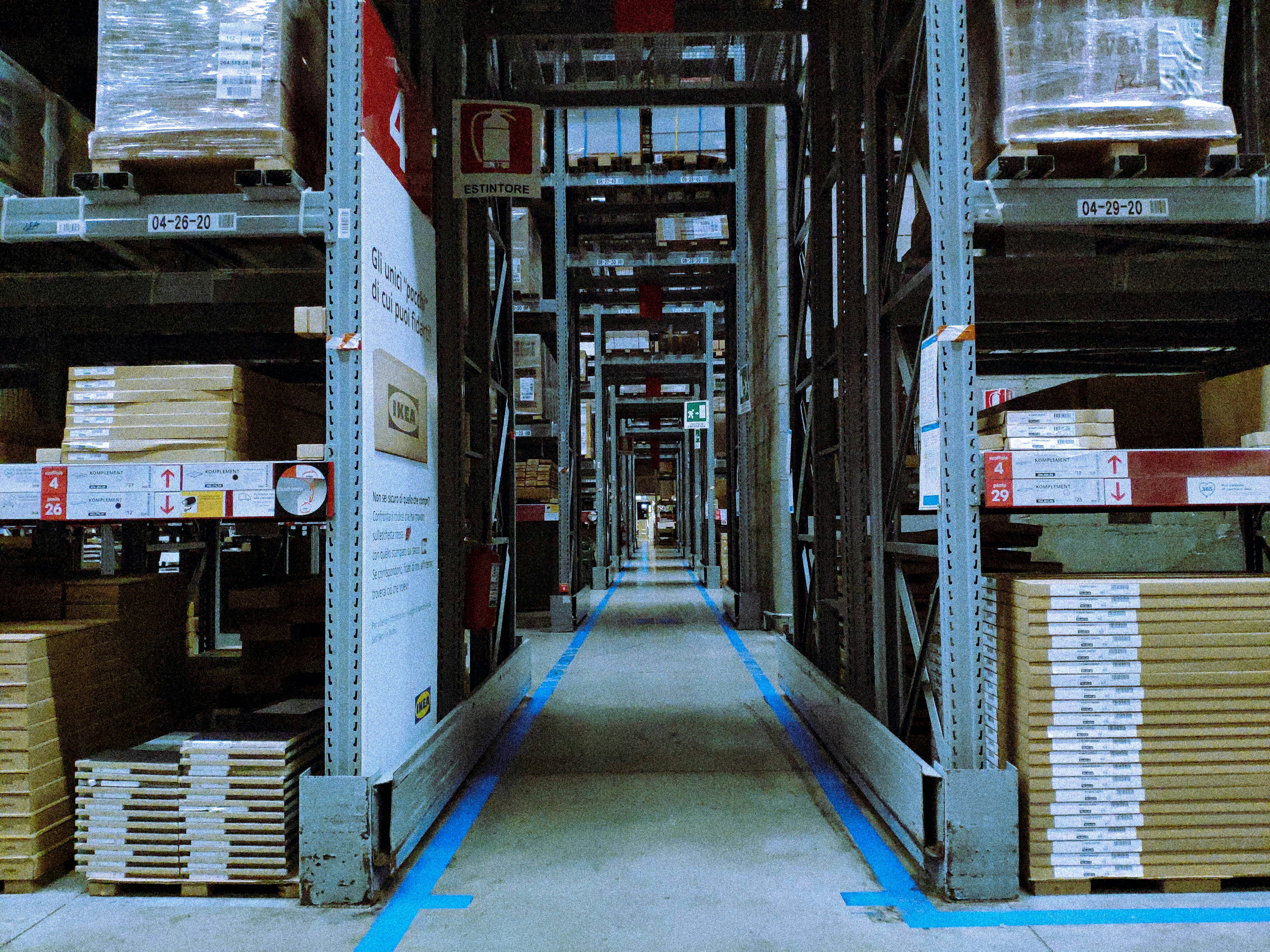

Introduction to GS1 and Its Purpose
GS1 is an international organization dedicated to the development and implementation of global standards for business communication. Founded in 1973, GS1 has evolved to meet the complexities of modern commerce, serving as a pivotal entity in facilitating the seamless exchange of information between businesses and industries. Its mission is to improve efficiency, safety, and visibility within supply chains worldwide. This is achieved through the establishment of standards that ensure clear and consistent identification of products across various sectors.
The significance of GS1 standards cannot be understated in today’s global market, where supply chains span multiple countries and jurisdictions. By providing a unique identification system for products, GS1 enhances not only inventory management but also supports transparency for consumers. The standards allow businesses to accurately track and trace products throughout the supply chain, thereby minimizing errors and improving operational efficiency. This aspect is particularly vital in industries such as food, pharmaceuticals, and retail, where product authenticity and safety are paramount.
Moreover, GS1’s role extends beyond mere identification; it encourages collaboration among businesses by offering frameworks that facilitate interoperability. For instance, the implementation of Global Trade Item Numbers (GTINs) enables companies to effortlessly exchange information regarding their products on a global scale. With the rise of e-commerce and digital marketplaces, adherence to GS1 standards ensures that businesses remain competitive and responsive to consumer demands.
In summary, the establishment of GS1 standards is instrumental in revolutionizing how products are traded and identified globally. By adhering to these guidelines, businesses not only improve their operational efficiency but also contribute to a more transparent and accountable trading environment, benefiting consumers and suppliers alike.
What are Barcodes? A Brief Explanation
Barcodes are machine-readable symbols that represent data in a visual format. These symbols consist of a series of parallel lines, varying in width and spacing, which encode information that can be easily scanned and interpreted by devices known as barcode readers. The fundamental purpose of barcodes is to facilitate the quick and accurate identification of products, enhancing efficiency in various applications such as retail, logistics, and inventory management.
The most prevalent types of barcodes include one-dimensional (1D) and two-dimensional (2D) formats. 1D barcodes, such as the Universal Product Code (UPC), are typically composed of vertical lines and spaces. These barcodes can store limited data, such as product identification numbers. In contrast, 2D barcodes, like Quick Response (QR) codes, encode data both horizontally and vertically, allowing for the storage of significantly more information—ranging from URLs to detailed text messages. The transition towards the adoption of 2D barcodes has been encouraged due to their increased data capacity and versatility in applications.
Barcodes play a crucial role in inventory management and sales tracking within various industries. By scanning barcodes, businesses can streamline their inventory processes, minimizing the time spent on manual tracking and reducing errors associated with data entry. Furthermore, the information encoded in a barcode can be linked to a centralized database, enabling real-time access to stock levels and sales data. This capability allows organizations to analyze trends, manage stock efficiently, and improve customer satisfaction by ensuring product availability.
Overall, barcodes are indispensable tools in modern commerce, facilitating accurate identification and tracking of products throughout the supply chain while contributing to increased operational efficiency.
The Importance of Global Standards
In an increasingly interconnected world, global standards play a vital role in facilitating efficient business operations across borders. For companies that operate on an international scale, adhering to these standards is essential for several reasons. One of the primary advantages of global standards is the enhancement of trade efficiency. By providing a universal system for product identification, businesses can streamline their processes, ensuring that products are easily recognized and tracked throughout the supply chain. This efficiency is particularly crucial in minimizing delays and optimizing delivery times, which are key factors in customer satisfaction.
Moreover, global standards help in reducing errors within the logistics and inventory management systems. When businesses utilize a consistent system, such as the GS1 Global Barcode Standards, they mitigate the risks associated with misidentification of products. This accuracy leads to fewer discrepancies in orders, reduces the likelihood of returns, and consequently improves overall operational performance. The adoption of these standards allows for a cohesive approach to inventory tracking, risk management, and vendor relations, which can be particularly beneficial in a diverse global market.
Another significant benefit of employing global standards is the facilitation of smoother cross-border transactions. Regulatory compliance is often a complex aspect of international trade. By adhering to GS1 Global Barcode Standards, businesses ensure that their products meet international requirements, which simplifies customs clearance and enhances cooperation among trading partners. This compliance enables businesses to expand their reach into new markets more effectively and reduces the barriers associated with entering foreign territories.
In conclusion, the importance of global standards cannot be understated. They not only improve trade efficiency and reduce operational errors but also foster smoother transactions in the global marketplace. Therefore, embracing these standards is imperative for businesses aiming to succeed in today’s competitive environment.
Components of GS1 Barcodes
GS1 barcodes are integral to supply chain management and product identification, offering a standardized approach to encoding information. The primary components of these barcodes include unique identification numbers, barcode symbols, and the associated data which, when combined, enable efficient scanning and data retrieval.
At the heart of every GS1 barcode is the unique identification number known as the Global Trade Item Number (GTIN). This number is assigned to every product, providing a universal reference that ensures distinctiveness across various markets and regions. The GTIN can take various forms including GTIN-8, GTIN-12, GTIN-13, and GTIN-14, catering to different packaging sizes and formats. This flexibility ensures each product variant can be uniquely identified, facilitating accurate inventory management and reducing errors in product handling.
The next critical component is the barcode symbols, which are graphical representations of the GTIN and other encoded information. GS1 barcodes can appear in different formats such as GS1-128, GS1 DataMatrix, and UPC. The choice of barcode symbol typically depends on the application, with some formats optimized for smaller items or areas with limited space. These symbols utilize a combination of bars and spaces of varying width to represent data, allowing for quick and reliable scanning.
Additively, GS1 barcodes can contain supplementary data beyond the GTIN, such as expiration dates, batch numbers, and serial numbers. This additional information contributes to comprehensive traceability and enhances the efficiency of logistics operations. The interplay of identification numbers, barcode symbols, and encoded data ensures consistency, accuracy, and reliability, which are foundational to the effective use of GS1 standards in global commerce.
Different Types of GS1 Barcodes
GS1 barcodes are essential tools in the supply chain, facilitating the efficient tracking and identification of products. Among the various types of GS1 barcodes, the Universal Product Code (UPC) is perhaps the most widely recognized. Commonly used in retail environments, UPC barcodes consist of 12 numerical digits and are primarily utilized for point-of-sale transactions. Their straightforward structure allows for swift scanning, thus expediting checkout processes and inventory management.
The European Article Number (EAN) is similar to the UPC but accommodates international needs by offering a 13-digit format. This barcode is prevalent in Europe and is preferred for packaging consumer goods that are sold worldwide. Due to its global nature, the EAN facilitates seamless cross-border commerce and enhances product visibility in different markets.
QR codes, or Quick Response codes, represent a modern addition to the barcode family. Unlike traditional barcodes, QR codes can store a substantial amount of data, including website URLs and product information. They are often employed in marketing campaigns and on packaging to engage consumers interactively. Scanning a QR code with a smartphone provides instant access to promotional materials or product details, making them quite versatile.
Data matrix codes, on the other hand, are two-dimensional barcodes capable of encoding large volumes of data in a small space. Their compact design makes them suitable for use on small products or components. Data matrix codes are commonly used in healthcare and electronics, where precise tracking and identification are critical. Their ability to be read regardless of orientation also enhances scanning efficiency in fast-paced environments.
As various industries continue to evolve, understanding the different types of GS1 barcodes—and their specific applications—becomes increasingly important. Selecting the appropriate barcode type can improve logistical efficiency and consumer engagement, underscoring the significance of these standards in modern commerce.
How to Implement GS1 Barcodes in Your Business
Implementing GS1 barcodes within your business can streamline inventory management and improve overall operational efficiency. The initial step involves selecting the appropriate barcode type based on your products and specific needs. GS1 offers various barcode formats, including UPC, EAN, and QR codes, each serving different functions and industries. Assessing your product types and distribution channels will aid in making an informed choice.
Once you have identified the suitable barcode type, the next essential step is to obtain a GS1 Company Prefix. This unique identifier, assigned by GS1, will allow your organization to create barcodes that are globally recognized. You can apply for a GS1 Company Prefix through your local GS1 organization, which may provide specific guidelines and application forms. Keep in mind that the prefix also enables the generation of unique numbers for each of your products and helps in maintaining accurate inventory records.
After securing the GS1 numbers, integrating barcode systems into your existing workflows is crucial. This may involve updating your inventory management system and coordinating with your suppliers and retailers. Ensuring that all entities in your supply chain are familiar with GS1 standards will facilitate smoother operations and minimize discrepancies.
Hardware and software considerations are vital in the implementation process. Selecting the right scanning devices—such as handheld scanners or fixed-position readers—will enhance your ability to capture barcode data effectively. Additionally, ensure that your point of sale (POS) systems and inventory management software support the GS1 standards to seamlessly integrate with the barcoding system. Regular training sessions for your staff on the usage and benefits of GS1 barcodes will further optimize the implementation process.
By carefully selecting the correct barcode formats, obtaining necessary GS1 numbers, and effectively integrating all components into your systems, your business can fully leverage the benefits of GS1 barcodes, leading to improved accuracy and operational performance.
Compliance and Regulation
The adherence to GS1 global barcode standards is paramount for manufacturers and retailers alike, as it encompasses various legal aspects crucial for the seamless operation of the supply chain. GS1 standards serve not only as industry benchmarks but also as legal requirements that ensure products are correctly identified, tracked, and managed throughout their lifecycle. Compliance with these regulations is not merely a suggestion; it is often a necessity mandated by government authorities and trade organizations globally.
Manufacturers are required to implement proper barcode labeling and tracking practices to maintain compliance. This commitment ensures that products can be accurately scanned and traced across different operations, from the manufacturing phase to retail shelves. Failure to adhere to these standards can lead to significant repercussions, including product recalls, which can have dire consequences for a company’s reputation and financial stability. In the worst cases, non-compliance can lead to sanctions from regulatory bodies and loss of market access.
Retailers, too, are governed by strict guidelines that necessitate the use of GS1 barcodes in their inventory systems. Accurate scanning and inventory management not only boost efficiency but also enhance customer satisfaction by ensuring that products are readily available and correctly priced. Proper compliance with GS1 standards also mitigates the risks of inventory inaccuracies, which can lead to overstock or stockouts. Moreover, the relevance of GS1 standards extends to international trade, where compliance is essential for cross-border transactions and ensuring that products meet the specific regulatory demands of different markets.
In essence, adherence to GS1 compliance requirements is integral to maintaining a robust supply chain, protecting brand integrity, and ensuring consumer safety. As the marketplace continues to evolve, the emphasis on compliance with barcode standards will only intensify, underscoring the critical role that these standards play in the business environment.
Advantages of Using GS1 Barcode Standards
The implementation of GS1 barcode standards offers numerous advantages that can substantially improve business operations across various sectors. One of the primary benefits is the increased accuracy in inventory tracking. Utilizing GS1 barcodes allows businesses to maintain real-time visibility of their inventories. Each product is assigned a unique barcode that can be scanned and tracked, reducing the likelihood of errors that occur with manual entry systems. Consequently, this enhanced level of accuracy ensures that businesses can monitor stock levels more effectively, decreasing instances of overstocking or stockouts, which can adversely affect cash flow and customer satisfaction.
Moreover, GS1 standards facilitate improved product availability, which is crucial for nurturing customer satisfaction. By streamlining the order and fulfillment processes, businesses can provide more reliable service to their customers. The interoperability of GS1 barcodes across diverse platforms and retail environments means that products can be easily identified, ordered, and restocked in a timely manner. As a result, consumers benefit from increased access to products, which enhances their overall shopping experience and builds brand loyalty.
In addition to accuracy and consumer satisfaction, GS1 barcode standards promote streamlined processes within an organization. When all stakeholders—including suppliers, distributors, and retailers—utilize the same barcode standards, communication and transactions become more efficient. The consistent use of GS1 barcodes minimizes misunderstandings and accelerates the flow of goods through the supply chain. Consequently, organizations can optimize their operational efficiency, reduce costs, and ultimately improve profitability. In today’s competitive landscape, leveraging GS1 barcode standards not only fosters better internal processes but also enhances external relations, paving the way for sustainable business growth.
Future Developments and Trends in GS1 Standards
The landscape of global barcode standards is evolving rapidly, influenced by emerging technologies and changing business environments. One of the key trends is the advancement in barcode technology itself. As businesses seek greater efficiency and accuracy, innovations such as 2D barcodes and QR codes are becoming more prevalent. These technologies offer increased data capacity and improved scanning capabilities, facilitating more effective inventory management and product tracking.
Another significant trend is the integration of the Internet of Things (IoT). The combination of GS1 standards with IoT technology enables real-time data capture and sharing, leading to smarter supply chain management. For instance, products equipped with R RFID tags can provide instantaneous updates regarding their location and condition, significantly enhancing traceability and reducing losses. This interconnectedness will likely drive businesses towards a more transparent and data-driven operational model.
Moreover, the adoption of blockchain technology is beginning to intersect with GS1 standards. By providing a decentralized and secure way to track products through every stage of the supply chain, blockchain can enhance trust among consumers and partners alike. With added verification of authenticity, businesses leveraging these systems can also combat issues related to counterfeiting and fraud.
As companies increasingly pivot towards sustainability, the incorporation of GS1 standards into eco-friendly practices is also anticipated. This may involve utilizing barcodes to better manage recyclable materials or to signify adherence to environmental certifications, aligning business operations with consumer and regulatory expectations regarding sustainability.
In conclusion, the future of GS1 standards is marked by substantial innovations that are set to transform various aspects of business operations. By staying informed of these developments, organizations can strategically position themselves to capitalize on the benefits of these advancements, ultimately enhancing their operational efficiency and competitiveness in the market.
© barcodly.com- All rights reserved