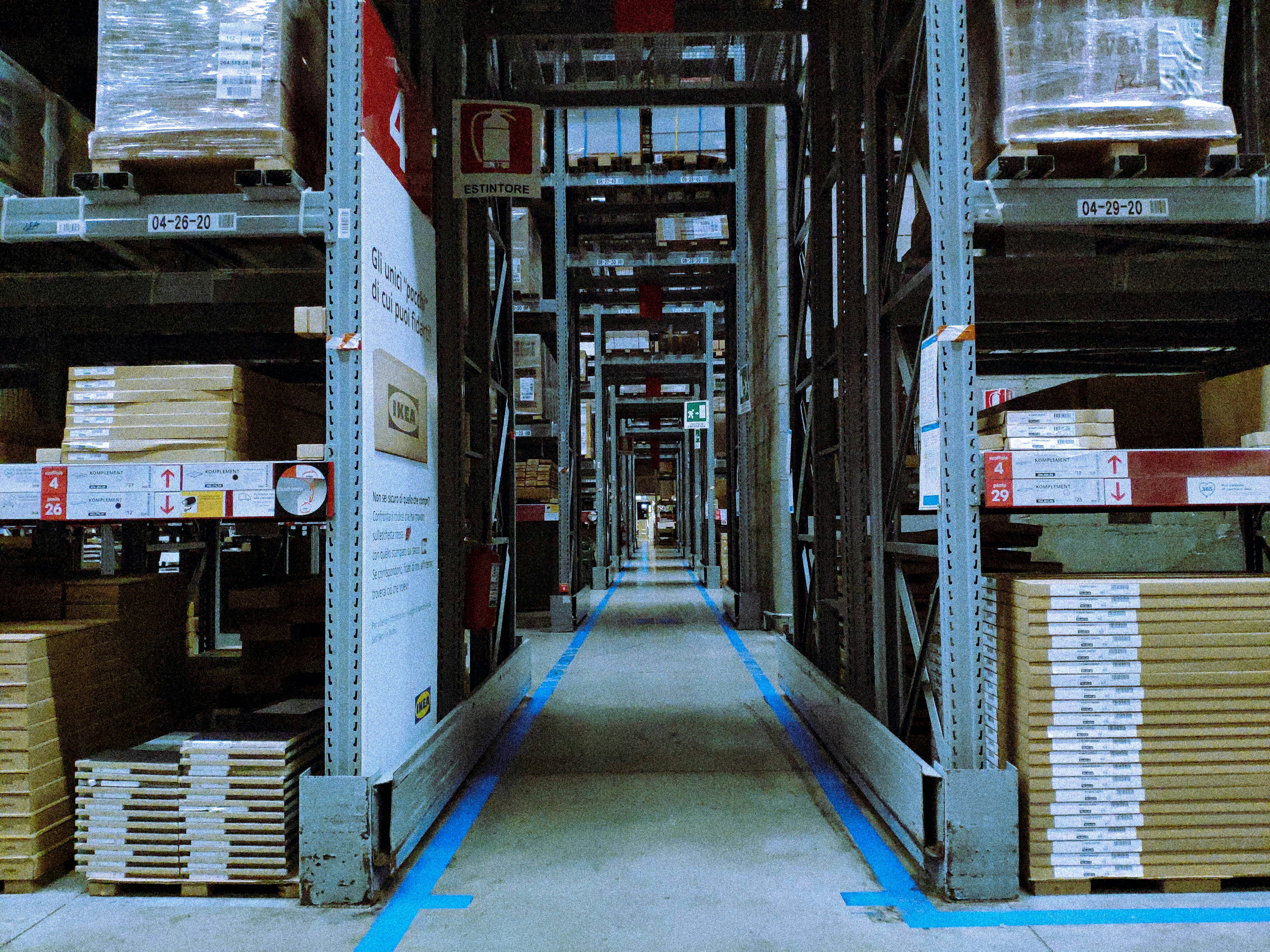

Introduction to Warehouse Management
Warehouse management is a critical component of supply chain operations that involves overseeing and controlling the storage, movement, and distribution of goods within a warehouse. Effective warehouse management practices ensure that inventory levels are maintained, orders are fulfilled efficiently, and the overall operation functions smoothly. In today’s fast-paced market, the importance of efficient warehouse management cannot be overstressed, as it directly impacts the customer experience and the organization’s bottom line.
One of the key challenges faced by warehouses is inventory tracking. Maintaining accurate inventory counts is essential, yet many warehouses struggle with discrepancies due to manual processes or outdated systems. Inaccurate inventory levels can lead to stockouts or overstock situations, which can further complicate order fulfillment and ultimately affect customer satisfaction. Additionally, the complexities of managing multiple product lines can add further challenges, making it imperative to adopt solutions that streamline and enhance inventory management.
Order fulfillment is another critical area where warehouses often encounter difficulties. With increasing demands for faster shipping and delivery, warehouses must develop processes that allow them to pick, pack, and ship orders with greater speed and accuracy. This is particularly challenging when dealing with high volumes of orders or time-sensitive shipments. Therefore, optimizing workflow and increasing the efficiency of labor resources is vital to meet the growing expectations of end consumers.
The overall efficiency of warehouse operations is further hindered by factors such as labor shortages, the need for improved communication between teams, and the integration of various technologies. In light of these challenges, adopting advanced solutions, such as barcode technology, becomes crucial. By enhancing inventory tracking, automating data capture, and streamlining order fulfillment, barcode systems offer a modern approach to tackle the issues prevalent in warehouse management today.
Understanding Barcode Technology
Barcode technology serves as a critical component in modern inventory management and supply chain operations. At its core, a barcode is a visual representation of data that can be scanned and read by optical devices. Barcodes typically contain information that can be translated into numbers or text, thereby streamlining processes such as tracking products and managing inventory. The fundamental working principle involves a scanner that emits a light source onto the barcode, capturing the reflected light and converting it into digital data for processing.
Barcodes are available in various formats, primarily categorized into two types: 1D (one-dimensional) and 2D (two-dimensional). 1D barcodes, commonly seen on retail products, consist of parallel lines that represent data. They are effective for encoding limited information such as product identification numbers. In contrast, 2D barcodes, like QR codes, can encode a significantly larger amount of data, including URLs or product details. This expanded capability makes 2D barcodes particularly useful for applications in diverse sectors, such as healthcare, logistics, and retail.
The hardware necessary for the implementation of barcode technology comprises scanners, printers, and software solutions. Barcode scanners vary in type, including handheld, stationary, and mobile devices, which enable users to scan barcodes quickly and accurately. Barcode printers are essential for generating labels that feature barcodes, while specialized software solutions assist in managing the scanned information. Together, these components create an integrated system that enhances efficiency, reduces human error, and improves data accuracy within warehouse and inventory management processes.
Benefits of Implementing Barcode Systems in Warehouses
The integration of barcode technology in warehouse management has become increasingly vital in today’s retail and logistics sectors. One of the primary benefits of barcode systems is the significant increase in accuracy when tracking inventory. Traditional manual inventory counts are prone to human error, whereas barcode scanning reduces these discrepancies, ensuring that stock levels are up-to-date. Studies reveal that implementing barcode systems can improve inventory accuracy rates by up to 99.9%, allowing businesses to operate more efficiently.
Another advantage of barcode technology is the speed at which data can be retrieved. With barcode scanners, employees can quickly access product information, thereby expediting processes like restocking and picking orders. This quick retrieval is essential in high-volume environments where time is of the essence. For instance, companies that have adopted barcode systems have reported a reduction in order processing time by 30-50%, leading to faster delivery and enhanced customer satisfaction.
In terms of productivity, barcode systems contribute significantly to improved employee efficiency. The reduced need for extensive manual data entry allows warehouse staff to focus on more complex tasks that add value to the organization. A case study from a leading logistics firm found that employee productivity increased by 25% after the implementation of a barcode tracking system, as workers spent less time managing data and more time on fulfillment operations.
Furthermore, enhanced order fulfillment processes are a notable benefit of using barcode technology. By automating various steps in the order processing cycle, warehouses can ensure that orders are picked, packed, and shipped with higher accuracy. This not only improves customer trust but also minimizes the costs associated with returns. Overall, the integration of barcode systems in warehouses yields an impressive array of benefits that bolster operational efficiency and overall performance.
How Barcode Systems Streamline Inventory Management
In the realm of warehouse management, barcode technology plays a pivotal role in enhancing inventory management practices. At the forefront of this advancement is the capability for real-time inventory tracking. Implementing barcode systems allows businesses to record and access inventory data instantly, facilitating immediate updates across their management software. This real-time visibility reduces the chances of stock discrepancies, ensuring that inventory levels are accurately reflected at all times. As items are scanned upon receipt, movement, and shipping, discrepancies stemming from human error are significantly minimized, leading to improved operational efficiency.
In addition to real-time tracking, barcode systems support effective cycle counting. Traditional inventory management often relies heavily on periodic counts, which can lead to inaccuracies if not conducted meticulously. By integrating barcode scanning into cycle counting processes, organizations can conduct more frequent and less disruptive counts. This enables businesses to maintain accurate stock levels continually, facilitating proactive inventory management instead of reactive measures driven by discrepancies. The efficiency of scanning items in real-time encourages workers to engage in ongoing inventory assessments, further solidifying inventory accuracy.
Furthermore, the integration of barcode systems with advanced inventory management software dramatically enhances data management. This integration allows for seamless updates to stock levels, order processing, and even analytics, leading to a more streamlined workflow. Automated data entry reduces manual processes, which can be time-consuming and prone to errors. With software solutions specifically designed to work alongside barcode technology, warehouse managers gain access to insightful reports and forecasting tools, allowing for more informed decision-making regarding stock replenishment, sourcing, and inventory optimization efforts.
The Role of Barcode Technology in Order Fulfillment
In the modern warehouse environment, the demand for efficiency and accuracy has driven the extensive adoption of barcode technology. This technology plays a pivotal role in order fulfillment processes, enhancing operations from picking to packing and shipping. By replacing manual tracking methods, barcode systems allow for rapid data entry, significantly reducing the likelihood of human error.
During the picking phase of order fulfillment, barcode scanners enable warehouse personnel to quickly identify items. Scanning an item’s barcode immediately confirms its location and availability, facilitating a smoother and more accurate selection process. Companies that implement barcode technology in their picking processes report decreased picking times and increased throughput. For example, a logistics company that adopted barcode scanning experienced a 30% reduction in pick times, allowing them to fulfill orders more swiftly than in previous operations.
Once items have been picked, packing them efficiently and accurately is crucial for successful order fulfillment. Barcode technology assists in ensuring that the correct items and quantities are packed for shipping. Through the use of handheld scanners, employees verify contents against the order details, minimizing mistakes. This not only enhances customer satisfaction by reducing instances of incorrect orders but also streamlines returns, as fewer errors mean reduced fallout from customer dissatisfaction.
The shipping process also benefits from implementing barcode technology. Each package can be scanned, creating an electronic record that tracks the shipment’s journey. This provides real-time data that can be communicated to customers and stakeholders, enhancing transparency and trust. Companies leveraging barcoding for shipping have seen improvements in delivery accuracy and decreased shipping times.
In summary, the integration of barcode technology in warehousing significantly optimizes order fulfillment processes. From enhanced picking and packing accuracy to improved shipping efficiencies, barcode systems offer substantial advantages to companies aiming to refine their operational effectiveness. By embracing this technology, businesses can not only meet customer demands but also achieve greater overall productivity.
Integrating Barcode Technology with Warehouse Management Systems (WMS)
Integrating barcode technology with Warehouse Management Systems (WMS) has proven to enhance operational efficiency and accuracy in warehouse environments. By facilitating the automatic capture of data through barcode scanning, businesses can significantly improve data input processes. Traditional methods of data entry, such as manual input, are susceptible to human error, leading to discrepancies and inefficiencies. However, with barcode systems, the scanning of products or pallets allows for immediate input into the WMS, ensuring real-time accuracy and reducing the likelihood of errors.
One of the primary advantages of this integration is the capability for real-time reporting. Barcode technology allows organizations to track inventory levels dynamically. As products move in and out of the warehouse, each scan updates the WMS, providing an accurate and current representation of stock levels. This real-time visibility is crucial for effective inventory management, enabling warehouse managers to make informed decisions regarding restocking, reordering, and trend analysis.
Moreover, the implementation of barcode systems into existing warehouse management frameworks enhances visibility into warehouse operations. Stakeholders can obtain insights into various metrics, such as item locations, movement speed, and cycle times. This increased transparency allows for the identification of bottlenecks and inefficiencies, ultimately leading to performance improvements and cost savings.
However, the integration of barcode technology with WMS is not without its challenges. Businesses must consider compatibility with existing systems, employee training, and the potential need for infrastructure upgrades. Seamless integration requires a thoughtful approach to balance technological advancement with operational readiness. By addressing these considerations, organizations can fully leverage the benefits of barcode systems within their warehouse management processes, paving the way for improved efficiency and productivity.
Challenges of Implementing Barcode Technology
While barcode technology offers numerous advantages for warehouse management, its implementation is not without challenges. One of the primary concerns is the initial costs associated with integrating barcode systems. This includes expenses for purchasing scanning equipment, software, and the necessary infrastructure to support the technology. Organizations must also consider ongoing maintenance costs, which can accumulate over time. This financial investment may deter smaller businesses from adopting barcode systems, leading them to rely on traditional inventory management methods.
Another significant challenge is the training requirements for staff. The successful implementation of barcode technology hinges on employees’ ability to understand and effectively use the new system. Training programs must be developed to ensure that personnel are proficient in scanning items, managing inventory, and utilizing barcode software. Additionally, as workforce turnover occurs or when new employees are hired, ongoing training will be necessary to maintain operational efficiency. Thus, organizations must allocate time and resources to cultivate a workforce skilled in utilizing barcode technology.
Furthermore, potential system failures represent a critical risk when transitioning to barcode technology. Equipment malfunctions, software glitches, or connectivity issues can lead to disruptions in warehouse operations. Such system failures may result in delays, increased labor costs, or errors in inventory records, negatively impacting overall productivity. To mitigate these risks, firms should establish robust troubleshooting protocols and invest in reliable technology that minimizes downtime.
In addressing these challenges, organizations can implement strategic solutions. By conducting a thorough cost-benefit analysis prior to implementation, businesses can make informed decisions regarding investments in barcode technology. Creating a comprehensive training program can enhance staff proficiency and reduce the likelihood of errors. Finally, investing in high-quality equipment and establishing contingency plans can help mitigate the risks associated with potential system failures. These strategies can pave the way for a smoother integration of barcode technology in warehouse management, ultimately maximizing its benefits.
Future Trends in Barcode Technology and Warehouse Management
As we look ahead, the landscape of warehouse management is poised for significant transformation driven by advancements in barcode technology. One notable trend is the increased integration of automated systems, particularly robotics and artificial intelligence (AI). These technologies are not only streamlining operations but are also enhancing accuracy and efficiency in inventory management. By incorporating AI algorithms that analyze data collected through barcode systems, warehouses can optimize their inventory levels, predict demand fluctuations, and minimize waste.
Robotics, when combined with barcode technology, is reshaping the way goods are stored and retrieved. Autonomous mobile robots equipped with advanced sensors and barcode scanners can navigate through warehouses, picking items and transporting them to designated locations. This not only reduces the labor intensity of searching for products but also accelerates the overall processing time. As these automated systems become more prevalent, it is expected that traditional manual processes will gradually give way to automated alternatives, revolutionizing labor dynamics within warehousing operations.
In addition to robotics and AI, another critical development on the horizon is the potential transition from barcode technology to Radio Frequency Identification (RFID). Unlike traditional barcodes that require line-of-sight scanning, RFID technology allows for quick and accurate inventory tracking without manual scanning. This shift could lead to greater efficiency in stock management, as RFID tags can be read in bulk and provide real-time data about item locations, reducing the time spent inventorying products.
As barcode technology continues to evolve, other trends such as cloud-based inventory management systems and integration with the Internet of Things (IoT) will further enhance warehouse operations. These innovations promise to provide real-time visibility into stock levels and movement, something that is becoming increasingly vital in today’s fast-paced retail environment. In conclusion, embracing these future trends will enable businesses to remain competitive, ensuring that they are well-equipped to meet the demands of an ever-changing market.
Conclusion: Embracing Barcode Technology for Enhanced Warehouse Efficiency
In today’s rapidly evolving business landscape, efficient warehouse management is crucial for maintaining a competitive edge. Throughout this blog post, we have explored the transformative role of barcode technology in revolutionizing warehouse operations. Barcode systems significantly streamline inventory tracking, reduce errors in order fulfillment, and enhance overall operational efficiency. The implementation of such technology not only automates time-consuming processes but also provides real-time visibility into stock levels, facilitating improved decision-making.
Moreover, adopting barcode technology can lead to enhanced customer satisfaction. With precise inventory management, businesses can minimize stockouts and overstock situations, aligning product availability with consumer demand. This responsiveness is critical in today’s market, where customers expect timely delivery of goods. In addition, barcode systems increase accuracy in order processing, ensuring that customers receive the correct items promptly. These improvements contribute to a more reliable service, fostering customer loyalty and repeat business.
Investing in barcode technology is not merely a trend; it represents a strategic move towards operational excellence. Organizations that embrace these systems position themselves to tackle the challenges of modern logistics efficiently. As we have seen, the benefits include a reduction in operational costs, enhanced productivity, and minimized errors. Companies must weigh these advantages against the initial investment, recognizing that the long-term gains far outweigh short-term expenditures.
In conclusion, the adoption of barcode technology in warehouse management is not just beneficial—it is essential for those aiming to enhance operational efficiency and customer satisfaction. By leveraging this technology, businesses can optimize their warehousing processes, ultimately driving growth and success in a competitive marketplace. Thus, it is imperative for organizations to consider the integration of barcode systems as a fundamental step in their strategic planning.
© barcodly.com- All rights reserved