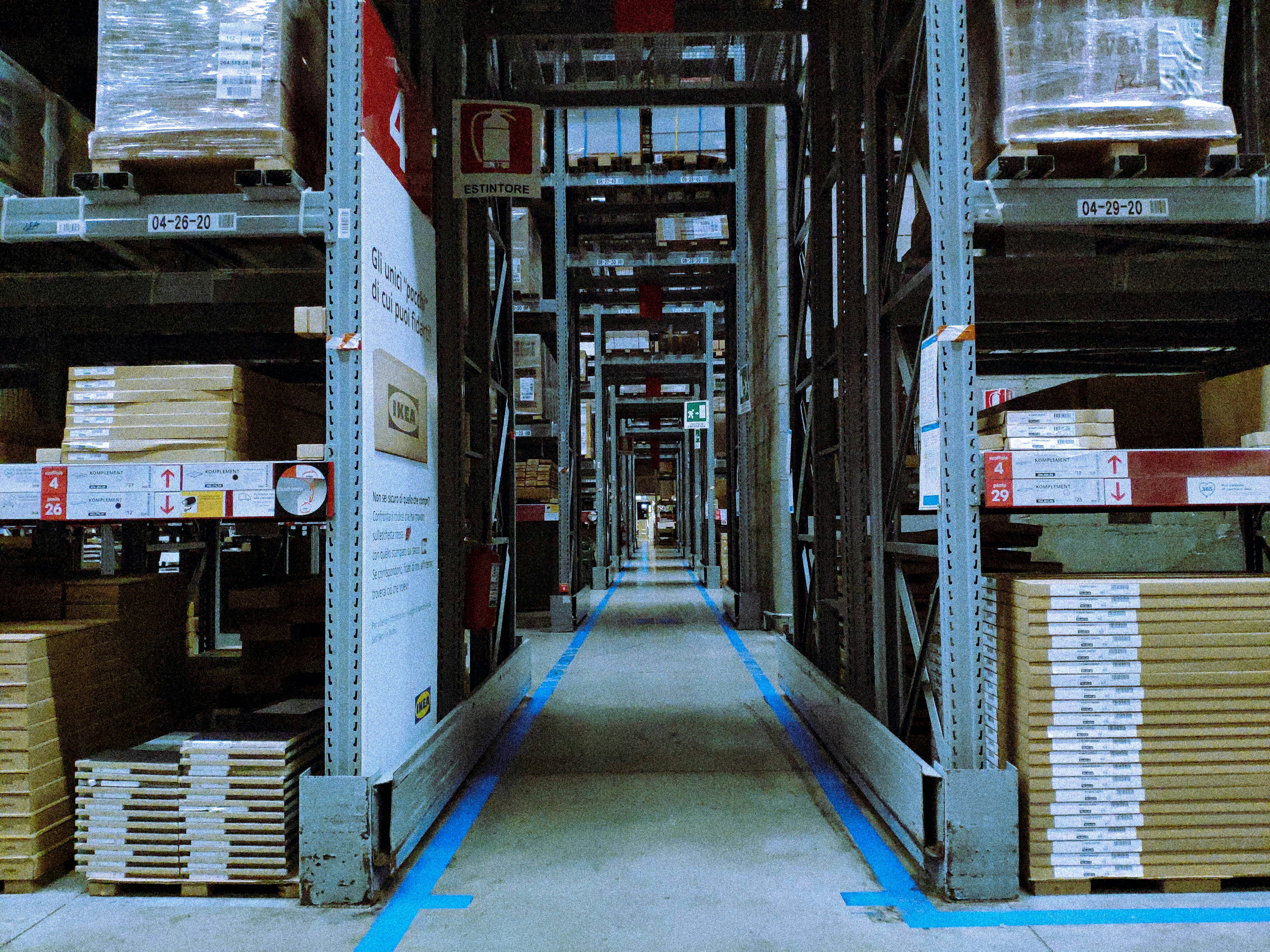

Introduction to MES Systems and Barcodes
Manufacturing Execution Systems (MES) play a pivotal role in modern manufacturing processes, serving as the bridge between enterprise resource planning (ERP) systems and the production floor. MES systems are designed to monitor, control, and optimize manufacturing operations in real-time. They manage production schedules, track inventory levels, and ensure that quality standards are upheld throughout the manufacturing process. By providing manufacturers with comprehensive visibility into their operations, MES systems facilitate informed decision-making and operational efficiency.
Barcodes, as data capturing tools, are integral to the effectiveness of MES systems. These graphical representations of data allow for swift identification and tracking of products and components throughout the manufacturing lifecycle. The functionality of barcodes hinges upon their ability to encode information—such as product specifications, batch numbers, and expiration dates—into a format that can be easily scanned and read by barcode readers or mobile devices. This automated data capture minimizes the likelihood of human error, enhances accuracy, and accelerates information exchange across different stages of production.
When barcodes are integrated with MES systems, manufacturers can streamline their operations significantly. This synergy not only allows for real-time data updates and accurate tracking of materials but also improves inventory management and enhances compliance with quality standards. Furthermore, the combination of MES and barcodes leads to improved labor efficiency, as operators can focus more on value-added activities rather than manual data entry tasks. The integration of these two technologies stands as a crucial step for manufacturers aiming to enhance overall efficiency and accuracy in their operations, creating a seamless workflow that benefits both production and ultimately, customer satisfaction.
The Benefits of Integrating Barcodes with MES Systems
The integration of barcodes with Manufacturing Execution Systems (MES) presents numerous advantages that significantly enhance operational efficiency and data accuracy. One of the primary benefits is enhanced data accuracy. By utilizing barcode technology, manufacturers can ensure that the data captured at various stages of production is precise. This precision is crucial for preventing errors that often arise from manual data entry, which can lead to costly mistakes and inefficiencies.
Another notable benefit is improved inventory management. Barcode integration allows for real-time tracking of materials and products throughout the production process. As items move along the production line, scanning these barcodes provides instantaneous updates to inventory levels within the MES. This capability ensures that manufacturers maintain optimal stock levels, reduces the risk of stockouts, and enhances order fulfillment efficiency. According to industry studies, businesses that implement barcode systems can experience a reduction of up to 30% in stock discrepancies.
The reduction in human error is a significant outcome of incorporating barcodes with MES systems. Manual processes are often prone to inaccuracies; however, by automating data collection through barcode scanning, companies can minimize such errors. This automation not only streamlines operations but also fosters a culture of accountability in the workforce, as tasks are completed with greater accuracy.
Real-time tracking of materials is another compelling advantage of this integration. With barcode systems, manufacturers can closely monitor the status of materials at any point in the production cycle, which supports informed decision-making. The ability to access real-time data enhances visibility across the supply chain, contributing to increased overall productivity.
In conclusion, the amalgamation of barcode technology with MES systems delivers substantial benefits. From heightened data accuracy to efficient inventory management and reduced human error, organizations can leverage these advantages to enhance productivity and streamline operations effectively.
Types of Barcodes Used in Manufacturing
In the manufacturing sector, barcodes play a crucial role in streamlining operations, ensuring accuracy, and integrating seamlessly with Manufacturing Execution Systems (MES). Various types of barcodes are utilized, each serving specific purposes and offering distinct advantages.
One of the most prevalent barcode formats is the Universal Product Code (UPC). Commonly seen on retail products, UPC codes consist of 12 numerical digits. Their primary use is in inventory management and sales tracking, allowing manufacturers to quickly identify products during the supply chain process. The simplicity of the UPC format enables rapid scanning, making it indispensable in MES integration for efficient stock management and sales analysis.
QR codes, or Quick Response codes, are another important type of barcode that has gained popularity in manufacturing. Unlike traditional barcodes, QR codes can store a significantly larger amount of data, including URLs and text. This versatility makes them suitable for a variety of applications, from providing detailed product information to linking users to digital content. Their ability to be scanned using smartphones enhances their applicability, especially in sectors where mobile device integration with MES systems facilitates real-time data access and updates.
Data Matrix codes are yet another barcode option found in manufacturing environments. These two-dimensional codes can encode extensive information in a compact format, making them particularly useful for small item labeling and parts tracking. Their high degree of data density allows more information to be stored in smaller spaces compared to traditional barcodes, making them suitable for intricate manufacturing processes. Data Matrix codes can be scanned from any angle, enhancing operational efficiency in MES applications where speed and accuracy are paramount.
In summary, the diverse types of barcodes, including UPC, QR codes, and Data Matrix, each offer unique advantages. Their integration with MES systems facilitates improved efficiency and accuracy in manufacturing processes, helping businesses to streamline operations and enhance productivity.
Steps to Integrate Barcodes with MES Systems
Integrating barcodes with Manufacturing Execution Systems (MES) can significantly enhance operational efficiency and data accuracy. Here, we outline the necessary steps to ensure a seamless integration process. The first step involves selecting the right barcode technology suitable for your specific operational needs. This entails evaluating various types of barcodes, such as 1D and 2D barcodes, and deciding on the most suitable one based on factors like environmental conditions and data capacity. Conducting a needs assessment will allow for the optimal choice tailored to the industry requirements.
Next, aligning the barcode technology with the MES software is crucial. This integration should facilitate smooth data interchange and enhance tracking capabilities. Ensure that the barcode scanning equipment and MES software can communicate effectively; consider compatibility issues that may arise. Collaboration with software vendors may also prove beneficial in achieving interoperability between existing platforms.
Once technological alignment is established, it is essential to focus on training personnel. Employees responsible for operating barcode systems must understand how to efficiently use barcode scanners and interpret scanned data. Implementing hands-on training programs can bolster user confidence and enhance performance. It is advisable to incorporate a structured training schedule, ensuring that all staff can operate the system competently.
Finally, implementing hardware solutions is necessary to complete the integration process. This includes choosing robust barcode scanners and printers that can withstand the manufacturing environment’s demands. Always consider the scalability of chosen hardware to accommodate future expansions. Additionally, testing the system prior to full deployment can identify any potential issues, ensuring that the integration runs smoothly without disrupting production workflows.
Challenges in Barcode Integration with MES
Integrating barcodes with Manufacturing Execution Systems (MES) can significantly enhance operational efficiency and data accuracy, yet it is not without its challenges. One primary issue involves system compatibility, as existing MES software may not readily accommodate barcode technology. Industries often use legacy systems that lack the necessary interfaces for seamless integration. Organizations must evaluate their current setup and may need to invest in upgrades or new software solutions that support barcode functionality, which can result in increased costs and extended implementation timelines.
In addition to system compatibility, employee resistance to change is another significant hurdle. Many employees may be accustomed to traditional processes, making them hesitant to adopt new technologies. This reluctance can lead to inadequate training, resulting in further inefficiencies. For instance, a manufacturing firm that introduced barcode scanning faced pushback from employees who felt overwhelmed by the transition. To overcome this resistance, it is crucial for management to foster an inclusive environment and provide comprehensive training programs that highlight the benefits of barcode integration, ensuring that employees feel supported throughout the transition.
Furthermore, the need for ongoing maintenance can pose challenges as well. Once the barcode system is integrated, it requires regular monitoring and updates to ensure optimal performance. Without proper maintenance, there may be increased occurrences of scanning errors, which can compromise data accuracy and hinder productivity. An automotive parts manufacturer learned this lesson when they neglected to routinely check their barcode scanning equipment, leading to a series of costly mislabeling errors. Regular system audits and maintenance schedules can mitigate such risks, ensuring that barcode technology continues to function effectively within the MES framework.
Successful Case Studies of Barcode Integration
The integration of barcodes with Manufacturing Execution Systems (MES) has proven to be beneficial for several companies across diverse industries. One noteworthy case study involves a leading automotive manufacturer that faced challenges with inventory tracking and production line inefficiencies. By implementing a barcode system linked to their MES, the company was able to streamline operations significantly. The process began with extensive training for employees on the new system, followed by the development of a customized barcode solution that interfaced seamlessly with their existing MES. As a result, the manufacturer reported a 30% reduction in inventory errors and a 25% increase in overall production efficiency within the first year of implementation.
Another compelling example can be observed in the food and beverage sector. A prominent beverage company struggled with compliance issues regarding food safety standards and traceability requirements. The integration of barcodes enabled real-time tracking of ingredients through their MES, allowing for precise monitoring of quality control processes. The company initially encountered difficulties related to the integration of their legacy systems; however, through collaboration with software developers, they achieved a synchronized system that met both operational and regulatory needs. Consequently, the company not only enhanced compliance but also improved inventory turnover by 40% and reduced spoilage significantly.
A third case study features a pharmaceutical manufacturer facing stringent regulatory scrutiny. The organization adopted barcode integration to bolster its MES and improve traceability of products throughout the supply chain. This initiative involved developing a comprehensive strategy that included the adoption of standardized barcode formats and automated data entry points. The manufacturer experienced substantial improvements in productivity, reporting a reduction in processing time by nearly 50% after the integration. The lessons learned from this project underscored the importance of thorough planning and employee involvement in technology integration efforts.
Maintaining Barcode Systems Post-Integration
Once barcode systems have been successfully integrated with Manufacturing Execution Systems (MES), ongoing maintenance becomes critical to ensure their optimal functionality. Regular maintenance activities can significantly enhance both the efficiency and accuracy of these systems, fostering an environment that continuously supports production goals. One fundamental strategy for maintaining barcode systems is conducting routine checks. Regular inspections should involve verifying the operational status of scanners, ensuring optimal scanning angles, and checking for hardware reliability. By adhering to maintenance schedules, businesses can mitigate the risk of equipment failures that can disrupt workflow.
Software updates also play a crucial role in maintaining barcode systems. As technology advances, software vendors frequently release updates that introduce new features and enhancements, improving overall system performance. Regularly updating both firmware and application software helps to address vulnerabilities, enhance security, and improve compatibility with other systems, ultimately contributing to the overall effectiveness of MES and barcode integration.
In addition to hardware and software checks, conducting data accuracy audits is essential. The integrity of the data captured by barcode systems can significantly impact decision-making within an organization. Regular audits can help identify discrepancies, ensuring that the captured information aligns accurately with the inventory and production records. This proactive approach not only enhances data reliability but also facilitates quick identification and resolution of potential issues.
Furthermore, employee retraining should not be overlooked as a maintenance strategy. As integrated systems evolve, it is vital that employees are well-informed about new processes and technologies. Regular training sessions ensure that staff remains adept at utilizing barcode systems effectively, minimizing human error and optimizing system usage. Establishing a culture of continuous improvement, where feedback is actively sought and implemented, will foster an environment in which barcode systems can thrive post-integration, ultimately enhancing efficiency and accuracy across production processes.
Future Trends in Barcode and MES Integration
As industries continue to evolve, the integration of barcodes with Manufacturing Execution Systems (MES) is poised to undergo significant advancements. One of the most promising trends is the convergence of Internet of Things (IoT) technologies with barcode systems. By enabling devices to communicate seamlessly, IoT can enhance real-time data collection and processing capabilities. This integration allows for immediate feedback on production quality, inventory status, and equipment performance, fostering a more dynamic manufacturing environment.
Another notable trend is the increasing implementation of Artificial Intelligence (AI) within MES platforms. AI can analyze vast amounts of data generated by barcode scanning operations, assisting manufacturers in identifying patterns that may not be immediately apparent. For instance, predictive analytics driven by AI can foresee equipment failures or inventory shortages, thereby allowing organizations to optimize their operations and reducing downtime. The continuous learning aspect of AI can also improve line efficiencies over time, making responses to production challenges more agile.
Advanced analytics will play a critical role in refining decision-making processes within manufacturing settings. By leveraging data captured through barcode scanning, manufacturers can gain deeper insights into their operations. Enhanced analytics allow for better forecasting, targeted resource allocation, and improved supply chain management. The capacity to scrutinize operational workflows and identify bottlenecks can lead to more streamlined processes that ensure timely production and delivery.
Overall, the future of barcode and MES integration is likely to be defined by these innovative technologies. As organizations increasingly recognize the need for efficiency and accuracy in their operations, the seamless integration of barcodes with advanced systems becomes essential. Manufacturers that embrace these technologies will be well-equipped to navigate the complexities of modern industry, maintaining a competitive edge in an ever-evolving landscape.
Conclusion
In summary, the integration of barcodes with Manufacturing Execution Systems (MES) is pivotal for enhancing operational efficiency and accuracy in manufacturing processes. Throughout this discussion, we have highlighted how barcode technology serves as a critical link between the physical and digital realms of production. By automating data capture, barcodes reduce human error, streamline inventory management, and facilitate real-time tracking of materials and products. This integration not only improves productivity but also enhances visibility across the supply chain, allowing manufacturers to respond proactively to potential issues.
The alignment of barcode systems with MES capabilities enables organizations to achieve a higher level of operational excellence. As we explored, implementing this technology leads to increased accuracy in production data, better compliance with industry standards, and ultimately, enhanced customer satisfaction. The benefits extend beyond the immediate operational efficiencies, contributing to long-term strategic advantages in a competitive manufacturing landscape. Manufacturers that embrace barcode integration are likely to notice significant improvements in their processes and resource utilization.
We encourage manufacturers to consider the potential of integrating barcodes with their MES systems. By doing so, they can not only optimize their current operations but also lay the groundwork for future innovations in industrial automation. Additionally, we invite readers to share their own experiences with barcode integration in the comments section. Your insights can help foster a community of knowledge-sharing that benefits all manufacturers looking to enhance their operational capabilities and achieve greater success in the industry.
© barcodly.com- All rights reserved