Introduction to Mobile Boarding Passes
In the ever-evolving landscape of air travel, mobile boarding passes have emerged as a significant innovation, offering a modern alternative to traditional paper boarding passes. This digital solution reflects the broader trends of convenience and efficiency that characterized the digital transformation within the travel industry. Utilizing QR codes and mobile technology, boarding passes can now be stored directly on smartphones, streamlining the check-in process for travelers.
The transition from paper to mobile boarding passes began as airlines sought to enhance customer experience while reducing operational costs. As smartphones became ubiquitous, the option of issuing passes electronically became increasingly feasible. Passengers can simply check in online, receive their mobile boarding passes via email or app, and present them at security checkpoints and boarding gates—eliminating the need for physical paper documentation. This process not only reduces wait times but also decreases the risk of misplacing or losing essential travel documents.
Moreover, mobile boarding passes contribute significantly to sustainability efforts within the aviation sector. By minimizing the use of paper, airlines can reduce their environmental impact, aligning with the growing demand for eco-friendly practices among travelers. The flexibility of QR codes allows for quick scanning, enhancing the flow of passengers through airport security and boarding areas. Additionally, various airlines have begun integrating features within their apps, providing real-time updates about flight statuses, gate changes, and other essential travel information directly to passengers’ devices.
As we delve deeper into the implications of mobile boarding passes on the travel industry, it becomes evident that this innovative approach is not merely a trend but rather a substantial advancement in the way people navigate their journeys. The integration of technology into travel practices continues to reshape how travelers plan and execute their itineraries, fostering a more seamless experience tailored to the needs of the modern traveler.
Understanding QR Codes
QR codes, short for Quick Response codes, are two-dimensional barcodes that store information in a grid format. Originally developed in Japan for tracking automotive parts, these codes have evolved into versatile tools used across various industries due to their efficiency and ease of use. QR codes can encode a variety of data, including URLs, contact information, and text. With the advent of smartphones and mobile technology, these codes have become increasingly popular for providing quick access to information through simple scanning.
The technology behind QR codes involves a camera capturing the code’s pattern, which is analyzed and translated back into usable data by specially designed software or applications. Because QR codes can hold significantly more information than traditional barcodes, they cater to the growing need for data storage and retrieval in a compact form. The capacity of a QR code can be substantial, accommodating several hundred times more information than a conventional barcode while remaining small enough to be scanned quickly.
In the travel sector, QR codes have gained prominence for streamlining processes such as check-in, boarding, and access to services. For example, airlines and airports use QR codes as mobile boarding passes, enabling travelers to bypass traditional paper passes, thus promoting efficiency. Travelers can scan their QR codes at kiosks, gates, and other checkpoints, leading to faster processing times. This enhanced accessibility not only improves the overall travel experience but also supports contactless interactions, which have become vital in a post-pandemic world.
Moreover, QR codes can be found in various applications beyond travel. Retailers utilize them for promotions, restaurants use them for menus, and event organizers employ them for ticketing purposes. The universal appeal and functional capabilities of QR codes indicate that their usage will only continue to grow in the future, enhancing efficiency and convenience for users across multiple sectors.
Benefits of Using Mobile Boarding Passes
Mobile boarding passes are increasingly becoming the norm in air travel, offering a range of advantages over traditional paper passes. One of the primary benefits is convenience. Travelers can access their boarding passes directly from their smartphones, eliminating the need to print out physical copies. This is particularly beneficial for those who may forget or lose their paper passes, as mobile devices typically accompany individuals wherever they go.
Another significant advantage of mobile boarding passes is the reduction in paper waste. By transitioning to digital formats, airlines can contribute to environmental sustainability initiatives. The airline industry has been under pressure to adopt eco-friendly practices, and adopting mobile boarding passes is a step toward reducing the carbon footprint associated with paper production and disposal.
Speed of boarding is also enhanced through the use of mobile passes. Passengers can check in and present their mobile passes at boarding gates with a simple scan of a QR code, streamlining the boarding process. This efficiency reduces waiting times, benefitting both travelers who are eager to reach their destinations and airlines aiming to optimize flight turnaround times.
Additionally, the ease of access provided by mobile boarding passes allows travelers to make last-minute changes with relative ease. In cases of schedule changes or flight cancellations, passengers can quickly update their boarding information directly on their devices, ensuring they have the most current details at their fingertips.
Increasingly, travelers are recognizing these benefits, as evidenced by the growing adoption rates of mobile boarding passes across various airlines. As technology continues to advance, it is expected that their use will become even more widespread, further enhancing the travel experience for all. With these substantial advantages in mind, mobile boarding passes represent a significant advancement in the way we navigate air travel.
How Mobile Check-in Works
Mobile check-in has revolutionized the travel experience, allowing passengers to bypass traditional check-in procedures at the airport. The process is designed to enhance convenience and efficiency by enabling travelers to check in online prior to their flight.
To utilize mobile check-in, travelers should first visit their airline’s official website or download the airline’s mobile application. Most airlines allow passengers to check in 24 to 48 hours before their scheduled departure. To begin the process, travelers must enter their booking details, which usually include their last name and reservation confirmation number. Once these details are submitted, the system verifies the booking.
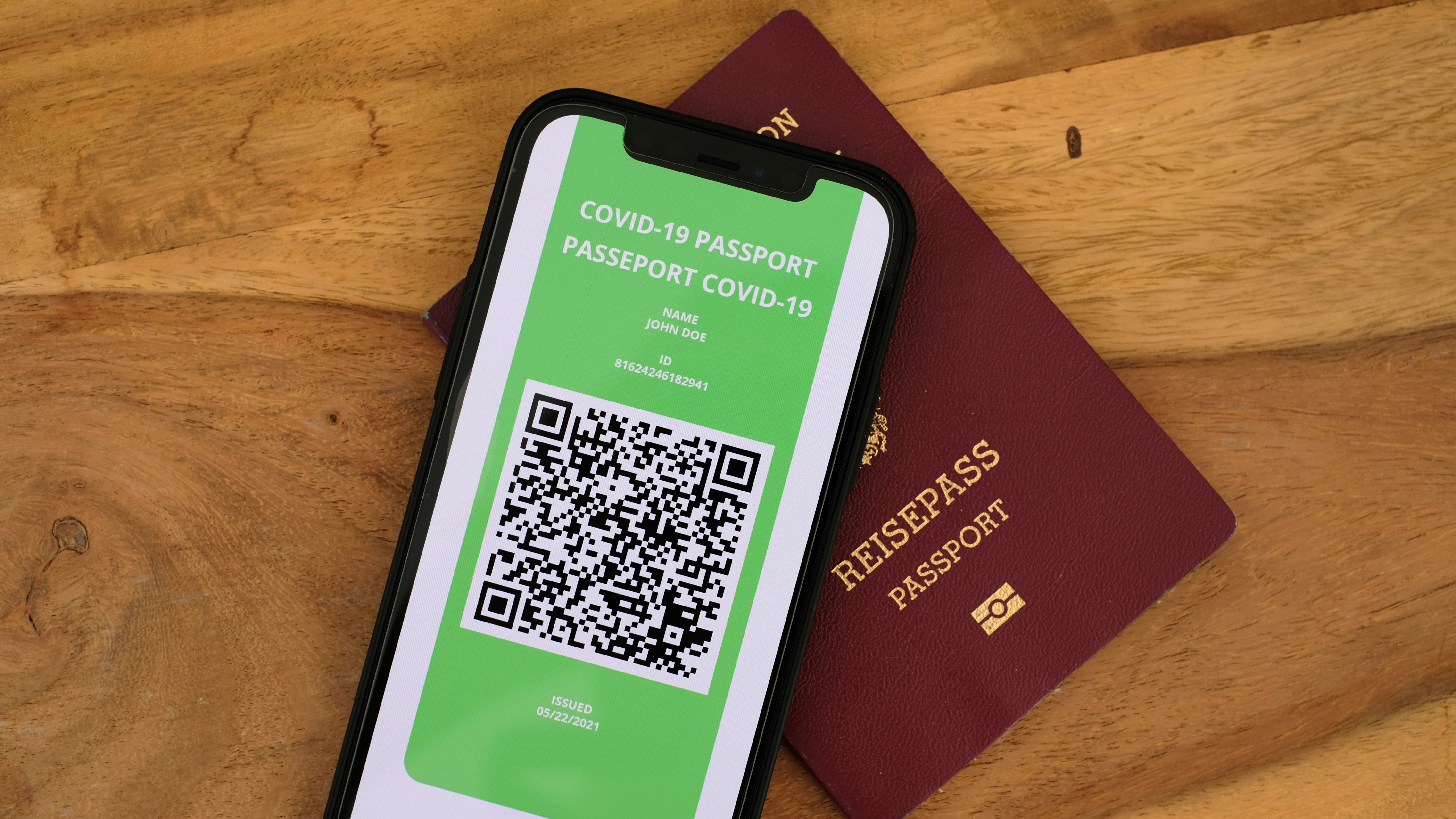
Following verification, the airline presents options for check-in. Passengers can select their preferred seat, and in some cases, they may be prompted to pay for additional services such as extra luggage or priority boarding. After all selections are made, travelers have the option to receive their mobile boarding pass. This pass is often provided as a digital barcode or QR code, which is easily scanned at security checkpoints and boarding gates.
The mobile boarding pass can be saved directly to the traveler’s smartphone, either through the airline app or as an e-pass in the device’s digital wallet. This feature ensures easy access, allowing travelers to present their boarding pass without the need for paper tickets. Additionally, it is advisable to keep the device charged, as many airlines now require passengers to scan their mobile boarding passes at multiple points throughout the airport.
In conclusion, mobile check-in streamlines the travel process, making air travel more accessible and convenient. By following simple steps through airline apps or websites, travelers can seamlessly check in and manage their journey with ease.
Security and Validation of Mobile Boarding Passes
As the aviation industry increasingly adopts digital solutions, the security of mobile boarding passes and QR codes has become paramount. Airlines have implemented stringent measures to ensure that these digital documents are both secure and effective in facilitating passenger transit through checkpoints and gates. One of the primary security enhancements is the use of encryption technology. This method safeguards vital passenger information contained within the mobile boarding pass, mitigating risks associated with data breaches and unauthorized access.
In addition to encryption, the implementation of biometric verification systems further bolsters security. Many airlines are integrating biometric technologies like facial recognition at checkpoints, providing an additional layer of validation. This approach not only shortens the boarding process but also increases the accuracy of passenger identification, thereby reducing the potential for fraud. Furthermore, mobile boarding passes feature unique QR codes that can be scanned quickly at various points throughout the airport. Each QR code is tailored to the individual passenger and contains essential trip details alongside encoded security features, enhancing its integrity.
At the checkpoints and boarding gates, airline staff utilize sophisticated scanning systems to read the QR codes. These systems are equipped to detect any discrepancies or alterations in the boarding pass, ensuring that only validated documents allow entry. The integration of real-time data analytics also aids airlines in monitoring boarding pass usage, quickly identifying unusual patterns that may raise security flags. Such proactive measures are crucial in protecting travelers and maintaining the overall safety of air travel.
By employing these advanced security protocols and validation processes, airlines inspire confidence in mobile boarding passes, thereby encouraging their use among passengers. The continuous evolution of technology promises further improvements, ensuring that travelers can prioritize convenience without compromising safety in their journey.
Troubleshooting Common Issues with Mobile Boarding Passes
As technology continues to transform the travel experience, mobile boarding passes and QR codes have become integral tools for frequent flyers. However, like any technology, users may face several common issues that could disrupt their journey. Addressing these challenges efficiently is essential to ensure a smooth travel experience.
One prevalent issue encountered is connectivity problems. Many travelers rely on mobile data or airport Wi-Fi to access their boarding passes. In areas with weak signals, users might find it difficult to retrieve their passes. A practical solution is to download the boarding pass before arriving at the airport. Most airlines allow passengers to save their mobile boarding passes to their devices, enabling offline access. Alternatively, travelers can take a screenshot of the QR code to ensure they have a backup access method readily available.
Another frequent dilemma stems from forgotten passwords associated with airline apps. Users may inadvertently lock themselves out while attempting to log into their accounts. To counter this, travelers should utilize password recovery options available on the airline’s login page, often requiring access to an associated email or phone number for verification. It is advisable to set up recovery options in advance, reducing time spent in stressful situations at the airport.
Additionally, malfunctioning QR codes can present obstacles during the boarding process. If a QR code does not scan or displays an error message, travelers should ensure their mobile device’s screen is clean and bright enough for the scanner to read it. If issues persist, it may be beneficial to speak directly with airline staff, who can assist travelers in resolving the situation quickly, often providing alternative boarding methods.
By understanding these common technical challenges and having proactive solutions, travelers can comfortably navigate the innovative landscape of mobile boarding passes and QR codes.
The Future of Mobile Boarding Passes and QR Codes
As travel technology continues to evolve, mobile boarding passes and QR codes are at the forefront of creating a more streamlined, efficient, and environmentally friendly air travel experience. The adoption of mobile boarding passes has already changed how passengers check in and board flights, shifting away from traditional paper tickets. This transition not only reduces waste but also enhances convenience, allowing travelers to store all flight details directly on their smartphones.
Emerging trends indicate a notable increase in contactless travel options. Airlines and airports are investing in advanced infrastructure to support a seamless journey from check-in to boarding using QR codes. This technology allows for rapid scanning, thereby reducing queues and wait times. Passengers can simply scan their QR codes at kiosks and gates, promoting a smoother boarding process. Such innovations are particularly relevant in a post-pandemic world where contactless solutions are becoming increasingly commonplace.
Moreover, advancements in mobile app capabilities are set to further enhance the travel experience. Airlines may incorporate real-time updates through their applications, notifying travelers of gate changes, travel delays, or security information directly, all accessible via their mobile boarding passes. These integrations can prove invaluable in emergency situations, fostering an informed and prepared passenger base.
As the industry moves towards a more digitized environment, new features, such as integrating digital health passports or biometric identification, may emerge. Such developments could facilitate a more secure and efficient travel process, ultimately reshaping airline operations and customer experiences. By leveraging the benefits of mobile technology and QR codes, the future of travel promises to continue evolving, prioritizing safety, convenience, and sustainability.
Comparing Airlines: Who Does It Best?
The adoption of mobile boarding passes and QR codes has transformed the airline industry, enhancing the convenience and efficiency of air travel. Airlines have adopted varying approaches to this technology, with each demonstrating unique strengths and weaknesses. When evaluating these systems, it is vital to consider user experience, innovation, and operational efficiency.
Some leading airlines, such as Delta Air Lines and American Airlines, have implemented robust mobile boarding pass systems integrated with their official apps. Delta’s user-friendly app offers seamless check-in processes, push notifications, and real-time updates, such as gate changes or boarding times. American Airlines has similarly embraced mobile technology, allowing travelers to access boarding passes via email or smartphone, benefitting from its QR code scanning that facilitates faster boarding times. These features enhance customer satisfaction by streamlining the travel process.
Meanwhile, low-cost carriers like Ryanair and EasyJet also utilize mobile boarding passes, often emphasizing cost-effectiveness. However, their apps sometimes face criticism for usability issues and additional fees that can detract from the overall user experience. While these airlines attract a price-sensitive demographic, the reliability of their technology can hinder a smooth travel experience. Thus, travelers should assess their priorities: cost versus convenience.
International airlines also contribute to varying technological implementations. For instance, Qatar Airways offers mobile boarding passes with a strong focus on luxury and customer service. Their app allows travelers to enjoy a seamless experience, reflecting their dedication to enhancing passenger satisfaction. In contrast, some airlines might lag behind in adopting such technologies, affecting their competitiveness in the evolving travel landscape.
In summary, when comparing airlines for mobile boarding pass and QR code usage, it is essential to consider the overall user experience and operational efficiency. By evaluating these factors, travelers can make informed choices tailored to their preferences and travel needs.
Conclusion: Embracing the Digital Transition in Travel
As the travel industry continues to evolve, the adoption of digital solutions such as mobile boarding passes and QR codes plays a pivotal role in enhancing the overall travel experience. In today’s fast-paced world, where convenience and efficiency are paramount, embracing these technological advancements allows travelers to navigate their journeys with greater ease. Mobile boarding passes streamline the check-in process, reducing the need for physical documents while minimizing time spent in queues. This shift not only benefits travelers but also enhances operational efficiency for airlines and airports.
The integration of QR codes into travel systems further bolsters this digital transformation. QR codes facilitate easy access to essential information, enabling travelers to retrieve boarding passes, itineraries, and real-time updates about flight changes. The ability to store all travel-related documents on a smartphone aids in avoiding last-minute panic and provides peace of mind. As part of this digital revolution, passengers can take pride in adopting more sustainable practices. Reducing paper waste by relying on electronic documentation contributes to environmental conservation efforts, fostering a greener approach to travel.
As we move forward, it is essential for both travelers and industry stakeholders to adapt to these innovations. Embracing mobile boarding passes and QR codes is not merely a trend, but a necessary shift towards a more streamlined and eco-friendly travel experience. We encourage travelers to share their experiences with these technologies and contribute to a wider discourse on the benefits they provide. By doing so, we can collectively foster a more adaptable travel culture that celebrates progress and prioritizes efficiency. Ultimately, the future of travel hinges on our willingness to embrace digital solutions that promise to enhance our journeys.
© barcodly.com- All rights reserved