
Introduction to Product Traceability
Product traceability refers to the ability to track and trace the history, application, or location of products throughout the entire supply chain. This concept is of utmost importance in supply chain management, as it facilitates the monitoring and verification of goods from the point of origin to the final consumer. The implementation of effective traceability systems ensures that every product can be accounted for during its lifecycle, allowing businesses to maintain high standards of quality and safety.
One of the critical aspects of product traceability is its role in enhancing consumer safety. In today’s global marketplace, products often travel through numerous stages and geographical locations before reaching the consumer. This complexity can lead to challenges such as product recalls in the event of safety concerns or the identification of counterfeit items. Traceability enables businesses to swiftly locate affected batches, ensuring that they can take timely actions to prevent harm to consumers and mitigate reputational damage. It provides transparency, allowing customers to make informed choices and bolstering their trust in brands and products.
Moreover, product traceability enhances accountability within the supply chain. By enabling businesses to document each stage of a product’s journey, stakeholders—from manufacturers to distributors—are held responsible for maintaining quality standards and following compliance regulations. This accountability not only nurtures a culture of responsibility but also fosters collaboration among supply chain partners, creating a more reliable and efficient system.
In addition, the ability to trace products efficiently mitigates risks associated with potential recalls and counterfeit goods. Businesses equipped with robust traceability solutions can respond quickly to issues, thereby minimizing financial losses and operational disruptions. Therefore, investing in product traceability systems, such as barcode technology, is essential for modern businesses aiming to enhance operational performance while ensuring consumer safety.
What are Barcode Systems?
Barcode systems are automated solutions that utilize a series of parallel lines, squares, or dots to encode information, allowing for the efficient capture and management of data. Barcodes are primarily categorized into two types: one-dimensional (1D) and two-dimensional (2D) barcodes. Each type serves specific functions and applications across various industries.
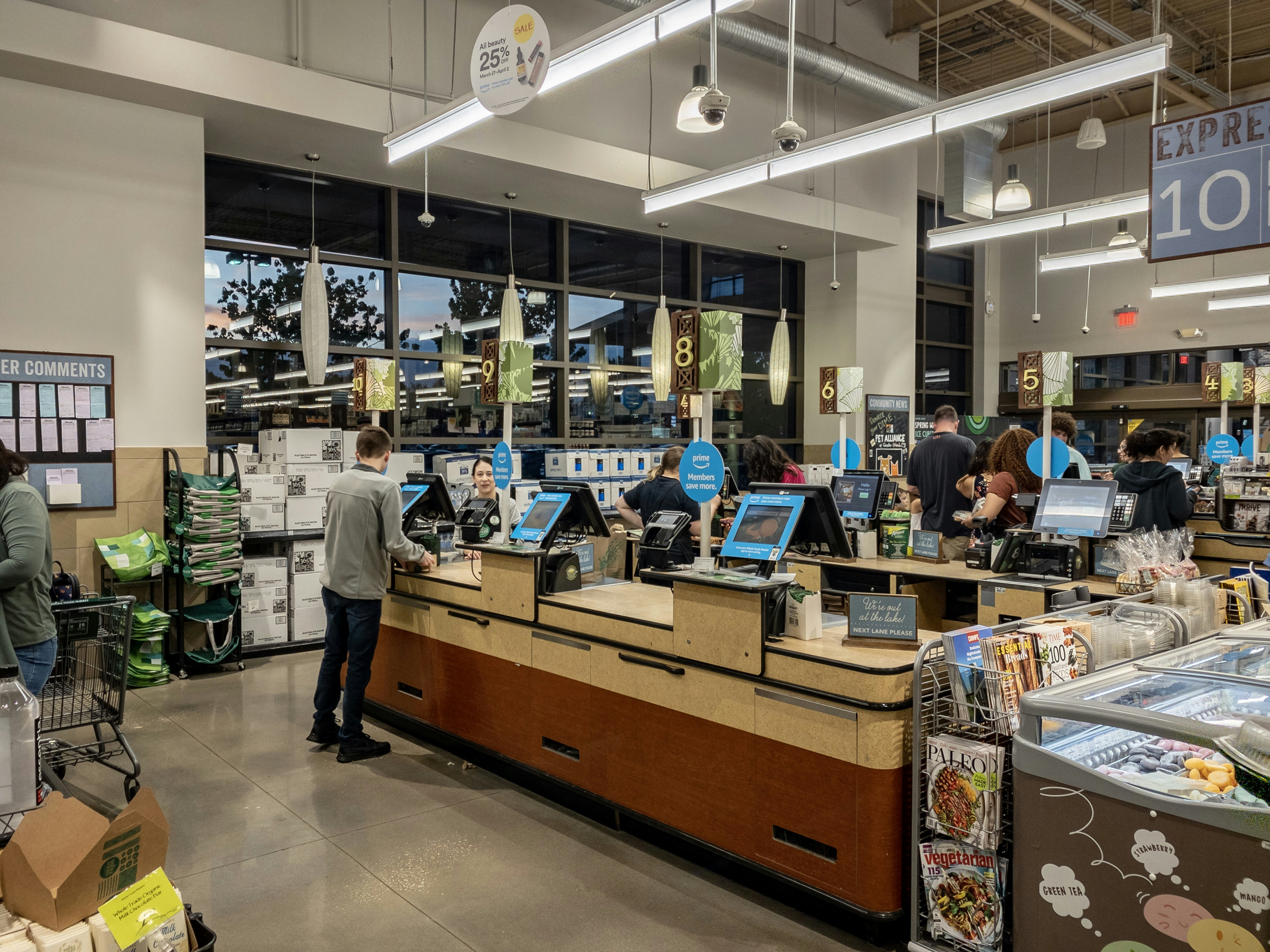
One-dimensional barcodes, typically represented as a series of dark and light lines, are commonly found on products in retail settings. These barcodes encode data such as product identifiers, pricing, and stock information. The most recognized 1D barcode is the Universal Product Code (UPC), widely used in grocery stores and supermarkets to streamline sales transactions and inventory tracking. When scanned by a barcode reader, the information is quickly interpreted, enhancing operational efficiency and accuracy.
Two-dimensional barcodes, on the other hand, can hold significantly more information due to their two-dimensional layout, which includes patterns of squares, dots, or hexagons. A popular example of a 2D barcode is the Quick Response (QR) code. These barcodes are increasingly utilized in advertising and marketing, allowing consumers to access websites and product information simply by scanning the code with their smartphones. Additionally, 2D barcodes are used in various industries such as healthcare, logistics, and manufacturing for tracking products, managing inventory, and ensuring product authenticity.
Overall, barcode systems play a critical role in modern data management, enabling businesses to trace products throughout the supply chain effectively. The integration of these systems facilitates accurate data collection, enhances operational workflows, and ultimately supports better decision-making across multiple sectors. By utilizing barcodes, organizations can improve their inventory management processes, reduce human errors, and increase overall productivity.
The Role of Barcodes in Product Traceability
Barcodes play a crucial role in enhancing product traceability across various industries. A barcode, essentially a machine-readable representation of data, encodes relevant information about a product. This information can include details such as the product name, manufacturer, and unique identification numbers. By scanning barcodes at different stages of the supply chain, businesses can track products seamlessly from manufacturing to retail, establishing an efficient product traceability system.
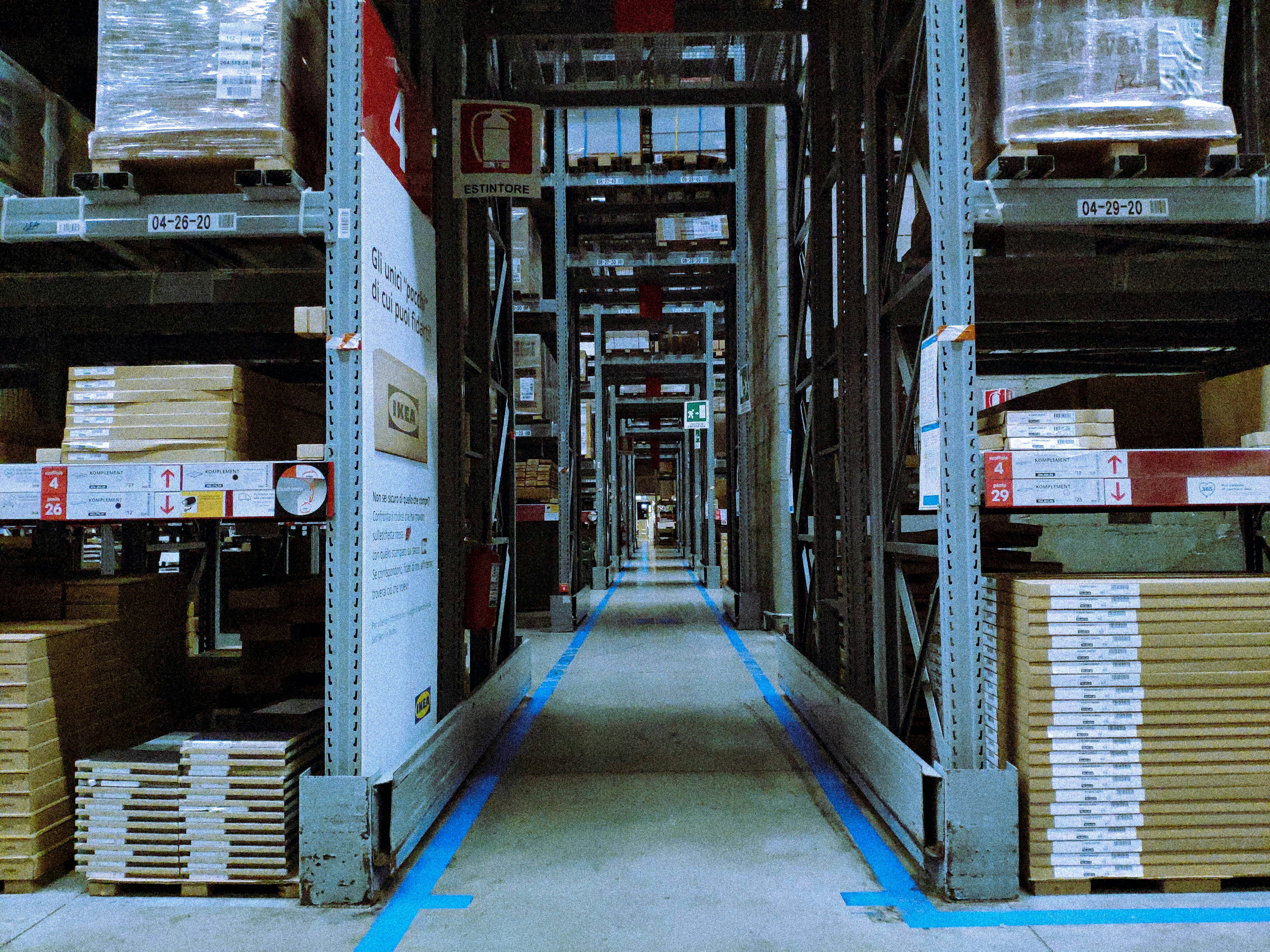
The process begins at the manufacturing stage, where products are labeled with unique barcodes. These codes are linked to a database that contains all pertinent information. As products move through the supply chain, each time a barcode is scanned, the associated data is updated in real-time. This allows for immediate access to information regarding the product’s whereabouts, facilitating effective inventory management and reducing the likelihood of stock-outs or overstock situations. Additionally, real-time tracking via barcodes allows companies to promptly locate and address any issues that arise, thus minimizing delays and enhancing operational efficiency.
One significant advantage of utilizing barcode systems in product traceability is the marked reduction of human error. Manual data entry is often fraught with mistakes that can lead to inaccurate inventory counts or misplaced products. However, with the implementation of barcodes, the potential for these errors is greatly diminished. Scanning a barcode can be accomplished quickly and accurately, ensuring that data is captured and transmitted without the inconsistencies typically associated with manual entry. Consequently, businesses can rely on real-time, precise information regarding their products.
In summary, barcodes are instrumental in optimizing product traceability by providing enhanced tracking capabilities and reducing human error. Their application in various stages of the supply chain not only bolsters efficiency but also ensures that businesses maintain accurate records and respond promptly to changes in product availability.
Implementing a Barcode System for Traceability
Implementing a barcode system for product traceability requires careful planning and execution to ensure effectiveness and efficiency. The initial step is selecting the appropriate barcode type that aligns with the organization’s specific needs. Businesses can choose between 1D barcodes, which are commonly used for products in retail, and 2D barcodes, which can store more data and are useful for complex supply chains. It is essential to evaluate the characteristics of the products and the environment in which the barcodes will be scanned to make an informed choice.
Once the barcode type is determined, integrating the barcode scanning system with the existing inventory management software is crucial. This integration ensures seamless data transfer, enabling real-time updates of product statuses throughout the supply chain. Organizations may need to invest in suitable barcode scanners and software that can handle various formats and volumes of scanning. Planning for these upgrades does require financial considerations, as securing the right technology can significantly contribute to effective traceability.
Training staff members is another critical component in the implementation process. Employees must understand how to properly scan products, manage inventory, and troubleshoot any potential issues that arise. A comprehensive training program should cover the operational aspects of using barcode technology, as well as address the importance of accurate data entry for enhancing traceability. Management should also look toward creating an ongoing support system to help employees adapt to the new processes.
Despite the advantages of implementing a barcode system, businesses may face challenges such as resistance to change, operational disruptions, or technical difficulties. Proactively addressing these issues by involving teams in the planning phase and providing necessary resources will facilitate smoother transitions. By following these structured steps, companies can maximize the benefits of a barcode system to enhance their product traceability efforts.
Benefits of Using Barcode Systems for Traceability
In today’s fast-paced business environment, utilizing barcode systems for product traceability has become essential for companies aiming to streamline operations and maintain transparency. One of the primary benefits of implementing barcode technology is improved inventory accuracy. By automating data collection through barcodes, organizations can minimize human errors associated with manual data entry. This results in enhanced accuracy regarding stock levels, reducing discrepancies that can lead to overstocking or stockouts.
Furthermore, barcode systems significantly contribute to operational efficiency. They expedite the process of tracking products throughout the supply chain, from manufacturing to delivery. The rapid scanning of barcodes allows for quicker processing times, thus enabling businesses to optimize their workflows. Employees can focus on more value-added tasks rather than spending excessive time on inventory checks or retrieval of product information.
Compliance with regulations is another critical factor where barcode systems excel. Many industries face strict guidelines regarding product tracking and traceability for safety and quality assurance. Integrating barcodes into inventory management not only streamlines compliance processes but also supports the easy retrieval of essential documentation during audits. This built-in compliance feature not only aligns with regulatory standards but also mitigates risks associated with non-compliance.
Lastly, utilizing barcode systems can greatly enhance consumer trust through improved transparency. Modern consumers prioritize access to information regarding product origins and details. By employing barcodes, businesses can provide customers with accurate information about products, including their supply chain journey. This level of transparency fosters trust, which can ultimately lead to increased customer loyalty and retention.
Overall, the benefits of using barcode systems for traceability extend beyond mere tracking; they fundamentally enhance business operations, compliance, and consumer engagement, making them an invaluable tool in the modern marketplace.
Case Studies: Successful Implementation of Barcode Systems
Barcode systems have increasingly become essential in various industries, enhancing product traceability and improving operational efficiency. A pertinent example is the retail giant Walmart, which has implemented barcode technology to streamline its inventory management and enhance supply chain visibility. By utilizing barcodes on products, Walmart can track stock levels in real-time, reducing waste and ensuring that shelves are always stocked with the right products. As a result, Walmart reported a significant decrease in inventory discrepancies and improvements in customer satisfaction due to better product availability.
Another notable case can be observed in the pharmaceutical industry, where Johnson & Johnson successfully integrated barcode systems into its manufacturing and distribution processes. By using barcodes to track medications, the company increased accuracy in inventory management and ensured compliance with regulatory requirements. This implementation not only minimized the risk of human errors but also expedited the recall process when necessary, thereby enhancing patient safety. The integration of barcode technology led to improved operational efficiencies, with Johnson & Johnson reporting a decrease in costs associated with inventory management.
Furthermore, the food industry has also reaped the benefits of barcode systems. The multinational company Nestlé adopted barcoding technology to enhance traceability in its supply chain. By scanning barcodes, Nestlé is able to trace its products from production to retail, thereby ensuring food safety and compliance with stringent regulations. This implementation not only facilitated swift corrective actions in case of quality issues but also boosted consumer confidence in the brand. Nestlé’s commitment to traceability through barcode systems underscores the importance of technology in maintaining product integrity.
These case studies illustrate the effectiveness of barcode systems across various industries, highlighting the significant improvements in traceability, efficiency, and compliance achieved through their implementation. By learning from these successful examples, businesses can adopt best practices to optimize their own product traceability initiatives.
Future Trends in Product Traceability and Barcode Technology
The landscape of product traceability is undergoing significant transformation, largely driven by advancements in technology. One emerging trend is the increasing integration of Radio Frequency Identification (RFID) technology with traditional barcode systems. RFID offers distinct advantages in terms of efficiency and accuracy, enabling businesses to track products in real-time without the need for direct line-of-sight scanning. This capability enhances inventory management and minimizes human errors, fostering a more seamless approach to traceability.
Another notable trend is the growing reliance on automation in supply chain operations. Automated scanning systems are being adopted, not only to improve efficiency but also to ensure greater compliance with regulatory standards. By reducing manual intervention, businesses can achieve higher accuracy in data capture, ultimately strengthening traceability efforts. This shift towards automation is complemented by the increasing use of mobile devices for scanning purposes. Smartphones and tablets equipped with barcode scanning applications enable workers to capture product information swiftly, thereby streamlining operational processes.
Moreover, advancements in data analytics are poised to play a crucial role in the future of product traceability. By harnessing large sets of data generated through barcode and RFID systems, organizations can gain valuable insights into their supply chains. Predictive analytics, for instance, can forecast potential disruptions and identify inefficiencies. Furthermore, the integration of the Internet of Things (IoT) is facilitating greater connectivity among devices, allowing for a more comprehensive view of product movements. As IoT technology evolves, it is anticipated that connected systems will enhance traceability by providing real-time updates on product status throughout the supply chain.
These trends collectively indicate a shift towards a more sophisticated, automated future in product traceability. As businesses adapt to these changes, they will likely encounter new opportunities and challenges that will shape the effectiveness of barcode technology and its application in tracking products.
Challenges in Barcode-Based Traceability
The implementation of barcode systems for product traceability is fraught with several challenges that can impede their effectiveness. One of the most common issues arises from barcode damage. Barcodes are typically printed on labels, which may become worn, torn, or otherwise compromised during handling and transport. A damaged barcode can lead to scanning errors, resulting in inaccurate data capture and, consequently, difficulties in tracking products through the supply chain. The need for robust yet flexible packaging solutions that can withstand handling conditions is paramount in mitigating this risk.
Another significant challenge in barcode-based traceability is mislabeling. Inadequate attention to detail during the labeling process can result in products being assigned incorrect barcodes. This mislabeling can lead to serious logistical issues, such as miscommunication and product recalls. Implementing stringent quality control measures during the labeling phase is essential to ensure that each product is associated with a unique, accurate barcode, thereby enhancing traceability.
Furthermore, the adoption of barcode technology presents its own set of barriers. Organizations may face resistance to change from employees who are accustomed to existing systems, or they may struggle to integrate new technology with legacy systems. Fear of disruption during the transition period can lead to hesitance among stakeholders. To address these concerns, organizations should invest in comprehensive training programs that not only educate employees about the benefits of barcode systems but also demonstrate their ease of use.
Developing an informative communication strategy is also essential to gain buy-in from all stakeholders involved. By clearly explaining how barcode systems enhance product traceability and contribute to overall supply chain efficiency, organizations can facilitate smoother transitions and improve system adoption rates. Overall, addressing these challenges is crucial for optimizing product traceability through barcode systems.
Conclusion: The Value of Product Traceability with Barcodes
In today’s fast-paced and increasingly complex market, product traceability has become a crucial element for businesses aiming to maintain competitiveness and ensure regulatory compliance. Barcode systems play an essential role in achieving effective product traceability. By utilizing these systems, companies can track the movement of goods throughout the supply chain, enabling them to respond swiftly to potential issues such as recalls, fraud, and quality control challenges. The integration of barcode technology enhances transparency, allowing businesses and consumers to access crucial data about product origin and handling.
Moreover, barcode systems offer a variety of benefits that extend beyond mere tracking. They facilitate accurate inventory management, reduce human error, and improve overall operational efficiency. When products can be traced quickly and easily via barcodes, organizations can streamline their processes, leading to cost savings and decreased waste. Additionally, consumers are increasingly demanding greater visibility into the products they purchase, making traceability a competitive advantage for businesses that invest in these systems.
Implementing a barcode-based traceability solution can significantly enhance the capabilities of both small and large enterprises. As supply chains continue to grow more intricate with globalization, the ability to monitor and manage product flow is essential. Businesses that embrace barcode technology not only position themselves for success but also cater to the evolving expectations of consumers who value transparency and accountability. Therefore, investing in barcode systems should be viewed not merely as an operational necessity but as a strategic decision that can yield substantial returns in brand loyalty and market positioning.
© barcodly.com- All rights reserved