
Introduction to Paper Waste
Paper waste has become a significant environmental concern, as it contributes to deforestation, greenhouse gas emissions, and pollution. According to the Environmental Protection Agency (EPA), approximately 67 million tons of paper and paperboard waste were generated in the United States in 2020, accounting for a substantial portion of the total municipal solid waste. When paper products are discarded, they often end up in landfills, where they decompose and release methane, a potent greenhouse gas that significantly contributes to climate change.
The production of paper also has extensive environmental repercussions. The process of harvesting trees, along with water and energy consumption, plays a crucial role in diminishing natural resources. For instance, it is estimated that producing just one ton of paper requires about 24,000 gallons of water and emits around 1.7 tons of carbon dioxide into the atmosphere. These figures illustrate the pressing need for an innovative approach to reduce paper consumption and waste generation.
Addressing paper waste is essential not only for environmental preservation but also for sustainable economic growth. Transitioning toward digital solutions presents an opportunity to minimize paper usage effectively. By leveraging technology, businesses and individuals can reduce their reliance on printed materials while maintaining efficiency and productivity. Innovations such as digital barcodes allow for better tracking, inventory management, and access to information without the need for physical documentation. As organizations strive to enhance their sustainability practices, reducing paper waste should be a priority that aligns with broader environmental goals.
What are Digital Barcodes?
Digital barcodes are graphical representations of data that can be scanned and interpreted by electronic devices. They serve as identifiers for various products, enabling quick and accurate data retrieval. One of the most prevalent forms of digital barcodes is the Quick Response (QR) code, which can store a significant amount of information and can be read by smartphones and barcode scanners. Another widely used type is the Universal Product Code (UPC), commonly found on retail products to streamline checkout processes and inventory management.
Digital barcodes function by encoding numerical or alphanumeric data in patterns of black and white squares or lines. When scanned, these codes convert the visual information back into readable data. This process enhances efficiency by allowing rapid identification and processing of products, reducing the need for manual entry, which is prone to errors. In an era where minimizing paper waste is critical, the adoption of digital barcodes plays a vital role in transforming traditional tracking and identification methods.
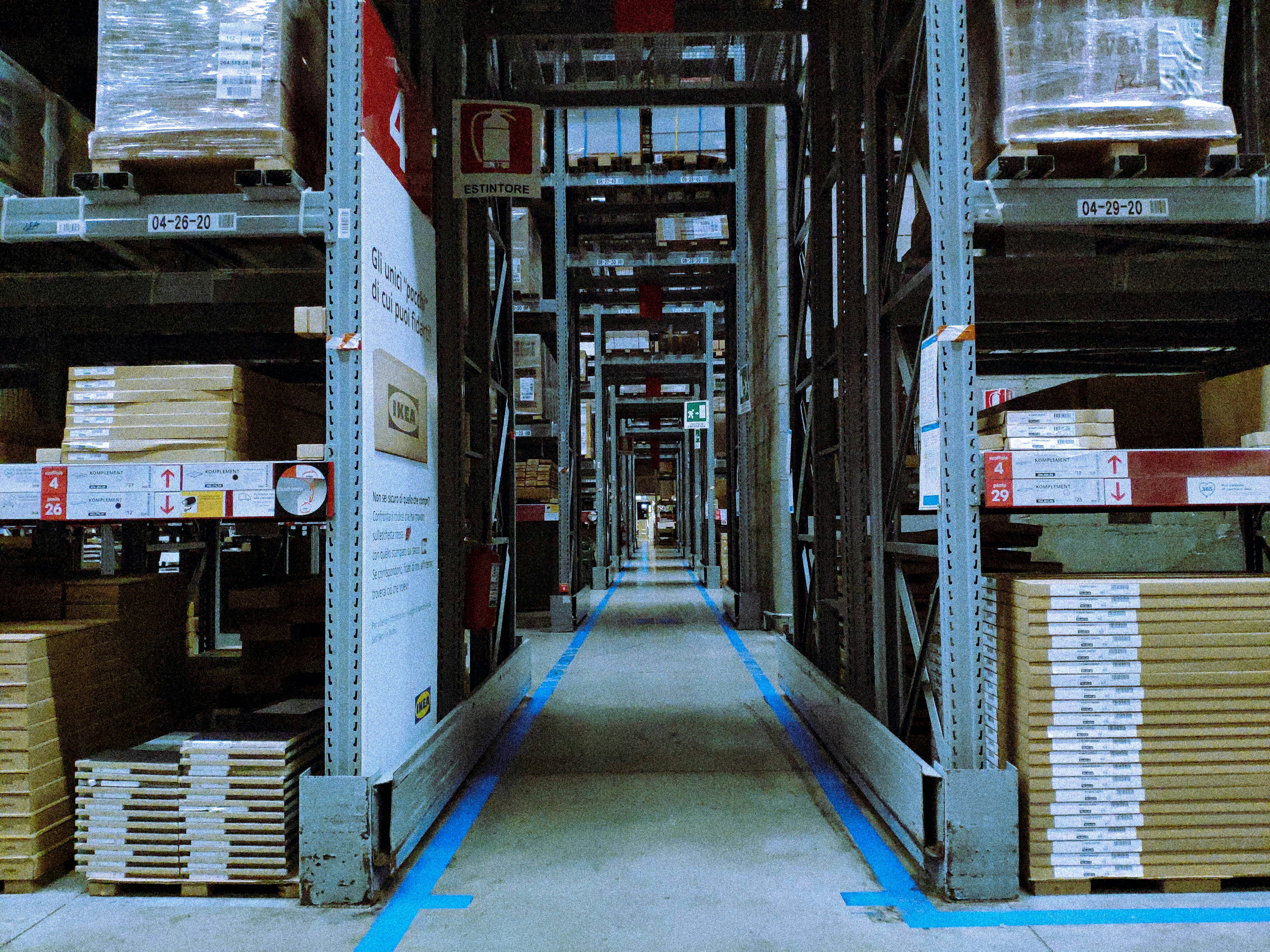
Various industries utilize digital barcodes to optimize their operations. In retail, for instance, they facilitate quicker transactions at the point of sale, thus improving customer experience. In logistics and warehousing, barcodes are employed for inventory management, ensuring accurate tracking of goods and preventing overstock or stockouts. Furthermore, healthcare organizations use barcodes for medicine tracking and patient identification, enhancing safety and operational efficiency.
The benefits of integrating digital barcodes into various processes are manifold. They not only streamline operations but also significantly reduce paper waste by minimizing the reliance on printed labels and documents. By adopting digital technologies like barcodes, businesses can contribute positively toward achieving sustainability goals, demonstrating a commitment to reducing their environmental footprint.
The Environmental Impact of Paper Production
Paper production is a significant contributor to environmental degradation, impacting forests, water sources, and the atmosphere. One of the most prominent issues related to this industry is deforestation. According to the World Wildlife Fund, roughly 13 million hectares of forest are lost each year, much of which is attributed to the demand for paper products. This loss of trees not only diminishes biodiversity but also disrupts ecosystems, making it vital to find alternatives to traditional paper usage.
The process of producing paper involves substantial water consumption, which poses another environmental challenge. The pulp and paper industry is known for its high water usage; for instance, it takes about 10,000 liters of water to produce just one ton of paper. This excessive water requirement can lead to the depletion of local water resources, affecting both aquatic ecosystems and communities that rely on these sources for their daily needs.
Moreover, paper production contributes significantly to carbon emissions. The process entails energy-intensive steps, such as the conversion of wood to pulp, drying, and finishing. The production of one ton of paper can emit approximately 1.5 tons of carbon dioxide into the atmosphere. These emissions exacerbate climate change, underscoring the urgent need for more sustainable practices within the industry.
Given these substantial environmental impacts, reducing the reliance on paper is essential for sustainability. Transitioning to digital alternatives, such as digital barcodes, can significantly minimize paper usage. Implementing such changes not only helps mitigate the adverse effects on forests and water sources but also plays a role in decreasing carbon emissions associated with paper production. As society progresses toward a more digital landscape, it is critical to recognize the benefits these alternatives offer in promoting environmental health.
How Digital Barcodes Can Reduce Paper Waste
Digital barcodes serve as a pivotal innovation in minimizing paper waste across various sectors. One of the most effective applications is the implementation of digital receipts. Traditional paper receipts contribute significantly to landfill waste, yet with digital barcodes, transactions can be easily recorded and sent directly to the consumer’s smartphone or email. This method not only reduces the need for paper but also allows for easier tracking of purchases, enhancing consumer experience and promoting sustainability.
Furthermore, digital barcodes are integral in modern inventory tracking systems. Retailers and suppliers can adopt barcode technology to manage stock levels without the necessity for extensive paper documentation. By using digital inventory management systems, businesses can streamline operations, reduce human error, and ultimately mitigate the volume of printed materials. Automated updates and real-time data access ensure that businesses maintain accuracy without excess reliance on physical records.
In addition to receipts and inventory management, digital barcodes play a significant role in product labeling. By integrating barcodes directly onto products, companies can provide customers with relevant information without the need for excess packaging or printed materials. This approach not only minimizes paper usage but also empowers consumers with instant access to product details via their smartphones. Scanning barcodes can easily pull up essential specifications, manufacturing data, or environmental impact information, fostering a more transparent relationship between consumers and brands.
Overall, digital barcodes represent a versatile tool in driving down paper consumption across various business processes. Their capacity to simplify and digitize traditional practices redefines operational efficiency while contributing to environmental sustainability efforts. By adopting these solutions, organizations can make strides toward reducing paper waste effectively.
Successful Implementations of Digital Barcodes
The transition to digital barcodes is gaining traction across various industries, with several companies demonstrating the efficacy of this sustainable approach in reducing paper waste. One notable case is that of a leading retail chain that implemented a digital barcode system across its multiple storefronts. By utilizing digital barcodes for product labeling and inventory management, the company successfully reduced its paper usage by over 60%. The shift not only minimized waste but also streamlined the inventory process, allowing for real-time data tracking and improved accuracy in stock levels.
In the logistics sector, a major shipping company adopted digital barcodes to enhance package tracking and delivery verification. Prior to this implementation, the company relied heavily on paper-based tracking systems, which were both inefficient and environmentally damaging. The introduction of digital barcodes facilitated smoother operations and reduced reliance on paper documentation. As a result, the organization reported a decrease in paper consumption by 50%, translating into significant cost savings and an improved ecological footprint.
Similarly, a large healthcare provider showcased how digital barcodes could transform medical records management. By integrating digital barcodes into their patient information system, the hospital was able to cut down on paper medical records, achieving a reduction of 40% in paper-related processes. This transition not only improved record accessibility for healthcare professionals but also enhanced patient care through better documentation practices.
These cases illustrate the potential of digital barcodes as a viable solution for reducing paper waste in diverse sectors. The experiences of these organizations provide valuable insights into the benefits and practicalities of adopting this technology. The collective results achieved reinforce the message that embracing digital solutions can lead to significant environmental improvements while enhancing operational efficiency in competitive markets.
Challenges and Considerations
While transitioning to digital barcodes presents numerous environmental benefits, businesses may encounter several challenges and considerations that warrant careful attention. One significant hurdle is the adoption of new technology. Many organizations may rely on traditional barcode systems and might resist the shift due to the perceived complexity involved in implementing digital solutions. The integration process can require updates to existing infrastructure, staff training, and integration with other digital systems, which can seem daunting for some businesses.
Furthermore, consumer acceptance plays a crucial role in the successful implementation of digital barcodes. Customers who are accustomed to traditional paper-based barcodes may be hesitant to embrace a new format. This resistance can stem from a lack of understanding of the benefits that digital barcodes provide, such as enhanced efficiency and reduced environmental impact. Therefore, businesses must engage in consumer education efforts to communicate the positive aspects of digital barcodes and encourage adoption among their clientele.
Another prominent consideration involves the initial investment costs required for transitioning to digital barcode systems. Although the long-term savings and sustainability benefits are clear, the upfront cost can deter some businesses, particularly small to medium enterprises that may have limited budgets. These companies might find it challenging to allocate funds for the necessary technology upgrades and staff training. Therefore, it is critical to develop a comprehensive financial plan that outlines potential returns on investment and ways to spread out costs over time.
To address these challenges, businesses can adopt various strategies. Fostering a culture of digital innovation within organizations, leveraging incentive programs for customers, and exploring financing options for investment can help ease the transition. By proactively tackling these challenges, businesses can effectively integrate digital barcodes into their operations and contribute significantly to reducing paper waste.
The Future of Digital Barcodes and Paper Waste Reduction
As technology continues to evolve, the future of digital barcodes presents significant potential for reducing paper waste. With advancements in scanning technology and mobile applications, digital barcodes are becoming more accessible and efficient. These innovations allow consumers and businesses to engage in a more sustainable method of data transfer and product information dissemination, reducing the need for printed materials. As consumers increasingly demand eco-friendly alternatives, companies that adopt digital barcodes may further enhance their brand reputation and customer loyalty.
Moreover, the growing emphasis on sustainability has sparked interest in regulatory changes that could mandate the reduction of paper usage. Governments and organizations worldwide are recognizing the environmental impact of excessive paper consumption and are exploring ways to encourage digital solutions. Initiatives such as incentives for businesses adopting digital barcoding systems and mandates for reducing paper documentation in various industries could catalyze widespread acceptance and integration of these technologies.
On the consumer side, there is a shift towards a more digitized lifestyle where applications utilize digital barcodes for a seamless shopping experience. This includes everything from contactless payments to digital loyalty programs, showcasing how digital barcodes can replace traditional paper-based systems. Additionally, the rise of smart packaging solutions could enable consumers to access information via their smartphones, eliminating the need for paper labels altogether.
Looking ahead, the integration of digital barcodes is likely to accelerate, particularly as technology becomes more ubiquitous. Blockchain and the Internet of Things (IoT) may further enhance the functionality of digital barcodes, providing a reliable, transparent, and sustainable alternative to traditional documentation. The future of digital barcodes is promising, with the potential not only to reduce paper waste but also to revolutionize how products are tracked, traded, and consumed.
Tips for Businesses to Implement Digital Barcodes
As businesses increasingly recognize the importance of sustainability, implementing digital barcodes can significantly contribute to reducing paper waste. To successfully integrate digital barcodes into operations, companies must first assess their unique needs. This includes understanding the types of products or services they offer and evaluating existing inventory management systems. An assessment helps identify specific areas where digital barcodes can streamline processes and enhance efficiency.
Once the needs are defined, the next step is to choose the right technology. Businesses should consider various digital barcode solutions, such as QR codes, NFC tags, and mobile applications. It is vital to evaluate the compatibility of these technologies with current systems to ensure a smooth transition. Companies should also prioritize ease of use, as a user-friendly interface can encourage both staff and customers to embrace digital solutions. Additionally, exploring software that allows for the easy generation and scanning of digital barcodes will be beneficial to the overall implementation process.
Educating staff and customers on the benefits of digital barcodes is critical to maximize adoption and effectiveness. Organizations can conduct training sessions or workshops to familiarize employees with the use of these new tools. This not only improves operational efficiency but also enhances employee engagement. For customers, offering informational materials, such as flyers or engaging in social media campaigns, can raise awareness about the advantages of digital barcodes. Businesses may also consider incentivizing customers who utilize digital options, which can further promote this eco-friendly approach.
By following these tips—assessing specific needs, selecting appropriate technology, and educating stakeholders—businesses can successfully implement digital barcodes in a manner that minimizes paper waste and promotes sustainability.
Conclusion: Embracing Digital Solutions for a Greener Future
Reducing paper waste has become a critical aspect of environmental sustainability, and the adoption of digital solutions such as digital barcodes represents a significant stride in this regard. Throughout this blog post, we have explored the impact of paper consumption on the environment and the advantages that digital alternatives can offer across various sectors. As emphasized, digital barcodes reduce the reliance on paper labels, packaging, and printed materials, leading to substantial savings in both resources and costs.
The integration of digital barcodes not only mitigates the ecological footprint associated with paper usage but also streamlines operational processes. For businesses, this transition can result in increased efficiency and enhanced accuracy in inventory management and tracking. By shifting toward digital solutions, organizations can not only contribute to reducing paper waste but also foster a culture of innovation that aligns with sustainable practices.
Furthermore, embracing digital barcodes serves as a crucial step in engaging consumers toward environmentally responsible choices. As businesses implement digital solutions, they create awareness among their customers regarding the environmental benefits of reducing paper waste. This education can facilitate a collective shift toward sustainability, prompting individuals to reconsider their consumption habits and support eco-friendly initiatives.
In light of these benefits, it is essential for both businesses and individuals to recognize the potential of digital solutions as a means to combat paper waste. By prioritizing technologies such as digital barcodes, we can progress toward a more sustainable future. Ultimately, the widespread acceptance of these innovations will play a pivotal role in achieving long-term environmental goals, encouraging a shift away from traditional practices that contribute to waste accumulation.
© barcodly.com- All rights reserved