Understanding QR Codes: A Brief Overview
QR codes, or Quick Response codes, are two-dimensional barcodes that have gained significant popularity since their invention in 1994 by Denso Wave, a subsidiary of Toyota. Initially designed to track automotive parts, QR codes have evolved into dynamic digital tools that facilitate fast data sharing across various contexts. Unlike traditional barcodes that contain data horizontally, QR codes encode information both horizontally and vertically, allowing them to store vastly more data in a compact space.
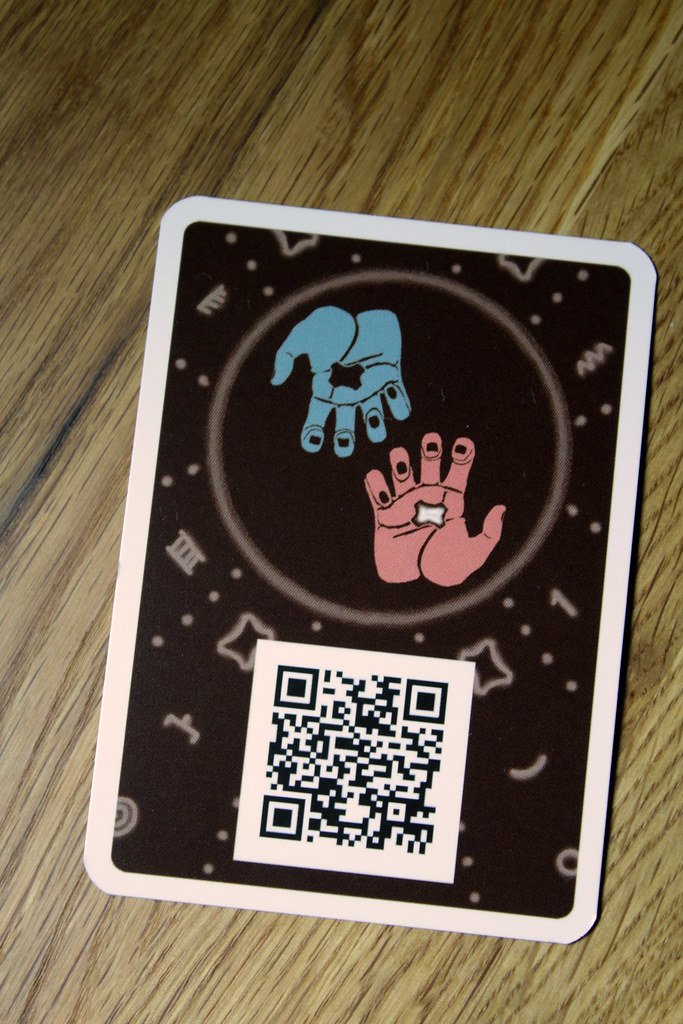
A QR code typically consists of black squares arranged in a square grid on a white background, which can be easily scanned by a camera-equipped device. Upon scanning, the encoded information can be instantly accessed by the device, leading to actions such as opening a website, displaying text, or connecting to Wi-Fi networks. The fundamental structure of a QR code includes finder patterns, timing patterns, alignment patterns, and a version information that aids in correct data interpretation, emphasizing its sophisticated design compared to standard barcodes.
As for the types of information QR codes can store, they can range from simple URLs and email addresses to more complex data like vCard details or event information. Their versatility has led to widespread applications beyond mere smart device pairing, extending to sectors such as marketing, ticketing, and even contactless payments. Businesses utilize QR codes to enhance customer engagement, streamline processes, and improve user experience through instant access to digital content. The adaptability and ease of use of QR codes mark their significant role in the modern digital landscape, making them invaluable tools for both consumers and enterprises alike.
The Process of Smart Device Pairing with QR Codes
Smart device pairing has traditionally involved several cumbersome steps, requiring users to navigate through numerous menus and input complex codes. With the advent of QR codes, this process has become markedly more efficient. QR codes offer a streamlined method for pairing, which enhances the overall user experience by simplifying the connections between devices.
The pairing process using QR codes typically involves the following steps: First, the user selects the option to pair a new device within the application associated with the primary device. Upon doing so, a QR code is generated that encompasses the necessary information, including device identification and connection protocols. This code is often displayed visually on the screen.
Next, the secondary device, which the user wishes to pair, employs its camera to scan the QR code. Once the scanning is complete, the secondary device automatically retrieves the details encoded in the QR code, significantly reducing the need for manual input. This immediacy not only saves time but also minimizes errors that frequently occur with traditional pairing methods.
Moreover, QR codes enhance security and accuracy during the pairing process. Since the information is encoded in a manner that is difficult to replicate or manipulate, it significantly reduces the likelihood of unauthorized access or device spoofing. In addition, the error rate is lower than manual entries, as users do not have to input alphanumeric codes by hand.
The convenience offered by QR codes applies to multiple scenarios in everyday life, such as connecting wireless headphones to a smartphone or linking smart home devices. Consequently, this method represents the future of device pairing, merging ease of use with robust security measures.
Advantages of Using QR Codes for Device Pairing
QR codes present numerous advantages when it comes to the pairing of smart devices, significantly enhancing user experience and operational efficiency. One of the primary benefits of utilizing QR codes in device pairing is the remarkable time efficiency they offer. Traditional pairing methods often require multiple steps that can be cumbersome and time-consuming, whereas scanning a QR code can instantly establish a connection between devices. According to recent studies, QR code scanning can reduce the pairing process time by up to 80%, making it an efficient solution for users navigating through various smart home ecosystems.
Furthermore, the ease of use associated with QR codes cannot be overstated. Users simply need to point their device camera at the code, and the connection is made almost instantaneously. This simplicity is particularly beneficial for less tech-savvy individuals who may struggle with manual pairing processes. Additionally, QR codes eliminate the need for complex manual input, thereby significantly reducing input errors, which can be prevalent in conventional pairing methods. A report from a leading technology research firm indicates that errors related to manual data entry can decrease by approximately 60% when QR codes are employed for device associations.
Moreover, enhanced security features are another vital advantage of QR codes in smart device pairing. Unlike traditional Bluetooth or Wi-Fi connections that may expose devices to vulnerabilities, QR codes encapsulate essential information in a secure format. This level of security is paramount in an era where safeguarding personal data is increasingly critical. Anecdotal evidence suggests that tech companies have witnessed a decrease in unauthorized access incidents by consistently leveraging QR code technology for device linking.
Overall, the integration of QR codes into the device pairing process provides swift, user-friendly, and secure connections, making them a preferred choice for smart device interactions.
Future Trends: QR Codes and Emerging Technologies in Device Connectivity
The integration of QR codes in smart device pairing is poised to undergo significant advancements as technological innovations continue to emerge. One of the most promising developments is the synergy between QR codes and augmented reality (AR). By incorporating AR functionalities, users can engage with QR codes in a more interactive manner, allowing for dynamic content display upon scanning. For instance, instead of merely linking to a static webpage, a QR code may trigger an AR experience that showcases a 3D representation of the device that can be paired, enhancing user engagement and understanding.
Furthermore, the future of QR codes is set to be influenced by advancements in security technologies, particularly the application of blockchain. This approach could ensure a higher level of security and authenticity in the smart device pairing process. By utilizing blockchain, each QR code generated can contain an encrypted, verifiable identity linked to the device, significantly reducing the risk of phishing and unauthorized access. As users become increasingly concerned about their digital security, such developments will likely enhance their confidence in QR code technology.
In addition to these technologies, the landscape of smart connectivity will also be affected by trends such as the Internet of Things (IoT) and artificial intelligence (AI). QR codes, in conjunction with IoT devices, can facilitate a seamless, automatic pairing process, where devices recognize and connect to each other instantly upon scanning. This capability could streamline user interactions in various environments, from homes to public spaces.
However, with these emerging trends, several challenges must be considered. Developers must focus on creating user-friendly interfaces that facilitate effective adoption of these innovations. Additionally, as QR codes and new technologies evolve, there will be a necessity for education and awareness among consumers regarding their usage and potential risks.
© barcodly.com- All rights reserved