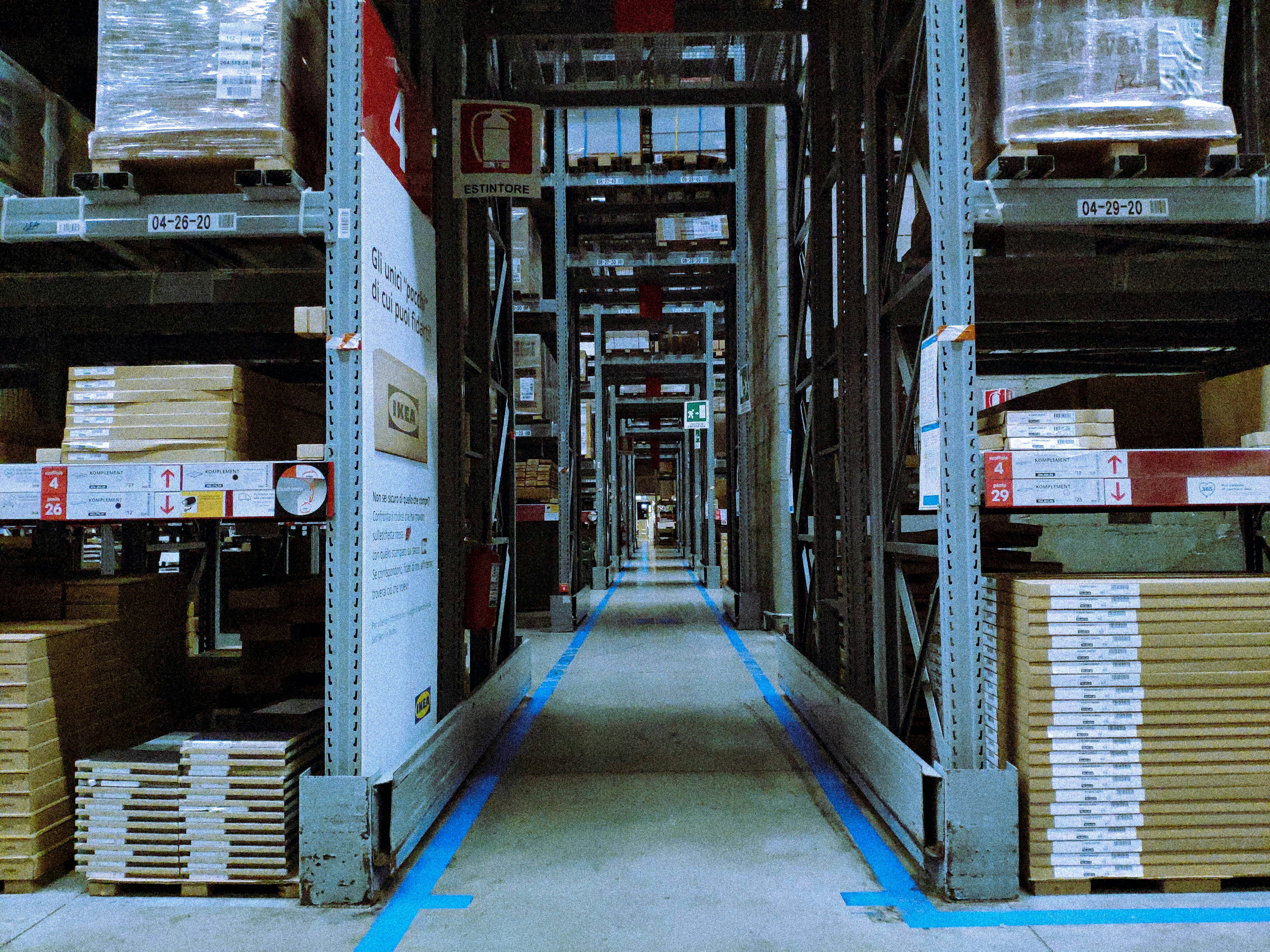

Introduction to Barcodes and Their Limitations
Barcodes have become a ubiquitous element in various industries, transforming the way products are tracked and managed. Introduced in the 1950s, their development was initially inspired by the need for efficient inventory management and pricing in retail environments. The barcode system employs a series of parallel lines and spaces to represent data, which can be quickly scanned and decoded by optical readers. Over the decades, the technology has seen considerable advancements, leading to widespread adoption across manufacturing, logistics, and healthcare sectors, significantly enhancing productivity and accuracy in operations.
Despite their significant benefits, barcodes are not without limitations. A primary drawback is the requirement for line-of-sight scanning, which restricts the scanning process to a direct view between the scanner and the barcode label. This characteristic can lead to inefficiencies, especially in fast-paced environments where quick product handling is essential. Additionally, barcodes are susceptible to damage; any scratches, smudges, or physical degradation can render them unreadable. Once compromised, the efficiency gains offered by barcodes are negated, thus impacting supply chain operations negatively.
Moreover, barcodes can struggle to accommodate high-density data environments. As businesses evolve and data complexity increases, the capacity of traditional barcodes can become a bottleneck. Barcodes typically encode limited amounts of information, making them inadequate for more sophisticated tracking and management needs. Consequently, they may not align with the demands of modern inventory systems that seek to integrate comprehensive information regarding product history and status. The limitations of barcodes have prompted industries to explore alternative solutions, such as RFID technology that promise to address these challenges while enhancing data capture and management capabilities.
The Rise of RFID Technology
Radio Frequency Identification, commonly known as RFID, is an advanced technology that utilizes electromagnetic fields to efficiently transfer data between a reader and a movable object, typically referred to as a tag. In contrast to traditional barcodes, which require a direct line of sight for scanning, RFID systems can operate over distances and in various conditions, making them increasingly versatile for inventory management and tracking applications.
At the core of an RFID system are three main components: tags, readers, and middleware. RFID tags are small devices attached to items and contain integrated circuits that store information. These tags can be passive, active, or semi-passive. Passive tags have no battery and rely on the radio waves emitted by the reader for power, whereas active tags have their own power source, allowing them to transmit signals over longer distances. On the other hand, middleware serves as the intermediary software that processes the data collected by RFID readers, integrating this information into existing systems for effective real-time inventory management.
One significant advantage of RFID technology is its capability to facilitate automatic identification and data capture without the need for manual scanning. This helps minimize human error, increases inventory accuracy, and enhances the overall efficiency of supply chain operations. RFID systems can read multiple tags simultaneously, allowing for rapid inventory audits and reducing labor costs associated with tracking items. Moreover, RFID tags can withstand harsh environments, which makes them suitable for various industries, including healthcare, retail, manufacturing, and logistics.
As organizations strive to streamline operations and reduce costs, the adoption of RFID technology is on the rise. Its ability to provide real-time visibility and data transparency greatly surpasses traditional barcode systems, positioning RFID as a favorable alternative for modern inventory management solutions.
Comparing Barcodes and RFID: Efficiency and Accuracy
As businesses strive for greater operational efficiency and accuracy, a comparison of barcodes and Radio Frequency Identification (RFID) systems becomes increasingly pertinent. Barcodes have been the traditional choice for inventory management; they are comparatively inexpensive and simple to implement. However, they suffer from limitations that RFID technology can address. One of the foremost advantages of RFID is scanning speed. RFID systems can read multiple tags simultaneously, which significantly reduces the time needed for inventory management tasks like stocktaking. This contrasts sharply with barcodes that require a line of sight, often necessitating individual scanning.
In terms of data capacity, RFID tags can store much more information than traditional barcodes. A standard barcode typically holds a limited set of alphanumeric characters, while RFID tags can store thousands of bytes of data. This enables businesses to include more detailed product information, which can enhance operational efficiency. For retailers, this means more insightful inventory tracking and reduced stock discrepancies, which can ultimately lead to better customer service.
Real-world applications underscore these advantages. For instance, leading retail chains have adopted RFID to manage inventory levels more accurately. A case study involving a large clothing retailer revealed a significant increase in inventory accuracy after switching from barcodes to RFID. The company reported a 30% reduction in stock discrepancies, translating into fewer lost sales and higher customer satisfaction. Furthermore, the transition allowed for more efficient supply chain operations, demonstrating just how transformative an RFID implementation can be.
In summary, while barcodes continue to be valuable in many contexts, RFID offers marked improvements in scanning speed, data capacity, and the ability to handle multiple items at once. As businesses increasingly prioritize efficiency and accuracy, the adoption of RFID technology appears poised to rise.
Beyond RFID: Other Emerging Technologies
As the landscape of supply chain technology evolves, various emerging alternatives to traditional barcodes and RFID are gaining traction. One significant technology making waves is Near Field Communication (NFC). NFC enables short-range communication between devices, allowing for secure and efficient data exchange. It has found applications in diverse areas, including contactless payments and smart labels. By embedding NFC chips in products, businesses can facilitate seamless inventory management and enhance customer engagement through interactive product experiences.
Another prominent technology that has emerged is QR codes (Quick Response codes). Initially popularized in marketing, QR codes have extended their utility to various sectors, including retail and logistics. Their capability to store large amounts of data makes them handy for quick access to product information, tracking shipments, and even authentication. Unlike barcodes, which require a scanner, QR codes can be scanned using smartphones, fostering ease of use and accessibility for consumers and businesses alike.
Besides NFC and QR codes, the incorporation of blockchain technology presents a compelling alternative for ensuring transparency and traceability in supply chains. By utilizing a decentralized ledger, blockchain provides an immutable record of transactions, enhancing confidence in product authenticity. This technology is particularly advantageous for industries that require rigorous standards and accountability, such as pharmaceuticals and food safety. Blockchain can be integrated with RFID and other technologies to create a holistic solution for tracking products throughout their lifecycle.
In summary, while RFID technology continues to play a crucial role in supply chain operations, the advent of NFC, QR codes, and blockchain demonstrates that there are numerous alternatives available. Each technology offers unique capabilities, illustrating the dynamic nature of tracking and data exchange in a rapidly changing marketplace. As businesses explore these innovations, they are likely to discover enhanced efficiency and greater transparency across their operations.
The Future of Inventory Management
The inventory management landscape is evolving, driven by advancements in technologies such as RFID (Radio-Frequency Identification), automation, data analytics, and the Internet of Things (IoT). These shifts are poised to redefine how businesses manage their supply chains and inventory systems. RFID plays a crucial role by enabling rapid data capture and real-time tracking of products, offering an alternative to traditional barcoding methods. This technology allows for more accurate inventory levels, reducing human errors associated with manual entries.
Moreover, the integration of automation into inventory processes is set to enhance operational efficiency. Automated systems can streamline various tasks—ranging from stock replenishment to order fulfillment. This reduction in manual labor not only minimizes workflow disruptions but also frees up valuable human resources for more strategic roles within organizations. When combined with RFID technology, automation builds a robust ecosystem for inventory management, helping firms maintain optimal stock levels and react swiftly to market demands.
Data analytics further complements these technological advancements by providing actionable insights derived from real-time inventory data. Businesses can analyze trends and predict consumer behavior, resulting in more informed decision-making processes. Companies that leverage data analytics alongside RFID can optimize their supply chain operations, thereby reducing excess inventory and minimizing carrying costs.
Additionally, the future of inventory management cannot be discussed without addressing the impact of IoT technology. IoT devices facilitate smoother communication between different components of the supply chain, enabling seamless data exchange. With IoT, items can be equipped with sensors that automatically relay information on their status and location, enhancing visibility and control over inventory.
In conclusion, the integration of RFID, automation, data analytics, and IoT into inventory management systems is expected to revolutionize business processes across various sectors. Adopting these technologies provides significant advantages, including improved efficiency, accuracy, and responsiveness to market changes, paving the way for a smarter inventory management future.
Challenges and Considerations for Implementation
The transition from traditional barcodes to Radio Frequency Identification (RFID) technology presents various challenges and considerations for businesses. While RFID can significantly enhance inventory management and operational efficiency, the initial implementation costs can be substantial. This includes expenses related to purchasing RFID tags, readers, and the necessary software to manage the new system. For smaller enterprises, these costs might pose a barrier to adoption, causing them to weigh the potential long-term ROI against the upfront investment.
Another critical factor to consider is the integration of RFID technology with existing systems. Many businesses may already have established inventory management systems that utilize barcodes, meaning that a seamless integration with RFID solutions is essential for continued efficiency. This may require hiring external experts or dedicating internal resources to ensure compatibility, which can further increase costs and prolong the implementation timeline.
Workforce training also presents a significant hurdle. Employees must acquire new skills to use the RFID technology effectively, including operating new hardware and understanding how to interpret the data collected. Effective training programs are vital to ensure that all staff members feel comfortable with the new system, as resistance to change in workforce culture can hinder successful implementation. For example, a large retail chain faced initial pushback from employees when introducing RFID technology; however, comprehensive training sessions highlighting the benefits of the new system led to smoother transitions and increased overall productivity.
Furthermore, the lack of standardization in RFID technology can create issues for businesses. Without universally accepted technological standards, companies might face compatibility issues, hindering their ability to scale operations. To mitigate these risks, it is crucial for businesses to conduct thorough research and develop a strategy that accommodates both current and future technological trends. By examining successful case studies, organizations can find innovative ways to overcome these challenges, ensuring that their RFID implementation is both efficient and effective.
Case Studies: Success Stories of RFID Adoption
Radio Frequency Identification (RFID) technology has gained traction across numerous industries, demonstrating its potential to transform operations and enhance efficiency. A notable example is the implementation of RFID in retail by major players like Macy’s. The department store chain adopted RFID to streamline inventory management processes, leading to a significant reduction in out-of-stock incidents. By tagging merchandise with RFID labels, Macy’s was able to conduct inventory counts more frequently and accurately, resulting in improved customer satisfaction and a boost in sales.
Another compelling case study can be found in the manufacturing sector with the implementation of RFID by Siemens. The company faced challenges related to tracking components across its production lines. By integrating RFID technology, Siemens achieved real-time visibility into its supply chain. This shift not only minimized delays but also reduced labor costs associated with manual tracking systems. In analyzing Siemens’ experience, it becomes evident that the investment in RFID can yield substantial operational efficiencies, fostering innovation in the manufacturing process.
The healthcare industry has also reaped the benefits of RFID technology, as seen in the case of the North Carolina State University (NCSU) Health Care System. Faced with the challenge of managing medical equipment and patient records accurately, NCSU implemented RFID to track both assets and patients effectively. This led to a remarkable decrease in equipment loss and improved patient safety by ensuring that the right equipment was available when needed. The experience of NCSU highlights the crucial role that RFID can play in enhancing operational effectiveness and patient care within healthcare facilities.
Despite the success stories, organizations adopting RFID technology must navigate challenges, such as initial investment costs and integration hurdles with existing systems. However, the benefits—ranging from improved efficiency to enhanced data accuracy—often outweigh these challenges. Companies embracing RFID technology can learn invaluable lessons from these case studies, leveraging the insights gained to ensure a successful implementation and adaptation to this transformative technology.
Environmental Considerations: The Sustainability Aspect
The environmental implications of barcodes and RFID technologies are increasingly significant as industries seek sustainable solutions. Traditional barcodes, while functional, contribute to environmental concerns through their life cycle, from production to disposal. The materials used for barcode labels often involve plastic substrates and non-biodegradable inks, resulting in substantial waste when these labels are discarded. Consequently, the integration of RFID technology presents an opportunity to address some of these sustainability issues.
RFID tags, predominantly made from silicon and metal components, offer improved functionality over barcodes by enabling more efficient tracking and inventory management. However, RFID technology isn’t without its environmental footprint. The production processes for RFID components can be resource-intensive, consuming significant amounts of energy and raw materials. However, many manufacturers are now transitioning towards greener practices by utilizing recycled materials and eco-friendly manufacturing processes. This shift not only reduces the carbon footprint but also aligns with the growing demand for sustainable products.
Another important aspect is the disposal of technological waste. Conventional barcode labels contribute to landfill overflow due to their inability to decompose satisfactorily. In contrast, modern RFID tags can be designed to be more environmentally friendly; manufacturers are developing biodegradable options that break down more easily over time, addressing the waste management challenges posed by their predecessors. This innovation signifies a crucial step toward promoting circular economy principles within the technology sector.
As organizations increasingly embrace technological advancements, a concerted effort to assess and improve the sustainability of these systems is imperative. Whether through adopting biodegradable RFID tags or implementing comprehensive disposal strategies, industries can significantly mitigate their environmental impact while enhancing operational efficiency. By prioritizing sustainability in both barcode and RFID applications, companies can contribute to a healthier planet.
Conclusion: Is This the End of Barcodes?
As we consider the implications of advanced technologies such as RFID and other innovations, it becomes essential to evaluate the future of traditional barcodes. In recent years, the rapid development and deployment of RFID technology have demonstrated significant advantages over barcodes, including enhanced speed, accuracy, and the ability to read multiple items simultaneously. These characteristics have raised questions about the viability of traditional barcodes in the evolving landscape of inventory management and tracking systems.
Despite the advantages of RFID, it is crucial to acknowledge the deep-rooted presence of barcodes in various sectors. Barcodes have been a staple in the retail, logistics, and supply chain industries for decades, offering a simple yet effective means of tracking products. The low cost of barcode printing and the widespread availability of barcode scanning technology contribute significantly to their persistent use. In fact, many businesses continue to rely on barcodes due to their established efficiency and the infrastructure already built around them.
Furthermore, the advancements in technology may not necessarily signal the end of barcodes. Instead, it is plausible that we will witness a coexistence of both RFID and barcodes in various applications. Hybrid systems may develop, combining the strengths of both technologies to create an even more robust solution for inventory management. This approach could enable organizations to leverage the cost-effectiveness of barcodes while simultaneously embracing the efficiency of RFID where applicable.
In conclusion, while RFID and other technologies present compelling reasons to reconsider the reliance on barcodes, the latter’s historical significance and practicality suggest that they will continue to play a role in the market. The future is likely to see a collaborative synergy between these technologies, allowing businesses to adapt and optimize their operations in an increasingly complex environment.
© barcodly.com- All rights reserved