Introduction to Event Ticketing
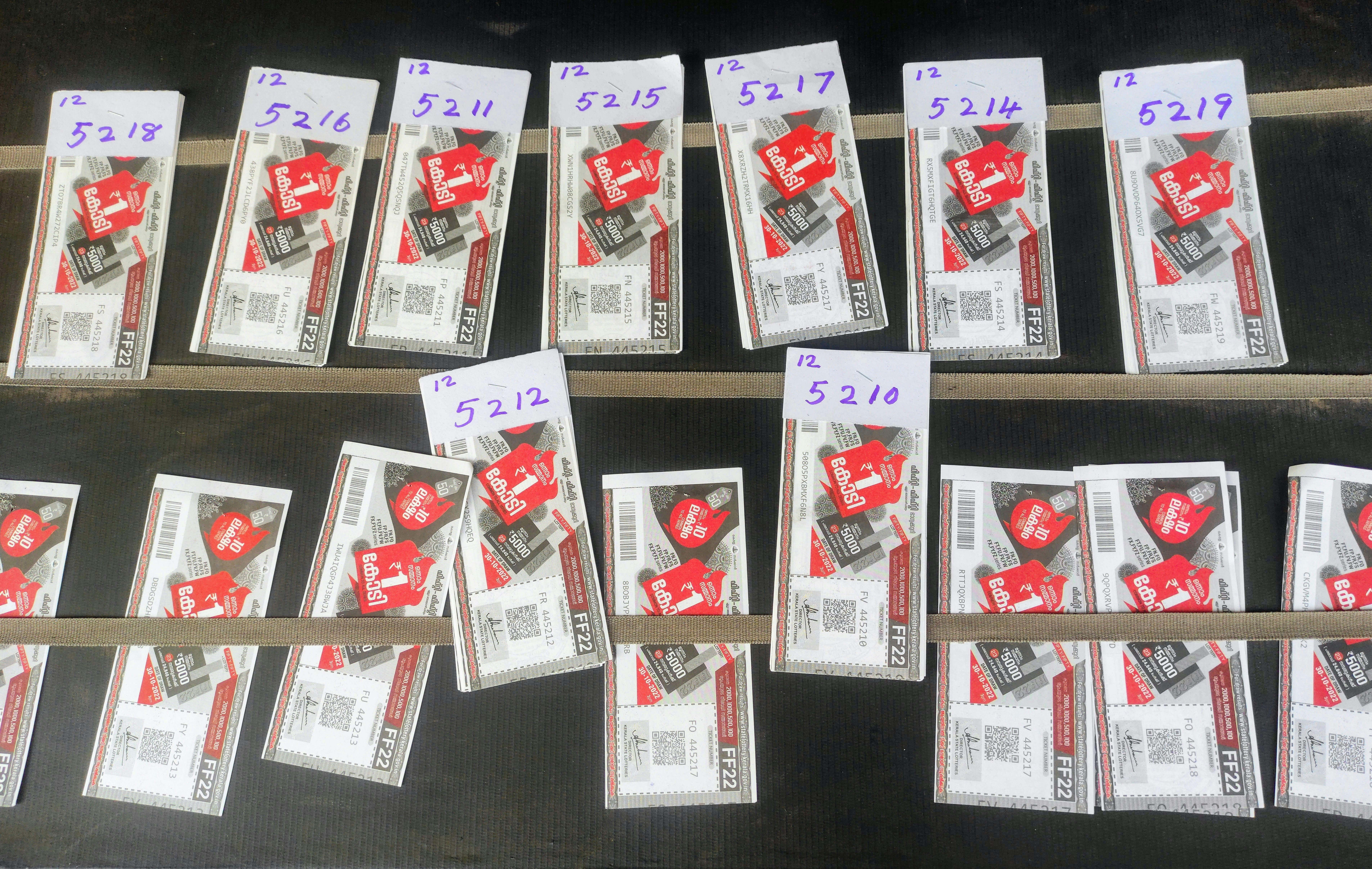
Event ticketing plays a vital role in the success of any event, serving as the primary gateway for attendees to access and experience various activities, from concerts to conferences. The traditional ticketing landscape has undergone significant transformations over the years, evolving from physical tickets to more advanced digital solutions. Initially, tickets were printed on paper, often involving meticulous manual processes for distribution and validation. This approach, while functional, had its limitations, including the potential for fraud and the challenges associated with inventory management.
As technology progressed, so did ticketing practices. The shift toward online ticket sales allowed event organizers to reach a broader audience while minimizing operational inefficiencies. With online platforms, attendees can purchase tickets conveniently from anywhere, access real-time inventory updates, and receive e-tickets via email or mobile applications. This digital approach not only enhances the user experience but also streamlines the ticket verification process at event entrances.
Despite these advancements, the event ticketing industry faces several challenges. Event organizers often grapple with issues such as ticket scalping, fraud, and the difficulty of managing large crowds at entry points. Additionally, implementing effective security measures to safeguard both attendees and event integrity remains a paramount concern. These challenges highlight the need for modern solutions that can effectively address the complexities of ticket management.
The emergence of barcode technology offers a promising avenue for overcoming many of these challenges. By harnessing the power of barcodes, event organizers can improve their ticketing strategies, enhance security protocols, and provide a seamless experience for attendees. As we delve deeper into this topic, it is essential to understand the evolution of event ticketing and the transformative impact of innovative practices within the industry.
Understanding Barcodes
Barcodes are machine-readable representations of data that consist of a sequence of varying widths and spaces, typically in a parallel arrangement. They serve as a visual code to convey information efficiently. The most familiar type of barcode is the one-dimensional (1D) barcode, which features a series of vertical lines that represent specific data in a linear format. Additionally, two-dimensional (2D) barcodes, such as QR codes, can encode more information due to their grid-like structure. This diversity in barcode types supports various applications in industries ranging from retail to event ticketing.
The Structure of Barcodes
A standard 1D barcode commonly includes several key components: a quiet zone, start and stop characters, and the encoded data itself. The quiet zone, a blank margin on either side of the barcode, ensures that scanners can recognize the beginning and end of the code accurately. The start and stop characters signal the scanner to initiate and conclude the reading process. The encoded data is represented by the bars and spaces, each combination correlating to specific numerical values or alphanumeric characters. For example, a commonly used encoding standard is the Universal Product Code (UPC), which identifies products in retail environments.
How Barcode Technology Functions
Barcode technology operates through a simple yet effective mechanism: encoding and decoding information. When barcodes are printed, they encode data that can be identified by a barcode scanner. Scanners use lasers or cameras to illuminate the barcode and recognize the pattern of light reflected back. The device interprets the variations in light intensity, converting them into digital signals that correspond to the encoded data. This process allows for quick and accurate data retrieval. In the context of event ticketing, barcodes facilitate seamless entry and validation, enhancing the overall attendee experience while minimizing human error.
Benefits of Using Barcodes for Event Ticketing
The implementation of barcodes in event ticketing has revolutionized the way organizers manage entry, enhancing the overall efficiency and security of the process. One notable benefit is the marked increase in efficiency during entry management. Utilizing barcodes allows for quick scanning at the venue, significantly reducing wait times for attendees. This expedient check-in process not only improves the experience for those attending the event but also ensures that the venue can accommodate larger crowds with minimal congestion.
Moreover, the integration of barcodes directly addresses the issue of ticket counterfeiting, a persistent challenge in the industry. Each barcode is unique, making it easy for event organizers to verify authentic tickets while simultaneously preventing unauthorized access. This level of security instills confidence among event-goers, knowing that their tickets are safeguarded against fraud, which is essential for preserving the integrity of any event.
In addition to security and efficiency, barcodes also streamline the check-in process. By allowing for rapid scanning capabilities, organizers can ensure a seamless flow of attendees into an event. This is particularly beneficial for large-scale events where traditional methods of ticket verification can lead to bottlenecks. Furthermore, barcodes enhance the overall user experience as attendees can easily present their digital tickets directly from their smartphones, eliminating the need for physical paper tickets. This convenience not only appeals to tech-savvy audiences but also aligns with the growing trend towards digital solutions in various aspects of modern life.
Ultimately, the benefits of employing barcodes for event ticketing extend beyond mere convenience and security. They contribute to a more organized and user-friendly experience, positioning barcode technology as an essential component in the future of event management.
Implementing Barcode Ticketing Solutions
Implementing barcode ticketing solutions requires careful planning and consideration to ensure a seamless transition for event organizers. The first step in this process is selecting the appropriate software that supports barcode generation and scanning. It is essential to evaluate various suppliers based on their offerings, reliability, and support services. Many software options cater specifically to the event industry, providing features such as ticket creation, real-time analytics, and integration with various payment systems. By choosing a robust software solution, organizers can streamline their ticketing process and enhance the customer experience.
Once the software is selected, the next step involves integrating the barcode system into existing ticketing processes. This may include updating point-of-sale (POS) systems, connecting customer relationship management (CRM) software, and ensuring compatibility with current event management tools. To facilitate a smooth transition, it is advisable to develop a detailed implementation plan that addresses technical requirements and outlines timelines. Communication with all stakeholders, including vendors and partners, can help mitigate potential disruptions during this stage.
Training staff on the new ticketing system is crucial for implementation success. Organizers should conduct comprehensive training sessions that cover the operation of barcode scanners, software functionalities, and troubleshooting procedures. Providing staff with hands-on experience and easy-to-follow manuals can bolster their confidence in using this technology effectively. Additionally, it is important to have a support system in place during the initial events utilizing the barcode ticketing system, as staff may need assistance while becoming accustomed to the new processes.
Implementing barcode ticketing solutions may present challenges, such as technical issues or resistance from staff. To address these potential hurdles, organizers should remain flexible and open to feedback, continuously optimizing their operational approach. By following these steps, event organizers can successfully integrate barcode ticketing solutions, enhancing efficiency and customer satisfaction at their events.
Case Studies of Successful Barcode Ticketing
Barcode ticketing has emerged as a transformative approach within the event management landscape, evidenced by various successful implementations across multiple industries. One notable example is the use of barcode tickets at major music festivals, such as Coachella. Organizers aimed to enhance the attendee experience while also mitigating ticket fraud. By integrating barcode technology, they were able to streamline entry processes significantly. The implementation involved issuing unique barcodes with each ticket sold, ensuring that each entry could be scanned and verified quickly at entry points. This not only reduced long wait times but also provided a secure method to validate ticket authenticity.
Another compelling case study is the annual Comic-Con event held in San Diego. The organizers faced challenges with managing a vast crowd of enthusiasts, leading to congestion and frustration at entry points in previous years. To address these inefficiencies, they adopted a comprehensive barcode ticketing system. The implementation process involved training staff on efficient scanning techniques and utilizing handheld devices equipped with barcode readers. As a result, the event reported a remarkable reduction in entry lines, enhancing the overall attendee experience. Additionally, the data collected from ticket scans helped organizers understand foot traffic patterns, enabling better planning for future events.
The sports sector has also witnessed the benefits of barcode ticketing, particularly during high-profile events like the Super Bowl. Emphasizing the goal of providing a seamless experience for tens of thousands of fans, the organizers incorporated an advanced barcode framework. The analysis showed that before its implementation, entry delays often resulted in a negative atmosphere. Post-implementation, there was a marked decrease in entry times, which contributed to an energized environment ahead of the game. This case exhibited not only the operational advantages of barcode ticketing but also its role in enhancing the event’s overall ambiance and attendee satisfaction.
Security Considerations in Barcode Ticketing
As the use of barcode ticketing systems gains popularity, ensuring the security and integrity of these tickets is paramount for event organizers. Barcode technology, while efficient, introduces unique security challenges that require careful consideration. Implementing robust security measures can mitigate the risks associated with fraud and unauthorized access.
One critical aspect of securing barcode tickets is the implementation of encryption protocols. By encrypting the data encoded within the barcode, organizers can protect sensitive information from being easily intercepted or manipulated. Encryption acts as a safeguard, ensuring that even if individuals were to attempt to clone or duplicate a ticket, without the appropriate decryption key, the information would remain secure and unusable.
Another effective measure is real-time validation of barcode tickets during entry points. This process involves scanning the ticket upon arrival and immediately verifying its authenticity against an event database. Such validation identifies any duplicate or counterfeit tickets, thereby reducing the likelihood of unauthorized entries. Event organizers must ensure that their validation systems are reliable, quick, and capable of processing large crowds efficiently.
Unique identifiers also play a significant role in enhancing barcode ticket security. Each ticket can be assigned a specific, distinct identifier that is hardcoded into the barcode. This uniqueness allows event organizers to track purchases and validate attendance accurately, helping to identify any attempts of ticket fraud. The integration of these identifiers with a centralized database further enables organizers to monitor ticket sales in real-time and identify any anomalies early on.
Nonetheless, challenges remain. Innovative fraud techniques, such as high-quality printing and digital sharing of tickets, can compromise security measures. To address these issues effectively, integrating multiple layers of security, including user authentication and enhanced monitoring systems, will be essential in creating a comprehensive approach to secure barcode ticketing.
The Role of Mobile Technology in Barcode Ticketing
The integration of mobile technology into barcode ticketing has revolutionized the way consumers purchase and manage their tickets for various events. As mobile ticketing apps gain immense popularity, they have become indispensable tools for attendees seeking convenience and flexibility. These apps allow users to securely purchase tickets, store them on their smartphones, and gain access to countless events without requiring physical tickets. The ease with which users can access their tickets on mobile devices has significantly enhanced the overall event attendance experience.
Mobile ticketing solutions work in harmony with barcode systems to provide a seamless ticketing experience. Each ticket generated through mobile apps contains a unique barcode, which event organizers can scan at the entrance, verifying the authenticity of the ticket on the spot. This integration not only streamlines the check-in process but also minimizes the risks associated with ticket fraud—a growing concern in the event industry today. Furthermore, users benefit from real-time notifications about their tickets, reminders for upcoming events, and updates regarding changes in event schedules, all accessible through their mobile devices.
The implications of mobile technology on event attendance and engagement are notable. By providing a seamless ticketing experience, event organizers can help increase attendee satisfaction and retention. This enhanced engagement leads to a higher likelihood of repeat attendance at events. Additionally, mobile technology allows for targeted marketing opportunities, as event planners can analyze user behavior and preferences through their mobile ticketing platforms. Understanding these data trends enables organizers to tailor future events, ultimately fostering deeper connections with their audience.
In conclusion, the rise of mobile technology has significantly augmented the landscape of barcode ticketing, presenting numerous benefits for both event attendees and organizers. By embracing mobile ticketing apps, the event industry can continue to innovate and enhance the ticketing experience moving forward.
Future Trends in Barcode Ticketing
As we look ahead, the landscape of event ticketing is poised for significant transformation, particularly through the widespread adoption of barcode systems and associated technologies. One of the key innovations is the integration of QR codes, which provide a more versatile and user-friendly approach to ticket validation. Unlike traditional barcodes, QR codes can store more information and can be scanned using smartphones, eliminating the need for specialized scanning equipment. This advancement not only enhances the user experience but also streamlines the admission process, making it faster and more efficient for both event organizers and attendees.
Additionally, contactless systems are gaining traction within the barcode ticketing realm. These systems allow attendees to enter events with a simple wave of their smartphones, which is especially appealing in a post-pandemic world where minimizing contact is prioritized. The implementation of Near Field Communication (NFC) technology is a prime example of how contactless entry can enhance security and convenience. As more events adopt this technology, we can expect a significant reduction in queue times and an overall improvement in attendee satisfaction.
Moreover, the integration of event management software with barcode ticketing platforms is set to revolutionize how events are planned and executed. By leveraging data analytics from ticket sales and attendee behavior, event organizers can gain valuable insights, allowing them to tailor experiences more closely to audience preferences. This integration not only streamlines administrative tasks but also empowers organizers to implement targeted marketing strategies based on solid data. As these trends continue to evolve, it is crucial for stakeholders within the event industry to stay ahead of these technological advancements to enhance their ticketing solutions.
Conclusion: Embracing Barcode Ticketing for Events
As the event industry continues to evolve, the adoption of barcode ticketing solutions becomes increasingly essential. Throughout this discussion, we have explored the numerous advantages that barcode technology offers, including enhanced efficiency, improved security, and a streamlined event experience. Barcode ticketing not only simplifies the check-in process but also reduces the chances of ticket fraud by ensuring that each ticket is unique and verifiable. This technology facilitates a seamless entry for attendees, ultimately enhancing their experience and satisfaction.
Moreover, the reliance on digital ticketing has gained momentum, especially in the wake of recent global trends towards contactless solutions. Event organizers who embrace barcode ticketing can benefit from invaluable data collection, enabling them to analyze attendee patterns and preferences. This ability to capture and utilize data effectively can lead to improved marketing strategies and better audience engagement for future events. Additionally, the integration of barcodes within mobile ticketing platforms allows for a convenient and modern approach to event attendance.
In an era where technological advancements are rapidly shaping the landscape of event management, staying current is paramount. As event organizers, understanding the implications of adopting barcode ticketing can provide a competitive edge, fostering innovation and efficiency in operational processes. Embracing these solutions is not merely a trend but a long-term strategy to ensure the success and growth of events. By committing to the transition towards barcode ticketing, organizers demonstrate their adaptability and readiness to meet the evolving expectations of attendees.
In conclusion, the future of event ticketing lies in embracing barcode technology, which offers a multitude of benefits for both organizers and attendees. It is imperative for event professionals to be proactive in integrating these advancements, paving the way for memorable and secure event experiences.
© barcodly.com- All rights reserved